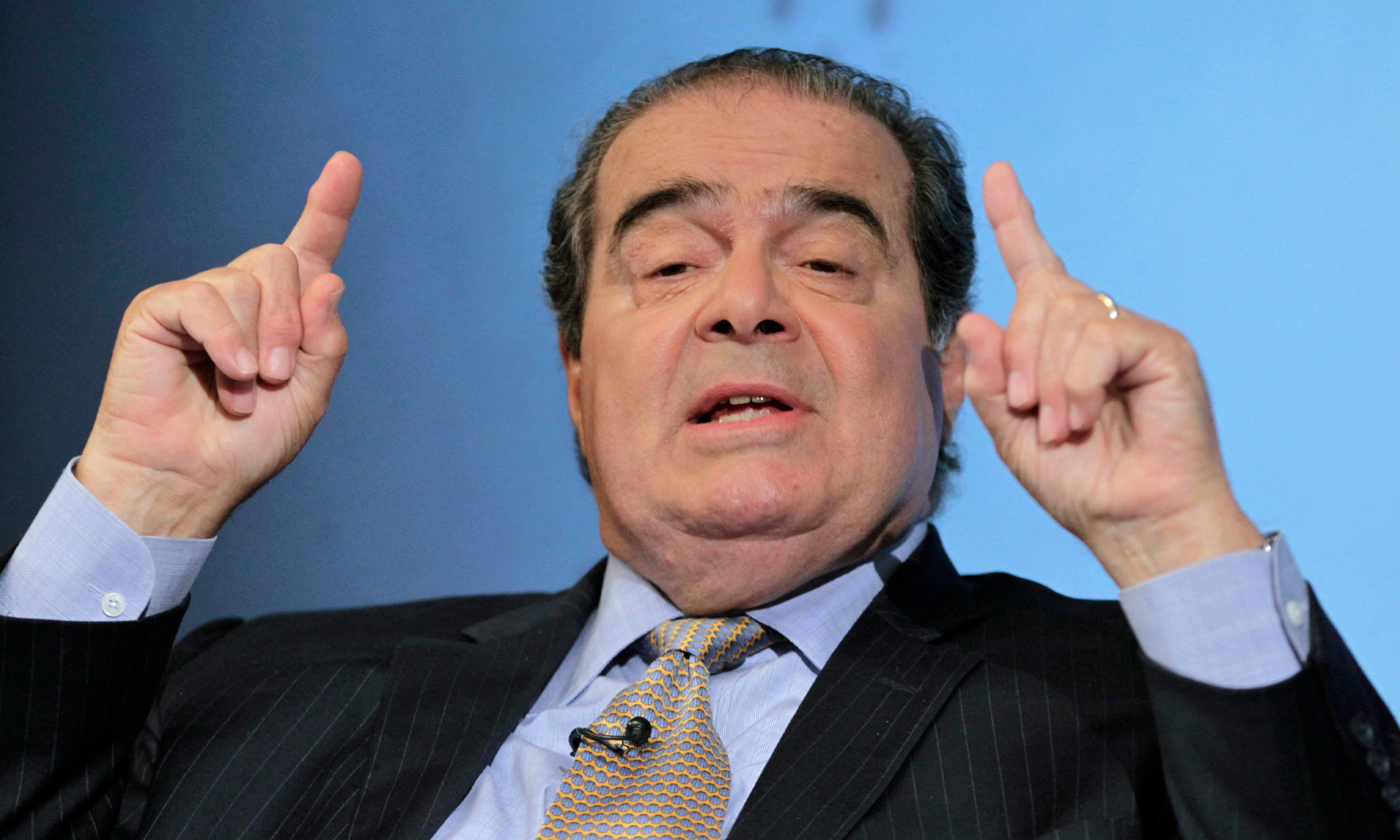
Last time, we explored some misconceptions about originalism in legal interpretation. They have led to the besmearing of what in most contexts is an anodyne doctrine: that we need a good glossary to read Chaucer and Shakespeare and can undoubtedly benefit from a historical dictionary when reading 18th- and 19th-century texts whose language may be unfamiliar — or, worse, seem familiar but actually denote things other than what we might superficially think.
That’s why textualists often mention text and tradition. As Justice Antonin Scalia wrote when dissenting in Planned Parenthood v. Casey (1992) — a sequel to Roe v. Wade (1973) — “Texts and traditions are facts to study, not convictions to demonstrate about.” He added:










Comments