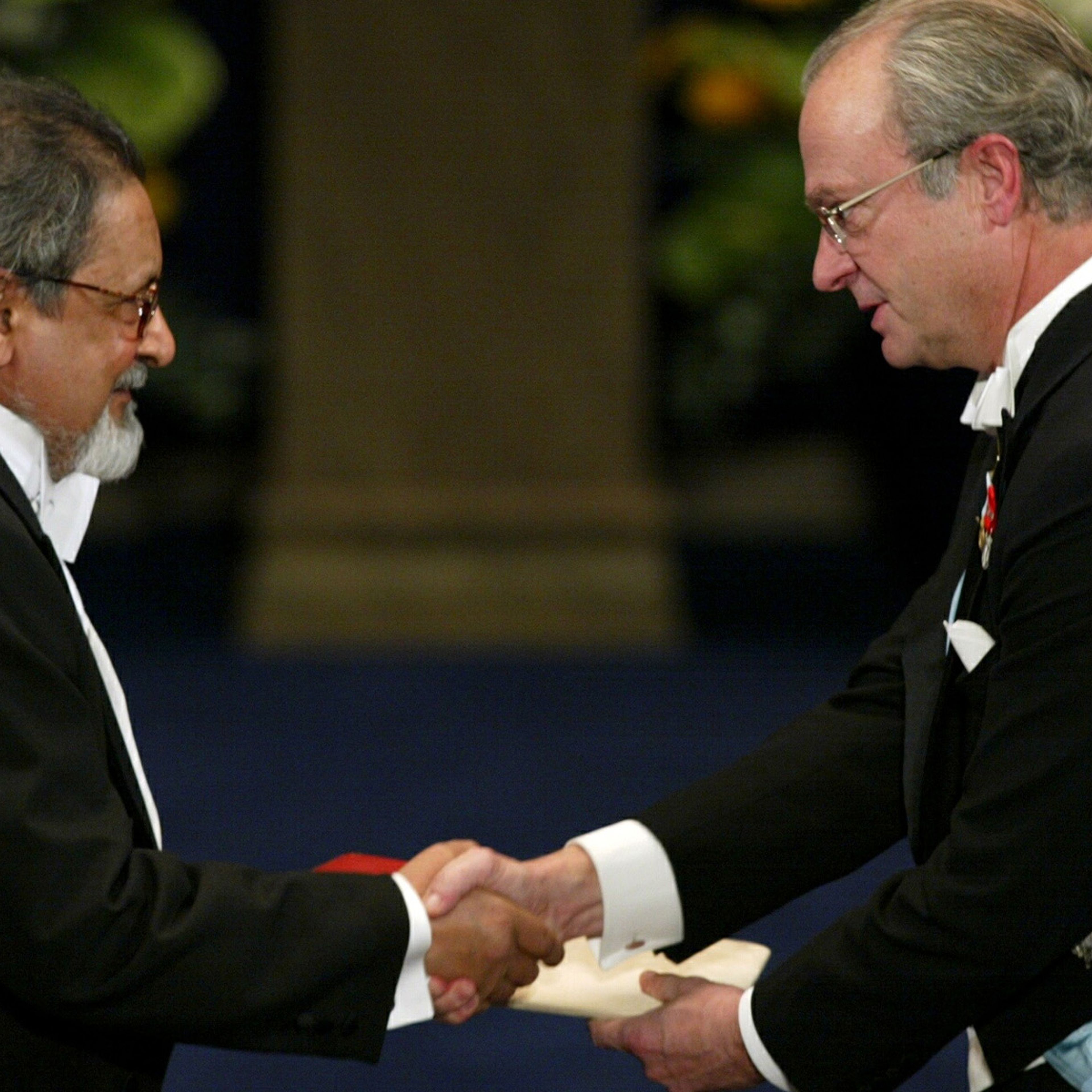
In 2008, Vladimir Putin won a Nobel prize. The Ludvig Nobel Prize for services to Russia is named after the older brother of Alfred Nobel (who, perhaps inspired by this, founded his own prizes). In the 19th century, Ludvig visited oily, flammable Baku, in Azerbaijan, then part of Imperial Russia, and revolutionized the petroleum industry. He invented the oil tanker to fuel the empire via the Volga. He and Alfred — who made his fortune in the nitroglycerin and dynamite business — were trained to tinker by their father: a destitute Swede who had fled to Saint Petersburg to escape loan collectors and ended up inventing the most reliable and advanced underwater mine at the time of the Crimean War.
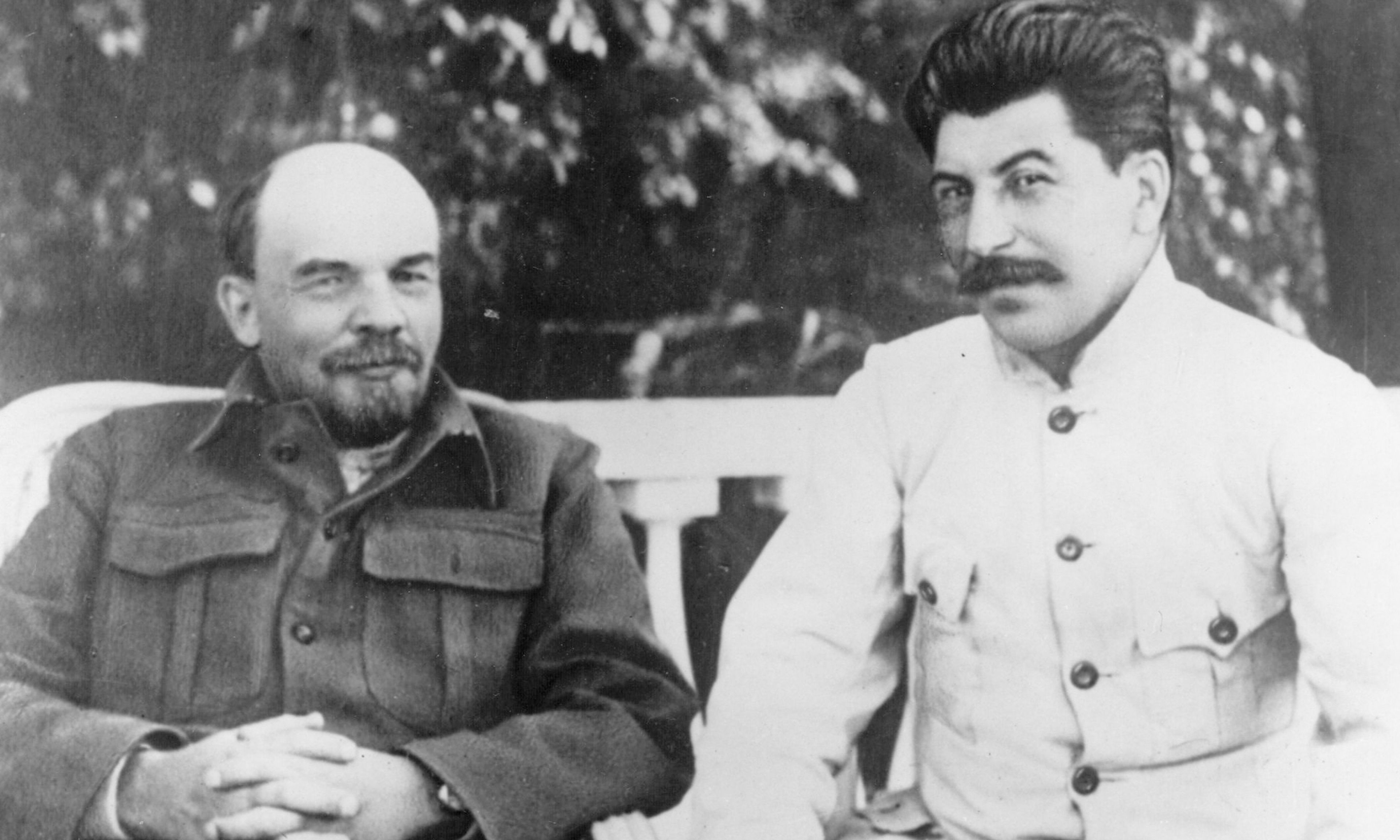
Author Douglas Brunt has the useful gift of writing histories that read like novels (as he previously demonstrated with his part mystery story, part biography of Rudolph Diesel). In The Lost Empire of Emanuel Nobel: Romanovs, Revolutionaries, and the Forgotten Titan Who Fueled the World (Atria, 368 pp., $32), he follows three generations of Nobels. Ludvig’s son, Emanuel, is Brunt’s protagonist. The previous patriarchs had to deal only with tsars. Emanuel must contend also with a couple of young bloodlusty partisan gnats. Vladimir Ulyanov and Joseph Dzhugashvili, Lenin and Stalin, will eventually seize the Nobels’ lifework. Self-exiled to Stockholm, Emanuel must outmaneuver political power — and his rival oilmen — one more time.



Comments