A pandemic summer isn’t a time for movie stars. Some big names have been shunted off into the post-COVID future, when presumably we’ll get to see Gal Gadot play Wonder Woman once again or Daniel Craig’s last go-round as James Bond. Others have taken the risk of seeing how their charisma wears in the toy-strewn discomfort of our living rooms: Is Tom Hanks still Tom Hanks if his World War II submarine movie Greyhound is playing only on your television, with the cries of unschooled kids as a soundtrack? I’m not brave enough to find out.
A pandemic summer is a good time, however, for actors one step down from true stardom. Suddenly the small movies they’re headlining are the only game in town, and the supporting roles they play benefit from the egalitarianism of the smaller screen. And if the films they’re headlining aren’t that good — well, everybody’s expectations are a little lower these days too.
All this occurred to me while watching two pandemic-summer releases on back-to-back nights, during a short two-family getaway to the shores of Lake Erie, and realizing midway through that our choices amounted to an accidental Dan Stevens film festival.
Stevens, for the uninitiated, was the leading man on Downton Abbey for its first three seasons, at which point he tired of playing the handsome Matthew Crawley and forced an exit from the show, which the writers delivered via a car-crash death scene that would have felt melodramatic in a 1970s-era soap opera.
Since then he’s had an odd sort of career, with a few movie parts that seem star-like but aren’t really — like the Beast in the Disney Beauty and the Beast remake, buried under horns and fur, or Charles Dickens in a forgettable movie about the writing of A Christmas Carol — plus a bunch of stranger roles in genre fare, horror and action especially, to complement his return to TV as the lead of FX’s weird superhero drama Legion. This bundle of parts makes him a good example of a not-quite-star — an actor whose face you recognize but whose name eludes you, who works a lot without quite distilling the alchemy of fame.
And now you can stream him on your TV or device twice over, and decide if he should be considered a star in full.
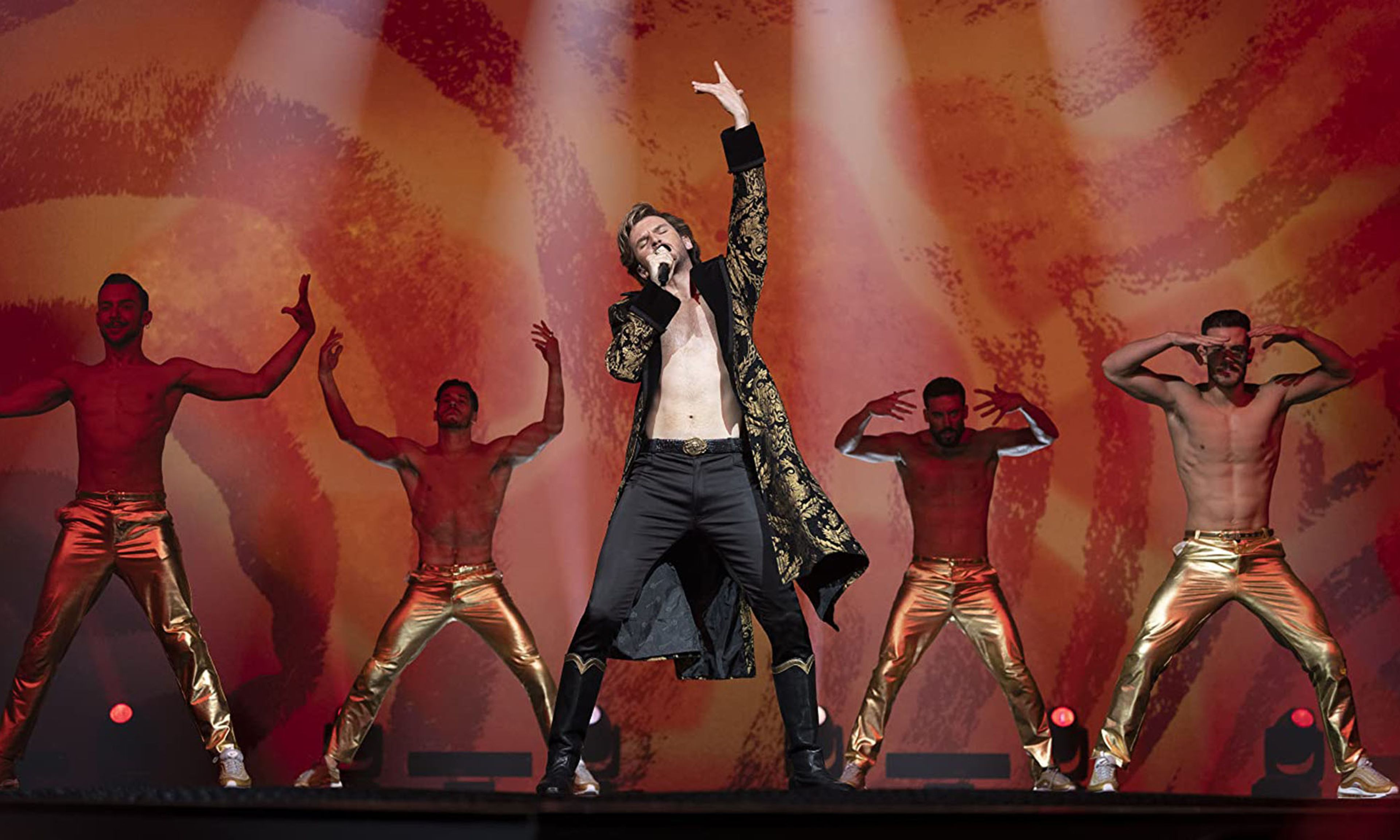
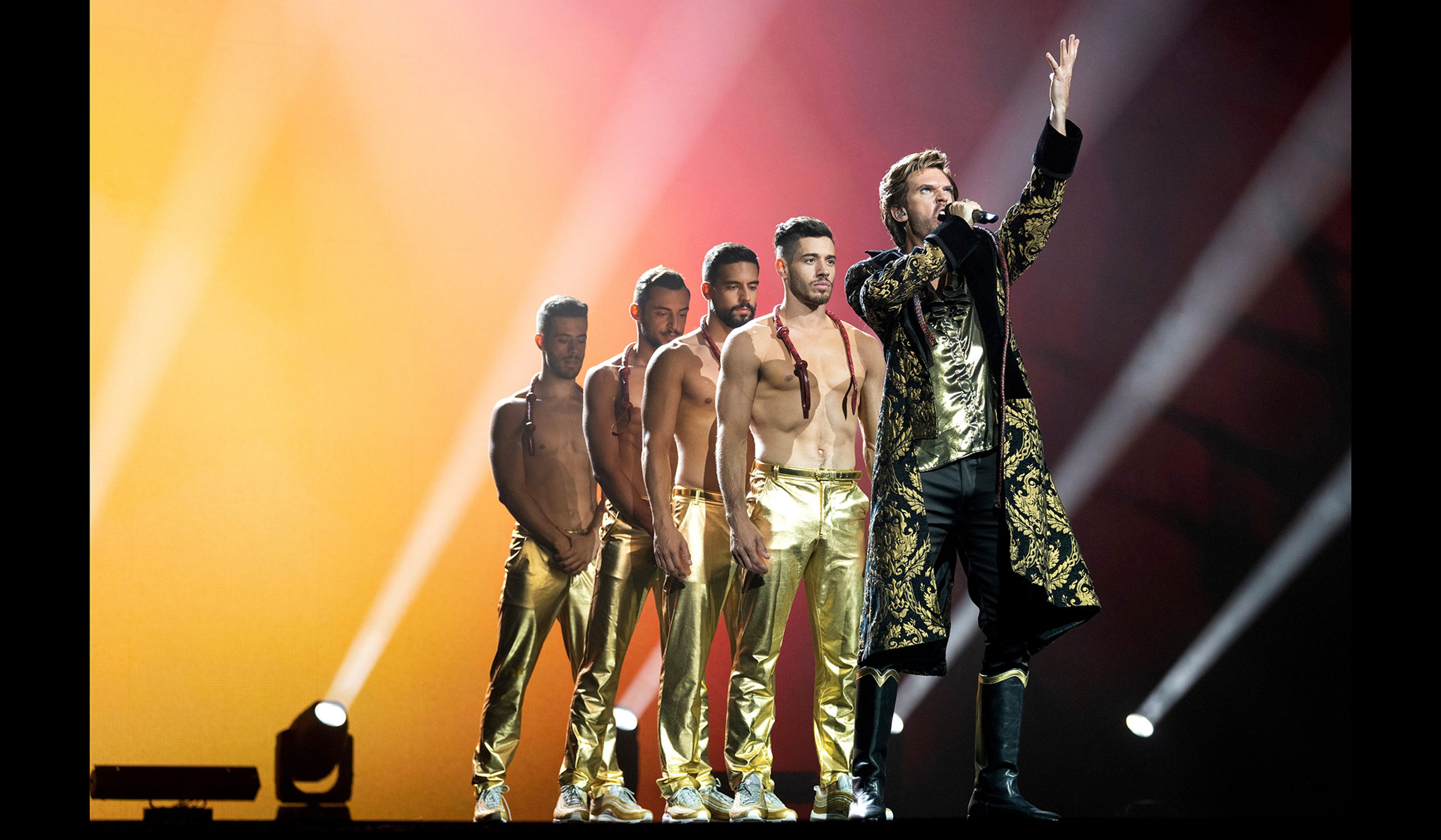
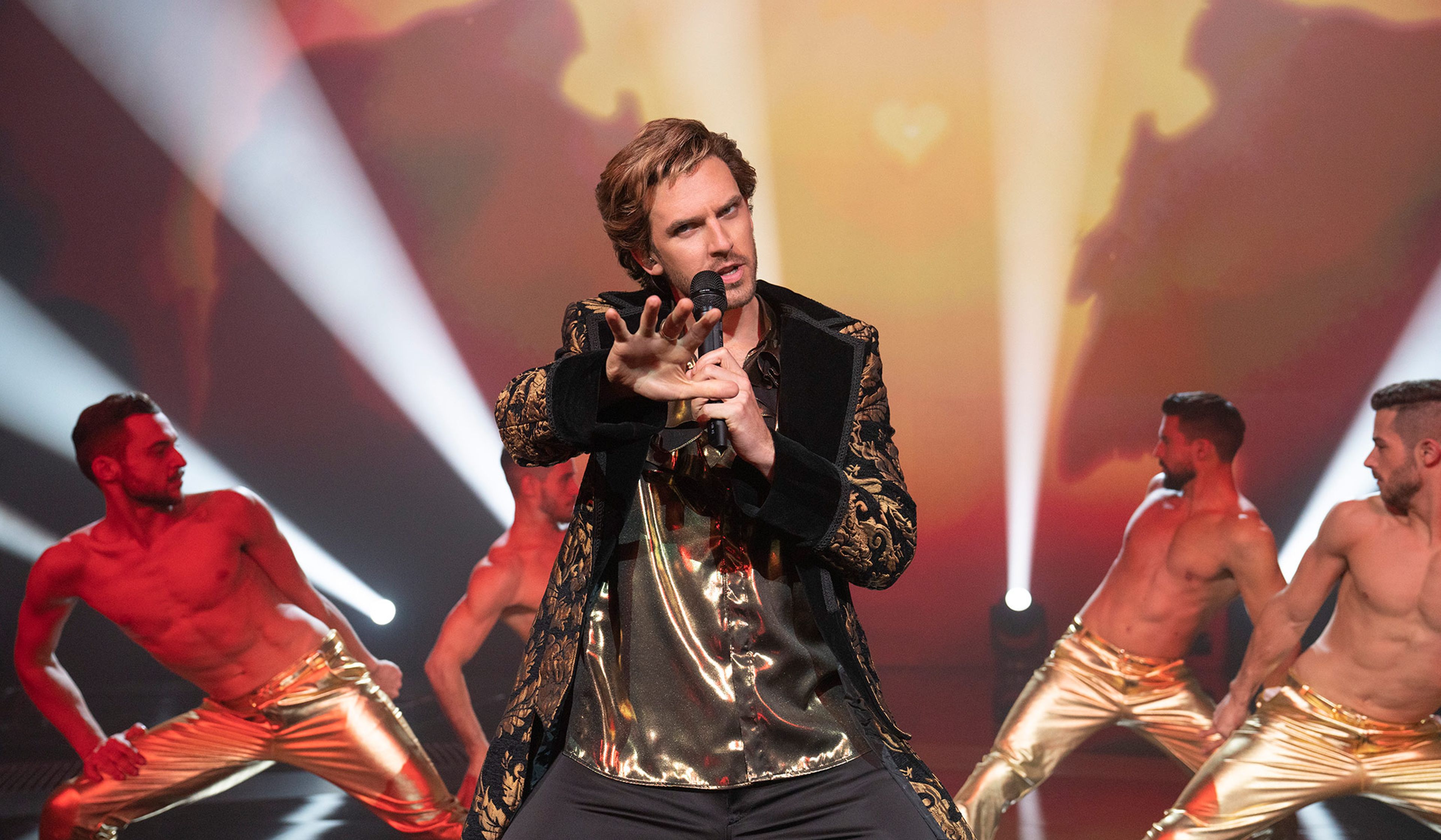
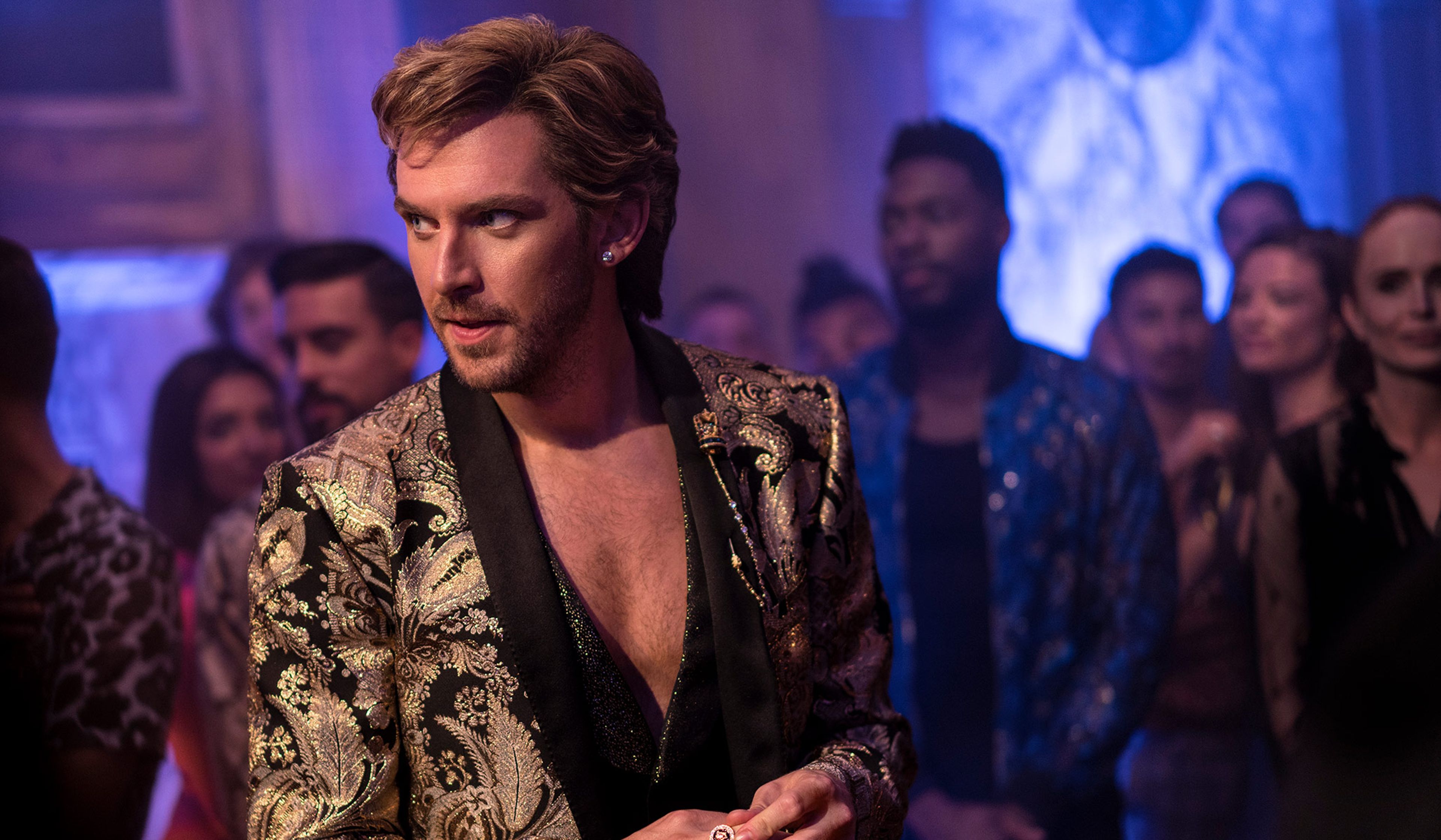
In Eurovision Song Contest: The Story of Fire Saga, a broad Will Ferrell vehicle about an Icelandic-singer couple and their dream of Eurovision glory, Stevens plays the hero’s foil, a sexually ambiguous Russian singer named Alexander Lemtov who tries to woo Rachel McAdams’s Sigrit away from Ferrell’s Lars. The movie elevates a stock Ferrell man-child plot with some cheerful Icelandic nonsense and a lot of power ballads, but it’s mostly notable for the way a vamping, gleaming-eyed Stevens swipes the movie out from under its official star.
The experience has exactly the feel of a baseball game where a famous athlete seems past his prime and a younger player shows him up. Ferrell’s shtick is exceedingly familiar, and as a love interest for the reliably terrific McAdams he seems not just too blundering and immature, as the script requires, but also just too old. Meanwhile the movie gains a different kind of life whenever Stevens is on screen: Where the star seems bloated and decrepit, the supporting player is lean and hungry — in the most appropriately ridiculous of ways.
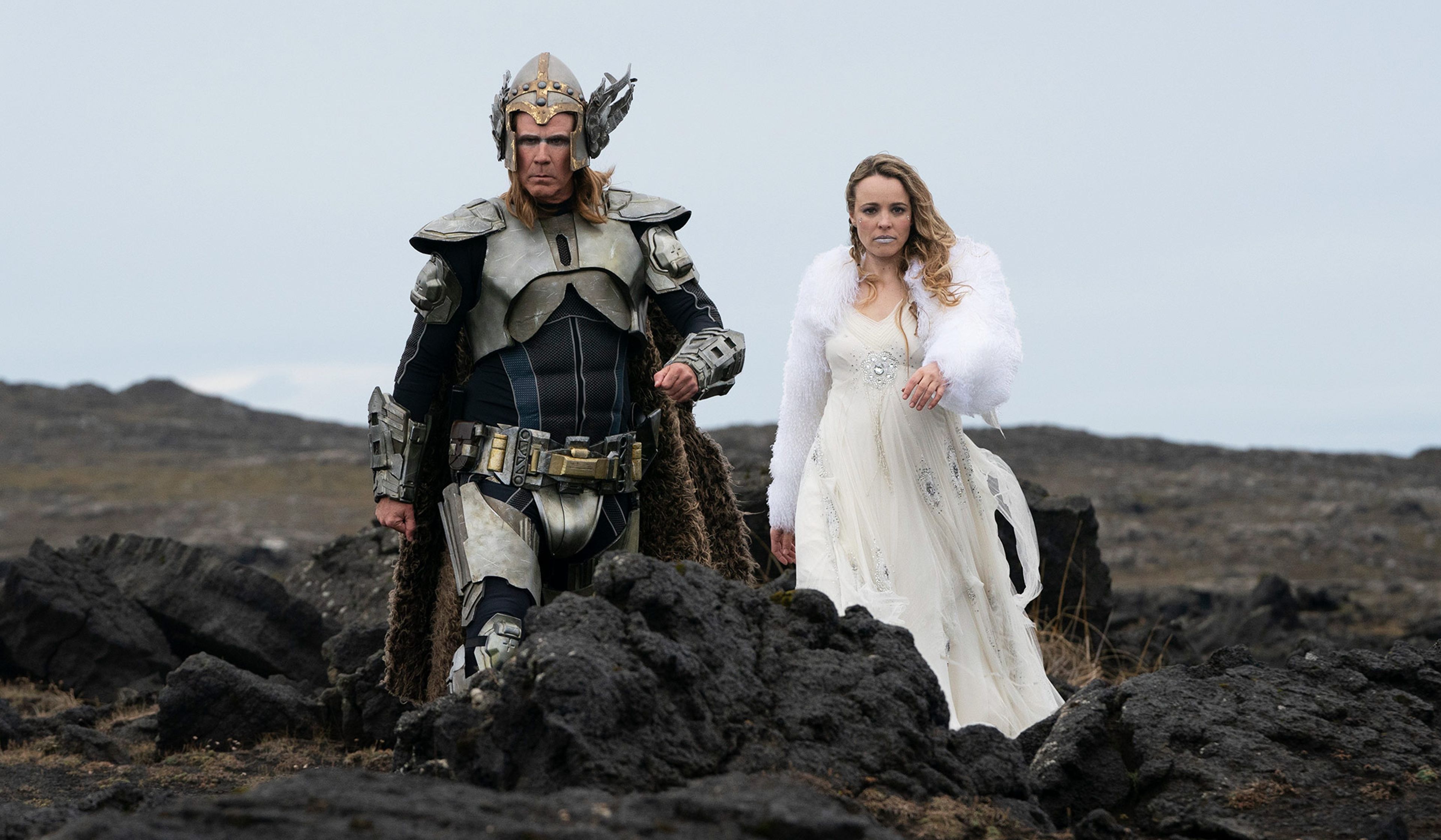
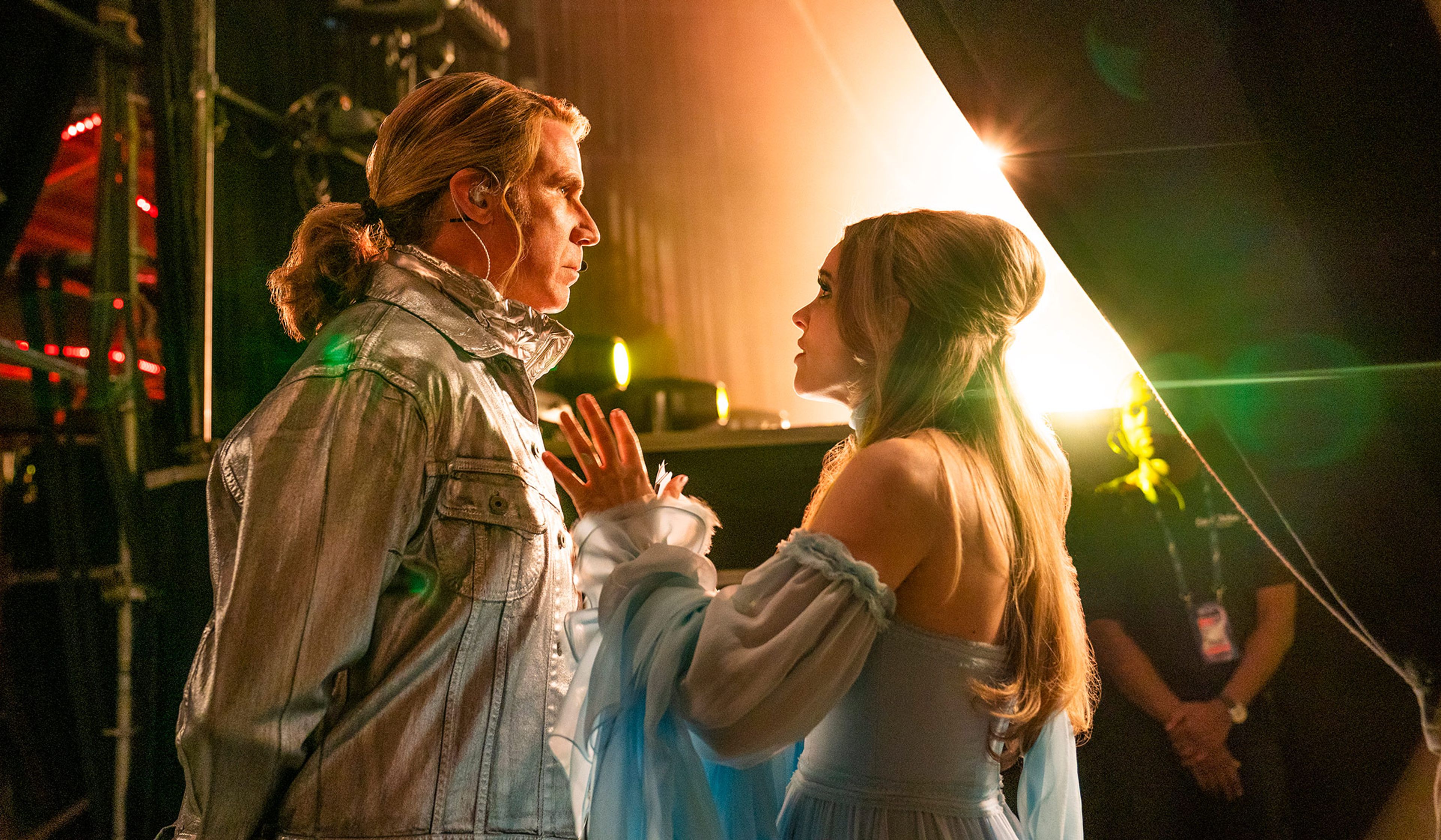
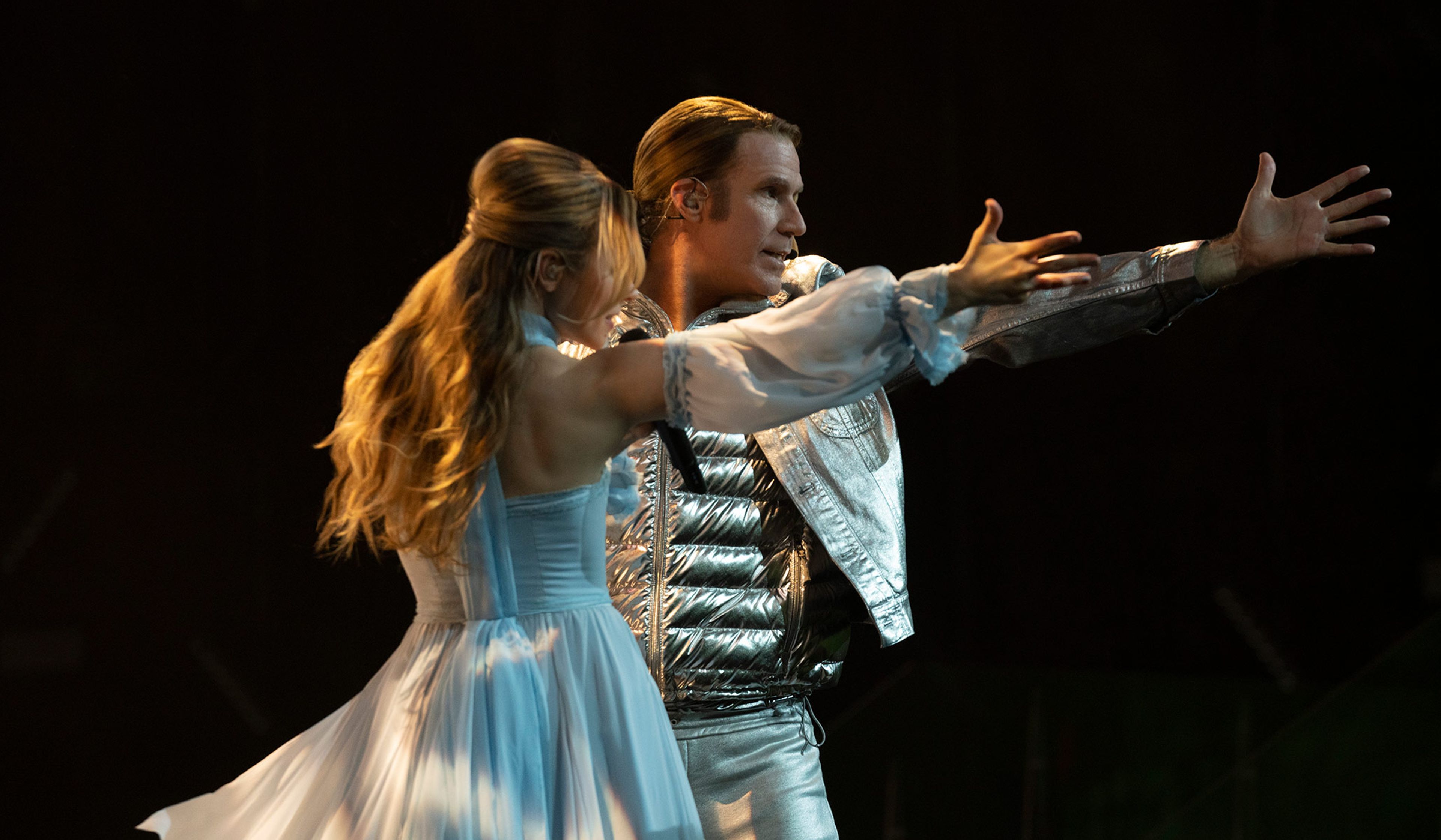
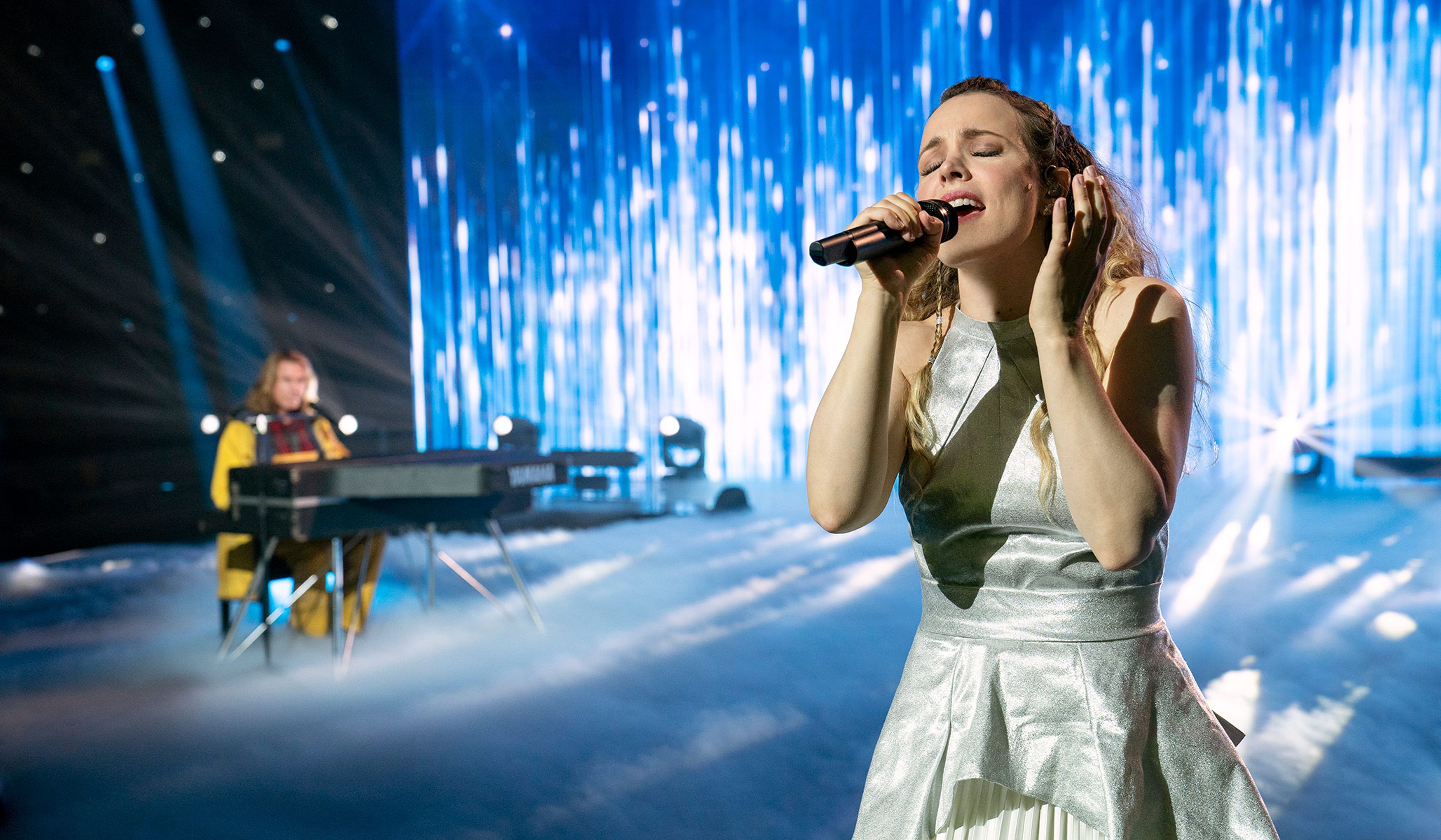
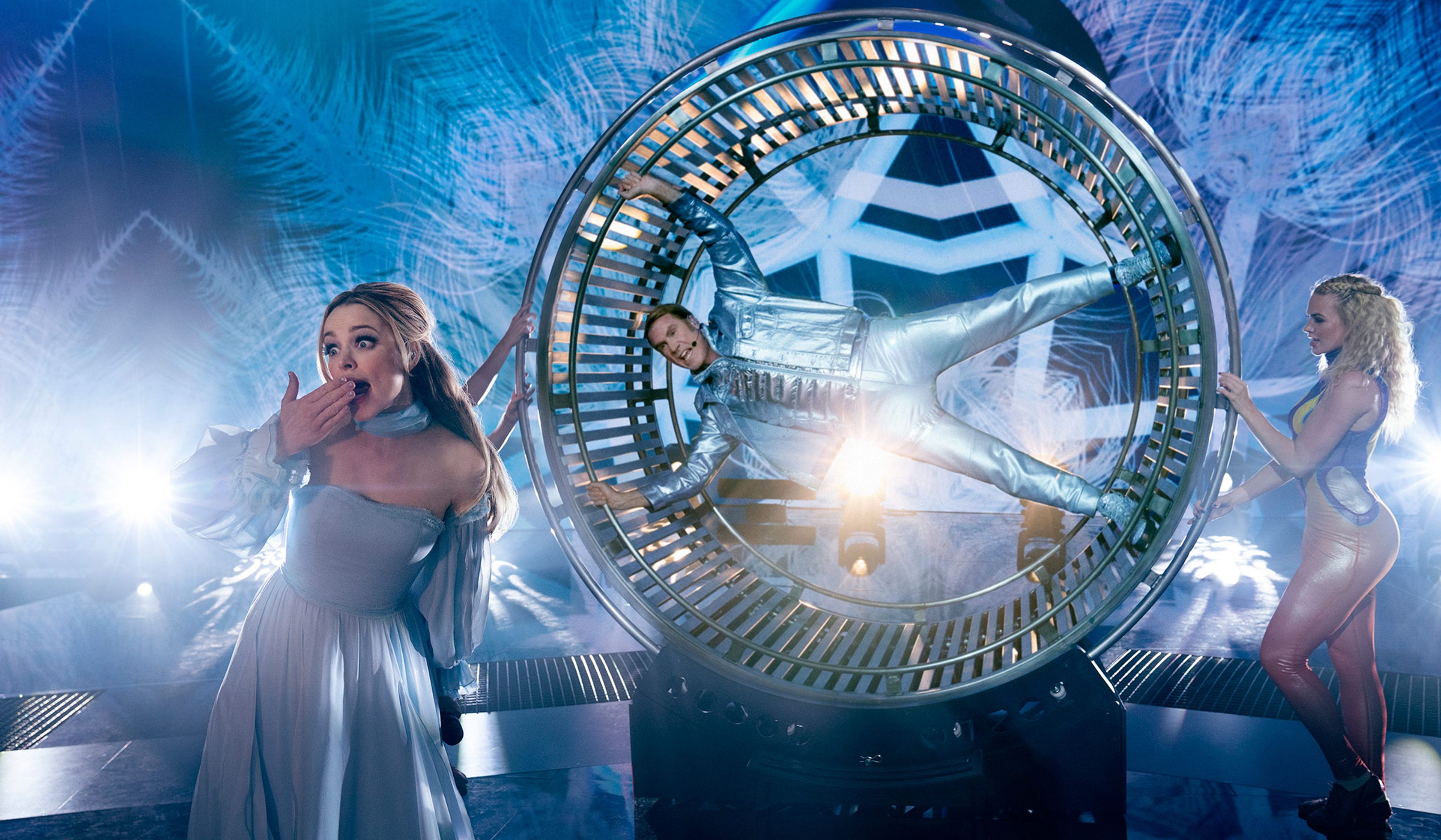
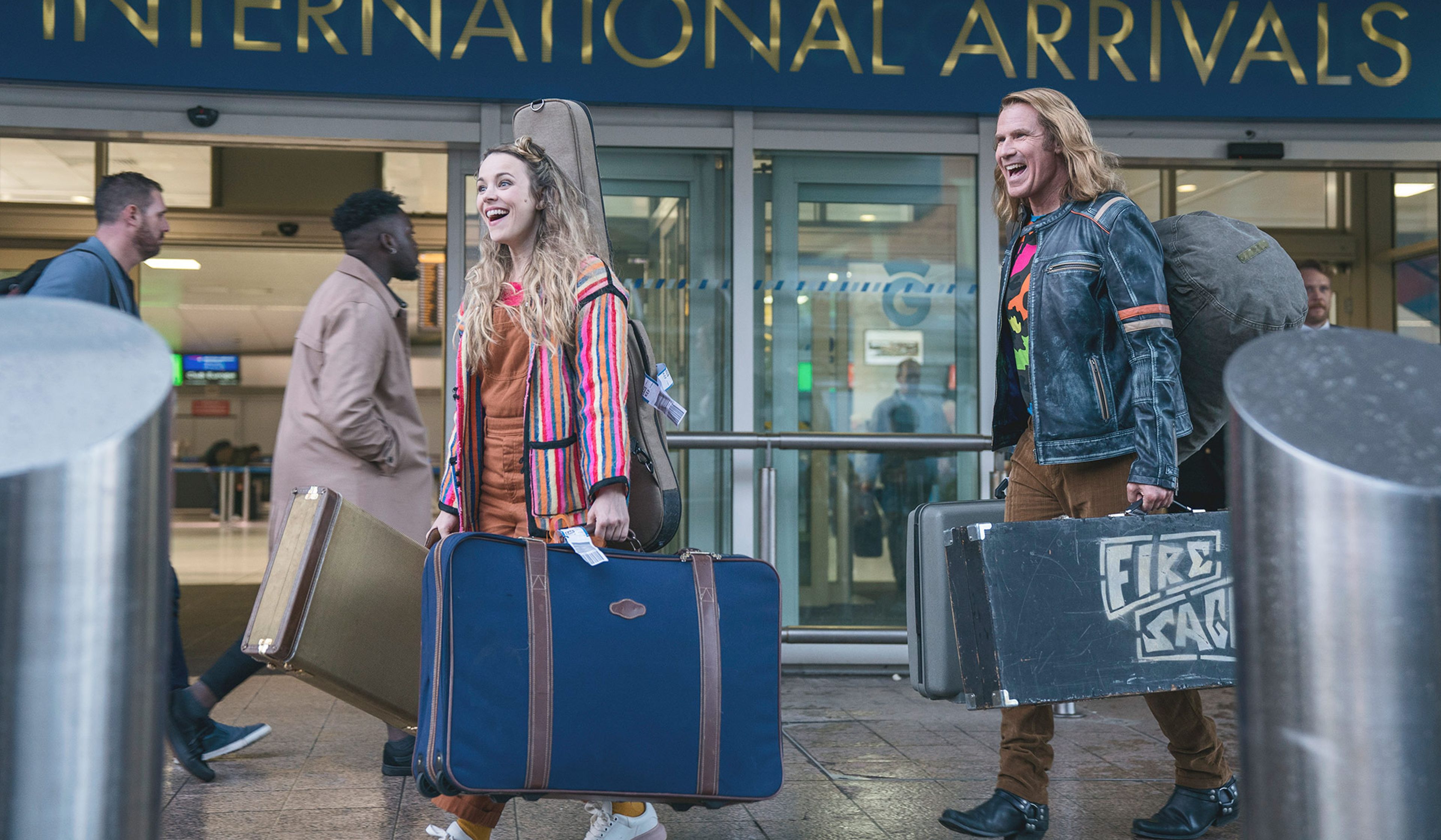
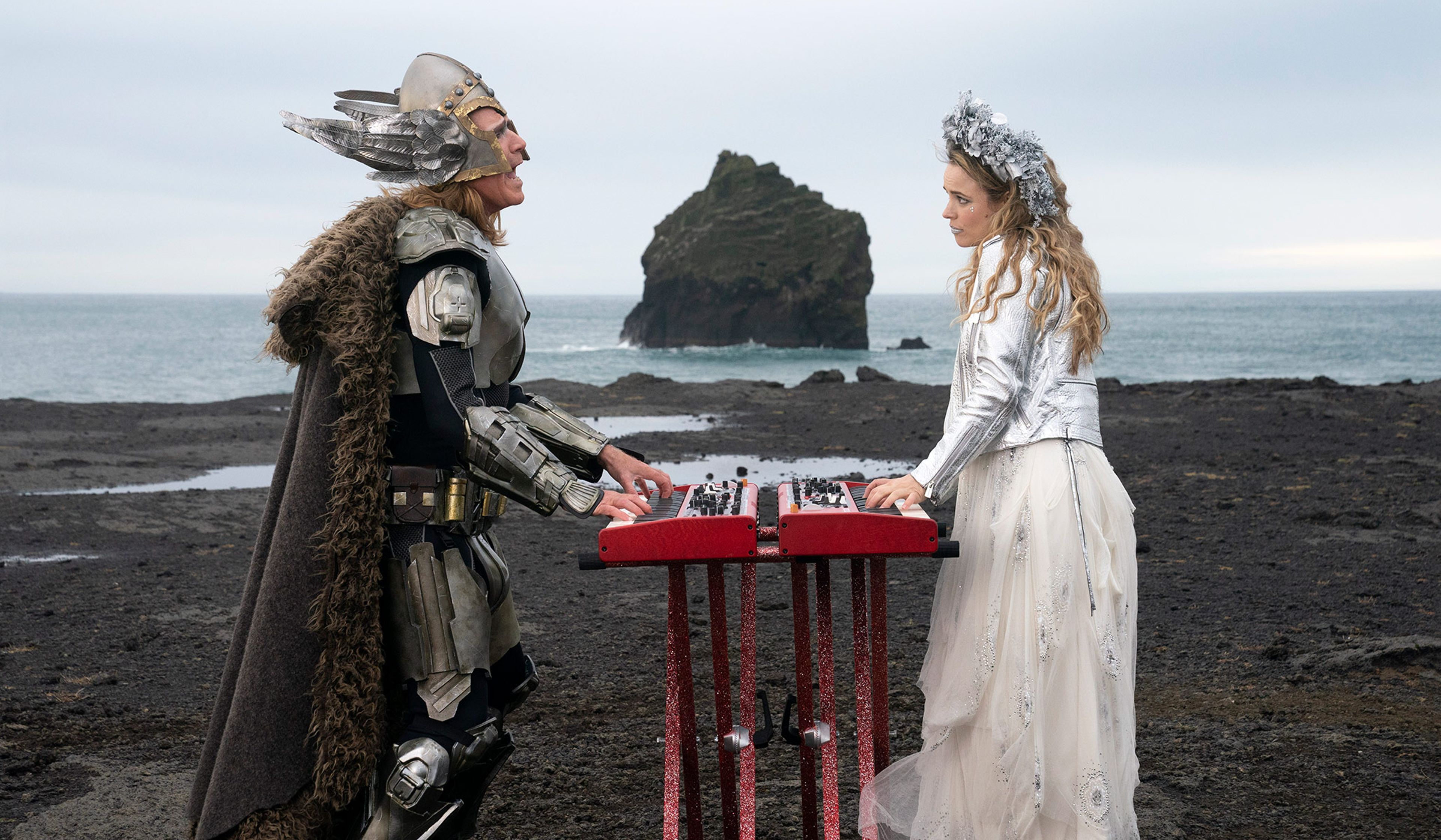
Will Ferrell and Rachel McAdams in European Song Contest: The Story of Fire Saga.
Elizabeth Viggiano/Netflix
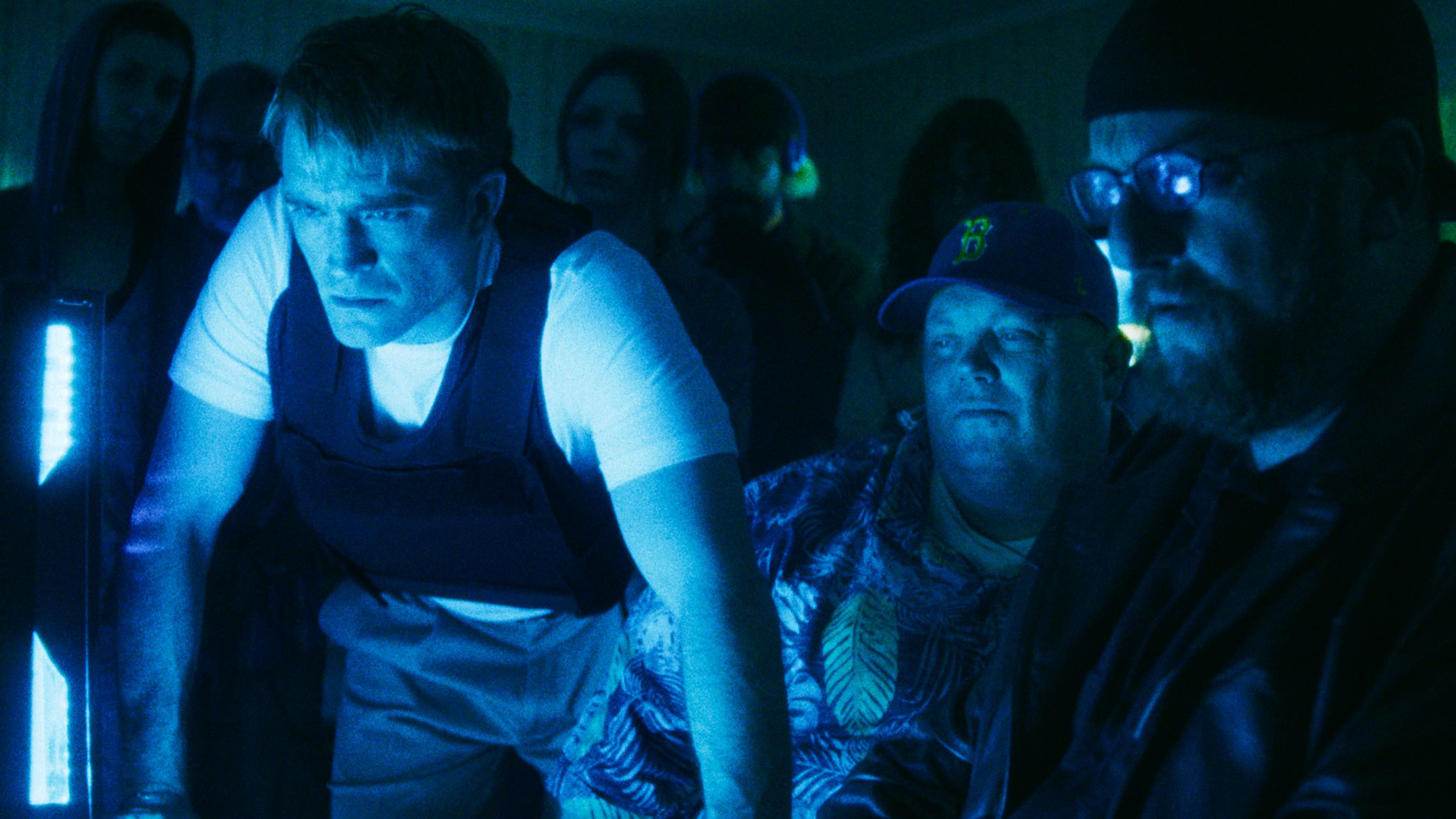
Fire Saga played the first night of my Stevens festival, while the second night featured a horror-loving housemate’s choice: The Rental, a slasher movie directed by Dave Franco, brother of the more famous James, about an Airbnb rental gone terribly wrong that we watched (while our kids slept, don’t worry) in a literal Airbnb. In this smaller film Stevens plays the lead — Charlie, a somewhat skeevy, married start-up honcho who celebrates a looming funding breakthrough by renting an isolated cliffside Pacific manse for the weekend. The trip is a double date, with his wife (Alison Brie), his business partner (Sheila Vand), and her boyfriend (Jeremy Allen White), who is also Charlie’s ex-con, Lyft-driving brother.
The first two thirds of the foursome’s story exceeded my expectations, mostly by keeping any sense of external menace — embodied first by a possibly racist rental manager and then by the discovery of hidden cameras in the house — at arm’s length and focusing on the internal dynamics of the couples, the adulterous undercurrent that soon rises to the surface. There’s a brief period where a seemingly accidental death tilts The Rental toward black comedy, and I wish it had kept on tilting. Instead the movie lurches toward the most predictable sort of horror-movie denouement, with a bad guy who seems to exist mostly to be developed more fully in some future sequel.
It’s not much of a spoiler to say that Stevens’s character won’t be around for The Rental 2, but in this one he’s well cast, and in viewing it together with Fire Saga you can see what makes his career as a semi-star so interesting and unexpected. If you watched him just in Downton Abbey, you would have said that he was a little too square and decent and dull to be a leading man outside PBS Edwardiana. But in his post-Downton career, it’s rather the opposite: He might be a little too peculiar, off-kilter, vulpine, and intense to be a star of the first rank.
But maybe what he’s become is enough: not a movie star, but a genuinely interesting and entertaining movie actor.











Comments