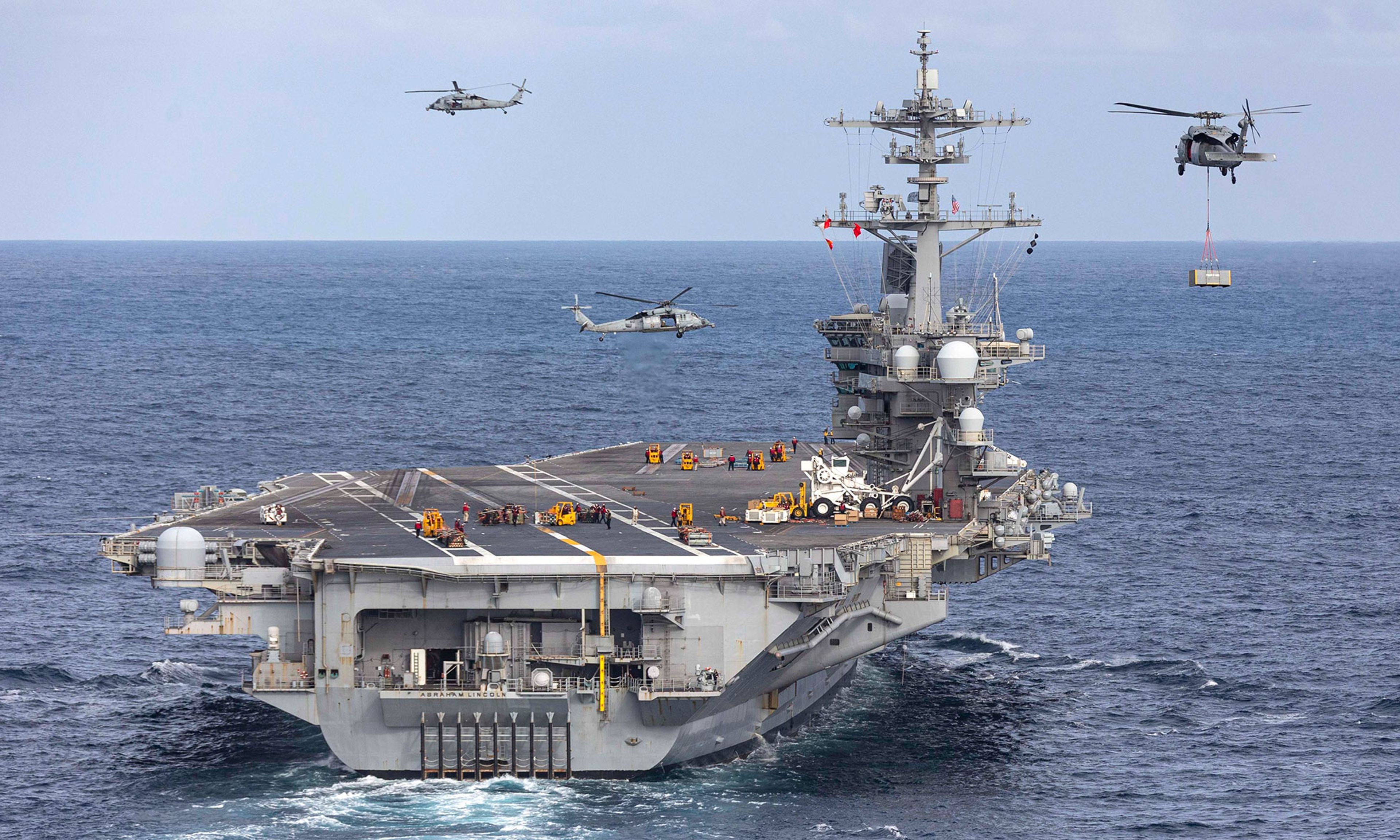
America’s next global era is dawning. As we scale down military operations in both Afghanistan and Iraq, our future prosperity, influence, and security will be determined by what happens in the rising Indo-Pacific region. If we play a leading role in the great area stretching from India to Japan, the coming decades will see the strengthening not only of American power, but also that of our liberal, democratic allies. Conversely, surrendering the high ground in Asia to China will likely result in the ebbing of the post-war liberal international system and the establishment of a region, and world, of greater insecurity and instability. Two questions face a Washington focused on cutting budgets and stressed after a decade of combat in the Middle East. First, do we have the will to succeed in the Indo-Pacific? And second, do we have the means to continue to lead?
The answers may lie in our recent combat experiences. A cornerstone of America’s counterinsurgency approach in Iraq and Afghanistan has been the strategy of “clear, hold, and build” — that is, clear out insurgents, hold the area, and then build up local political and economic institutions to maintain stability. While many observers worry that the Defense Department under former secretary Robert Gates became too monolithically focused on counterinsurgency, the reigning counterinsurgency doctrine may actually provide a strategy for America’s policy in the Indo-Pacific region over the next decades — but only if it is turned upside down, into a “build, hold, and clear” strategy.











Comments