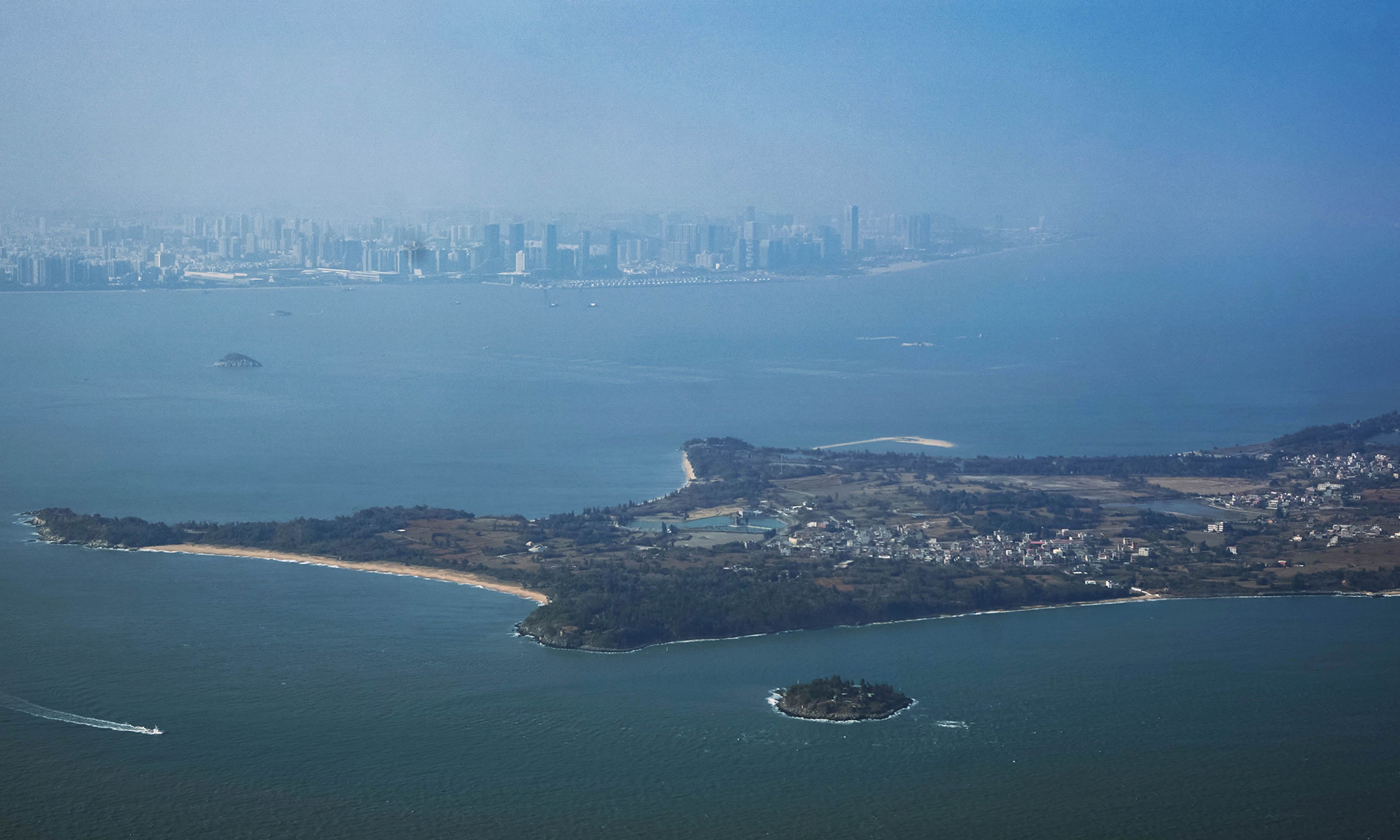
The United States should not fight a war with China over Taiwan. And in the hope of preventing a conflict, it should not commit itself to Taiwan’s defense beforehand. While remaining outwardly ambiguous, it should presume against becoming a belligerent.
This is so for two reasons. The issue is too dangerously war-prone. And while Taiwan’s fate matters, it does not matter enough for U.S. security interests to justify such a great risk. A conflict with China in this matter would likely inflict the very damage that proponents of fighting fear.
Before saying more, my thanks to Elbridge Colby for our exchange over this question. His book Strategy of Denial is a landmark work. It will focus minds on the most momentous political development in this century: China’s accelerated growth, its conversion of growing economic strength into hard military power, its large naval and nuclear buildup, and its attempt to displace the U.S. as the hegemon in Asia.
Colby and I agree on much. Beijing’s desire to dominate is clear. Witness its muzzling of Hong Kong, its demands for deference, its punitive economic warfare, its intolerance and outlawing of dissent anywhere on earth, and its extravagant territorial claims. We agree it needs some containing. The primary threat from China is not one of outright conquest across the board, but of a repressive hegemony with the coercive power to dictate terms to other states and ultimately stifle America’s democratic liberties. We agree that the U.S. should support other states, including Taiwan, to become bulwarks against Chinese aggression. And we agree that Washington should address this primarily not as an ideological crusade but as a balance-of-power issue. It should assemble a coalition and reallocate assets from other theaters to do so.
We disagree over Taiwan, however. For Colby, the U.S. ought not only to help and exhort Taiwan to defend itself. It ought to prepare to fight over Taiwan, to deter aggression, or, failing that, to repulse it. Otherwise, he warns, China’s seizure of Taiwan would vastly strengthen its ability to impose itself on its other neighbors, from the first “island chain” and beyond.
From this perspective, by not wading in, America would destroy its credibility with allies and grant China an enhanced platform from which to radiate its power. It would tilt the balance dramatically, and the dominoes — psychological and political — would begin to fall. Taiwan in this view assumes the stature of West Germany during the Cold War, as a yardstick of American commitment, and Cuba, as a platform for threat. This, allegedly, is not something the U.S. can live with.
I disagree. Let’s begin with the first part of the argument, the sheer dangerousness of the flashpoint.
There are multiple points of potential collision between China and America. But in the case of most disputes, nuclear deterrence has a decent chance of working. Both the U.S. and China care about territories in the South China Sea and the East China Sea, such as the Senkaku Islands, but they are not sacred issues. The limits on the stakes make future confrontations serious but manageable. Taiwan, by contrast, is the issue hardest to manage peacefully. It poses the greatest danger of a cold war turning hot, a protracted security competition turning into a major war.
The question of Taiwan’s uniqueness is where Colby and I have perhaps the greatest disagreement. Is Taiwan singularly dangerous? Or does it sit on a continuum of flashpoints or a row of dominoes, making it prudent to confront China here and (potentially) now, not later and elsewhere?
There is an optimism that runs through many arguments for committing to fight for Taiwan. This is the assumption that a U.S. military commitment, made either before or during a crisis, would likely succeed. Either it would deter Beijing in the first place, making it back off for fear of taking on the world’s most militarily capable state. Or if things came to blows, the U.S. would probably prevail at an acceptable cost, given its superior strength. Note how this frames the choice: standing up to an aggressor to ward it off, or, per Colby, inviting further threat later. If we view it this way, strategically and morally, what’s the problem?
The problem is that China will likely not back off. The prospects for a militarized dispute that de-escalates on Washington’s terms, or a hot war that is swift and victorious, are bleak. Why? The heart of the matter is political. China covets Taiwan, seeing it as existentially important. In terms of value, it exceeds the Falklands for Britain or Algeria for France. It is more like the importance of Texas to America. As far as we can reasonably tell, from its words and its actions, it is willing to run the risk of war over Taiwan, more than in any other dispute.
What’s more, the issue is vital to the Chinese Communist Party’s domestic standing and survival. Once a war is under way, China must not lose. No matter how much U.S. policy-makers choose to care about Taiwan, they cannot overcome this imbalance of resolve in China’s favor. For those of us who believe that the U.S. should still be willing to run the risk of war in behalf of treaty allies such as Japan, this is what makes Taiwan different.
This makes Beijing more likely to tolerate risk and cost. If the countries went to the mat, the U.S. could not assume that it would be able to limit or control the escalating fight to its advantage. And China now has, as it did not in past decades, enough military strength to back up its resolve, with the ability to find and sink U.S. surface ships and aircraft, destroy its forward bases, and disable its satellites.
Geography makes this worse. Not only is China positioned closer to Taiwan. It would be near impossible to fight a war with it and, for instance, suppress its missile capability without extending strikes to the Chinese mainland. In other words, an attempt to restrain China forcibly with a limited war would be indistinguishable, especially in the fog of a rapidly spiralling war, from attacking China’s mainland and perhaps its nuclear arsenal in an unlimited assault. In which case, between two nuclear adversaries, bets are off.
To be sure, these risks would apply to conflict over any issue. In order to deter and prevent war, the U.S. ultimately must be willing to risk it somewhere, and at some point there may be a compelling case to do so. The difference is that, in this instance, the chances of deterring China have an appreciably low chance of succeeding. And given that China regards eventual reunification with Taiwan as a first-order matter, taking measures that tie the U.S. closer to Taiwan’s defense might have the perverse effect of accelerating Beijing’s timetable.
We should bear this in mind when we consider the potential adverse consequences of standing back. Americans are right to worry about the effect of Taiwan’s fall on the security order in Asia. But getting into a major conflict would do more than anything else to jeopardize that order. A major war would inflict unimaginable distress on the United States. While it would trigger demands for revenge, it would also undermine domestic support for staying committed in the region. If defending Taiwan came at the cost of losing an American city to a nuclear strike, or a number of U.S. warships and bases, and this made Americans demand withdrawal from the region, how confident could allies then be of U.S. security guarantees in the future? America might prevail, but the Pyrrhic victory might trigger its departure from the region.
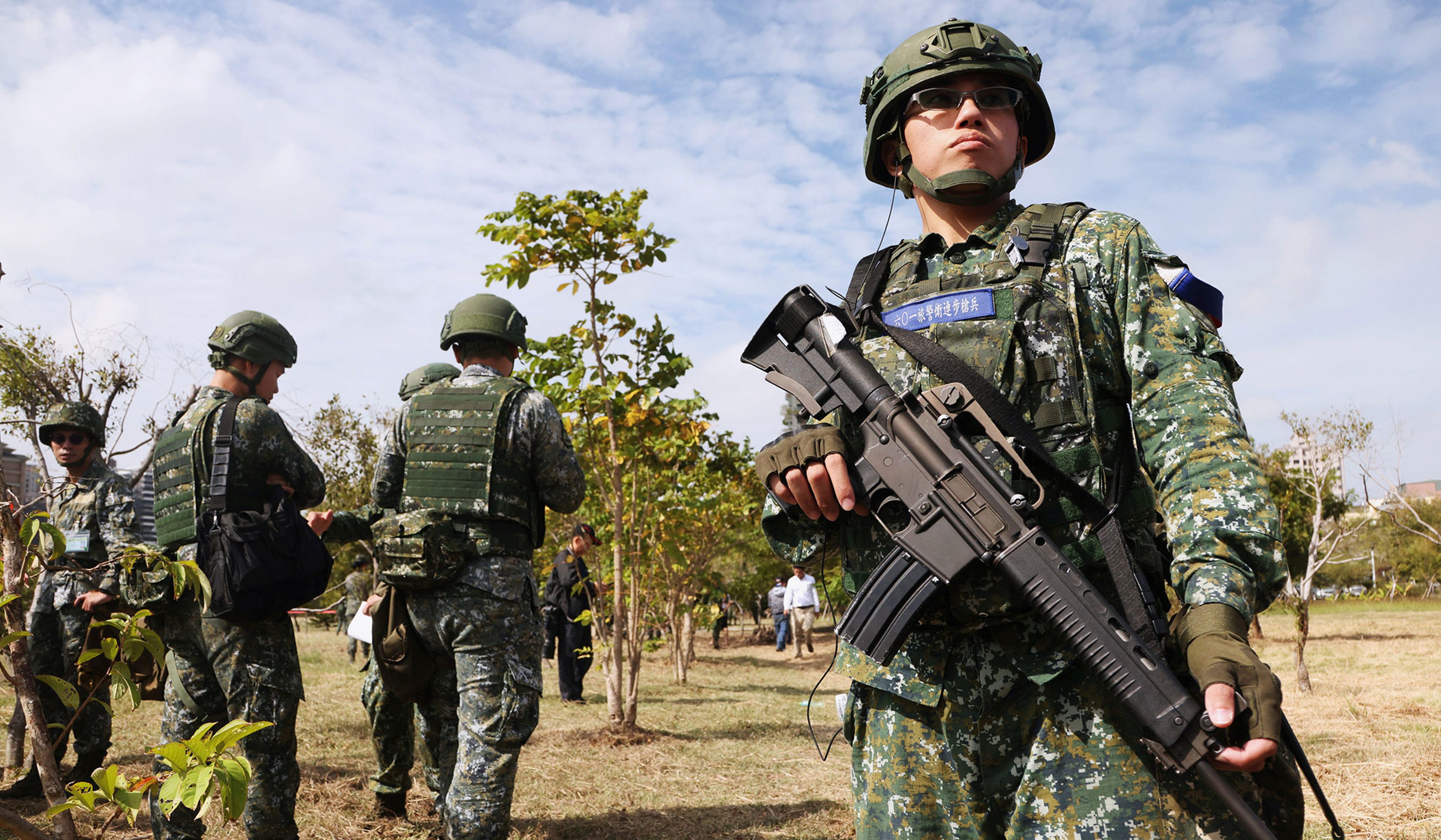
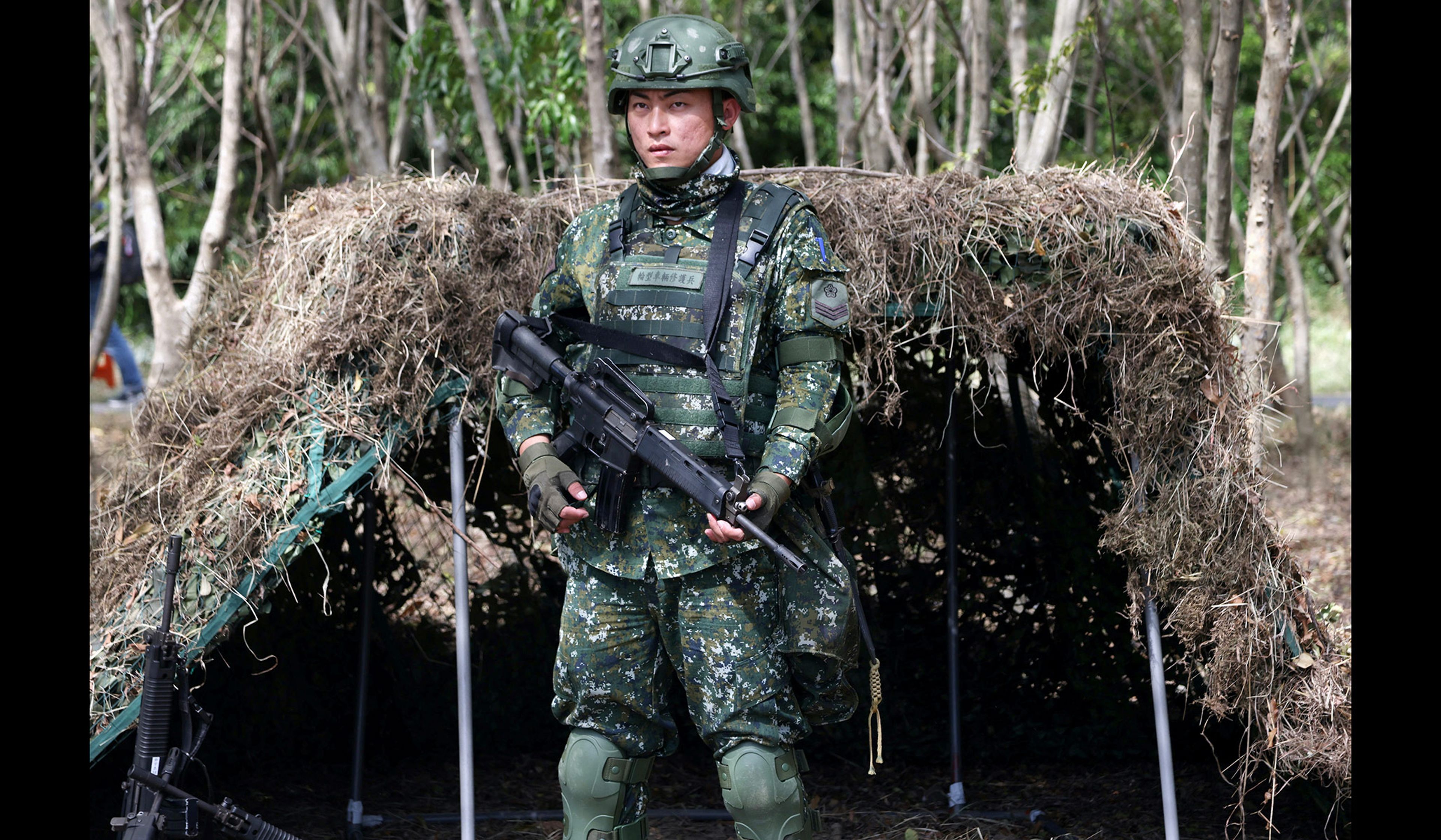
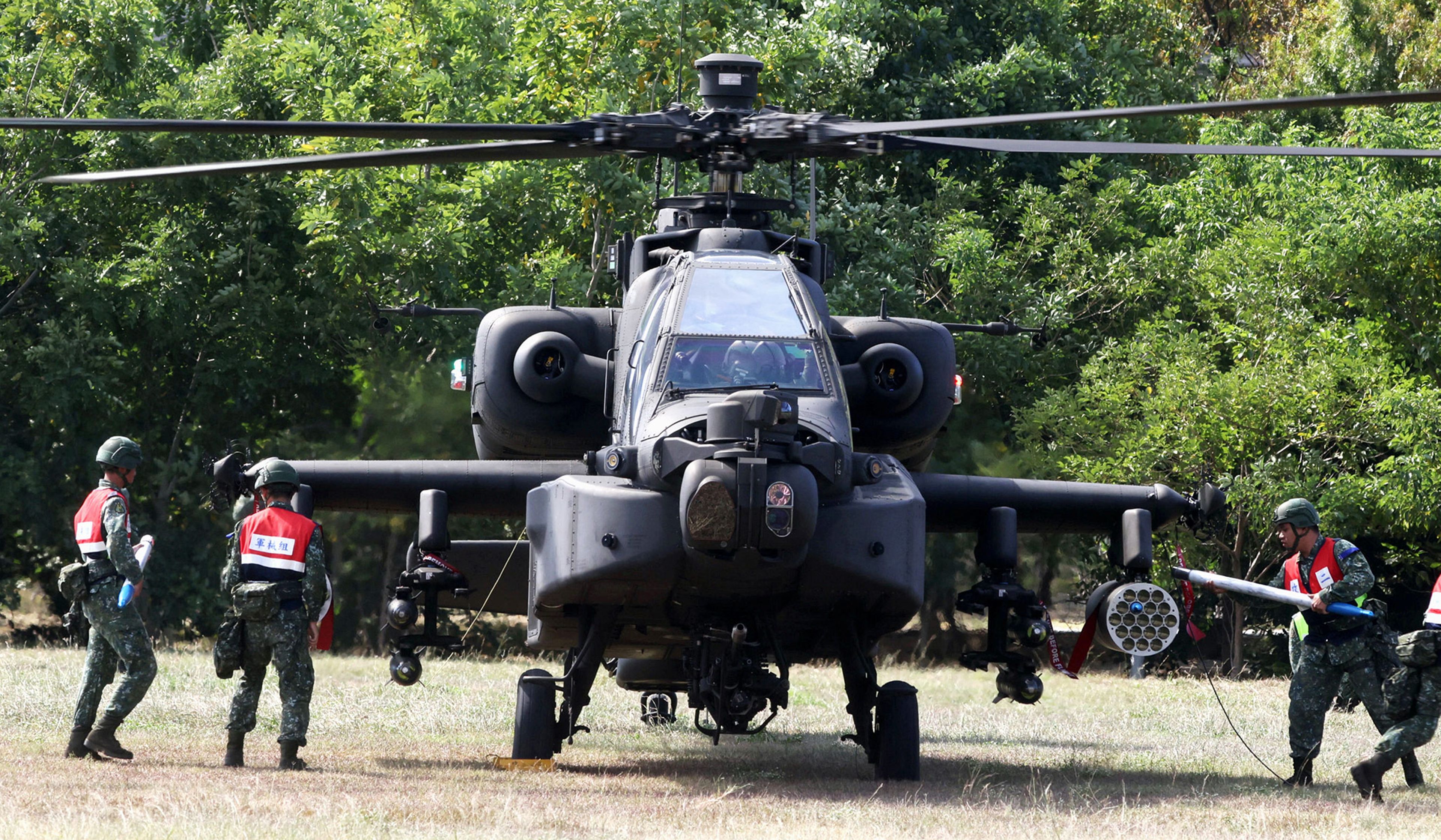
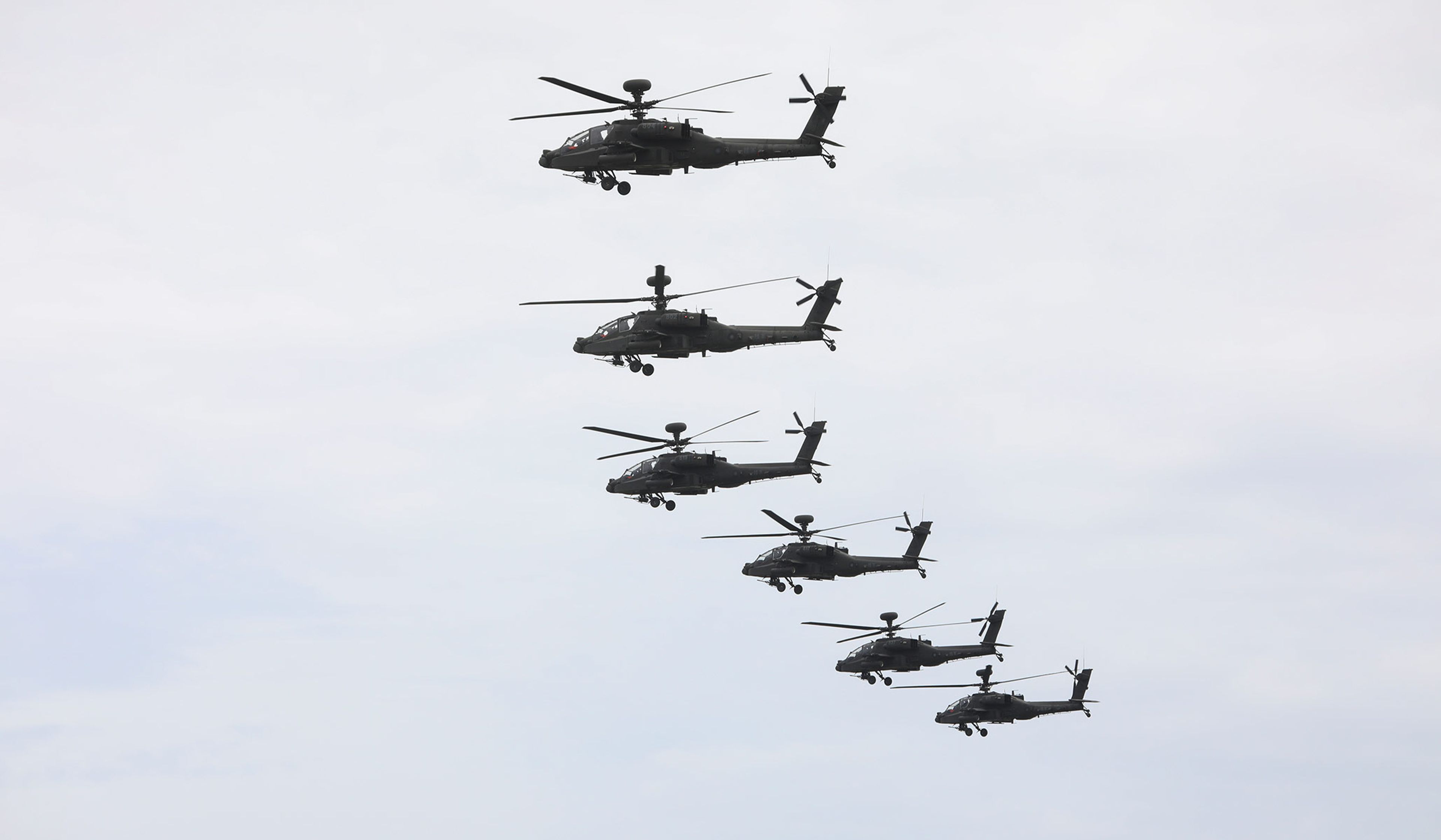
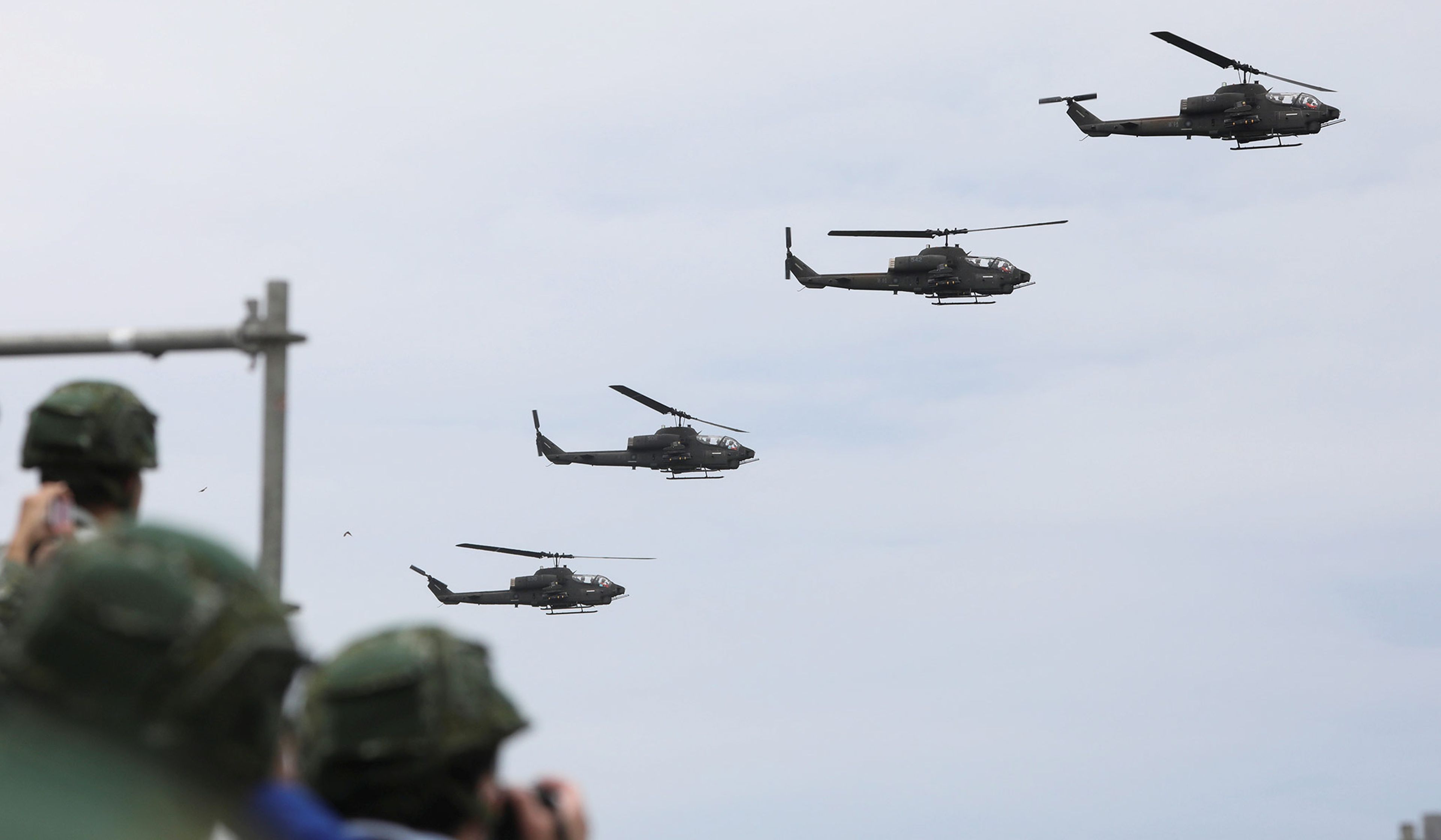
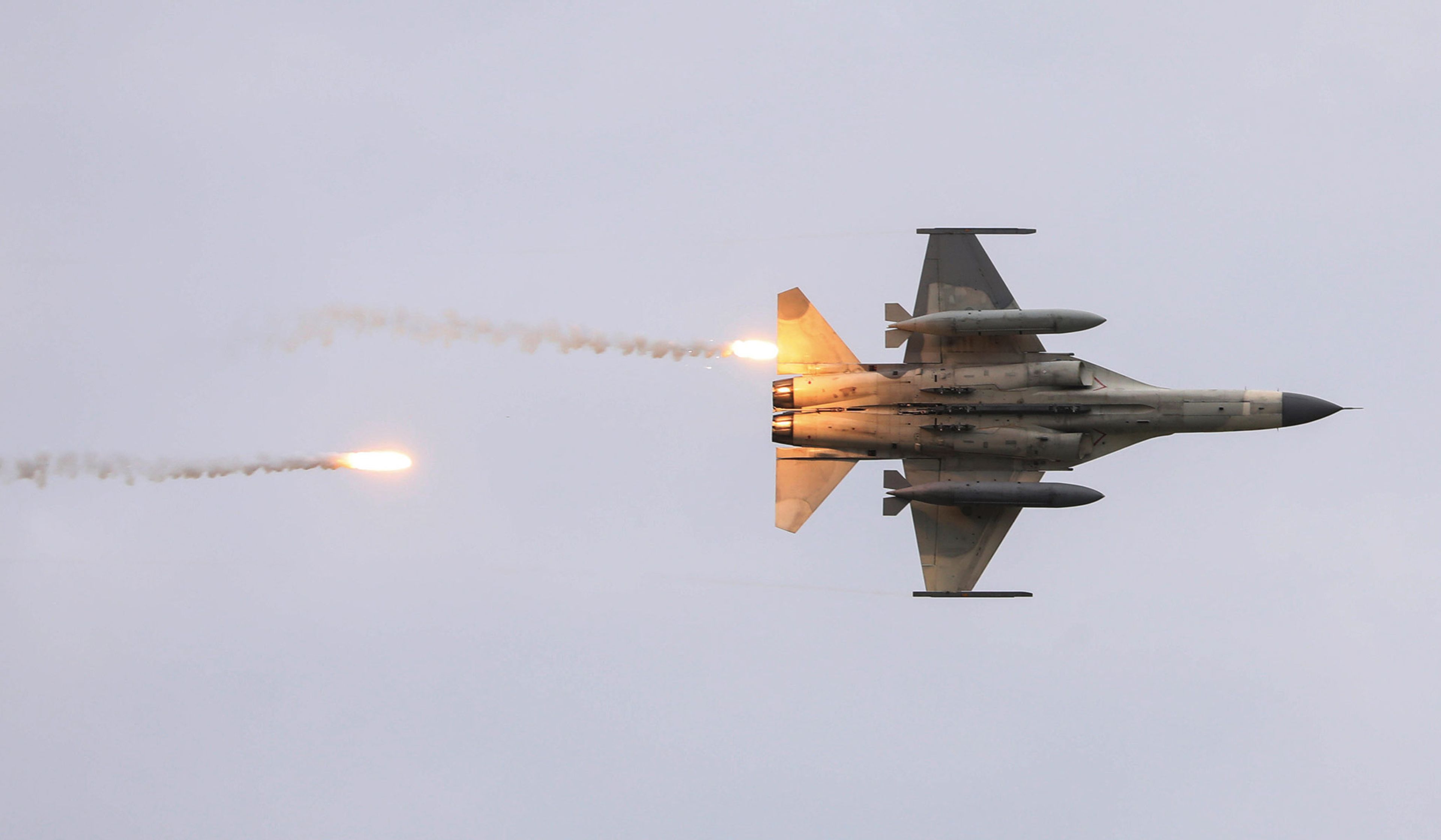
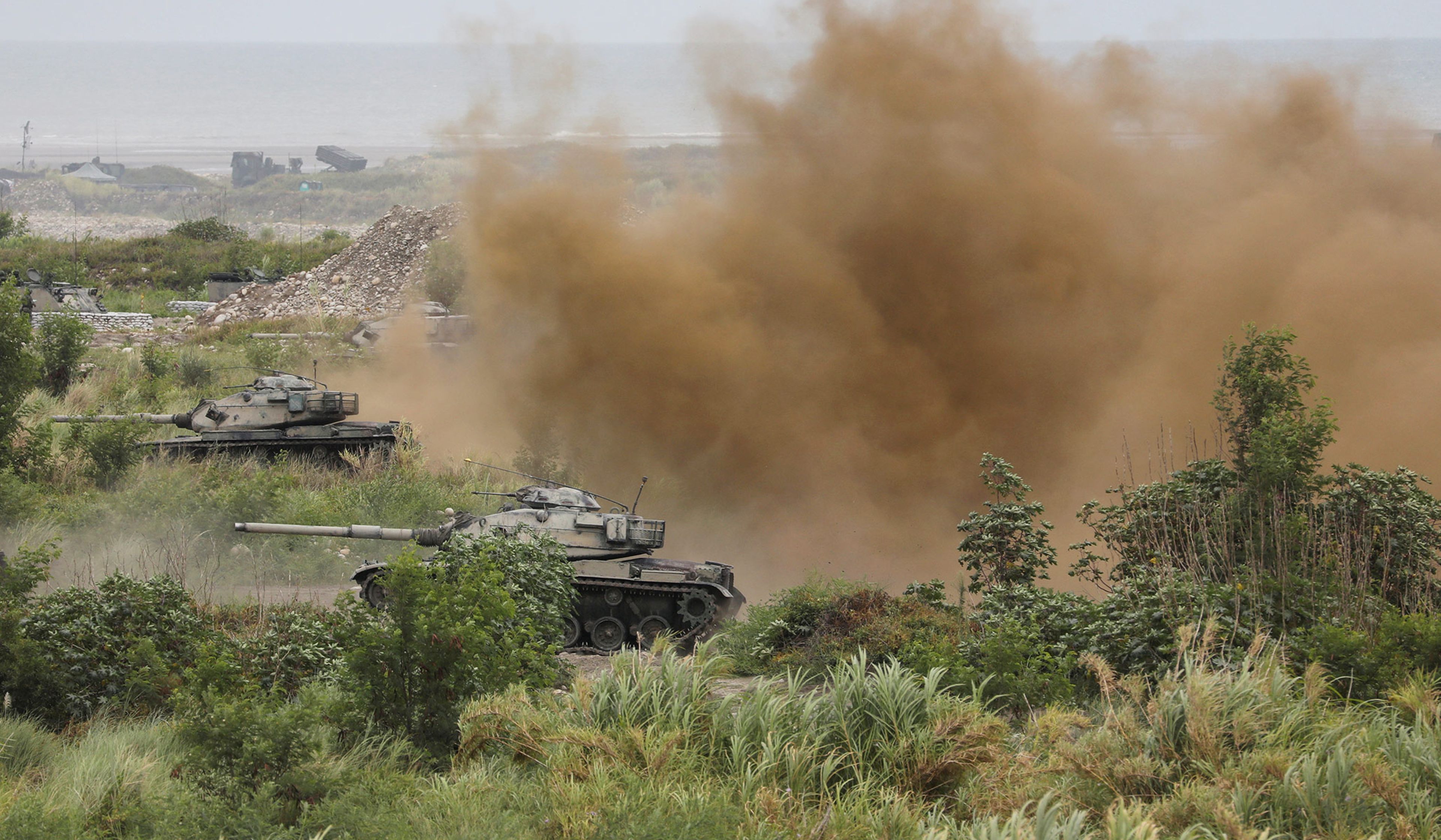
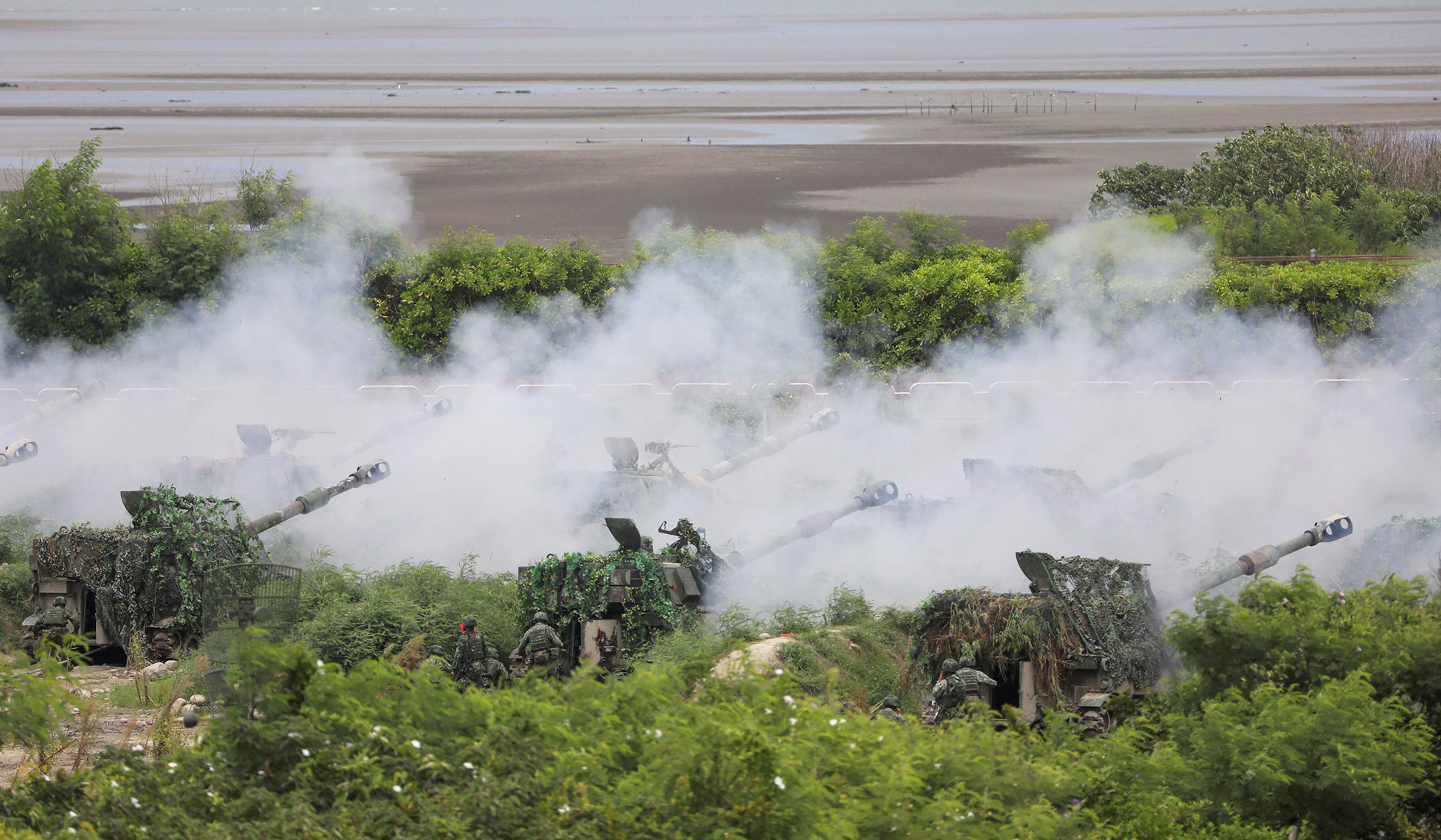
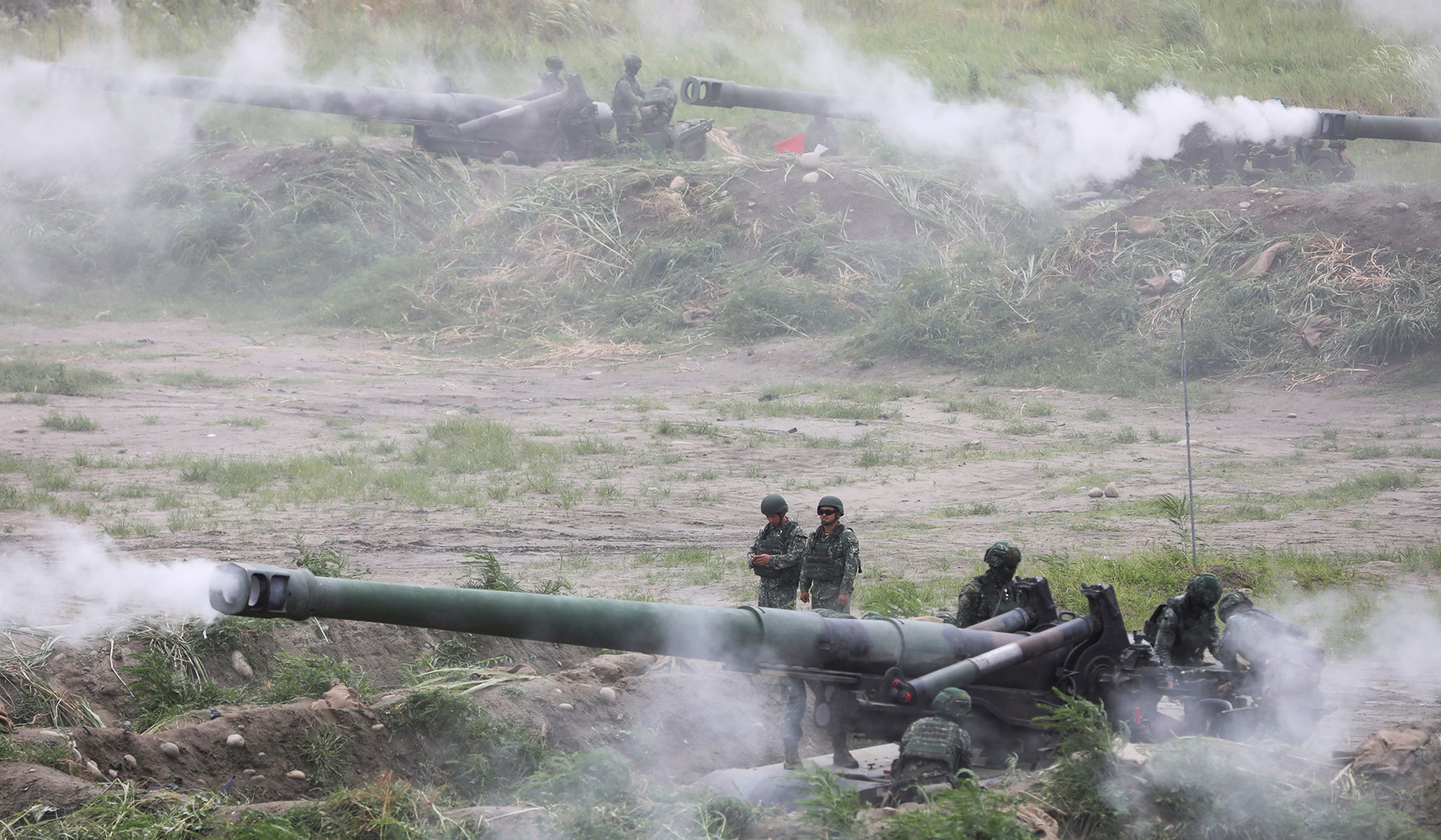
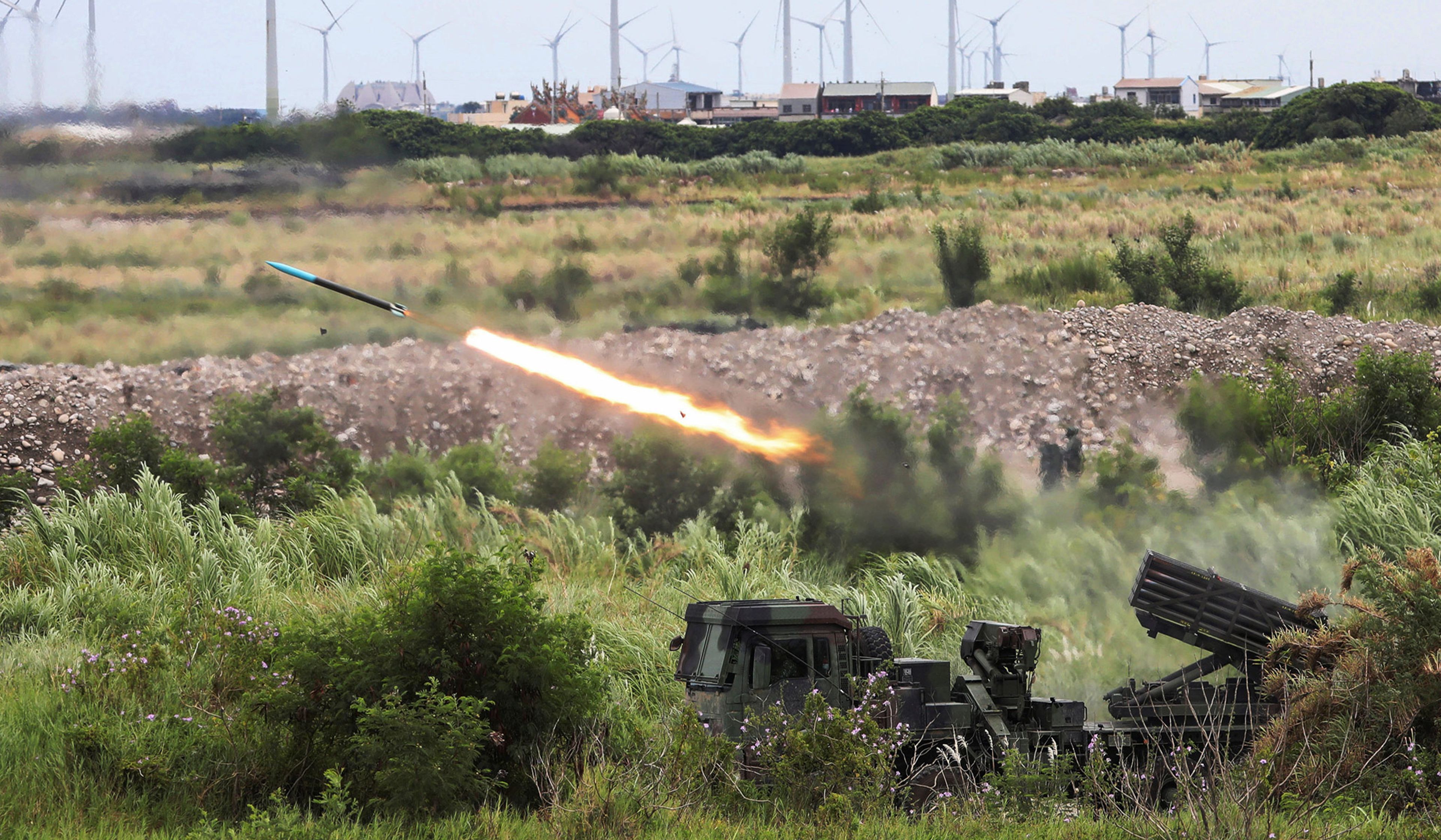
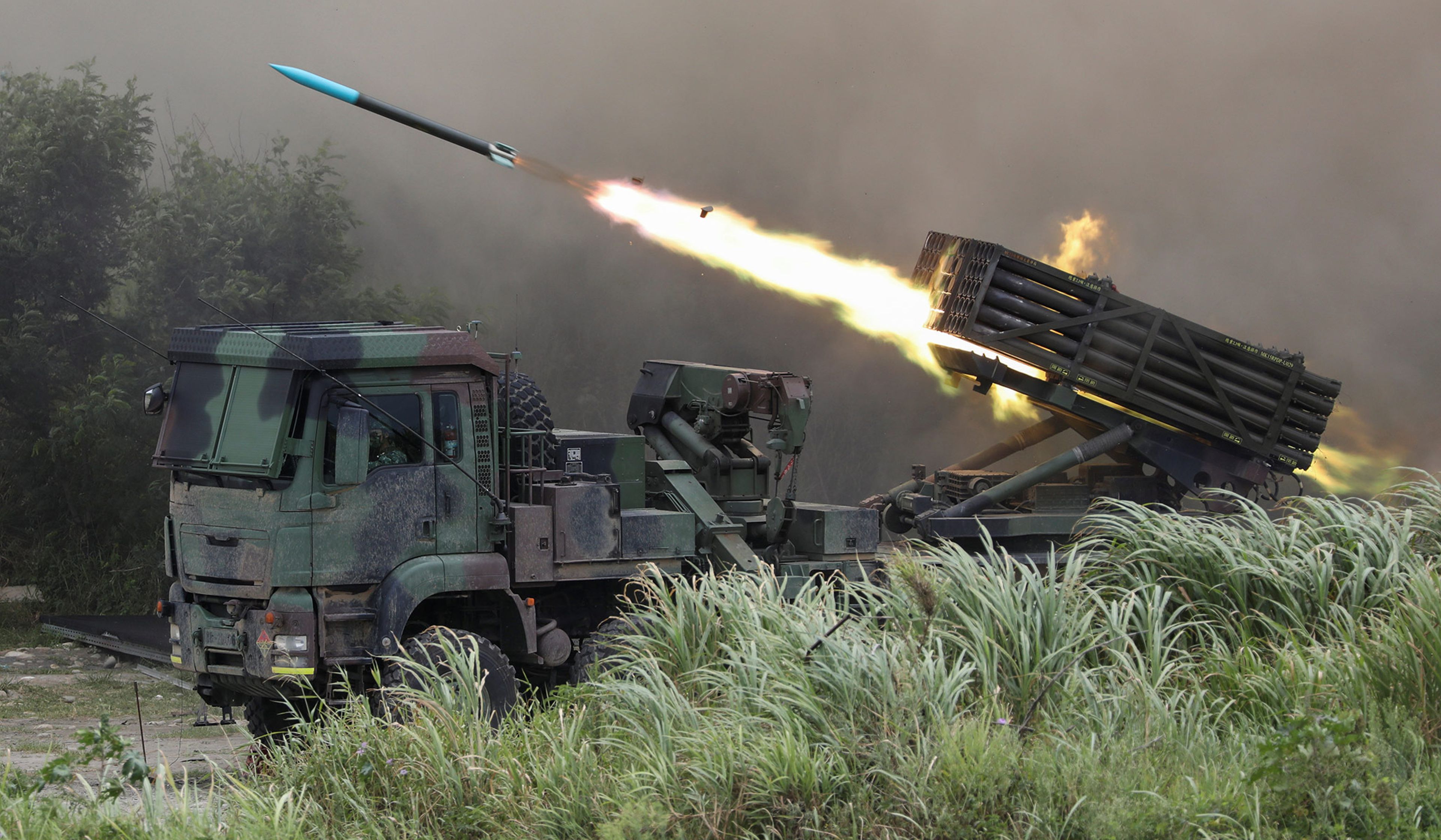
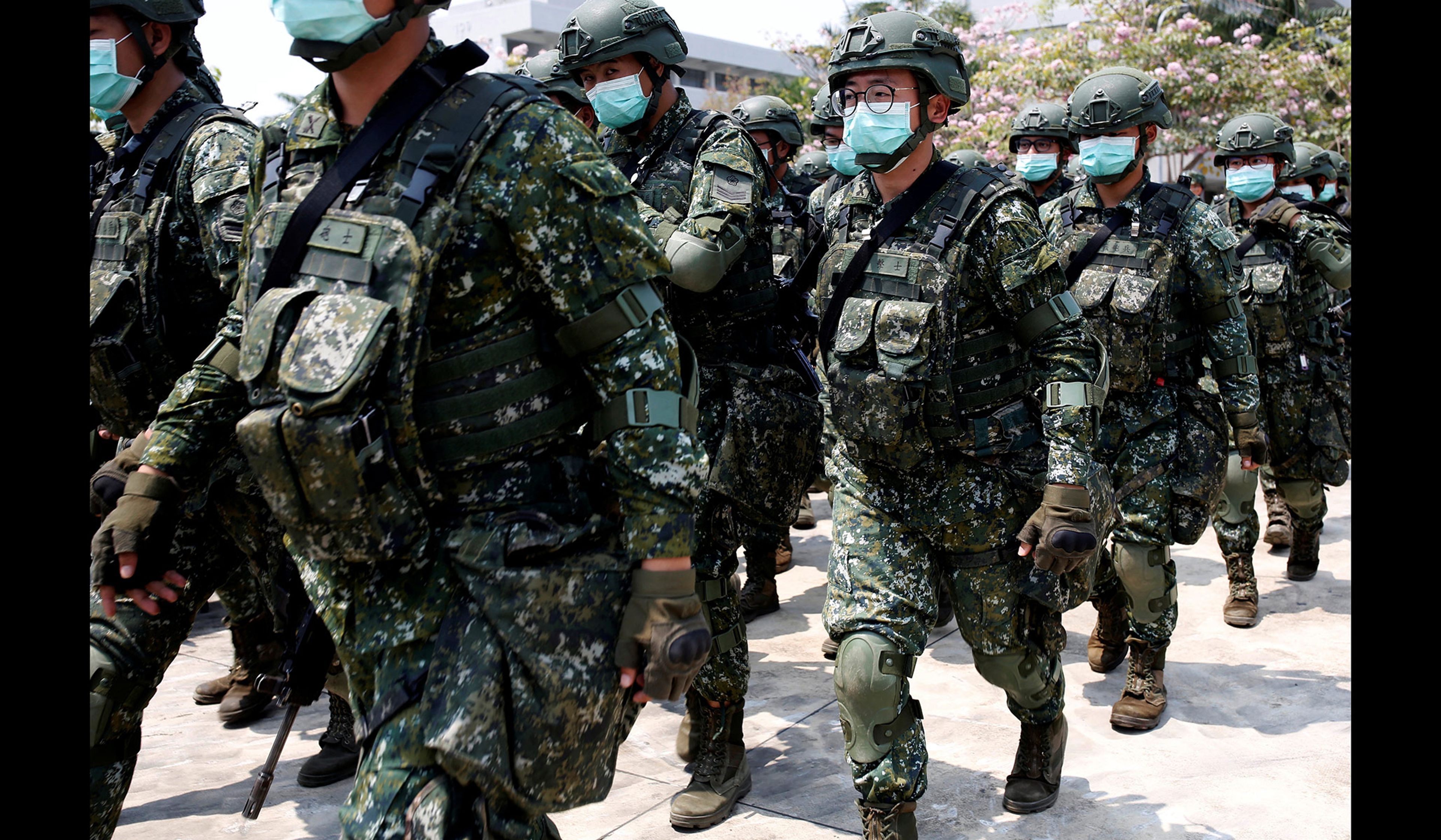
A soldier stands guard during Combat Readiness Week drills in Hsinchu, Taiwan, October 29, 2020.
Ann Wang/Reuters
Very well, some may say. Confronting China over Taiwan risks calamitous war, more than optimists estimate. Beijing might not be deterrable over the issue. But that in itself is not a decisive argument against stepping in. If the consequences of not risking war over Taiwan are the collapse of America’s alliances, as well as China’s running the table, then the U.S. has no prudent choice but to run the risk, some argue. It must roll the dice, doing everything it can to forewarn Beijing with the prospect of overwhelming force.
So if China did conquer Taiwan, what would likely happen next?
To be sure, it would be a terrible event. There would be fallout. It would strain alliance relations and polarize opinion. Beijing would declare its ascendancy. Domestic criticism would be intense. Nonetheless, it would probably not result in the collapse of America’s alliances, or in China’s taking over as the leading regional power.
If the U.S. were to offer only help short of war, and not go to the brink, this would not destroy America’s position or usher in China’s hegemony in Asia. Allies are capable of distinguishing between Washington’s willingness to risk nuclear conflict on behalf of an ambiguous commitment, over an issue of unique importance to China, and its willingness to support treaty allies in peril. Allies would be mindful of the singular intensity of the issue, the supreme value that Beijing attaches to Taiwan. In a crisis, many would not straightforwardly demand escalation from the U.S. but, as things worsened, would fear being dragged in.
A Chinese attempt to prey on Taiwan could precipitate a hostile reaction, as countries would have incentives to harden their efforts at counterbalancing China. Consider what has already happened in the region recently as a result of China’s gloves-off intimidation: missile proliferation and increased defense budgets in Australia, Japan, and South Korea; AUKUS (the new security pact between Australia, the United Kingdom, and the United States); the tightening ties of the Quad (the U.S., Australia, India, and Japan). Consider also that even more-ambivalent states that prefer to hedge, such as the Philippines, have announced such measures as renewed bilateral military exercises with the U.S. Across a spectrum of areas, from legal tribunals to fishing standoffs, territorial disputes to hard military build-ups, reluctant states are steadily doing more to counterbalance China, whether in building balancing partnerships or seeking more independent capability, and not just to counter piracy.
This is how third parties react to intimidation and saber-rattling from Beijing, allocating more resources to their defense, even in a time of COVID-era economic strain. If the U.S. is willing to help, therefore, the main consequence of China’s aggrandizement would be not countries falling like dominoes but the creation of counter-power in a region that still has great untapped balancing potential. By staying in the region to give other countries a pole to balance alongside, the United States could increase the chances that a counterbalancing coalition would form.
Attacking and occupying Taiwan would not just enlarge China’s power but consume it. Even under optimal circumstances, amphibious invasions and opposed landings are difficult tasks. Estimates vary. Still, according to the U.S. Department of Defense in its latest assessment, an attempt to invade Taiwan would likely “strain” the PRC’s armed forces, inflicting “combat force attrition.” Even in the event of a successful landing and breakout, it would possibly present added problems of “urban warfare and counterinsurgency.” And by swallowing Taiwan, China would acquire a demanding problem. Holding down its new subjects under surveillance would divert manpower, resources, and time. Even the great economic prize of conquest, Taiwan’s semiconductor foundries, would be disrupted, dependent as they are on intellectual property, machinery, chemicals, and custom supplied by the U.S. and allied firms. Recovering from all this would hardly leave Beijing spring-loaded for fresh military adventures.
The military advantages of capturing Taiwan would be substantial but not game-changing. It would allow the PLA to base sensors and air-defense systems on the eastern side of the island, extending the effective vision of China’s air-defense network farther into the Pacific. Access to Taiwan’s ports and airfields would improve the PLA’s anti-submarine coverage, and possession of the island would allow more access to the open ocean for PLA navy submarines.
Yet barriers to China remain. A combination of distance, water, and access-denial military technology enables countries to raise the costs and blunt the progress of any interloper. Taiwan is not the equivalent of Nazi-controlled Czechoslovakia in 1939, in a contiguous, continental Europe ripe for expansion and containing ideologically sympathetic partners. It is a maritime, nuclear environment of forbidding geography, defined more by sea denial than sea control. As a conqueror’s platform, Taiwan may be an “unsinkable aircraft carrier.” It is also, still, an immobile one, its bases and ports in the crosshairs just as much as neighboring countries.
To be sure, the strains of distance, the imbalance of defense over offense, and the vulnerability of forward bases also afflict the U.S. But if America can no longer predominate as it once could, it can still be the arsenal of resistance, doing more of what it is doing now: strengthen the capacity of other countries to help execute a strategy of denial and to limit China to stalemate, making it hard and costly for Beijing to achieve mastery of the region.
If China did move on Taiwan, what should the U.S. do? Not nothing. As Michael Mazarr and I argued in a Lowy Institute paper, Washington should continue to help arm and prepare Taiwan and punish China in ways short of war. It can provide early-warning intelligence, presenting Beijing with the unpalatable choice between a prior build-up that reduces the chance of surprise, and attacking, underprepared, from a standing start. In the window before hostilities, America could do what it has done superbly before: donate matériel by sealift or airlift. It could also use nonmilitary tools, including coordinated economic sanctions with the EU, Japan, Australia, and others.
And it should help the countries of the region contain China’s wider bid for hegemony. If the worse came to the worst, there are things the U.S. could do to inflict attrition on China and rally opinion. In the longer term, this could include a program for gradual economic decoupling — something few countries are willing to consider today but that could be promoted as a geopolitical necessity in the wake of an attack. It could include a freeze on American assets in China and an end to dollar-based transactions. It could seek to confiscate selected Chinese-operated and -owned investments around the world. It could start a new effort to acquire iron-clad commitments to freeze Chinese information-technologies companies out of the digital infrastructures of other countries.
So between going “all in” and stepping back passively, Washington should steer a middle course. It should confine its role to being Taiwan’s armorers, not its guarantor. This is unsatisfying. But it reflects the unsatisfactory nature of the predicament. The United States cannot meaningfully win a war over Taiwan and may not be able to deter China, given Beijing’s inherent advantage of greater resolve. Not fighting will merely leave Washington with a world of problems. There are no good choices. But managing the fallout would be a wiser choice, compared with getting into a conflict that could easily escalate out of control, which would more directly destroy America’s position in the region.
Given what’s at stake, it falls to countries beyond America to do what many have started, shouldering more of the burden, rather than hoping that a great and powerful friend will relieve them of painful choices. In Europe, it means doing more to enable Washington to concentrate its efforts in Asia. Now that a unipolar era has yielded to a harsher, multipolar age of iron, this is a question for us all.
Editor’s Note: Read Elbridge Colby’s response, here. This article has been updated since its original publication to clarify that the Senkaku Islands are in the East China Sea.












Comments