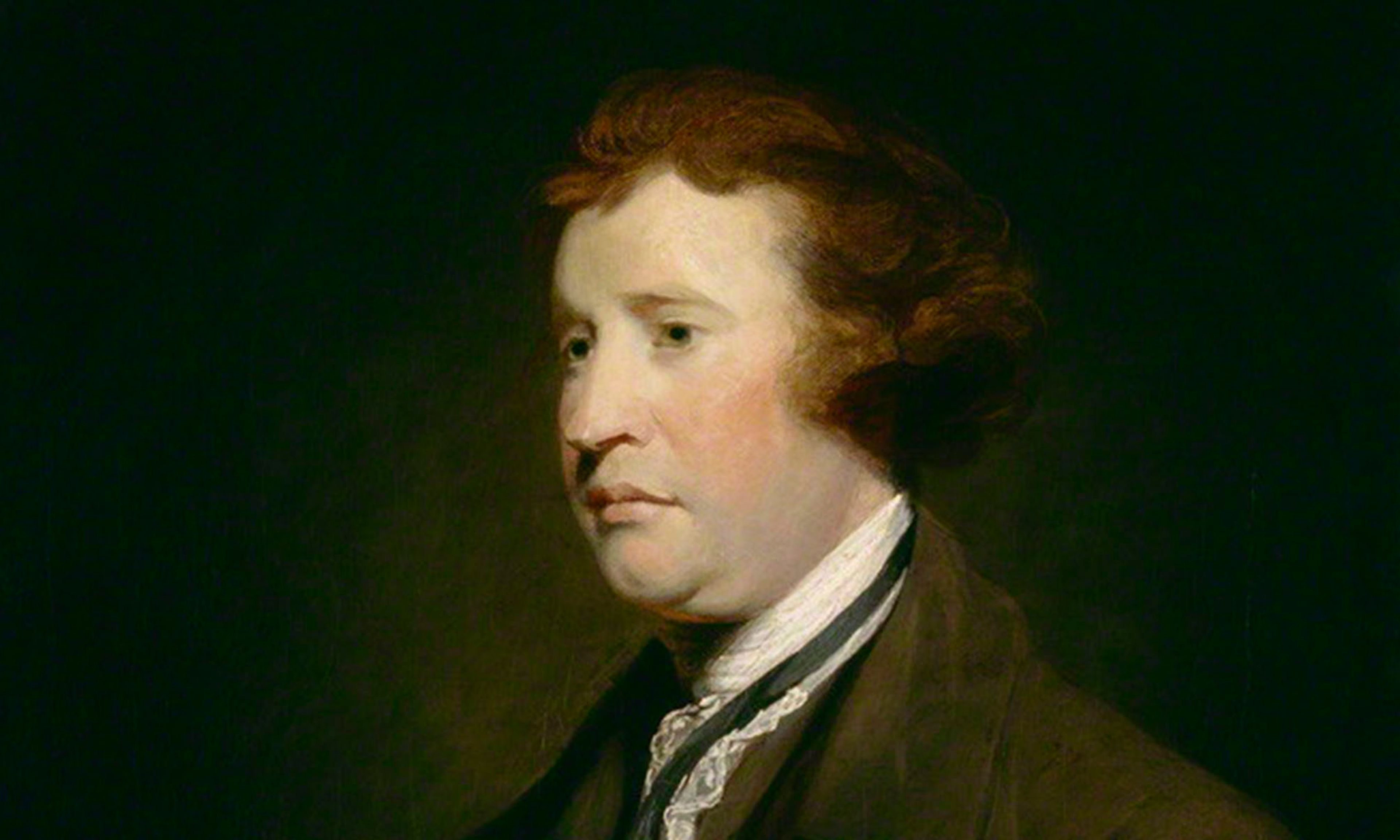
Edmund Burke and Thomas Paine were contemporaries who shared the view current in the Age of Enlightenment that government and society could and should be perfected. Coincidentally, both were also masters of language. From the storms and upheavals of their day, however, they drew very different conclusions about how to achieve the desired social perfection. In short, Burke argued for reform, Paine for revolution. In most parts of the world today the political process still veers between the opposing poles of continuity and the clean break.
In public life, there are frequent references and compliments to both men as well. At a moment when Margaret Thatcher, as prime minister, was confronting a strike with a revolutionary potential, I happened to hear one of her advisers lament, “Mr. Edmund Burke, where are you now we need you?” And, in a set-piece address, President Reagan — of all people — showed himself captivated by language rather than the thought behind it when he appropriated with approval one of Paine’s most rousing challenges: “We have it in our power to begin the world over again.”











Comments