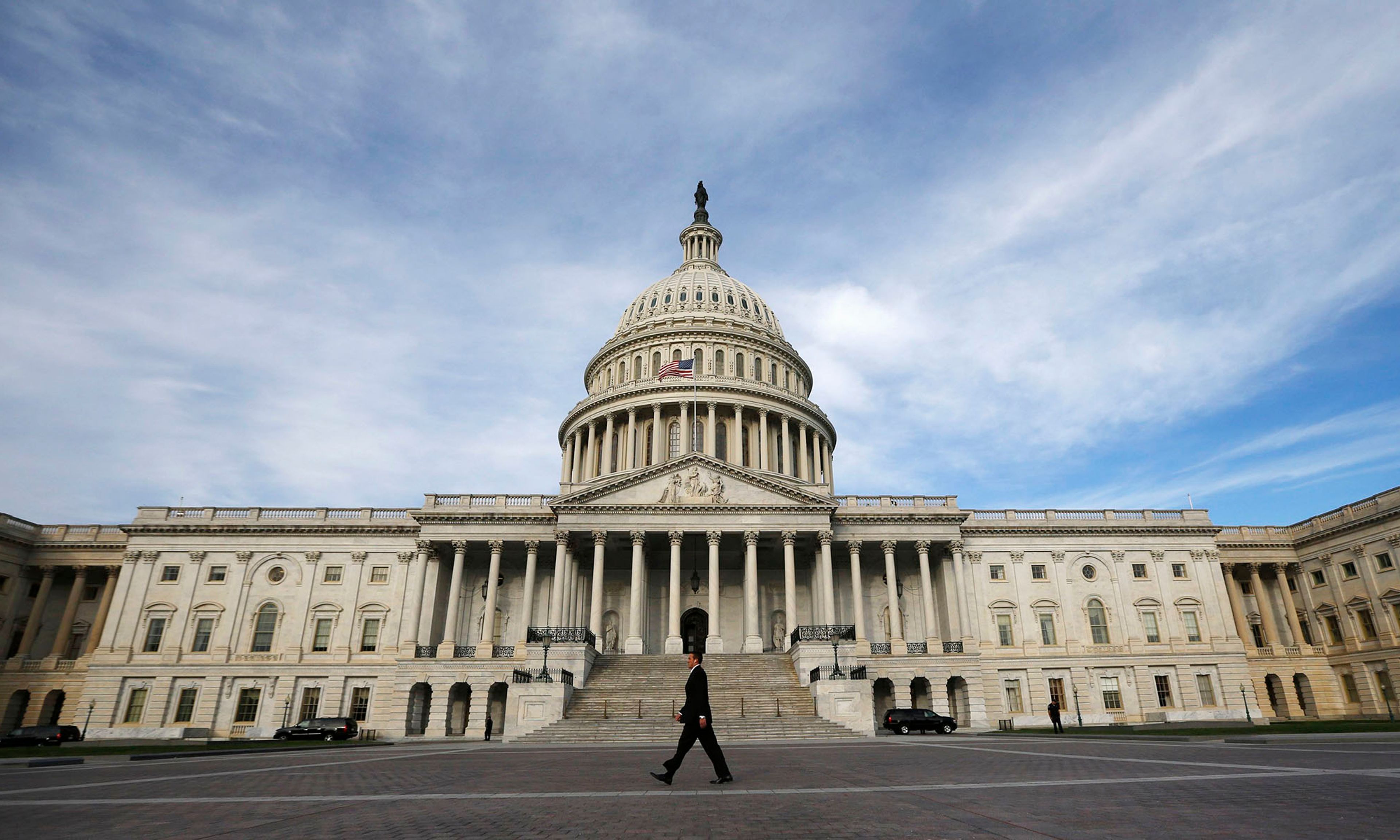
Despite the Democratic party’s losses in November’s elections, President Obama has audaciously begun ignoring constitutional restraints in order to impose his policy views. This is true not only on domestic issues, such as immigration and Obamacare, but now in foreign and defense policy too. Checking Obama’s misuse of his foreign-affairs powers should be a top priority for the new Republican majorities in Congress.
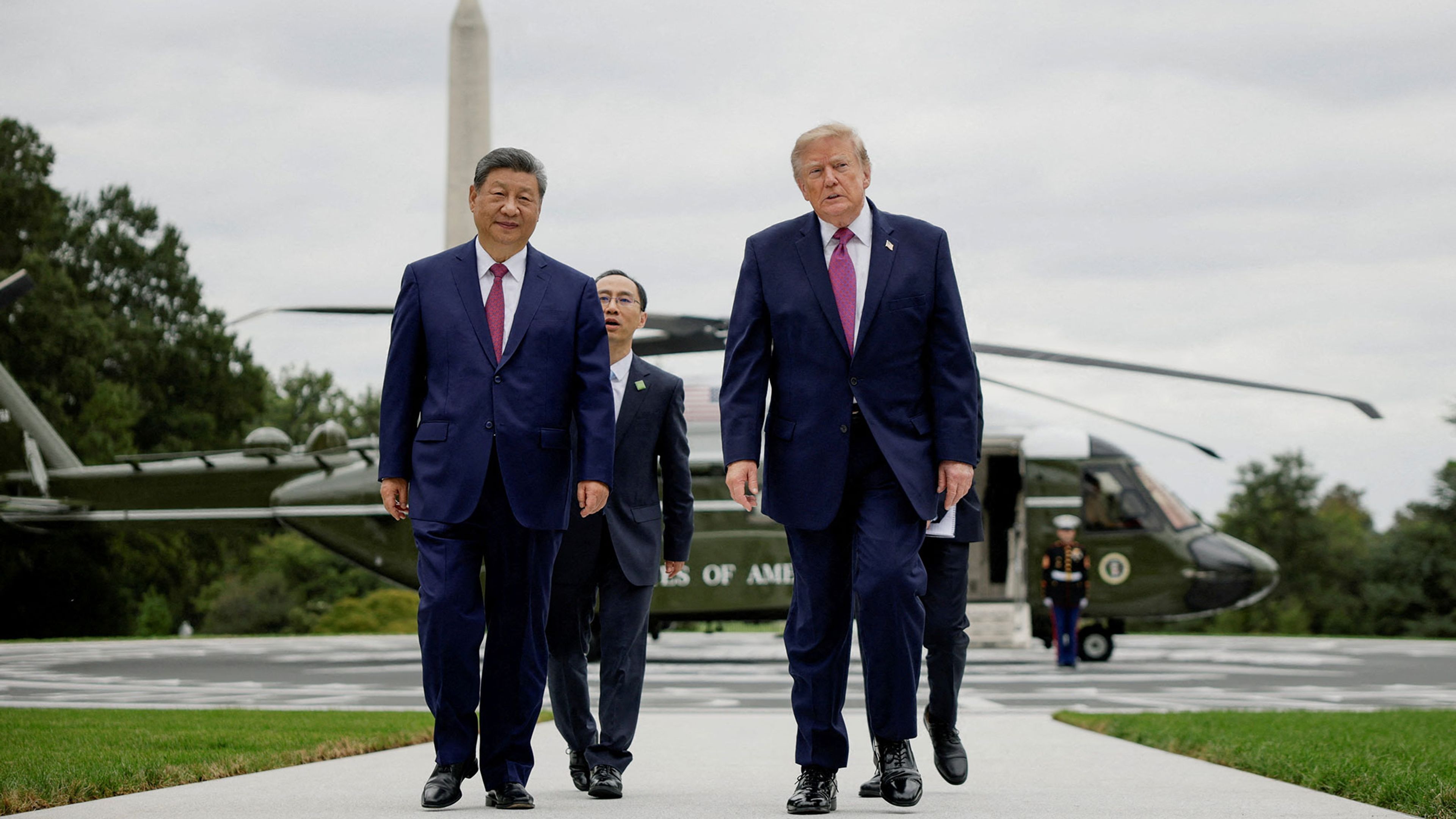
Obama’s worldview demands major departures from traditional American foreign policy and threatens to use international agreements to transform domestic policy. For example, as part of his crusade against global warming, Obama signed an amorphous agreement with China last month, ostensibly committing the parties to limit carbon emissions. The president will surely invoke it as a legal basis for sweeping executive orders on climate change. Similarly, now that the president has signed the Arms Trade Treaty (which has no chance of Senate ratification), he may attempt to limit firearms sales through executive action.










Comments