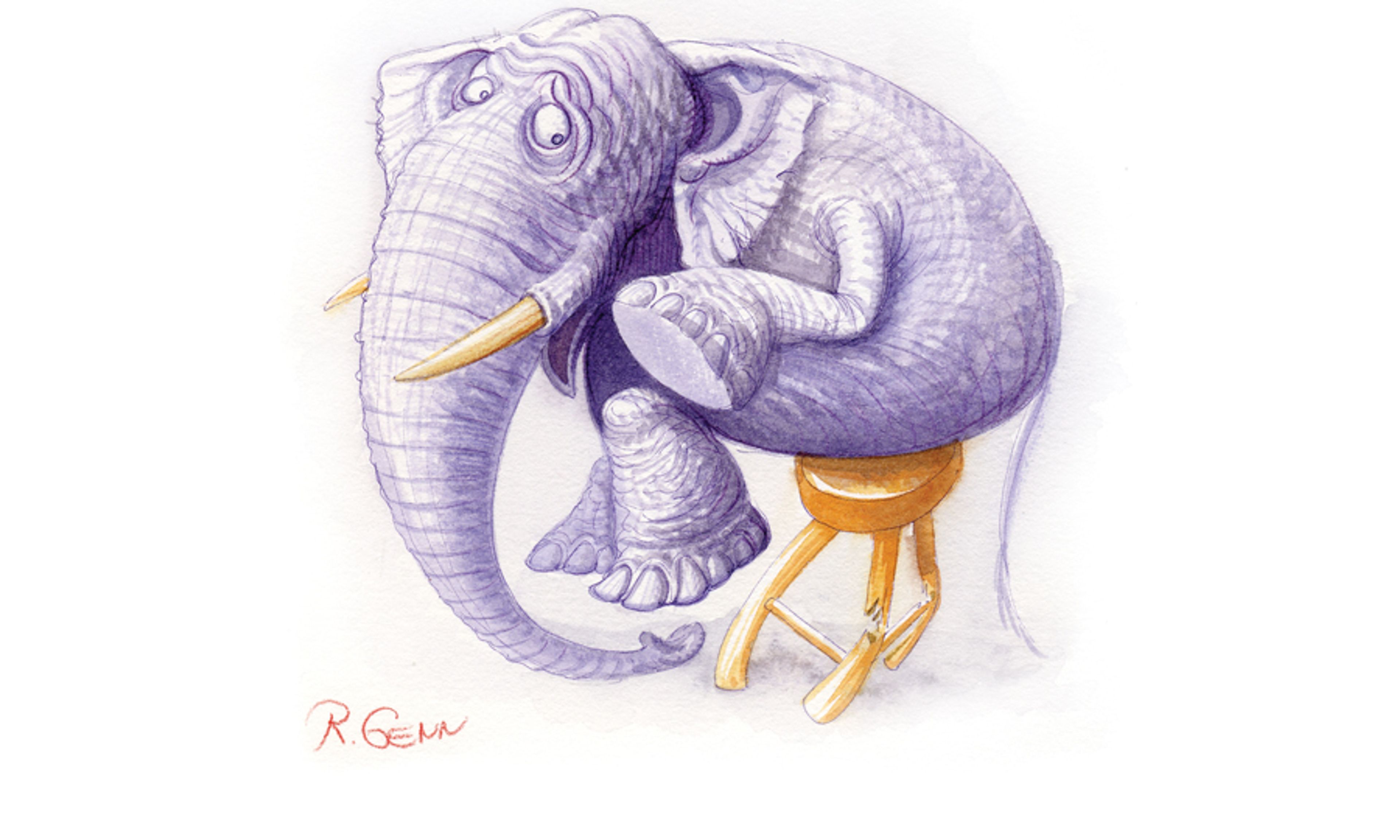
Republicans have always understood that their party’s tent is home to different factions. But they have long tended to perceive these factions — the grassroots base, the business Right, the conservative movement, and the governing-party establishment — as deeply united by a way of thinking, and not just by transactional relationships.
For two decades and more after the end of the Reagan era, Republicans implicitly thought of this coalition in terms we might roughly describe as “The Four Modes of Phil Gramm.” Gramm, the former senator from Texas, was an ideal full-spectrum-conservative Republican. He was a homespun populist pouring his common sense like ice-cold water over liberal eggheads. He was a libertarian economics professor who believed in markets because he could do math. He was a wonk-intellectual deeply conversant in the vocabulary of modern conservatism. And he was a prudent politician who could cut a deal. So Gramm could be fully at home among the grassroots activists, the businesspeople, the conservative thinkers, and the politicians, but in every case he was a purist conservative of a particular sort.










Comments