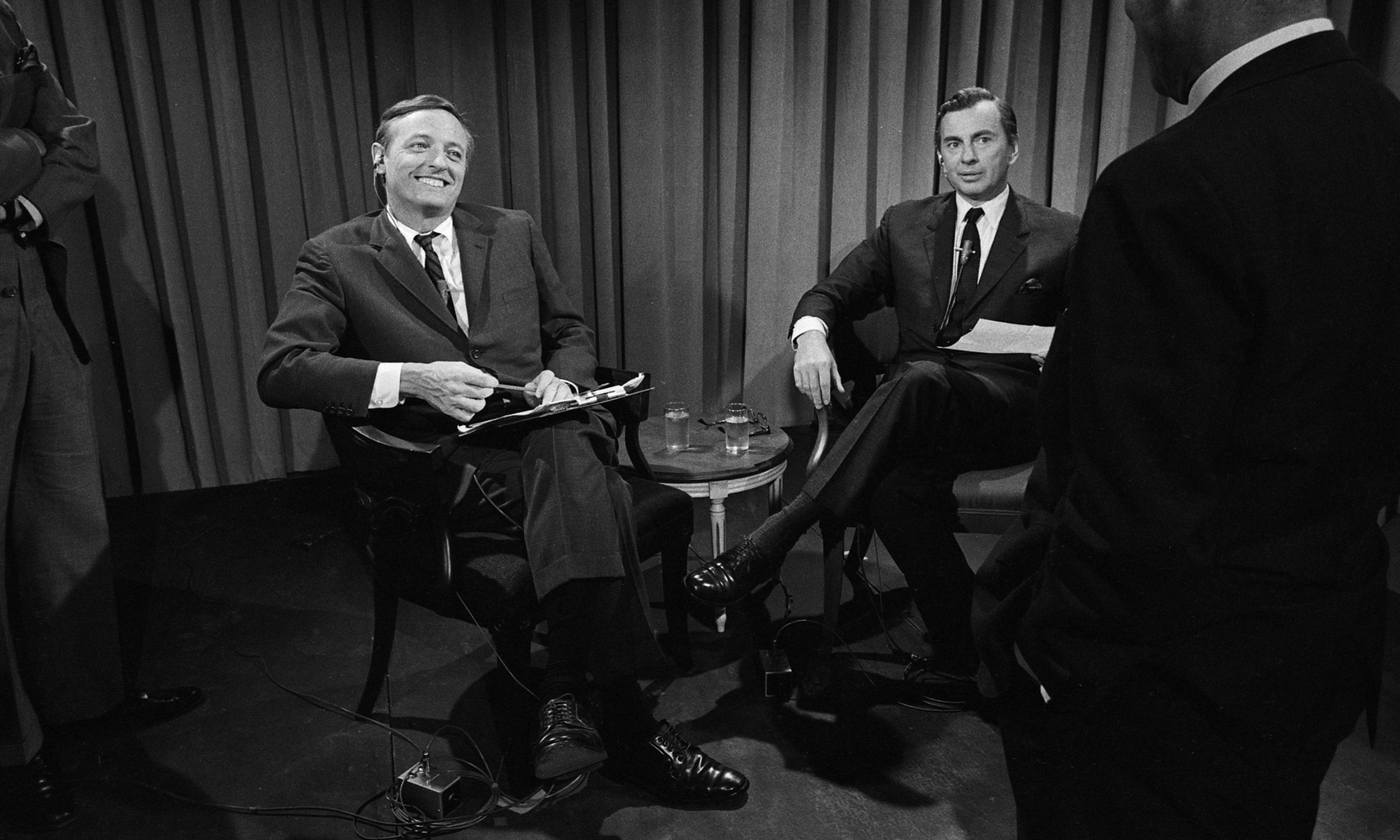
The clock is finally running out on Gore Vidal. He got lucky (if you want to call it that) when Best of Enemies, a documentary about his televised skirmishes with William F. Buckley Jr., was released a few months before the publication of Jay Parini’s Empire of Self, the second full-length biography of the author of . . . what? Myra Breckinridge? Live from Golgotha? Scarcely anyone now reads or remembers any of Vidal’s novels, nor were they well thought of in his lifetime, a fact of which he was well aware, having read the innumerable reviews that declared him to be better at essays. That irked him no end — nobody writes 29 novels to have them ignored — and the fact that he eventually found within himself the ability to churn out everything-you-know-is-wrong historical novels that sold by the truckload to the booboisie can have soothed his pain only to a limited degree. It did, however, make him rich, thus allowing him to spend his dotage explaining at endless and enervating length why capitalism was a crime, democracy a delusion, and Timothy McVeigh a victim.
To be sure, Vidal did also manage to write one good play, The Best Man, but none of the other plays and screenplays with which he paid his rent in the Fifties and Sixties amounted to much more than potboiling. As for his seven middlebrow historical novels, Andrew Ferguson said the last word about them when he declared that their author “filled more readers’ heads with more historical crapola than anyone since Parson Weems.” The essays, too, are fast approaching their sell-by date, fueled as they are by a narcissistic nastiness that sold magazines (what will that awful Gore say next?) but loses its zest when enshrined in book form. Indeed, one would be hard pressed to quote from memory anything that Vidal ever wrote, though two of his quips, “Never miss a chance to have sex or be on television” and “It is not enough to succeed — others must fail,” retain their currency. Alas, he stole the second from Iris Murdoch, and the first is not nearly so clever as he supposed, though he lived by it for as long as he could.











Comments