When I moved to the city, Jews were the It ethnics. The first Jewish mayor, the little accountant, had been succeeded by the second, the tummler. The comedian who had an apartment on one flank of Central Park and a lover on the other was in every movie theater. The Second Avenue Deli was still on Second Avenue, where it displayed old photos of stars of the Yiddish theater and employed a waitress whose icebreaker was “Have a straw [ = Haverstraw], it’s upstate.” Jewish concerns were assumed to be everyone’s concerns, Jews had solutions for their own and everyone’s problems. Jews had earned their omnipresence. Descendants of Torah students churned out articles and arguments; descendants of refugees churned out jokes (one thing you can always do with a problem is laugh at it).
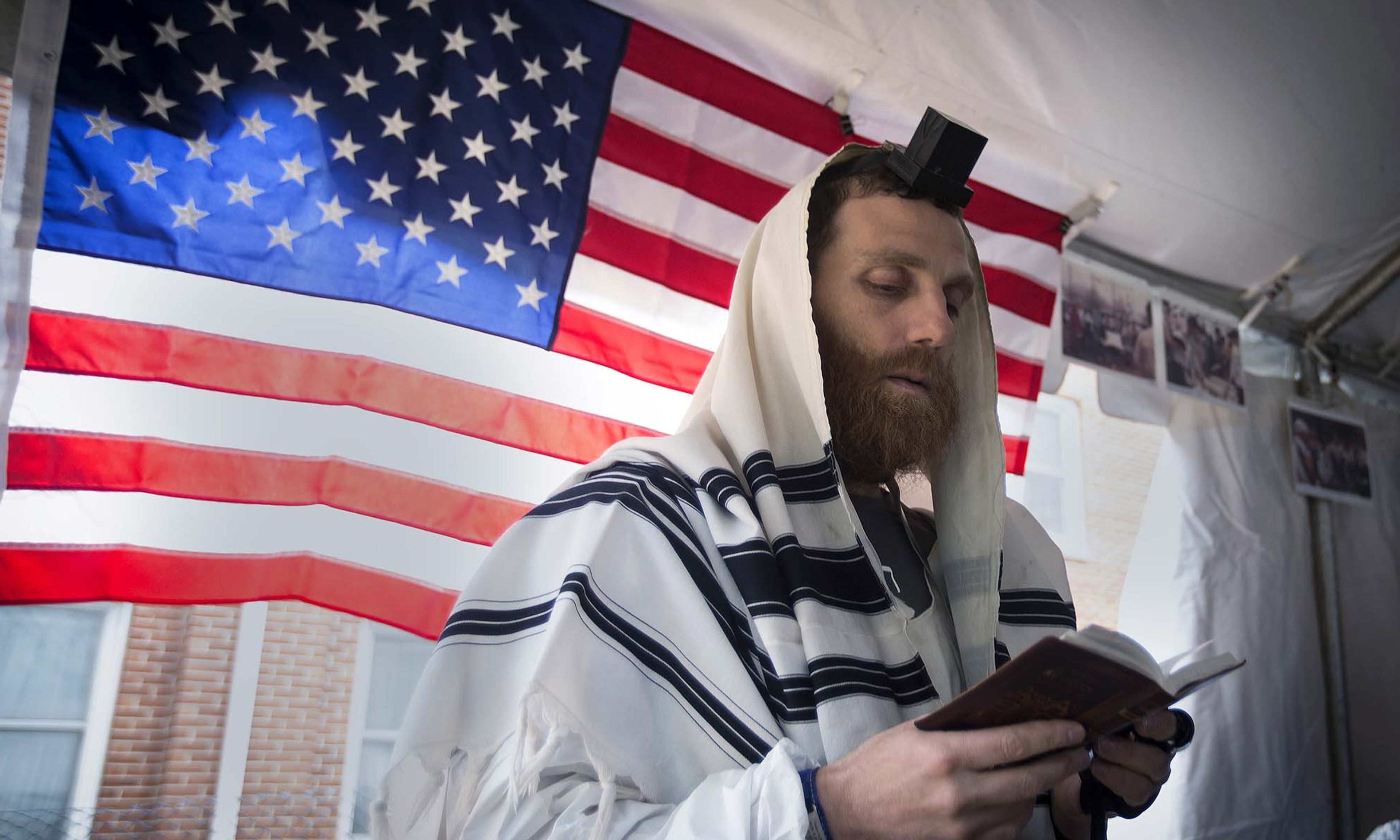
So what happened? One factor was a change in the composition of Jewish city-dwellers. The Jewish population in the city had actually been declining before it bounced back up in the new millennium. But much of the rebound was owing to the fecundity of the ultra-Orthodox. Twentieth-century Jews looked like the urban-working, then the middle class, because those were the worlds they belonged to. The ultra-Orthodox, especially on holidays, look like 18th-century Polish gentry because that is the world they belong to. It limits mixing.









Comments