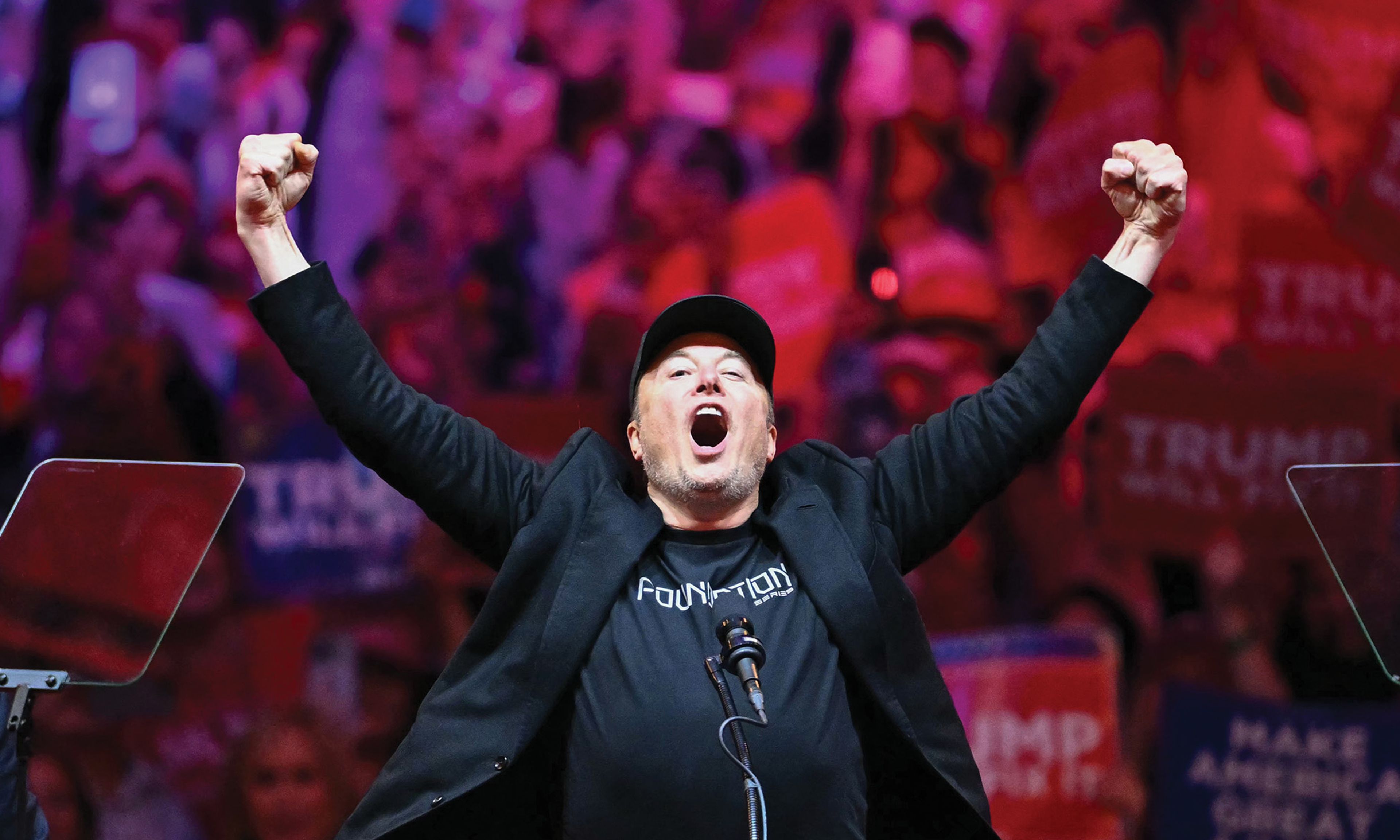
In a postelection interview with the Free Press, Silicon Valley billionaire Peter Thiel said that, in the weeks leading up to the election, he reached out to Elon Musk to say that he had finally come around to Musk’s view of the stakes of the election. “If Trump . . . could not win in 2024 against the Machine, the Machine would always win,” Thiel said, recalling Musk’s thinking. “And if the Machine always wins, you no longer have a democracy.”
Thiel was one of the few heretics in 2016, supporting Donald Trump when most Silicon Valley power players took the other side of the bet. After the twin shocks of Brexit and Trump’s victory, Silicon Valley was scapegoated by liberal elites such as Angela Merkel and Barack Obama. Consequently, much of the Valley was rigged to a machine of public–private censorship aimed at preventing another Trump victory. This globally influential machine also intervened on behalf of progressives in Ireland’s social-policy referenda in 2018. During the pandemic, it allied itself to public health bodies around the world as an opinion enforcer. Shortly before the 2020 election, Twitter famously suppressed the New York Post’s report on Hunter Biden’s laptop under the false pretext that it was part of some kind of foreign disinformation campaign.
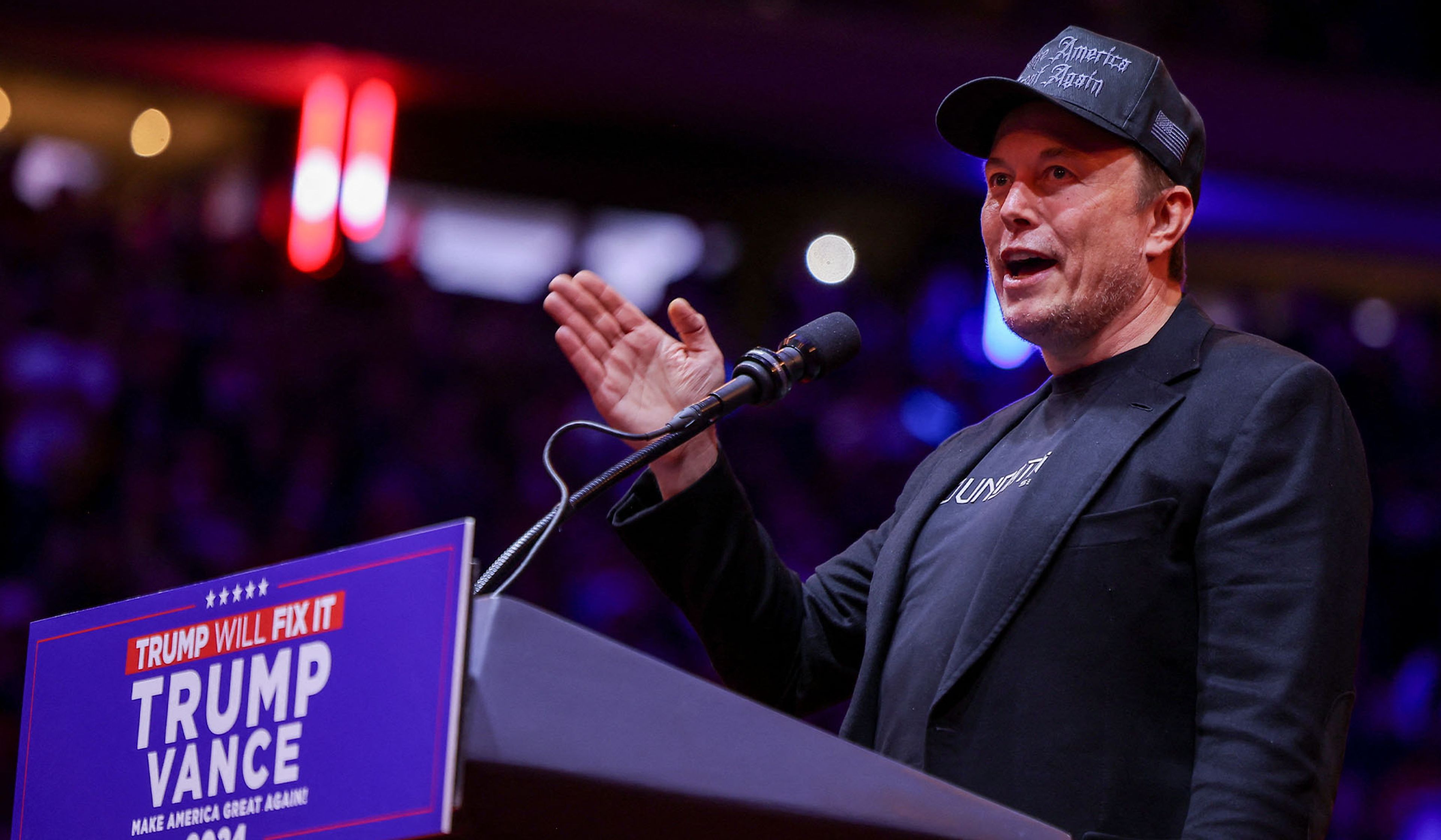
But something was happening to Elon Musk. Improbably, in 2024, Musk succeeded Peter Thiel as the leader of influential heretics who supported Trump’s election. Whereas Thiel is cerebral and sometimes self-doubting, Musk is boyishly enthusiastic and sometimes even emotionally unhinged in his support of Trump. Though he is the richest man in the world, the most important thing about his move to the right isn’t his considerable financial patronage (at any rate, his money is mostly tied up in his enterprises). No, it’s something else, something in his manic, iconoclastic persona. Musk is aspirational. As a business pioneer via Tesla, Starlink, and SpaceX, he has forever associated himself with luxury sports cars and a renaissance in rocket and satellite technology. These industries are powerful sources of American nostalgia and symbols of American progress. His political transformation, and the bold risks he undertook personally to disrupt “the Machine,” may be the most consequential development in the Right’s favor in decades.
Theoretically, conservative parties should attract the support of incumbent elites because conservatives tend to view themselves as protectors of civilizational inheritance, and they typically have a strong status quo, anti-disruption bias. And yet, over the last several decades, the wealthiest Americans and the affluent more generally, the ones most invested in the status quo, have been trending away from Republicans and toward Democrats. In fact, Democrats now perform better with affluent Americans than with any other demographic.
Analyst Musa al-Gharbi, in his Substack essay “A Graveyard of Bad Election Narratives,” points out that Democrats have become the party of corporate and elite America. Of the 133 politically active American billionaires, 83 supported Kamala Harris. Fifty (including Trump himself) supported Trump. Though Trump outraised Harris in terms of disclosed donations by billionaires, Harris exceeded him many times over in PAC and “dark money” fundraising, through which billionaire bucks often make the difference. Overall, Democrats raised twice as much money as Republicans in this election cycle. Harris won voters with six-figure salaries. Trump won decisively among voters who make less than $50,000 a year. According to al-Gharbi, Democrats this year were “the preferred party of affluent voters; they were the preferred party of highly-educated voters; they were the preferred party of professionals and their employers.”
The trend calls into question how conservatives have structured the post–Cold War economic system. During the Cold War, the success of business was tied closely to the success of the free world and therefore to the American ideal of liberty. Enter big-name conservative patrons — the Millikens and the Richard Mellon Scaifes — who understood that their great fortunes were in some ways built on the wisdom of Madison, Hamilton, Jefferson, and Washington: a legacy of thought guarded by the political Right. In the post–Cold War world, where Communist China is just another market, and sometimes a larger one than the U.S., perhaps successful entrepreneurs are less inclined to see the sponsorship and maintenance of the American political tradition as synonymous with their interests. The Cold War order produced wealth such as that of the Koch brothers. The post–Cold War order produced wealth like that of Laurene Powell Jobs, who now owns the Atlantic.
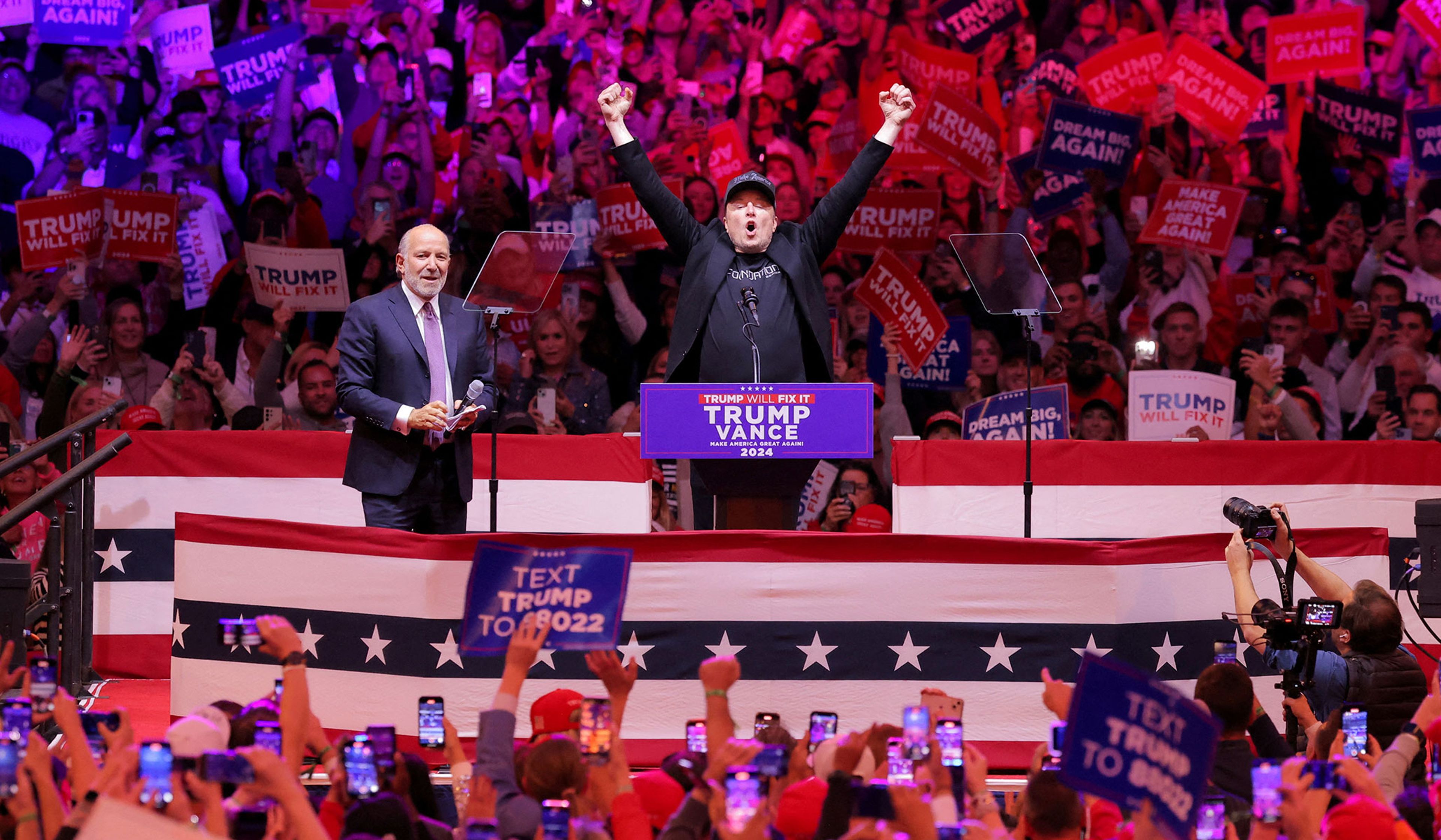
Elon Musk seemed to be another billionaire in the post–Cold War mold, with substantial investments in China. His electric-vehicle business depends, he could have easily decided, on the kinds of subsidies, nudges, and regulations that Democrats are more likely to favor. California’s peculiarly favorable treatment of electric vehicles was a major driver of Tesla’s success, after all. Musk used to describe himself as “half Democrat, half Republican” and a fan of Barack Obama. Now he is dancing around wildly at Trump rallies. What happened?
The easy (and unlikely) explanation is that he has simply made a business bet. That by being a leading voice for Trump, he has positioned his companies well for a coming round of government contracts and the rearrangement of subsidies. This, however, seems shortsighted. His earlier, centrist political persona was far more likely to prevent his companies from becoming political footballs and more likely to position them for preferment. The far more convincing tale is the older and more familiar one of the apostate liberal: The Left’s demands for submission and conformity proved too much for him.
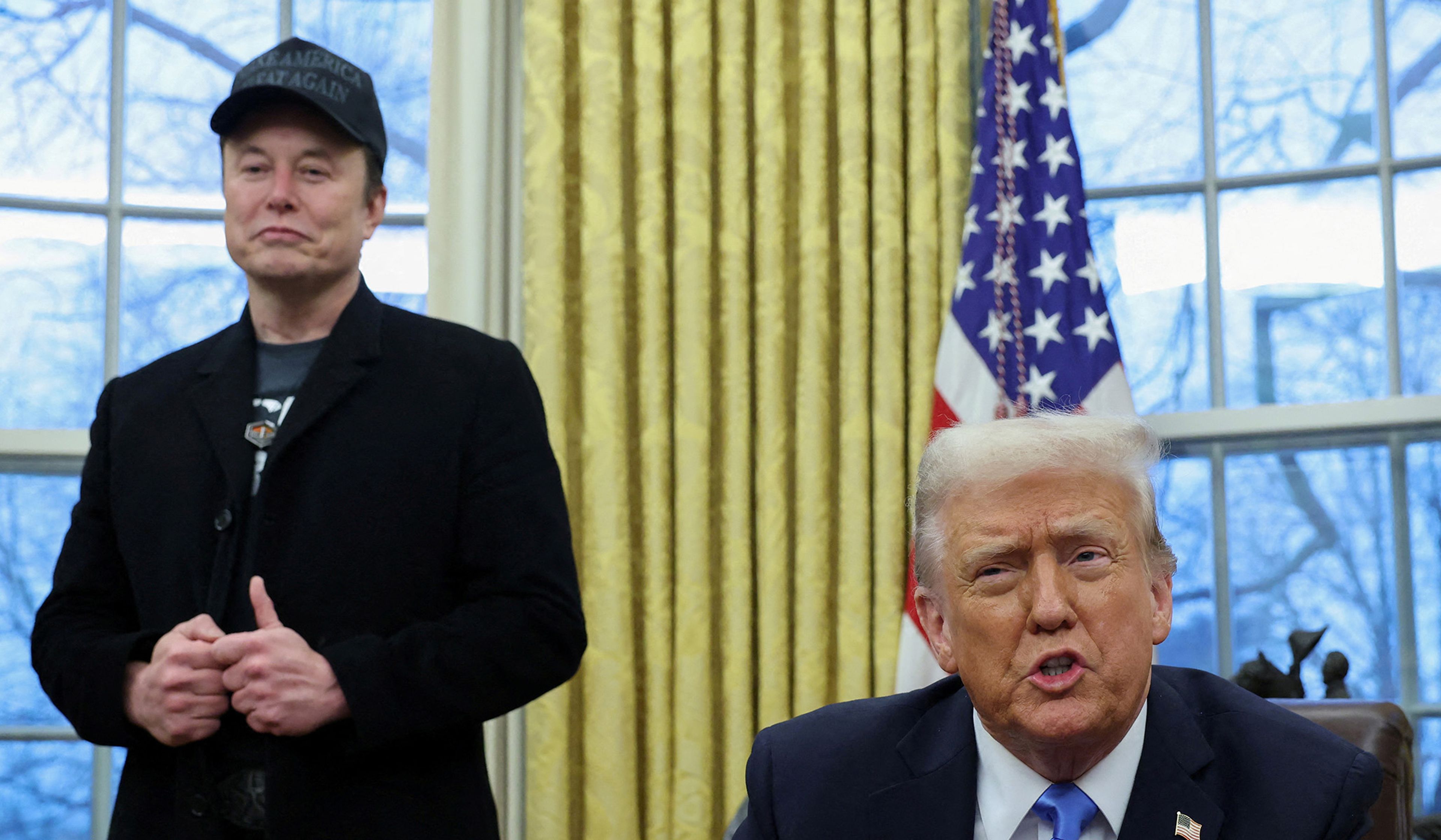
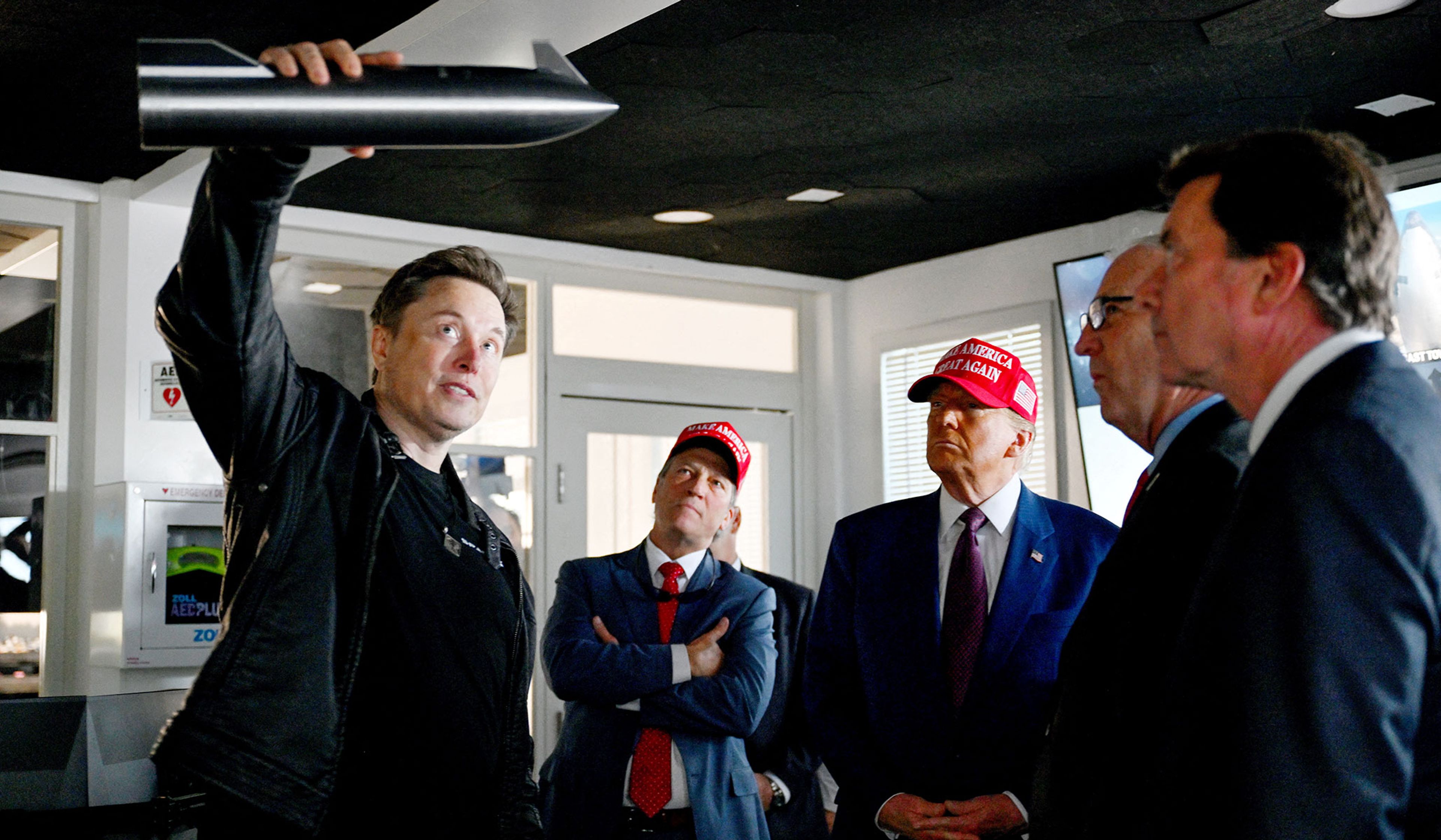
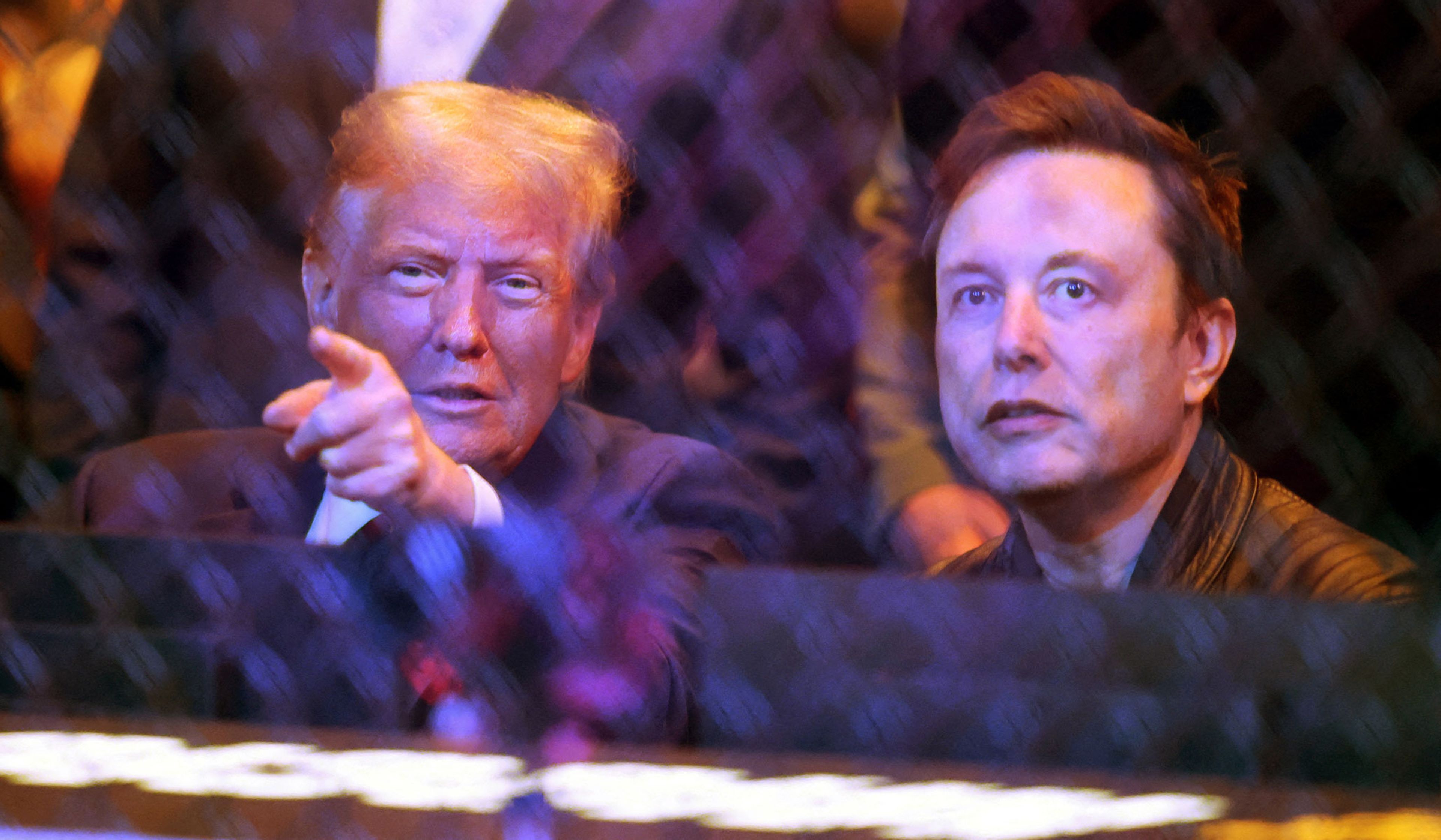
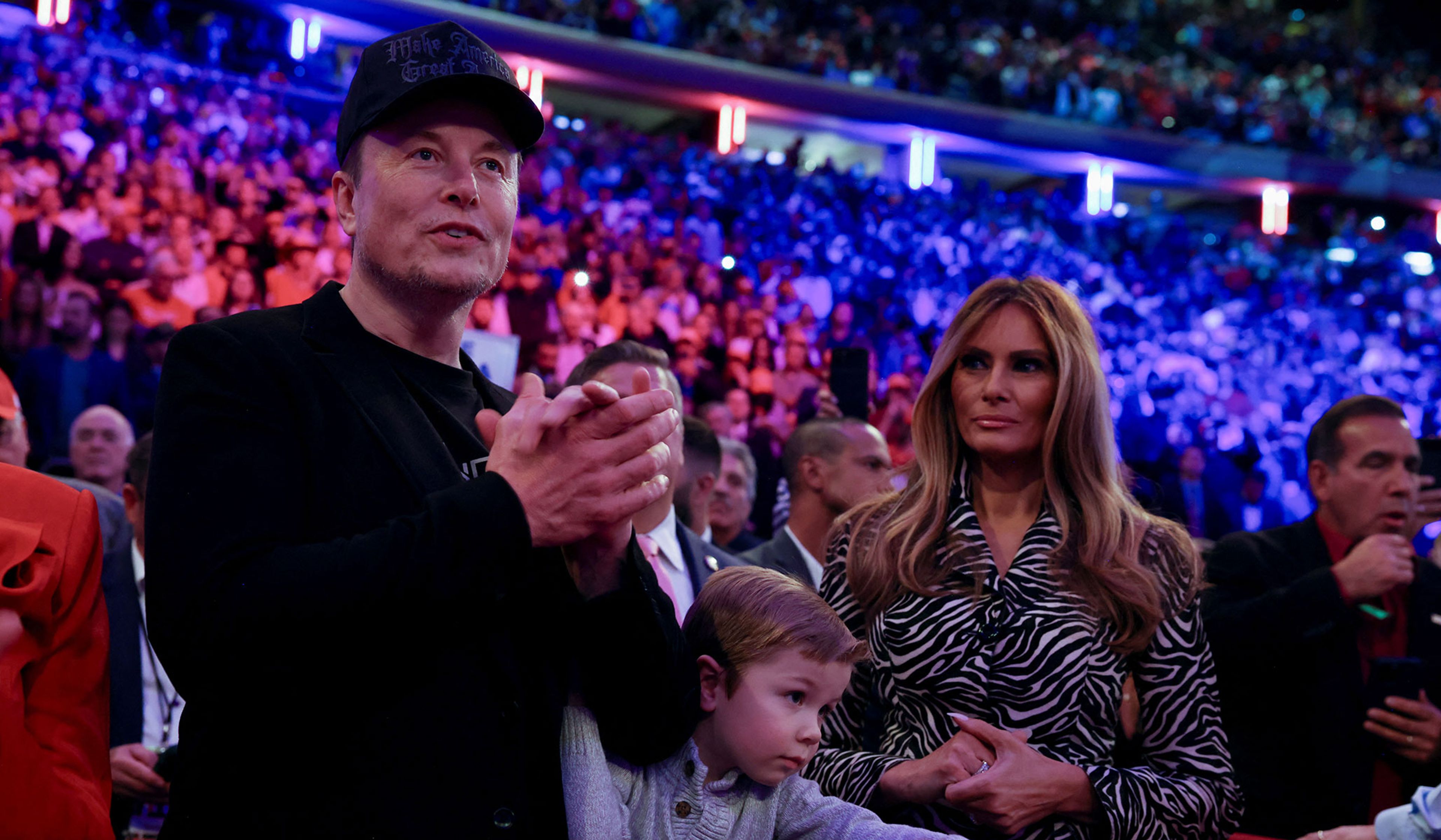
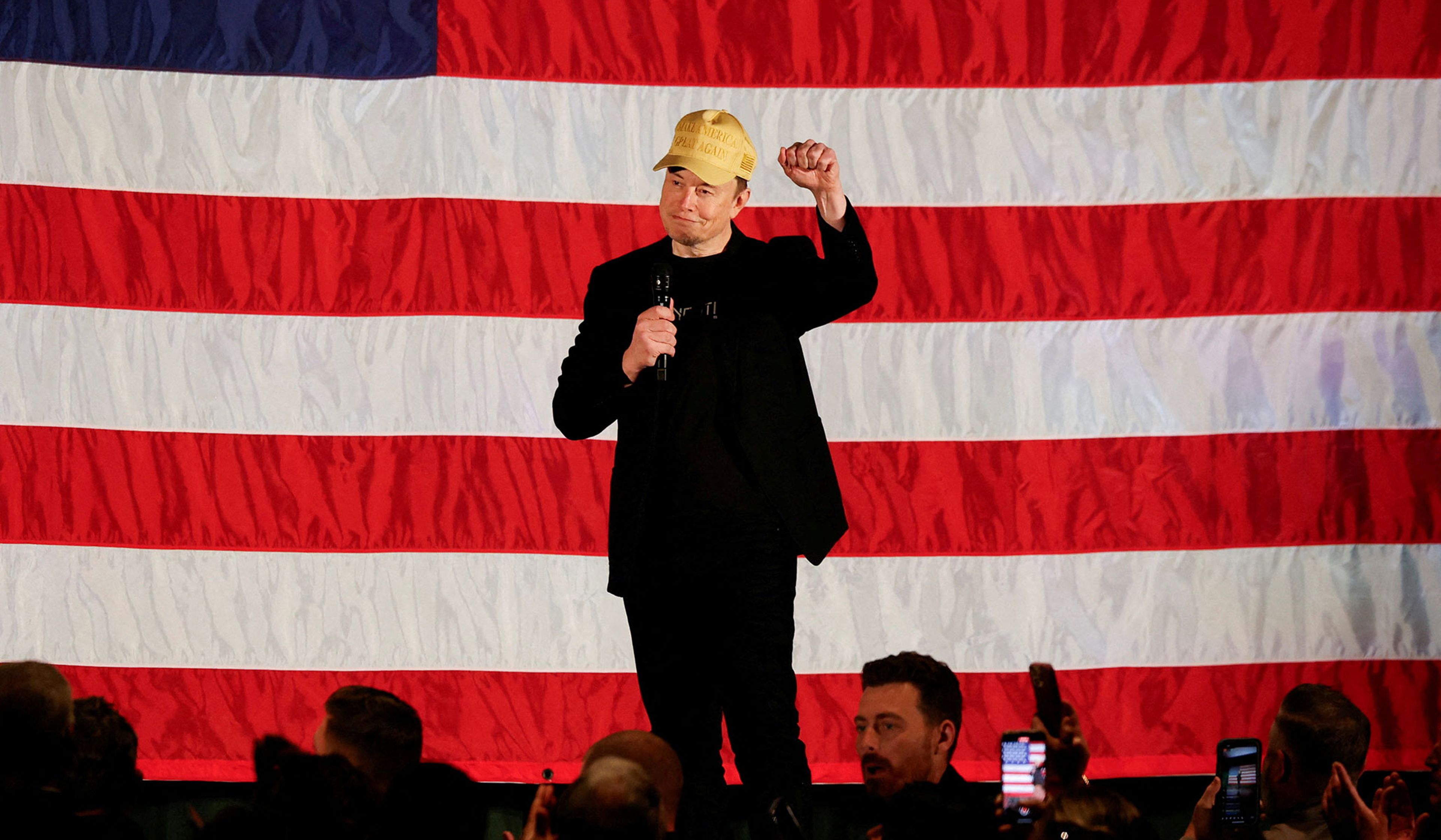
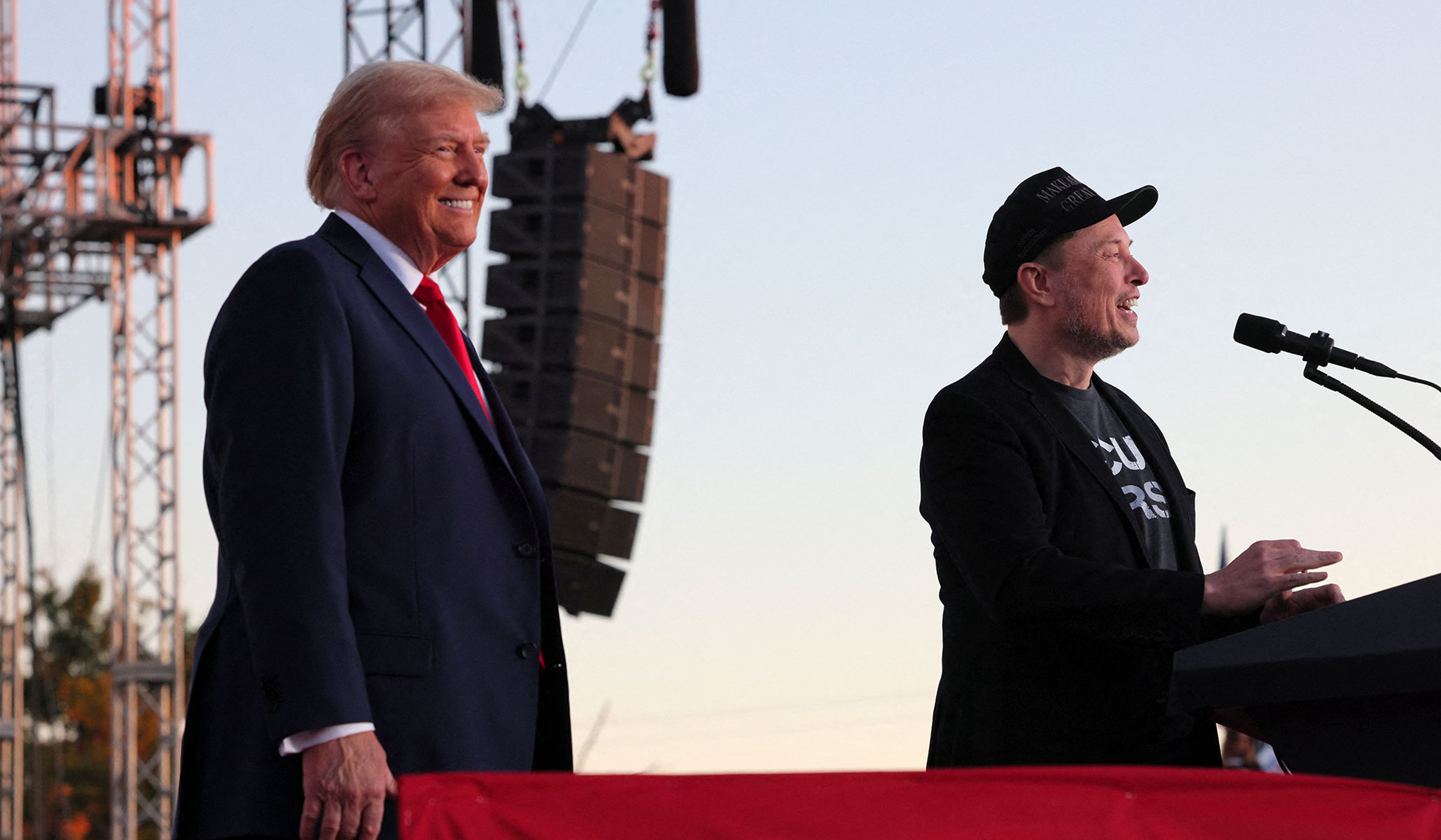
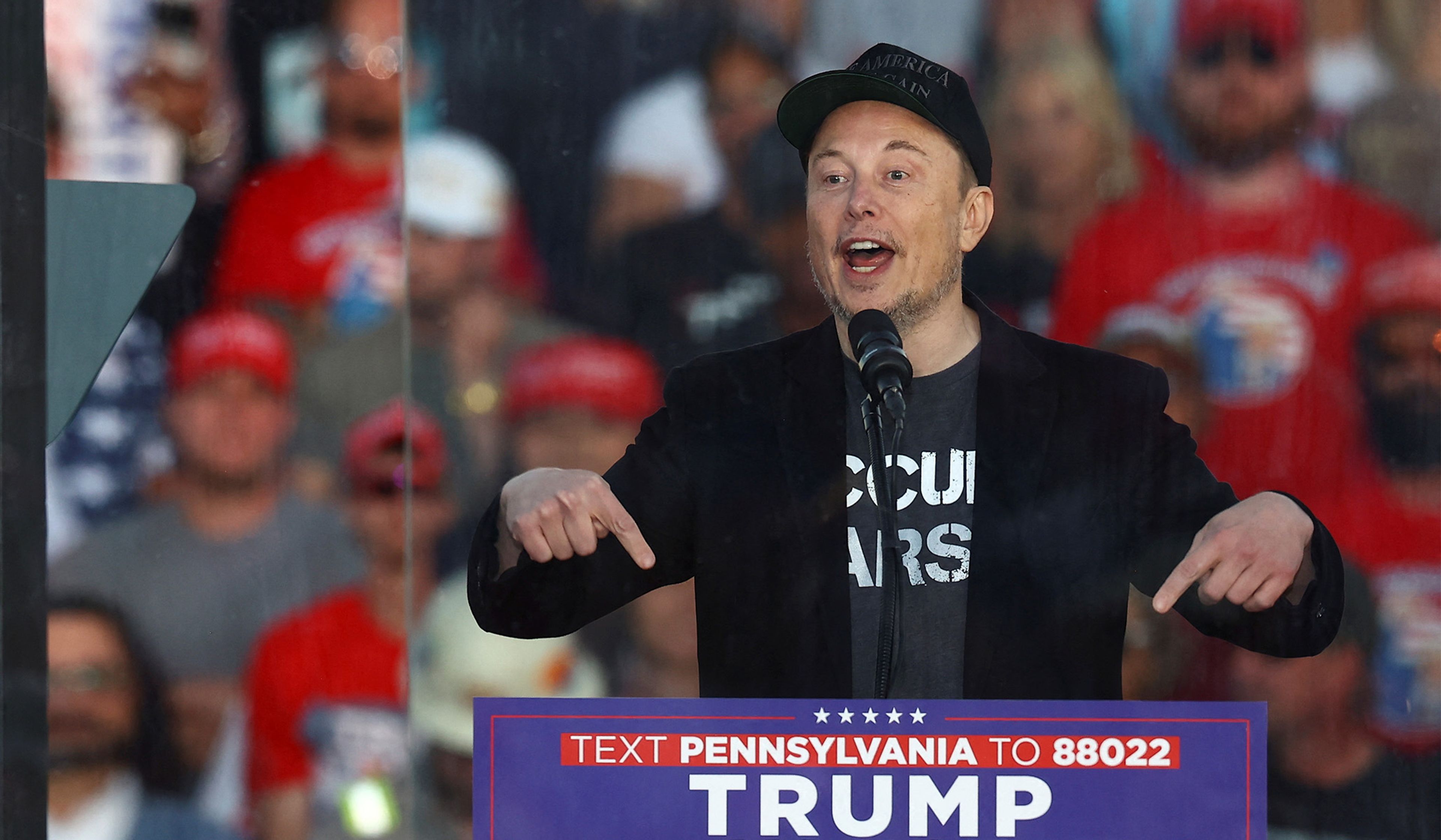
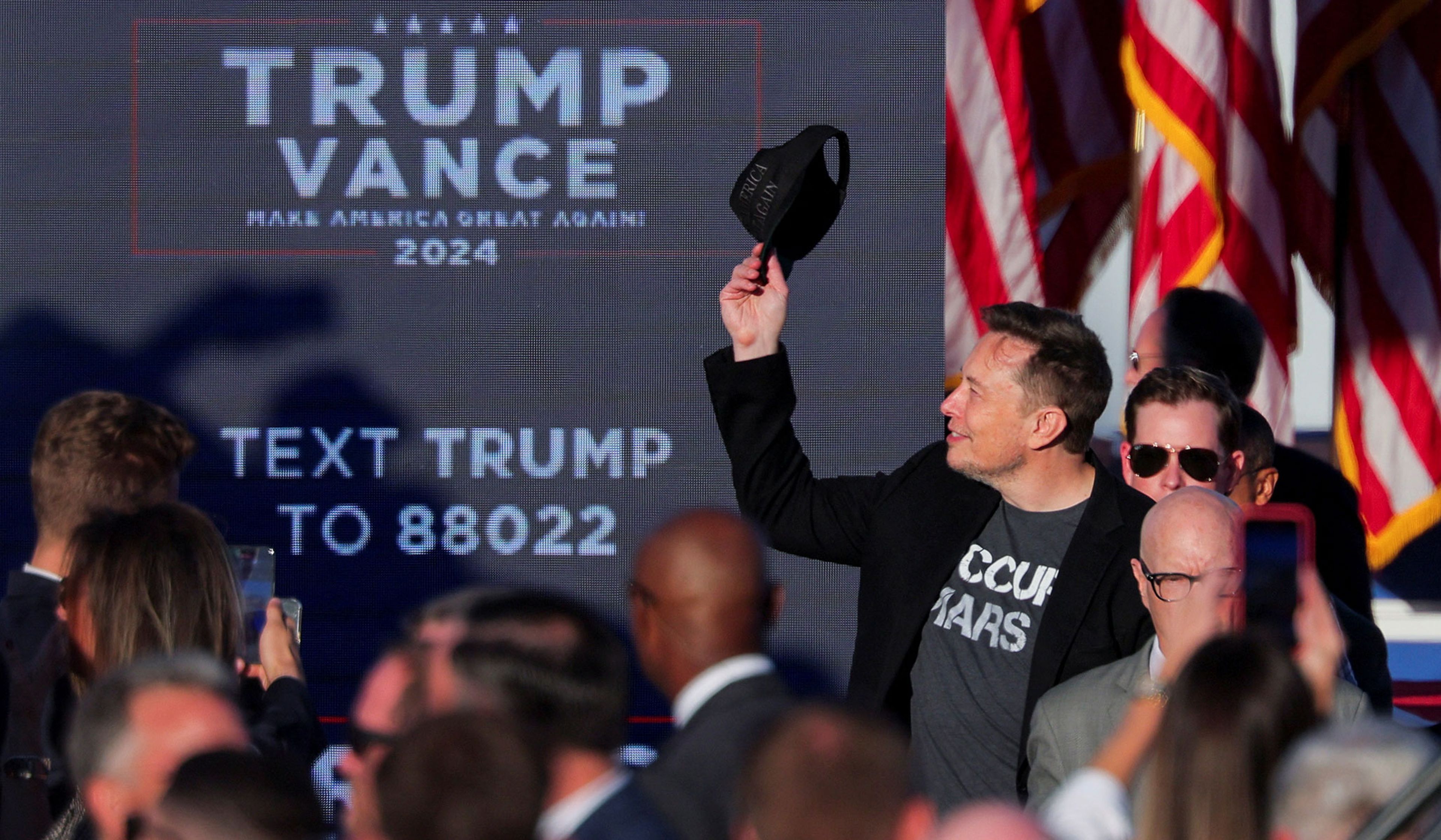
President Donald Trump speaks next to Elon Musk in the Oval Office of the White House in Washington, D.C., February 11, 2025.
Kevin Lamarque/Reuters
In 2020, during the Covid-19 pandemic, Elon Musk became skeptical of public health recommendations, and, according to his biographer Walter Isaacson, he began sharing right-wing memes with his increasingly estranged romantic partner, Claire Boucher, known to the music world as “Grimes.” In 2021, he sat down for an interview with the Christian satirical site the Babylon Bee, in which he complained about the woke attack on comedy. He did not profess faith in Jesus Christ, but he endorsed Christian teachings as conducive to human happiness and flourishing. In spring 2022, Musk had grown angry and impatient with Twitter over its censorship during Covid and its harassment of right-leaning voices. When Twitter suspended the Babylon Bee’s account, Musk reached out to the owners of the site and began musing about buying Twitter.
That same year, Elon’s 18-year-old son with ex-wife Justine Wilson, Xavier, declared that he was a trans woman and renounced Elon’s fatherhood, saying he no longer wanted to “be related to my biological father in any way, shape or form.” “I was essentially tricked into signing documents . . . before I had really any understanding what was going on,” Elon said, relaying that the threat of his son’s suicide was used to coerce him into approving so-called gender-affirming care. “I lost my son essentially,” he said in an emotional interview with the Daily Wire. “The reason it’s called ‘deadnaming’ is because your son is dead, so my son Xavier is dead, killed by the woke mind virus. So I vowed to destroy the woke mind virus.” What political motive could be more powerful than avenging the loss of a child?
In that fateful year of 2022, Musk acquired Twitter for $44 billion in what many lampooned as a ridiculous deal. Left-wing groups used their power to organize a prolonged corporate boycott of Musk’s new social media platform, now known as X. But Musk may have had other ways of valuing the acquisition. He swiftly fired almost two-thirds of the employees and kept the site running. He opened up the offices to reporters from left and right, who revealed the depth and breadth of government involvement in the censorship of Twitter users. The effect is hard to overstate: Musk’s acquisition of Twitter halted progressives’ entire post-2016 effort to rebuild their media monopoly.
Musk’s transformation was complete when an assassin’s bullet grazed Trump’s ear in Butler, Pa. Minutes after Donald Trump got hit and held up his fist, chanting “Fight! Fight! Fight!” to a galvanized crowd, Musk tweeted his endorsement. Soon he was campaigning with and advising the former president. In return, Trump has asked Musk to co-captain, with Vivek Ramaswamy, a private consulting operation, the new Department of Government Efficiency (or DOGE, affectionately named after the dog-themed cryptocurrency). In DOGE, the public–private influence scheme is reversed. Now, a liberty-minded activist will be informing the White House and Congress on how to slim down the government. Musk has suggested that DOGE may help cut $2 trillion in federal spending, which sounds like an absurd overpromise. But this is a man who improves a product by firing most of the employees working on it. He’s a man whose company catches formerly nonreusable rockets out of the sky as if they were plastic straws. When he makes a promise, you have to take it seriously.
Traditional conservatives are trained to conserve an established order. This is a debilitating limitation for them when they are confronted with an establishment that is uniformly progressive and conducive to disorder. Musk is not a traditional conservative; he is the disrupter that conservatives need when the established order has been usurped. He has made an alliance with conservatives on solid grounds: our shared and immutable human nature, our First Amendment right to free speech that enables robust debate and dissent from phony orthodoxies, and a vision of America as an innovative dynamo. Let’s hope this alliance lasts.











Comments