If you travel due east from Vienna, after forty miles you will come to Bratislava—formerly Pressburg, or Pozsony, the ancient capital of the Kingdom of Hungary, and now the capital of Slovakia. Bratislava was recently the scene of the violent disruption of a peaceful Catholic demonstration for religious freedom. The police came in with water jets, tear gas, and nightsticks, and made more than 150 arrests. Even foreign reporters and camera crews were temporarily jailed. Gorbachev may talk about glasnost, but Prague remains adamant. Vatican efforts to reach an agreement about episcopal appointments and about discrimination against the faithful in daily life have all come to nothing. Prague fears religion, which has the support of large numbers of ordinary people, far more than it does Charter 77, whose signers are “merely artists and intellectuals.”
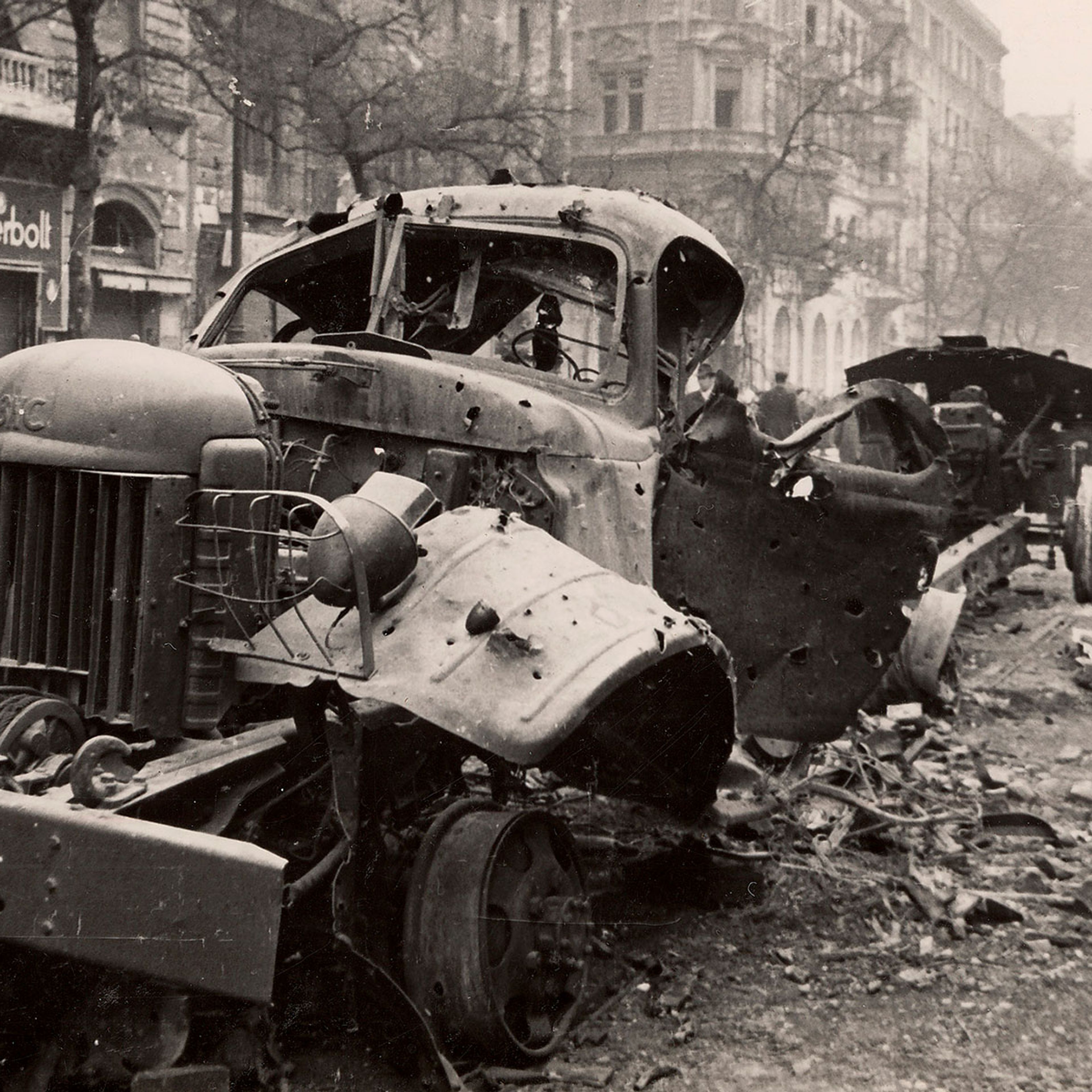
If, on your eastward journey, you turn slightly south, you will come to Hungary, where thirty years ago the situation was exactly as it is today in Czechoslovakia. Nowadays, at the Hungarian border, you have no trouble obtaining entry, and on weekends hordes of Austrians take the opportunity to come over and shop, have their hair done, or get their teeth fixed at very low prices. And Hungarians can travel west, if they have the money. Hungary’s evolution in recent years has indeed been phenomenal, and one can now say that Hungarians are as free as—perhaps freer than—the Poles.


Comments