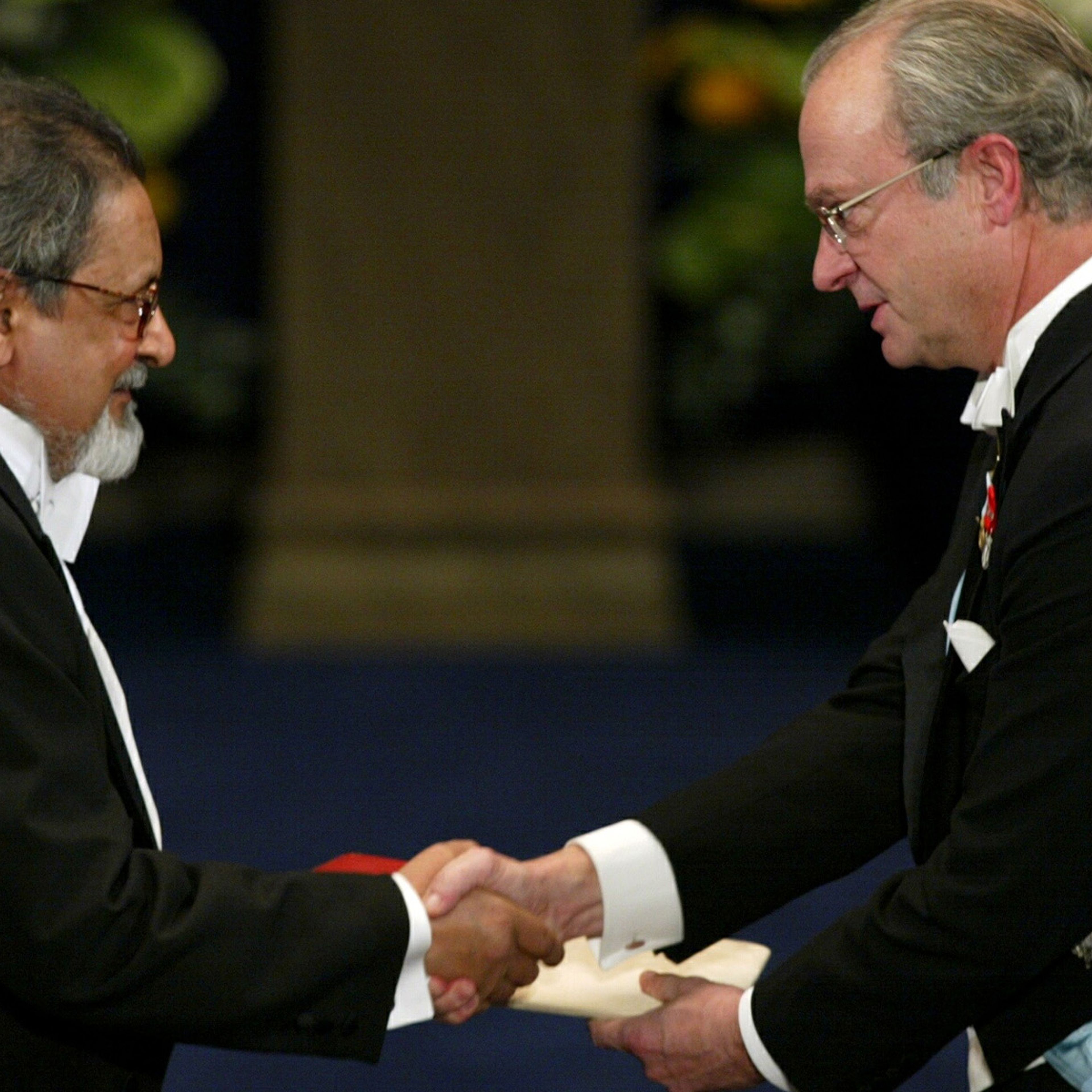
Before the war, and although he had already published his best books, Faulkner’s reputation was small, intensive, recherché. Even as late as 1945, when Allen Tate called him “the most powerful and original novelist in the United States,” he used a near-truculent tone, as though he were conscious of being thought eccentric. Then came a brisk revolution. First, Malcolm Cowley edited a Portable Faulkner. Then MGM made a successful movie out of Intruder in the Dust. Next a whole generation of graduate students began to prowl over Yoknapatawpha County with critical Geiger counters. Finally, in 1950, came the summons from Stockholm, to which Faulkner, less wise than Gide and Hemingway, responded not only in person, but with a scroll of self-consciously exalted rhetoric which may have delighted Bartlett’s, but which had very little connection with the darkly lyric visions of Absalom! Absalom! and The Sound and the Fury. Overnight, the tormented poet-novelist became an official pundit-celebrity.
We are so accustomed these days to the genius who is privately tempted by big money that we forget how equally often he can be publicly tempted by big missions. And as Auden has observed, “it is normally less confusing for the poor Muse to be goosed by a traveling salesman than by a bishop.” A poet has only one duty: to watch what he loves, and then to write about it as exactly as possible. Abandoning Yoknapatawpha County, Faulkner traveled, made speeches and gave interviews.



Comments