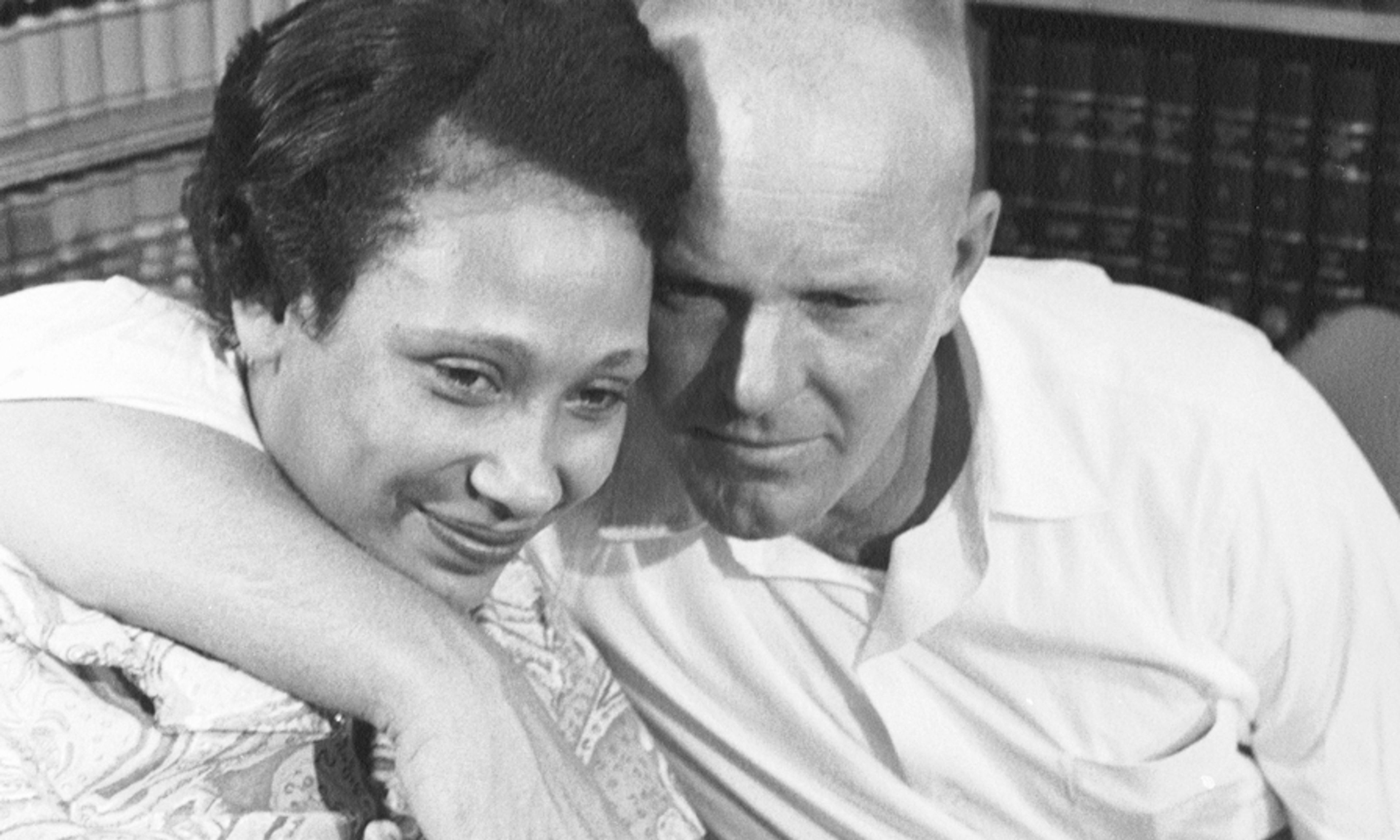
In the same-sex-marriage case recently argued in the Supreme Court, the petitioners have claimed a “fundamental right to marry” protected by the Constitution and unmoored from biology, the complementarity of the sexes, or the universal understanding of what “marriage” has meant in every culture in human history until the last 15 years. Their most persistent and compelling comparison of their legal situation has been to the laws that once banned interracial marriage in many states, until they were overturned by the Supreme Court 48 years ago in Loving v. Virginia. But a closer look at that precedent reveals that it is no help at all to their case — quite the contrary. And the advocates of same-sex marriage are deluding themselves if they think that a judicial victory for their side would be widely greeted as a triumph for justice, as the Loving decision was.
As Robert P. George and Ryan T. Anderson, among others, have pointed out, America’s shameful record of “anti-miscegenation” laws is a historical anomaly. Rooted in slavery and codified during the Jim Crow era after the Civil War, legal prohibitions on interracial marriage spread ultimately to 30 states by the second quarter of the 20th century. These laws had nothing as such to do with defining marriage or regulating what was a legitimate marital union. They had everything — and only — to do with paranoid racial theories entertained by a white power elite obsessed with the “purity” of their own race.











Comments