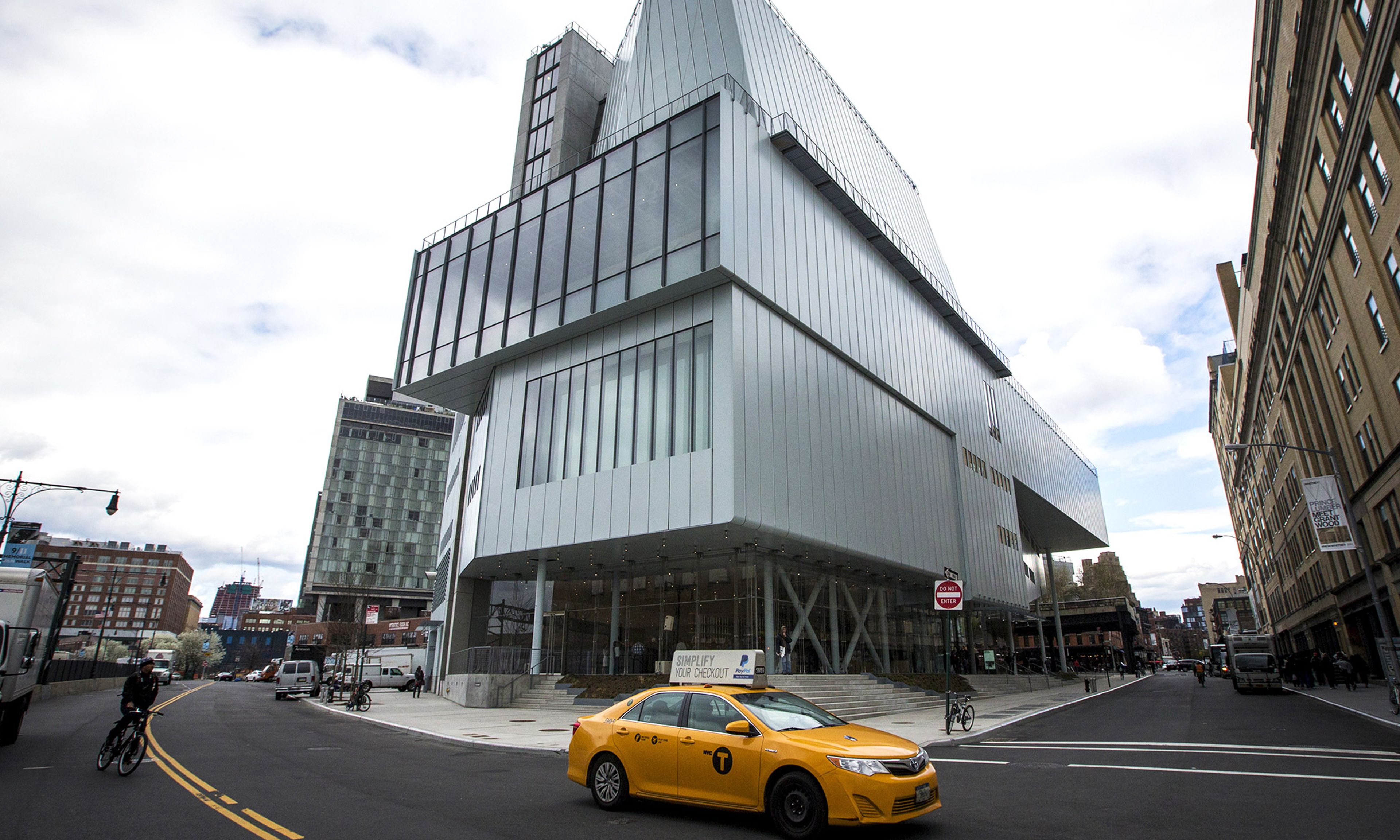
About a decade ago, Time magazine (remember Time?) voted the Genoese-born starchitect Renzo Piano one of the 100 most influential people in the world. He’s won every architectural award possible, including, in 1998, the Pritzker Prize, the top pop. He calls his company a “building workshop,” but “factory” might be a more appropriate term for the tireless multinational enterprise that disgorges buildings the way an assembly line disgorges automobiles. Piano was first catapulted to celebrity — fame is something different — in the late 1970s for his part in Centre Georges Pompidou, the art edifice in Paris whose notable innovation was to put the building’s insides on its outside. It’s a hideous structure, horrendously difficult and expensive to maintain, but it garnered enough publicity to ensure that irresponsible museum directors the world over would clamor for Piano’s services.
A few years ago, Piano defaced the Morgan Library in New York with a truly ugly addition, and he has performed similar courtesies for the Isabella Stewart Gardner Museum in Boston, the Fogg at Harvard, and the High Museum in Atlanta. His latest act of architectural vandalism is the new Whitney Museum of American Art on Gansevoort Street in the Meatpacking District of New York City, between the High Line and the Hudson River. Until a few years ago, this neighborhood was populated at night by creatures deeply “confused about their sexuality.” Huge infusions of cash have rendered that species of psychopathology less flagrant, but the insertion of the Whitney Museum ensures that the budget of perversity in the neighborhood will remain high.










Comments