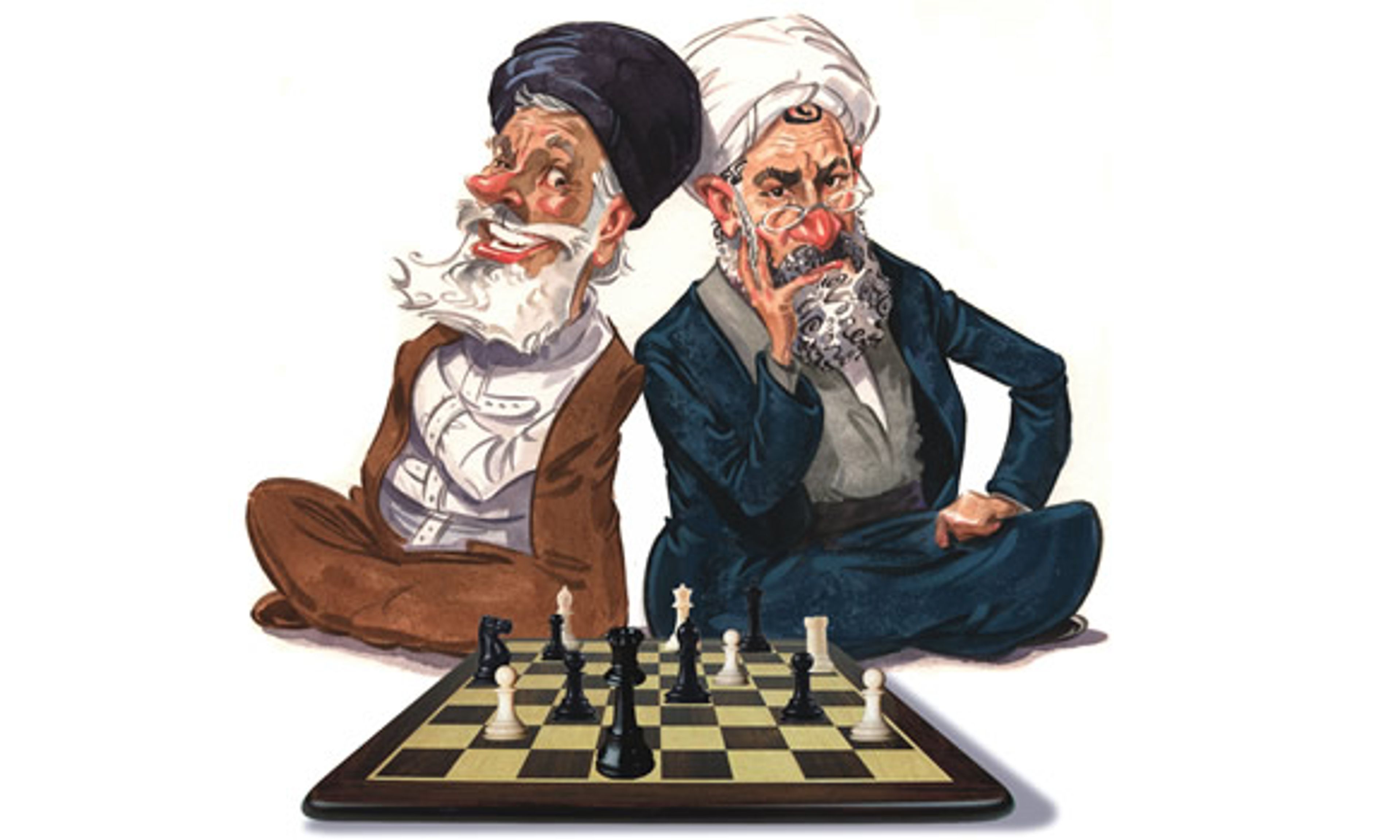
As a determined Tehran pursues a nuclear-weapons capability, and develops and deploys increasingly long-range ballistic missiles, a debate on the prospective role of deterrence begins to take shape. On one side is the assertion that Iranian leaders are “rational”; on the other, the fear that, when it comes to the use of nuclear weapons, they may not be. Their frequent calls for the destruction of Israel raise particular concerns in this regard.
In both policy and academic debates about deterrence, to label leaderships rational is often tantamount to declaring them deterrable. And if a leadership is deemed irrational, this is a coded way of saying that it likely cannot be deterred. But while equating “rational” with “deterrable” may make for a convenient shorthand, it is not particularly helpful in determining whether the Iranian leadership, or any other regime, is deterrable in fact.











Comments