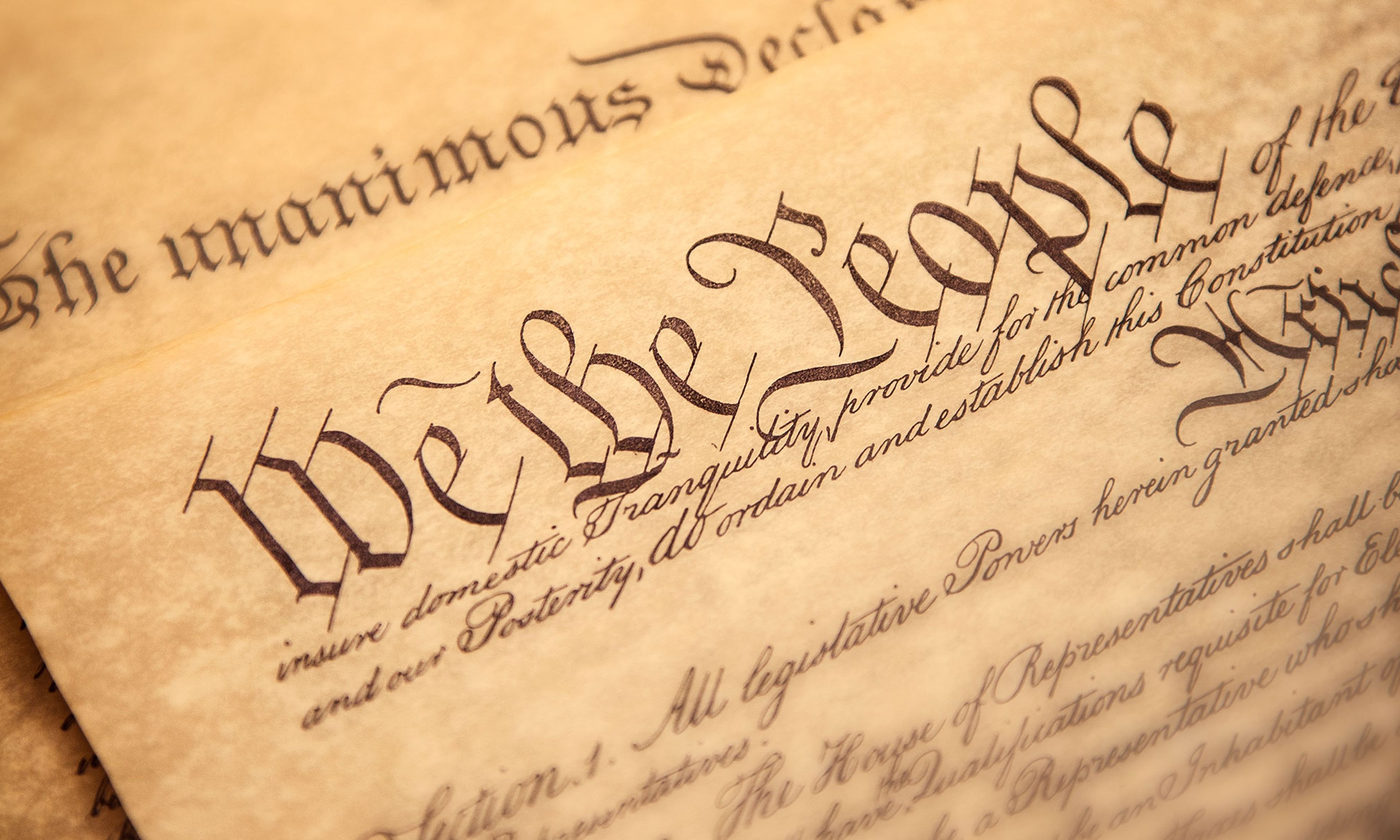
For a nation founded on the Laws of Nature and of Nature’s God, much of the past century of American moral and legal thinking has been a denial of our heritage. While we once thought that man, the rational animal, could intelligibly discern transcendent principles of justice, many contemporary figures have downplayed, if not flat-out denied, this possibility. By doing so they have undermined the foundations of our political order.
Justin Dyer’s new book explores the natural-law foundations of our constitutional regime. Against scholarly trends that argue that our Constitution was in favor of (or at best neutral on) slavery, Dyer presents a host of early Americans who argued that the principles of the Founding and the logic of the Constitution were undeniably antagonistic to it. Against Whiggish history that views the abolition of slavery as the inevitable result of the march of progress, Dyer argues that nothing was inevitable, and that arguments had to be made in order to secure a just outcome. Against neat and tidy accounts of the relation of principle to practice, Dyer shows how the application of moral principle to concrete cases is frequently convoluted, full of tension and disharmony. And against skeptics who deny the existence of moral truth and political liberals who refuse to allow religious and other “comprehensive doctrines” to influence debates, Dyer insists that the antislavery constitutional tradition demonstrates that moral truths can be known and are vitally important.











Comments