Most discussions on global warming begin and end with the science. Yet science cannot explain how global warming became a political issue. The first two scientists to quantify the greenhouse effect, the Swede Svante Arrhenius and the Briton Guy Stewart Callendar, both welcomed global warming as a good thing that would delay the return of the deadly glaciers. Neither did nature force global warming onto political agendas with record heat waves and droughts. The 1930s Dust Bowl was America’s most extreme climatic event, for example: Records for high temperatures were set in three times as many states in the 1930s as in the 1980s and 1990s combined.
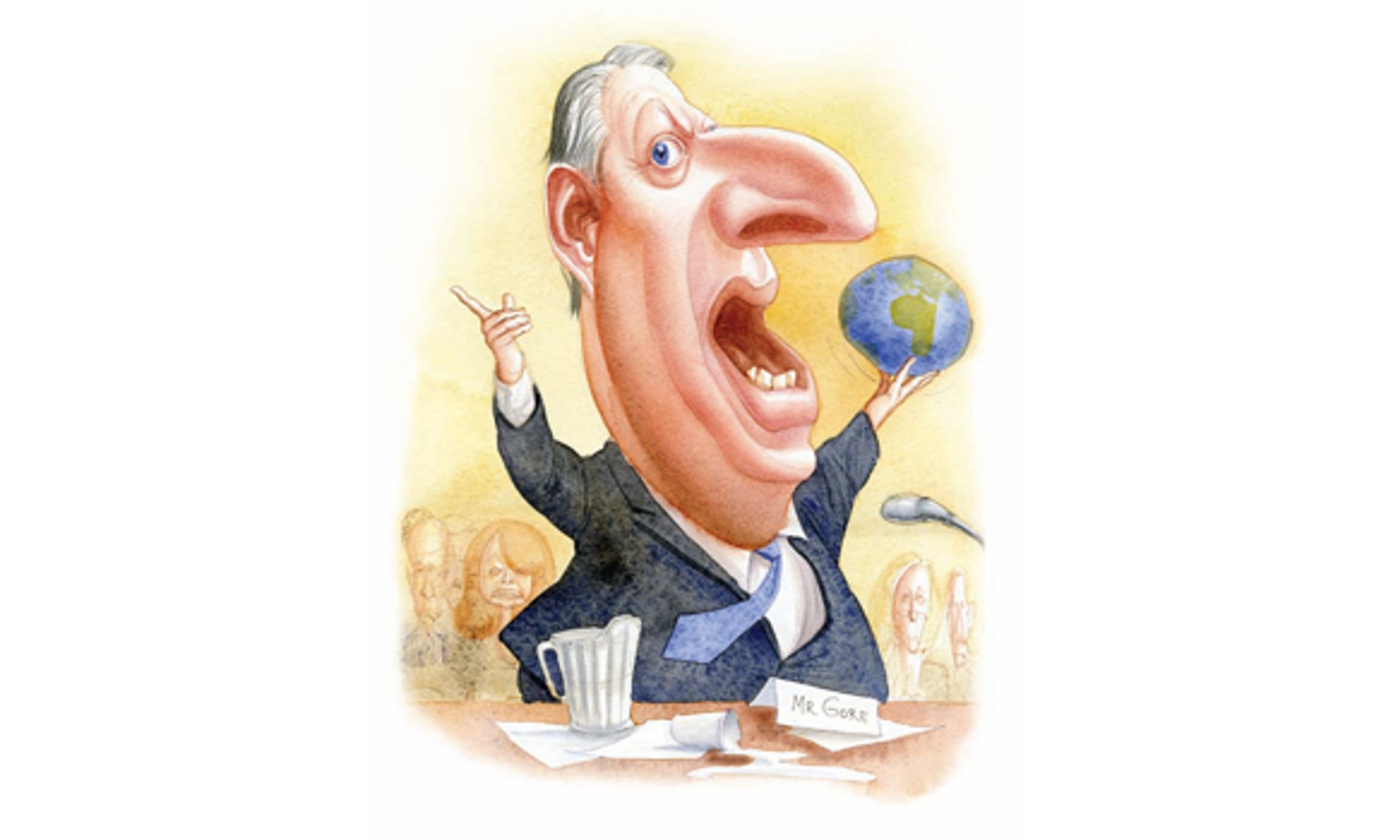
What made global warming a political issue was the rise of environmentalism. While political theorists worried that the post–Cold War world would be defined by a clash of civilizations, environmentalists believed that politics should be about resolving the clash of civilization with nature. In this view, global warming is just one dimension of that clash. In his classic book Earth in the Balance (1992), Al Gore listed, in addition to the climate crisis, a waste crisis, the rainforest crisis, a thousand-fold acceleration in the species-extinction rate, and the ozone-hole crisis.










Comments