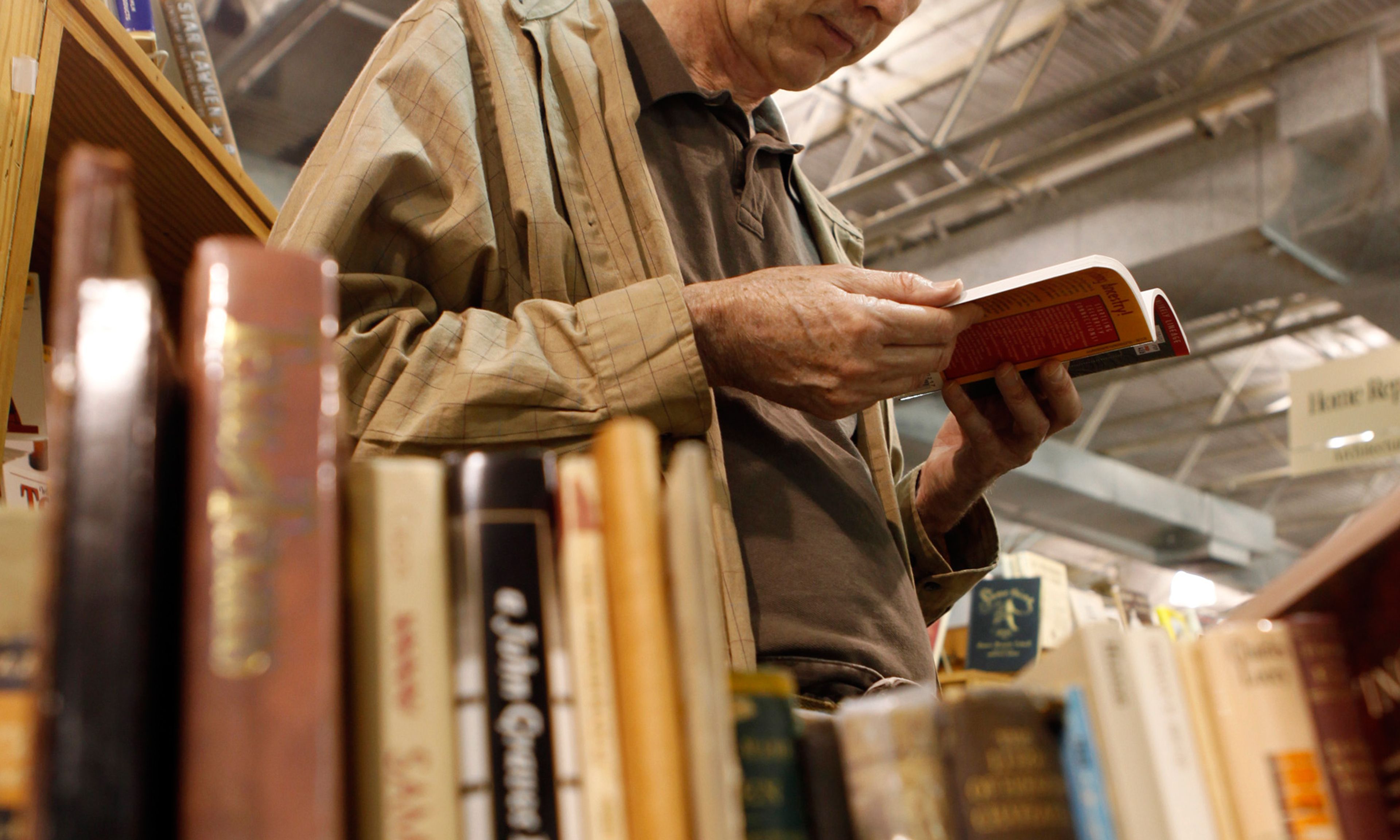
No one reads any more, do they? You are reading this, evidently, but are you reading reading — sitting down, light on, concentrating — or just doing what I so often do, skimming? What was the last novel I read? The first two volumes of the melancholy Norwegian. But there are four more, untouched by me. In my youth I would have burned through all the suckers in a month. A friend of mine, a journalist no less, says he doesn’t read articles anymore, only headlines. Preach, brother. My printed subscription copy of the Broadsheet of the Resistance, which flops in the hall in front of my apartment every morning as a marker (like the blood on the doorposts in Exodus) that someone older than 60 lives there, might as well be an anthology of headlines for all the time I spend on it. Drudge was a visionary, cutting out backfill. Young’uns, standing in elevators, walking the streets, eating their meals, hunch over tiny glowing screens unable to tap out anything longer than phrases, and can tap out those only because they pad them with smiling or frowning yellow faces, or clips of reaction shots from 20-year-old TV shows. Where have the words gone?
One place they have gone is podcasts. Not biting into a pod of detergent and spewing it out before you die, that’s something else. But podcasts are the recorded Sermonettes on the Mount by which we receive information these days. Welcome back, Homer, we’ve got you booked through Burning Man, just tap your white cane up to the mic and start reciting.











Comments