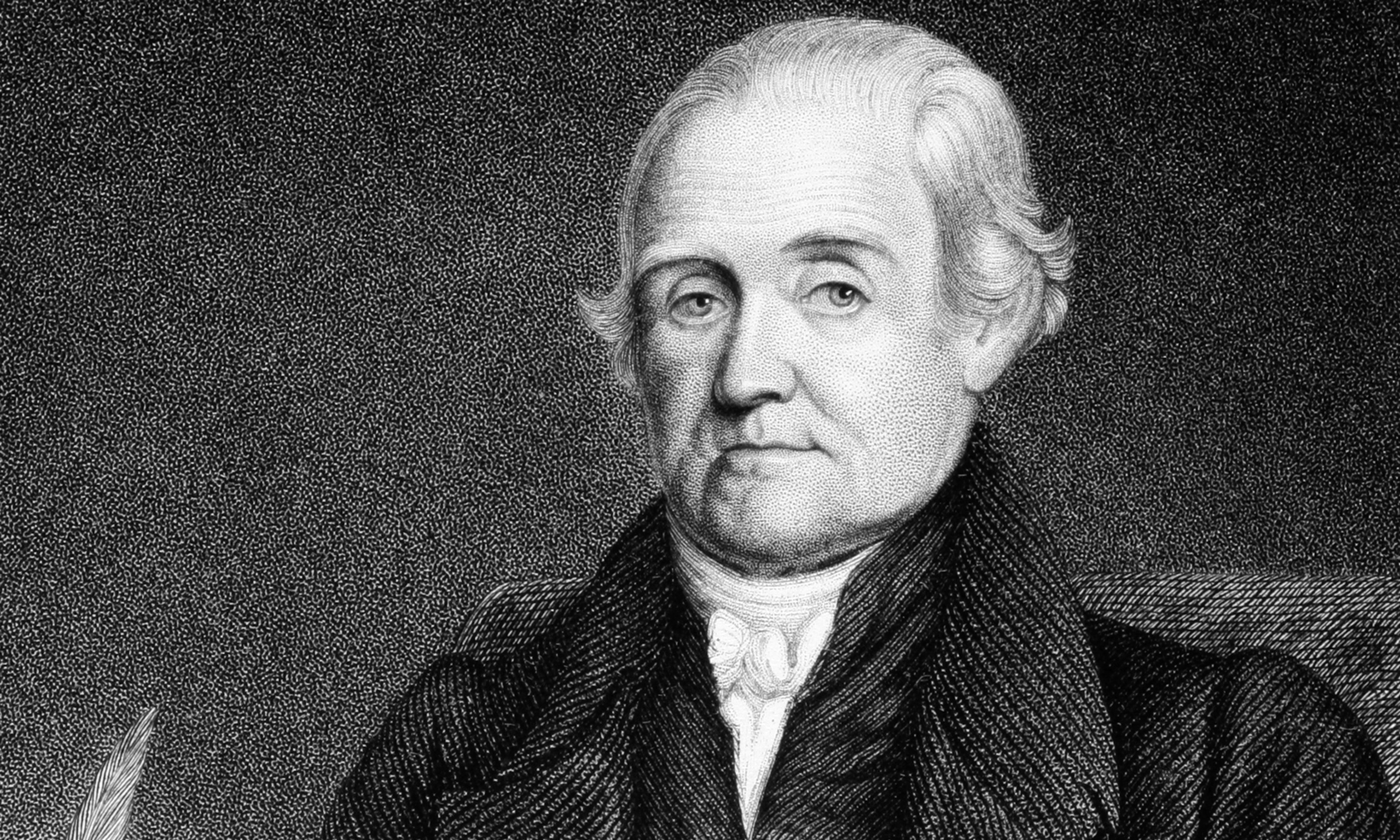
American English didn’t begin with a clean break so much as a raised eyebrow. The Declaration of Independence and the Constitution kept their British spellings; the Framers had war, not honor/honour, on their minds. A few years later, though, the young republic produced a “forgotten founder” who wanted to reform the nation’s spelling even if he couldn’t reform Congress. That man was Noah Webster.
Webster didn’t invent the urge to tinker. Benjamin Franklin had already sketched out plans for a reformed alphabet that would strip away surplus letters and make spelling mirror sound with Enlightenment neatness. He even designed new characters — ingenious symbols no printer wanted to set and no reader wanted to learn. Webster admired the impulse but not the apparatus. He shelved Franklin’s strange letters and kept the core idea: spelling should be simpler, closer to pronunciation, and, crucially, distinctively American.










Comments