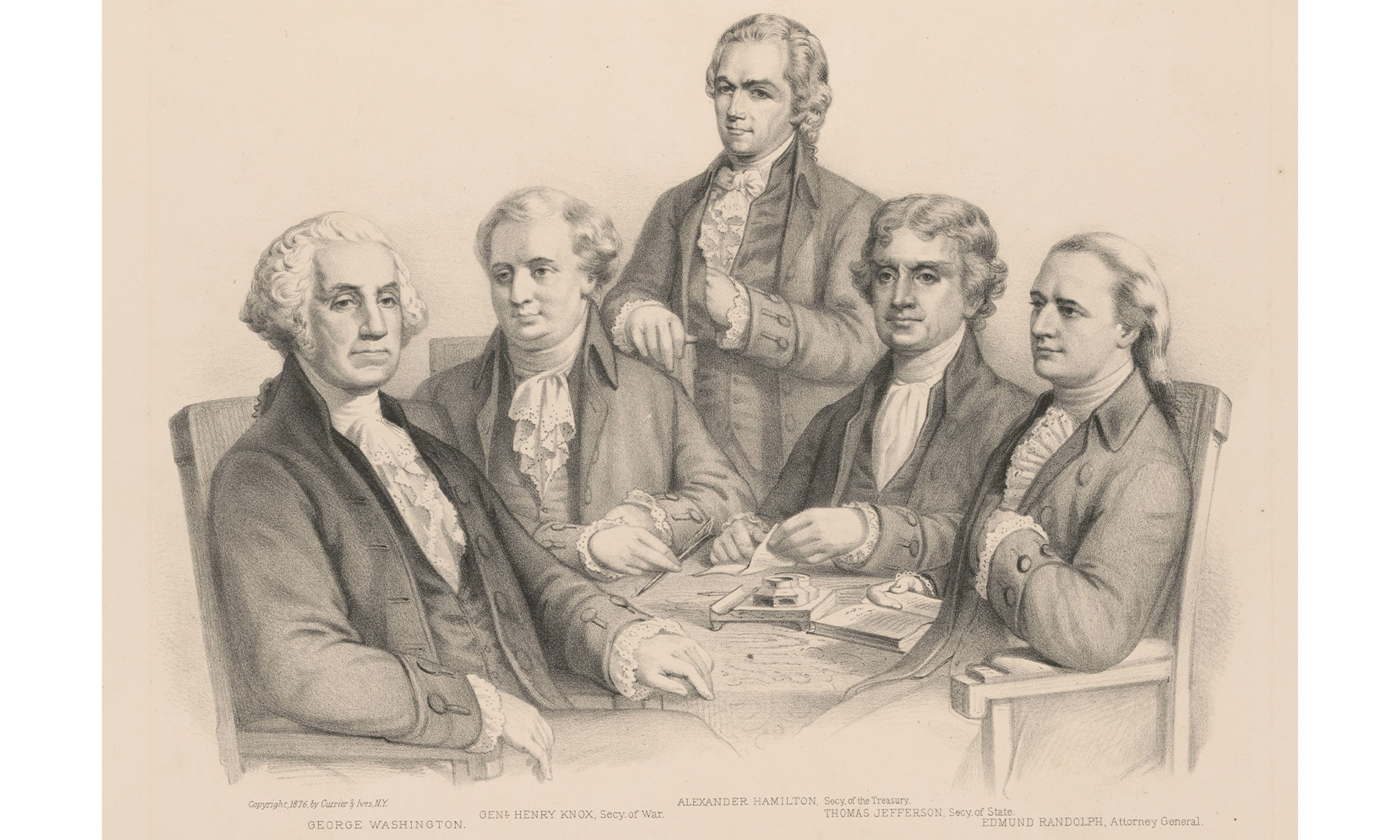
In 30 years of reading and writing Founding-era biographies, I have met dozens of people — many admirable, some infuriating, a few both. What have I learned from them?
I began my writing career covering modern politics, so I was well prepared to discover that, then as now, politics is a contact sport. The journalism of the Founding and the early republic offers a useful barometer. We rightly admire the best of it: the lede graf of Thomas Paine’s first American Crisis — “These are the times that try men’s souls.” It is the American equivalent of King Harry’s speech before Agincourt, except that it is democratic — the patriot earns not a gentler condition but the love and thanks of man and woman — and it was written in real time, on drumheads by campfires, not by Shakespeare two centuries on. Quieter but equally grave was the question Alexander Hamilton/Publius posed at the top of Federalist No. 1 — will “the people of this country . . . decide” whether government can arise “from reflection and choice,” or continue to depend on “accident and force”?









Comments