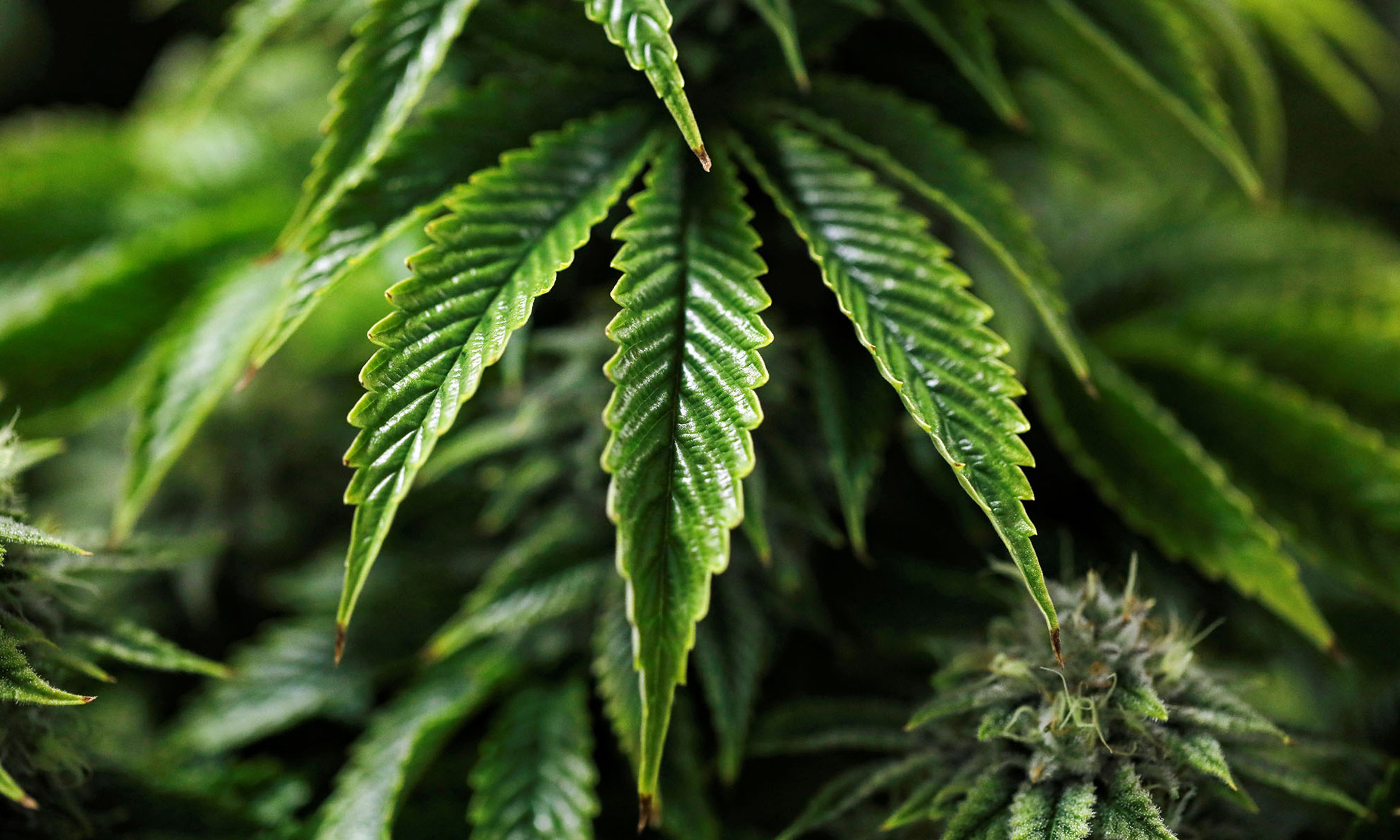
That this book is about as good a defense of the prohibition position as it is possible to make, and that it lost me within the first couple of pages, may, at first blush, seem rather strange. And yet what appears to be a paradox is, in fact, merely a problem inherent to the broader debate over drugs: that, most of the time at least, the two sides are essentially talking past each other.
In their introduction, authors William J. Bennett and Robert A. White — whom I will henceforth refer to collectively as “Bennett” — deploy a rhetorical trick that sets the tone for the remainder of the work. Running through the many deleterious health problems that are associated with marijuana’s legal cousin, tobacco, Bennett supposes for the sake of argument that cigarettes are currently illegal and then asks whether anyone in his right mind would choose to legalize them. Evidently, the reader is expected to answer, “No.” “Given everything we know about the health consequences of smoking tobacco,” Bennett proposes bluntly, “most people would not vote to legalize cigarettes.” Nor, it is implied in parallel, would alcohol get the nod. My response, however, was an emphatic “Yes!” — as, for that matter, it would be if the question were posed of almost any intoxicating substance currently on the market. We did not get off to a good start.










Comments