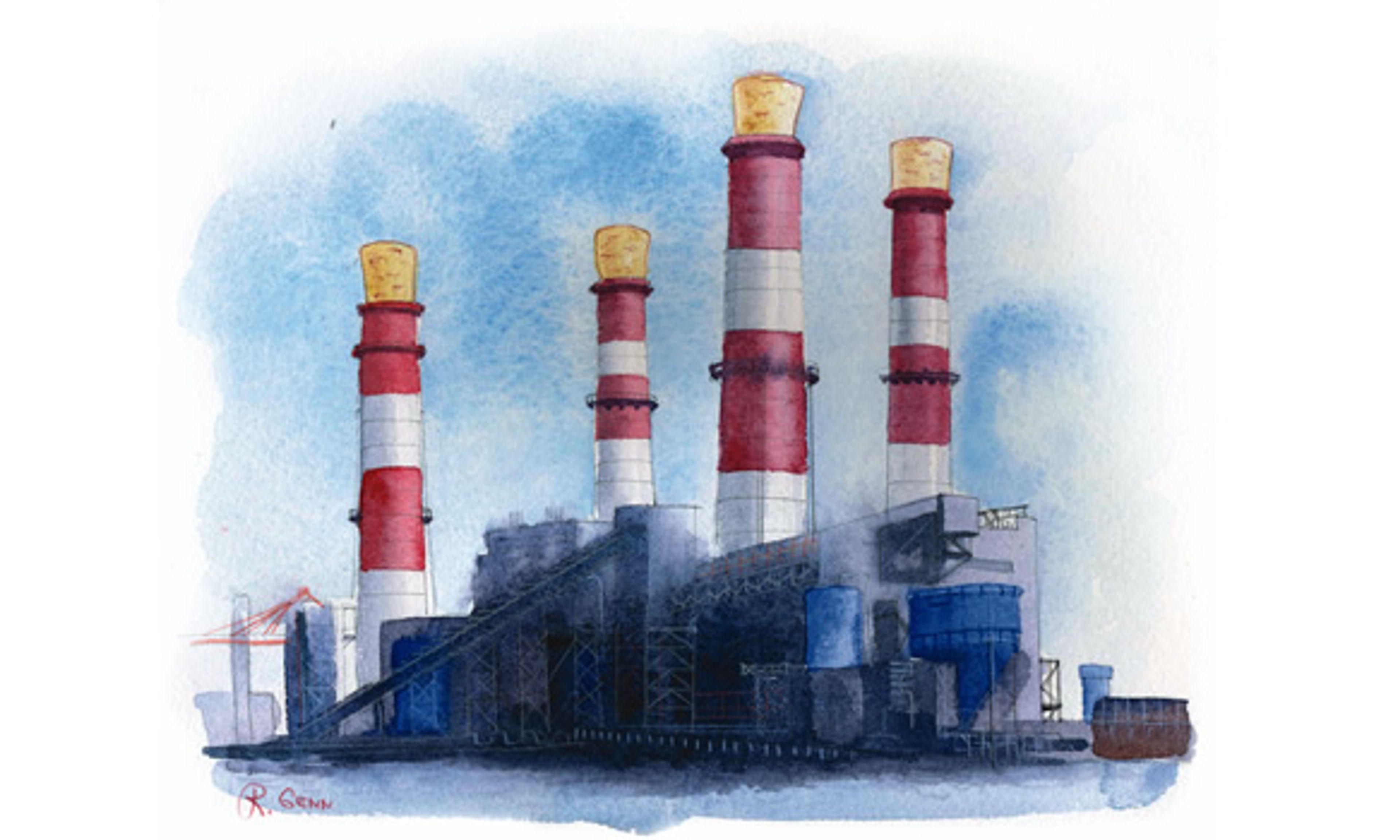
Once every eight years comes a day perfect for hiding the most unpopular and ill-advised policy decisions. It arrives right after a second-term president’s midterm elections, when he will never again face the ire of voters, and right before Thanksgiving, when the nation shuts down and travels home to visit family. And so President Obama chose Wednesday, November 26, 2014, to announce a substantial tightening of the Clean Air Act that will prevent industrial growth across large swathes of the United States. It could become the most expensive regulation in the country’s history.
The action was a stark reminder of the Obama administration’s consistent preference for burdensome regulation over economic growth, but the outrage that politicians and industry groups directed at the president was in many respects misplaced. Such aggressive regulation is exactly what the Clean Air Act — duly passed by overwhelming bipartisan majorities in 1970 and further strengthened by overwhelming bipartisan majorities in 1990 — calls for. Showing disregard for massive costs is exactly what the Supreme Court, in a unanimous opinion authored in 2001 by none other than Justice Antonin Scalia (Whitman v. American Trucking), has instructed the EPA to do as it implements the Clean Air Act. And environmental groups won a lawsuit last April against the federal government for not moving quickly enough to meet requirements set forth in the Act.











Comments