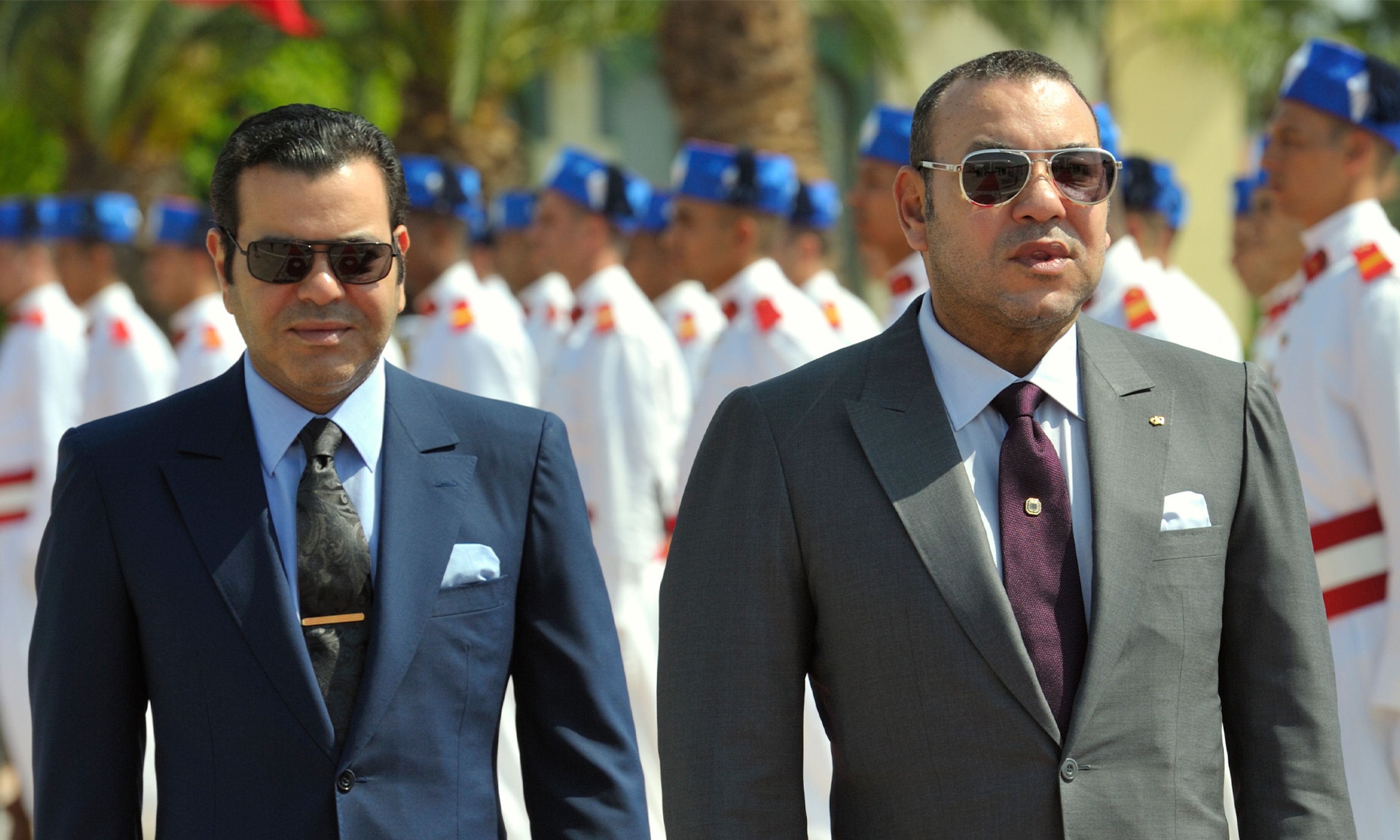
The Arab Spring, which almost no one anticipated, continues to confound. Nobody knows how long the protests will last, or how many dictatorships masquerading as Arab “republics” or “kingdoms” will be toppled before the passions are exhausted. But academics and policymakers are already compiling lists of “lessons learned.” Among the most fascinating so far, observes Fawaz Gerges, director of the Middle East Center at the London School of Economics, is that, while no Arab regime has been immune to the unrest engulfing the region, Middle Eastern monarchies are proving more resistant than the Arab-nationalist republics. According to the “shoe-thrower’s index,” a scale designed by The Economist that attempts to predict the likely survivors among the Arab League’s 22 member states, the monarchies — most of them conservative — almost all outrank their ostensibly democratically elected, citizen-based alternatives headed by strongmen. “The fake republics are goners; the monarchies have a fighting chance,” Elliott Abrams, who advised George W. Bush on Middle East policy and democratic movements, wrote in late March on National Review Online.
Why should that be so? Why do monarchies — be they sultanates, emirates, or other sorts of kingdoms — several of which were created by Britain or other colonial powers less than a century ago, tend to be perceived as more legitimate by their citizens than the often more secular-appearing Arab-nationalist “republics”?










Comments