
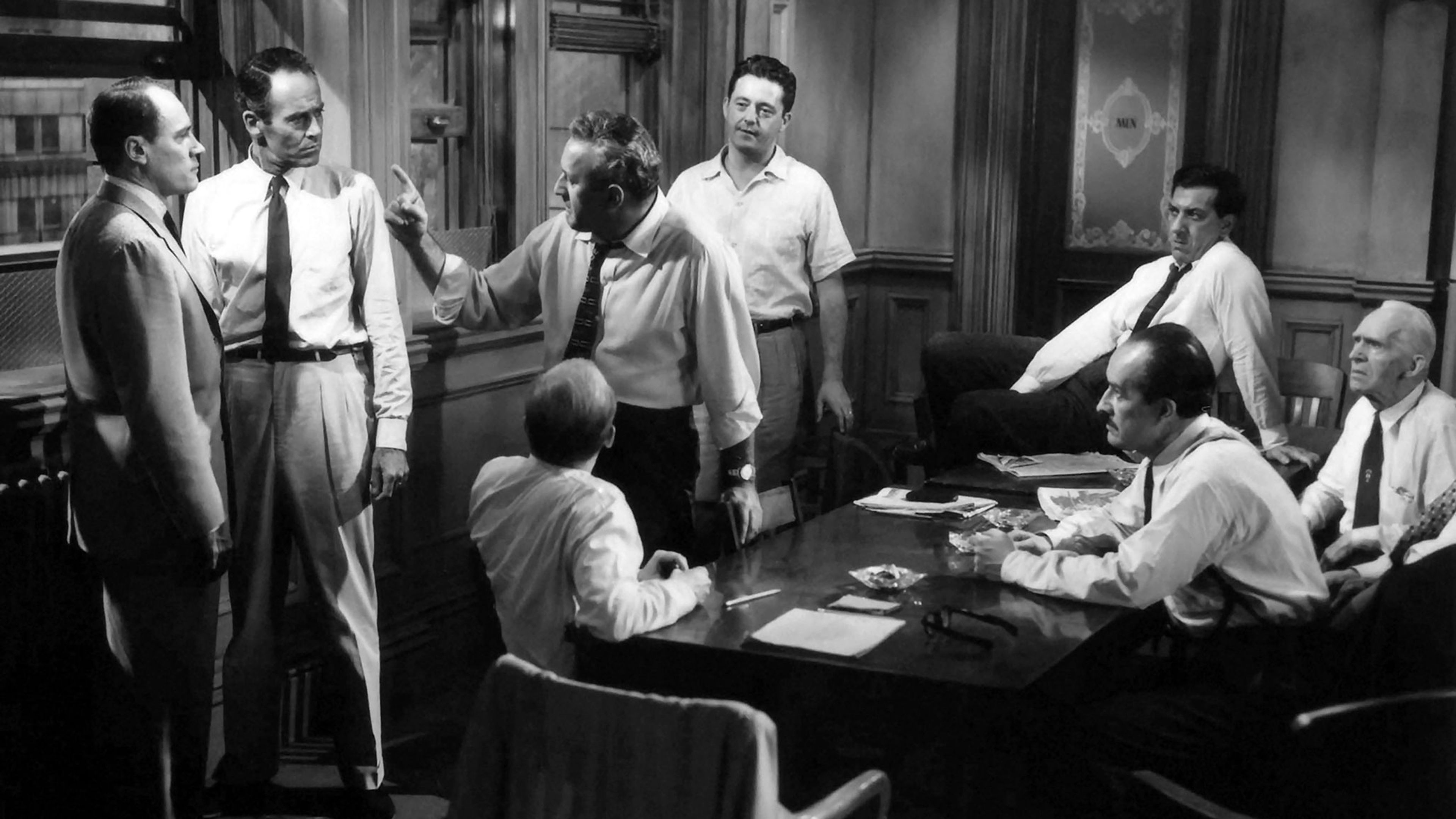
It’s fitting, in a sense, that Robert Redford’s courtroom drama The Conspirator is gracing theaters the month that Sidney Lumet passed away. For more than a generation, Lumet was perhaps America’s greatest director of message movies — the talky civics lessons of 12 Angry Men, the corruption-in-high-places melodrama of Serpico, and of course the anti-television, anti-corporate fulminations of Network. Redford came of age as an actor when Lumet was in his prime, and now, late in life, he seems determined to carry on the director’s message-movie legacy. Instead, his work illustrates the genre’s near-terminal decline.
The Conspirator begins with a bang: the history-altering shot fired by John Wilkes Booth, whose assassination of Abraham Lincoln sets the plot’s wheels creaking into motion. We’re in the immediate aftermath of the Civil War, the weeks between the surrender at Appomattox Courthouse and the final capitulation of the Confederacy’s scattered armies, and a former Union officer named Frederick Aiken (James McAvoy) is dragooned into defending Mary Surratt (Robin Wright), a boardinghouse proprietor on trial for her alleged role in plotting the assassination. (Her boardinghouse still sits in Washington, D.C.’s Chinatown, as it happens, just blocks from where I saw the movie.) Aiken does so reluctantly at first, and then with mounting ardor, as it becomes clear just how ambiguous the evidence is, and how completely the government has stacked the deck.










Comments