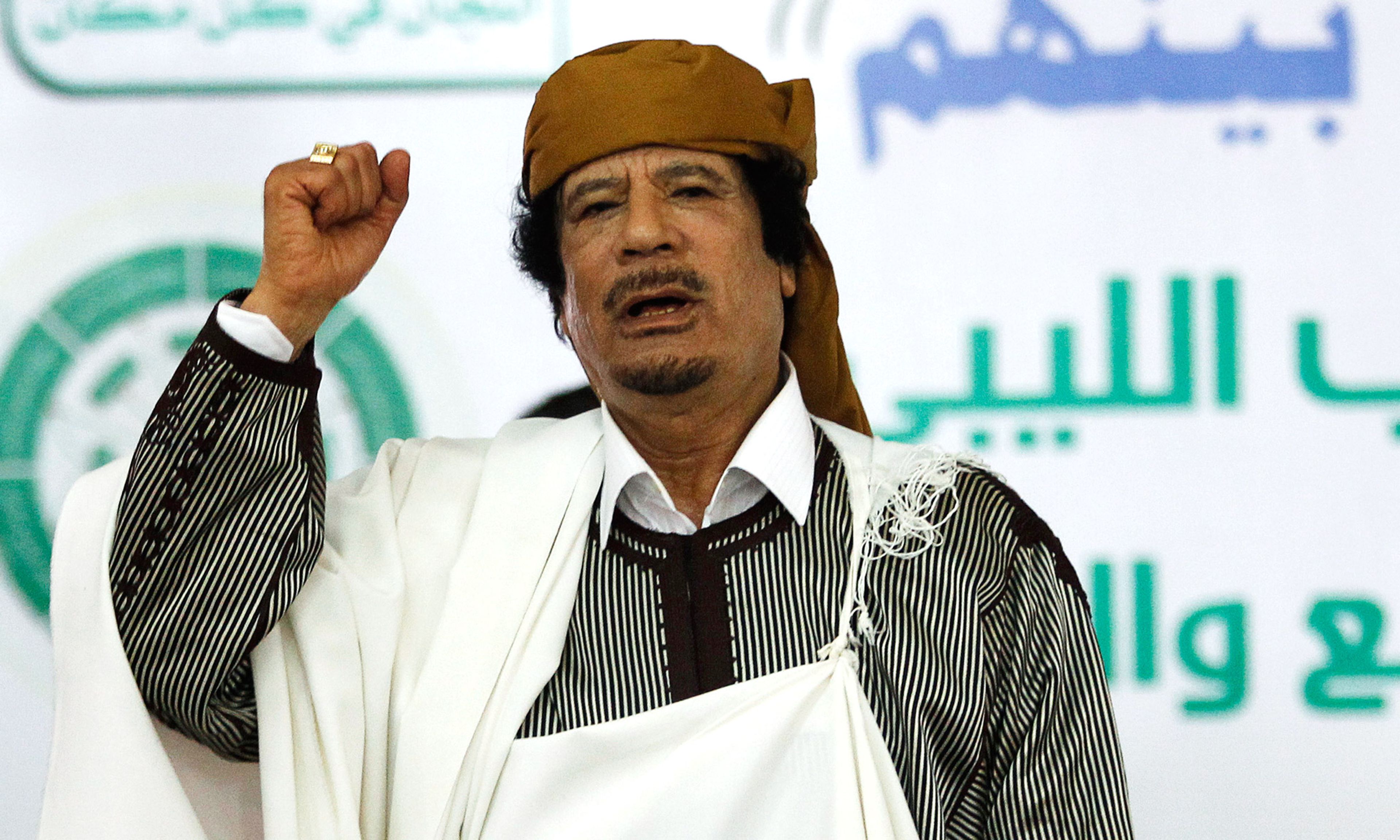
There is a close contest under way to choose the most embarrassing aspect of our Libyan misadventure: Is it the utter fecklessness of American and NATO power in the field, the murkiness of the result being sought, or the wider incoherence of the Obama administration’s perspective on the “Arab Spring,” one day declaring that Egypt’s Hosni Mubarak is “not a dictator,” demanding his ouster the next, and then going on to declare hands-off in Syria because its bloodthirsty ruler, Bashar Assad, is a “reformer”?
The Obama administration can at least claim that a certain amount of opacity or ambiguity is necessary in dealing with a region of such immense instability and political immaturity. The intellectual class that had come to regard Qaddafi as a more or less normal ruler with potentially reasonable or liberal inclinations has no such excuse, and their self-deception has had the consequence of enabling the policy incoherence of our political leaders.











Comments