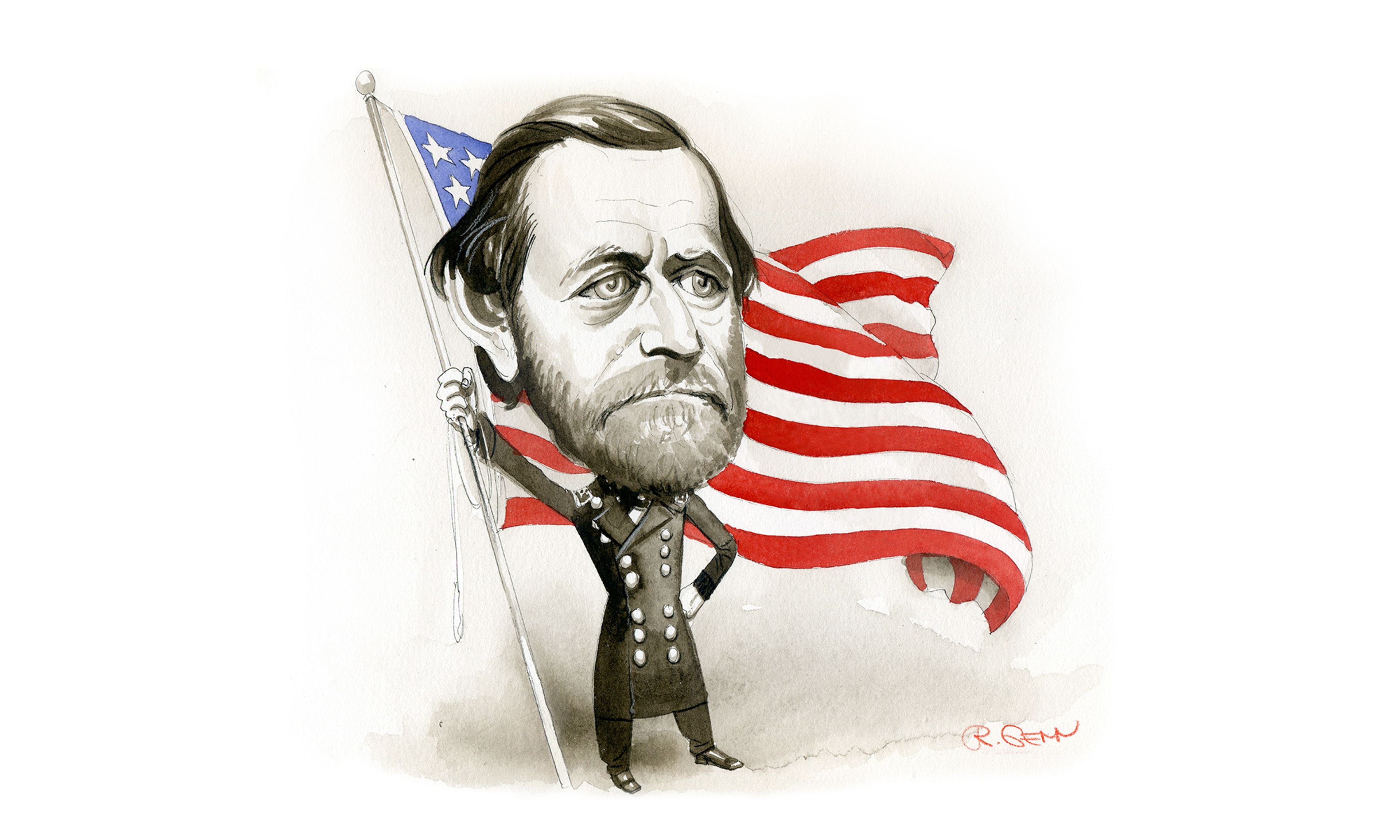
The “popular idea” of Ulysses S. Grant, wrote the military historian J. F. C. Fuller in 1933, “has always been a depressing one, a leaden man of no great spirit, of no imagination and of little thought.” Which is strange, since no American of the 19th century — not even Lincoln — enjoyed a more meteoric rise from obscurity. In just eight years, from 1861 to 1869, Grant went from clerking in his father’s leather-goods store to the presidency of the United States.
Unhappily, it was from that moment that Grant’s reputation began to slide. When Arthur Schlesinger published a historians’ survey of presidents in 1962, Grant was rated a dismal 30th out of 34. By 2005, a Wall Street Journal poll of presidents still pegged Grant at only 29th out of what were now 43 presidents.
But Grant stands in a different place as we mark the bicentennial of his birth. C-SPAN’s 2021 presidents poll notched him at 20th. He is, in fact, the only 19th-century president whose reputation has risen over the last five decades. “Grant,” said Rice University historian Douglas Brinkley, “is having his Hamilton moment.” There is a reason for it, too, and it is wrapped around a growing appreciation of Grant and civil rights.
Grant was not, at first, anyone’s nominee as a racial egalitarian. Born in Point Pleasant, Ohio, on April 27, 1822, Ulysses was the oldest child of Jesse and Hannah Grant, who were both resolutely opposed to slavery but were not outright abolitionists. He was packed off to West Point and served as a junior officer in the Army from 1843 to 1854, until the isolation of lonely Army posts drove him to the bottle and an embarrassing resignation. When he married Julia Dent in 1848, her slave-owning Missouri family bestowed at least four slaves on the Grants.
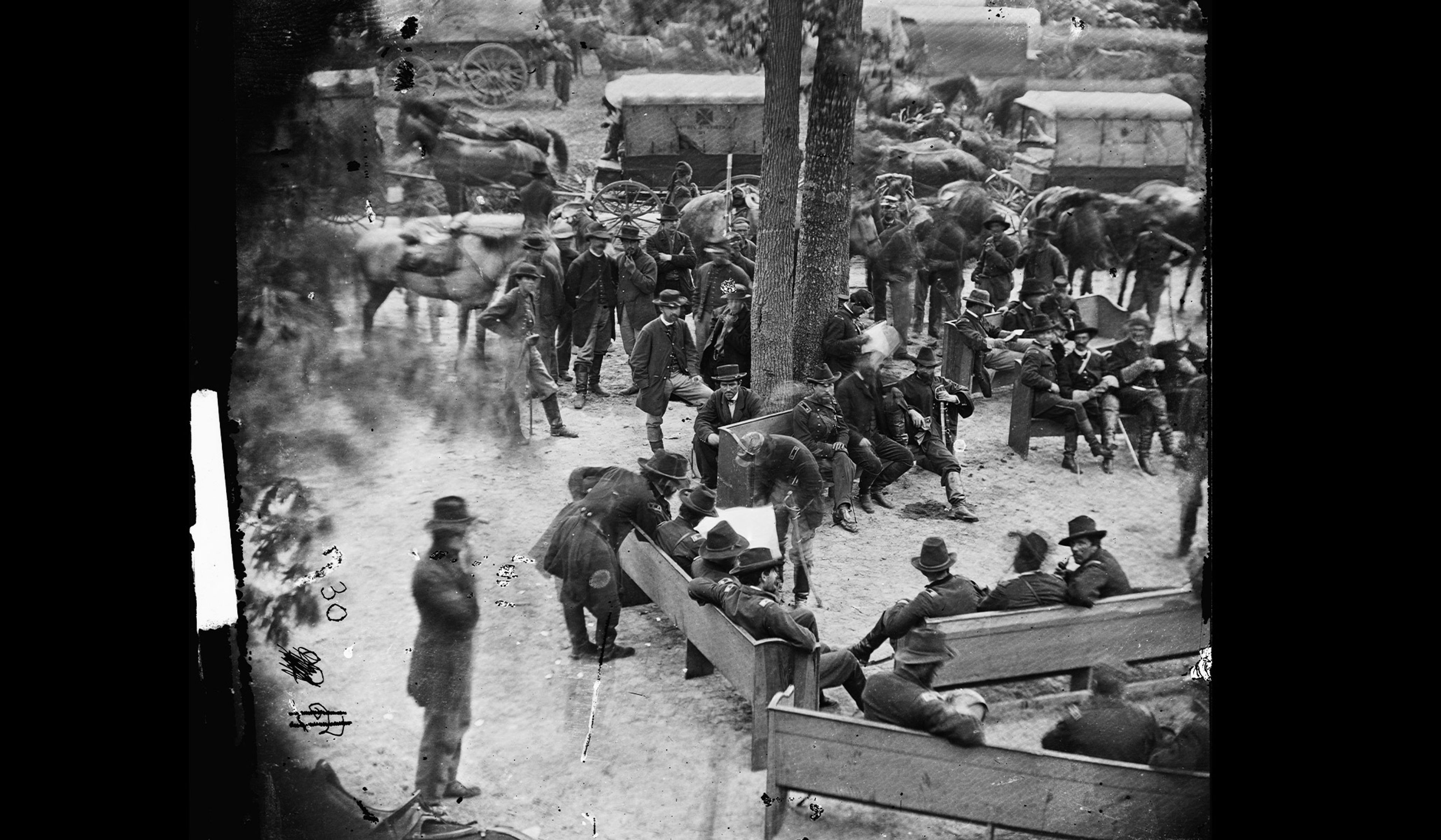
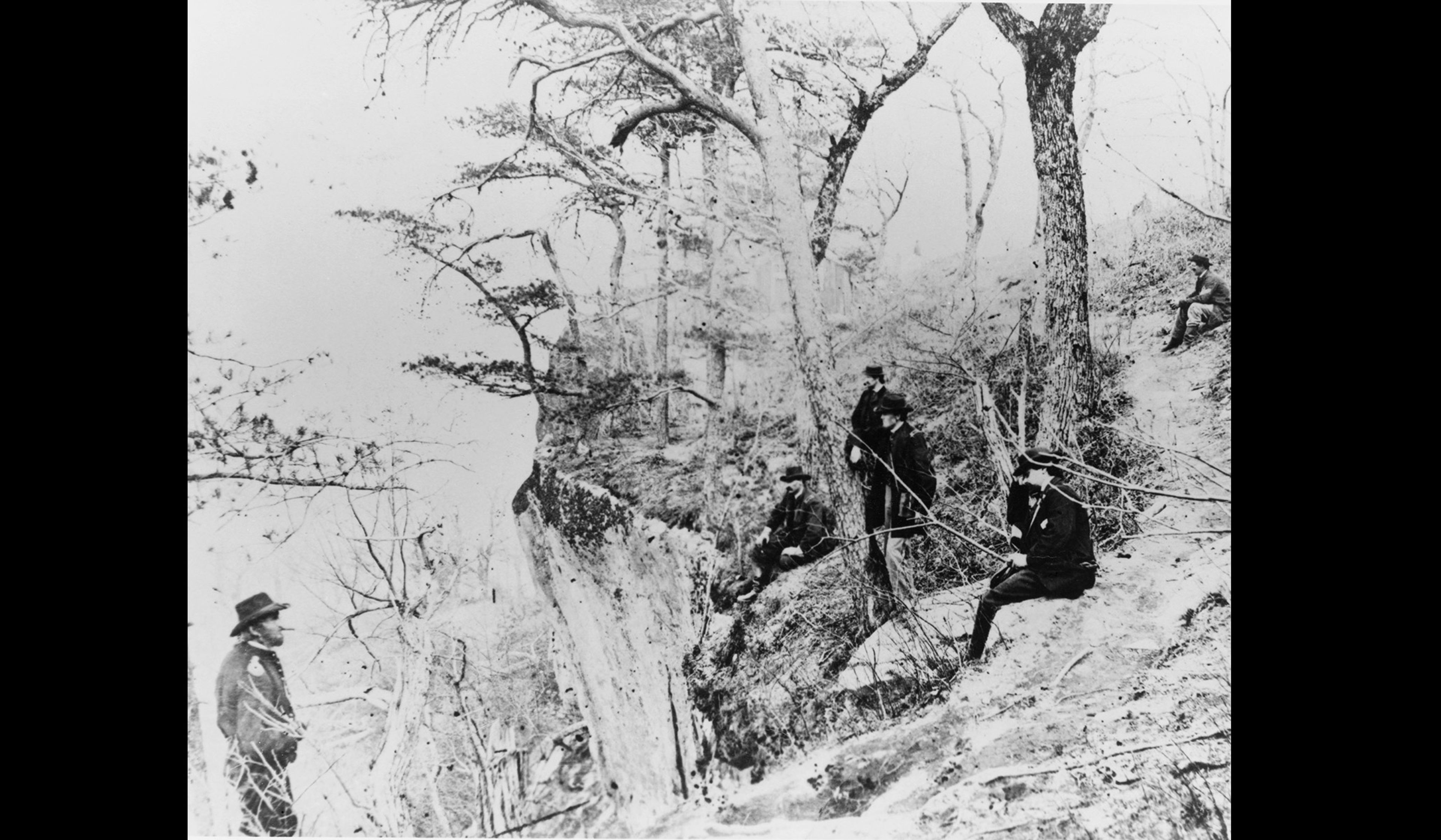
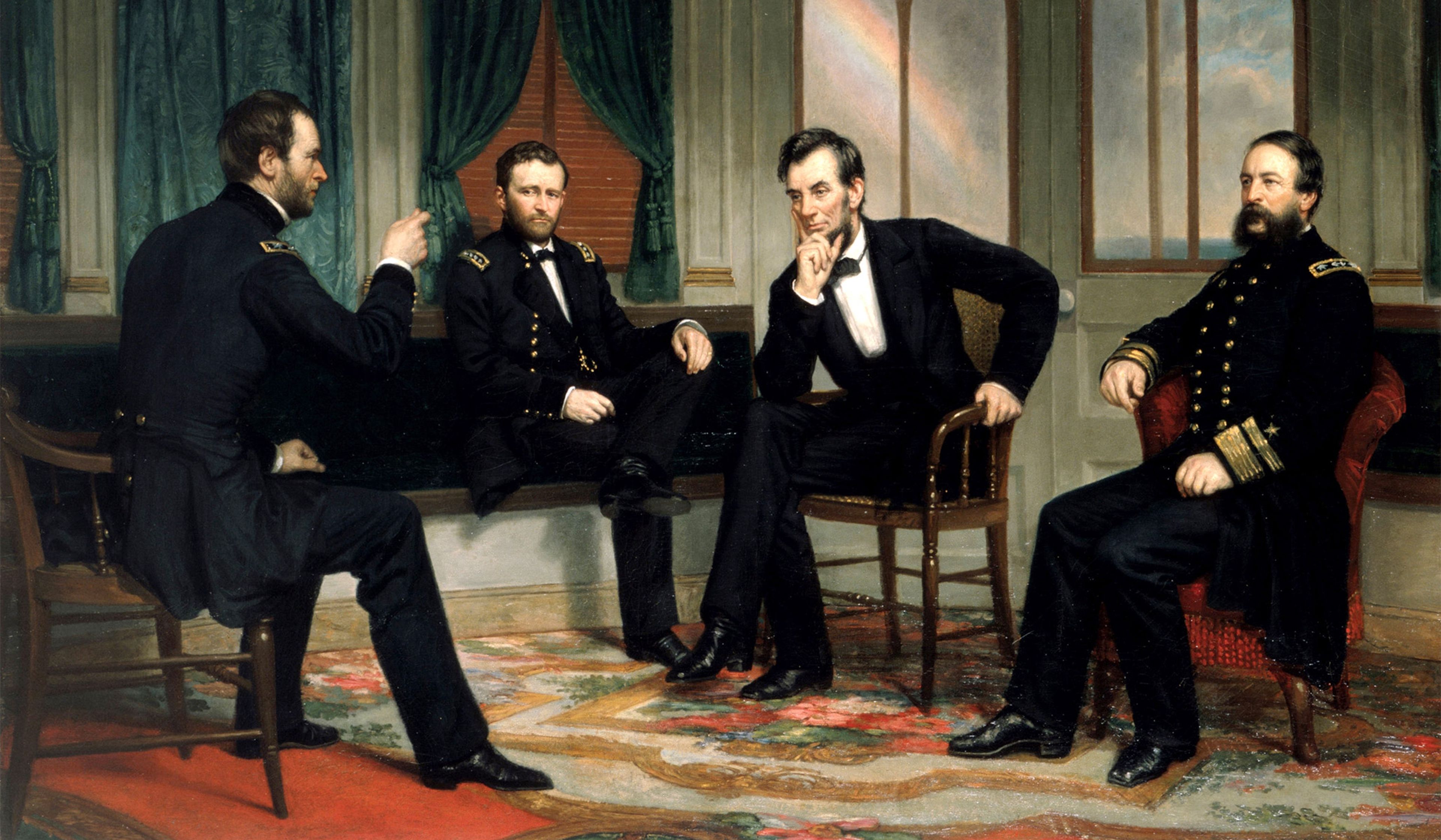
But when Grant took up farming in Missouri, neighboring slave-owners suspected “that he was not exactly one of us.” One slave, William Jones (who may have been a direct gift to Grant from his father-in-law), was freed by Grant in the spring of 1859. The secession of the Southern Confederacy and the outbreak of the Civil War in 1861 put Grant back into uniform, and after a year of fighting, he became convinced that slavery was “the corner stone of the Confederacy” and had to be destroyed. After Lincoln issued his Emancipation Proclamation, Grant not only endorsed emancipation but gave the “subject of arming the negro” his “hearty support”: “By arming the negro we have added a powerful ally. They will make good soldiers and taking them from the enemy weakens him in the same proportion they strengthen us.” In the meantime, Grant embarked on the series of victorious campaigns that made him general in chief of all the Union armies and forced the surrender of the principal Confederate army in 1865.
With the end of the war and the assassination of Abraham Lincoln, Grant was prepared to serve Andrew Johnson, who stepped into the presidency from the vice presidency upon Lincoln’s death. But Johnson clashed bitterly with Republicans in Congress, who laid out a forceful plan for Reconstruction that would use three constitutional amendments — the 13th, 14th, and 15th — to wipe out legal slavery and establish equal male voting rights and equal citizenship. Grant quietly distanced himself from the “accidental” president, and when the Republican National Convention assembled in 1868, Grant was the unanimous nominee for the presidency. He won election easily; his Democratic opponent, Horatio Seymour, carried only eight states.
Grant’s inaugural address sent the first signal about his embrace of the campaign for black civil rights. The Civil War had shown the need for guarantees of “security of person, property, and free religious and political opinion in every part of our common country,” all of which would be settled by “the ratification of the fifteenth article of amendment.” As he explained in an October 1872 letter to the philanthropist George Stuart, “I do not believe our Creator ever placed different races of men on this earth with the view of having the stronger exert all his energies in exterminating the weaker.” A month later, he affirmed to a black delegation from Philadelphia, “All citizens undoubtedly in all respects should be equal.”
Grant believed that the only thing that obstructed the path “to a happy unity and love of country grows out of the prejudice to color. The prejudice is a senseless one, but it exists.” And it existed in sufficient force to promise trouble. The Reconstruction Amendments added thousands of new black voters in the former rebel states but did little to subtract large numbers of white rebel officials and soldiers, who remained a potent political force. Organized into clandestine packs of terrorizers — the Ku Klux Klan, the White League, the Knights of the White Camellia — unrepentant Southern whites made it their business to restore Democrats, “the white man’s party,” to control.
Grant struck back at these attempts to undermine Reconstruction. In his first annual message to Congress (his “state of the Union”) in December 1869, he bitterly criticized the new Georgia Republican state government, which had ridden to power on black votes and then “unseated the colored members of the legislature” by pretending that the state constitution did not expressly authorize black legislators. This, Grant insisted, had to be remedied, “without delay,” by congressional action “authorizing the governor of Georgia to convene the members originally elected to the legislature.”
Matters were even worse in North Carolina, where the governor, William Holden, declared the western part of the state “in a state of insurrection.” One band of night riders even lynched a former Union soldier and black town commissioner, Wyatt Outlaw, from a tree outside the Alamance County courthouse. Grant responded by sending federal troops — two companies of the Eighth U.S. Infantry and eight companies of artillery — into North Carolina to “suppress violence and to maintain the law.”
Nowhere did Grant face a more daunting civil-rights challenge than in South Carolina. The first of the rebel states to break away from the Union, South Carolina had been readmitted under the Reconstruction Acts in July 1868, shortly before Grant’s election. Newly enfranchised black voters outnumbered whites, 79,000 to 46,000, and state elections installed Robert K. Scott as governor, along with a state legislature of 46 whites and 78 blacks.
Nevertheless, the new Reconstruction government was hammered from the first by Democratic backlash. The Ku Klux Klan became a major presence, and in Edgefield County, “every day colored men would come in and report the death, also whipping and abusing of persons.” In the run-up to the 1870 state elections, “all roads” in the northern counties “leading to and from the Railroad,” for “a distance of about twenty-five miles,” were “guarded by armed bodies of white men.”
Election Day itself passed peacefully, and Scott was reelected by a healthy majority. But disgruntled Democrats promptly claimed fraud, and rioting erupted in Laurens and Newberry Counties. Appealing to Grant for help, Scott wrote that “colored men and women have been dragged from their homes in the dead of night and most cruelly and brutally scourged for the sole reason that they dared to exercise their own opinions upon political subjects.”
The political situation only deteriorated through the winter, with murders, beatings, and shoot-outs multiplying in Chester, Spartanburg, York, and Union Counties. Scott now renewed his appeals to Grant, asking on February 14, 1871, that “a detachment of U.S. troops” be dispatched to Union County, and forwarding a plea by the state legislature for federal “protection against domestic violence.”
Grant did not, however, move at once. Sending in federal troops would do little to suppress violence if the Klan members they arrested could hop out of their grasp with the issue of a writ of habeas corpus by a conniving judge. Grant might, on the example of Lincoln, have issued a suspension of the writ on his authority as president. But Lincoln’s suspension was a wartime action, and the Supreme Court’s post-war decision in Ex parte Milligan made reliance on military courts in civilian cases unpredictable. Instead, Grant wanted Congress to take the lead, and slowly it lumbered into action. The 41st Congress had already adopted two Enforcement Acts, in May 1870 and again in February 1871, directed at the riots. At Grant’s prompting, the 42nd Congress adopted an even stronger measure in March, an “Act to Enforce the Provisions of the Fourteenth Amendment” (known more loosely as the “Ku Klux Klan Act”), which authorized Grant “to suspend the privileges of the writ of habeas corpus.”
Meanwhile, five companies of the U.S. Seventh Cavalry under the command of Major Lewis Merrill arrived in South Carolina, to be joined by three more companies in May and June. “I never conceived,” Merrill reported bluntly, “of such a state of social disorganization being possible in any civilized community. . . . I was absolutely incredulous, not only of its extent, but of the possibility of such a state.” But Merrill had substantial experience during the Civil War in coping with guerrilla bands in Missouri, and he put it to good use. By October, he had the Klan on the run.
Merrill was seconded by Grant’s attorney general, Amos Tappan Akerman, a former Georgia Confederate who joined the Republican Party after the war and became a fervent supporter of Reconstruction. Akerman had already initiated proceedings against the Klan in Louisiana and North Carolina. Believing that the Klan’s tactics “amount to war and cannot be effectively crushed on any other theory,” Akerman moved energetically to prosecute the Klan in South Carolina, bringing 785 indictments into federal district court, 79 of them alone from York County.
When the trials opened in Columbia on November 28, 1871, with U.S. v. Allen Crosby, Akerman had an additional weapon in his legal arsenal. Working with David Corbin, the federal district attorney for South Carolina, Akerman argued that Klan terrorism was not a matter for state courts in South Carolina; it was a violation of the 14th and 15th Amendments and should be tried in federal court. (This was, in effect, an early version of the “incorporation doctrine,” making federal law applicable to what were otherwise cases that occurred within state jurisdiction.)
But the biggest weapon was wielded by Grant. It was Grant who authorized Akerman to use federal troops “to aid in any arrests” in June, and Grant who issued a warning proclamation in mid October, commanding “all persons composing the unlawful combinations and conspiracies . . . to disperse . . . within five days of the date hereof.” And finally, a week later, it was Grant who ordered, under the terms of the Ku Klux Klan Act, the suspension of the writ of habeas corpus in nine of the most lawless South Carolina counties, authorizing federal marshals and “any military officer” to arrest “any one in said counties, charged with a violation of the act of Congress.”
It was not a decision he came to lightly. Everyone should understand his “reluctance to exercise . . . extraordinary powers” that he was sure would be attacked as dictatorial. But the Ku Klux Klan had taken as its object “depriving the emancipated class of the substantial benefits of freedom” through “frequent scourgings and occasional assassinations.” And the suspension of habeas corpus and the deployment of “the military forces of the United States” had resulted in 168 convictions, while “many persons absconded.” Indeed they had. “There is not one in fifty of them but is uneasy and trembling at the sight of an officer or a blue-coat,” said Elias Hill, a Baptist preacher who had been attacked by the Klan, in testimony to a joint congressional committee, “and they are staying out in the woods by day, and some by night, like we used to do.”
Grant, along with Akerman and Corbin, effectively put the Klan out of business in South Carolina. His action represented the most dramatic federal intervention on behalf of black civil rights before Dwight Eisenhower used the 101st Airborne to enforce the desegregation of Central High School in Little Rock in 1957. It also represented the high tide of Grant’s interventions. Amos Akerman had stepped on too many of the toes of Grant’s other cabinet secretaries, especially Secretary of State Hamilton Fish, and at the end of December 1871 Grant reluctantly asked for Akerman’s resignation, replacing him as attorney general with George Williams.
Akerman acceded, acknowledging that “the president, I am sure, is resolute in his determination to protect the friends of the Government at the South.” But privately, Akerman complained that Grant’s cabinet had no stomach for dealing with “such atrocities as Ku Kluxery.” Neither did the courts, which balked at the strategy for prosecuting Ku Klux Klan crimes in South Carolina as federal crimes, and by 1873, Attorney General Williams was advising Corbin and other federal officials not “to multiply suits . . . as they tend to keep up an excited state of feelings, and are a great expense to the United States.” That same year, the U.S. Supreme Court, in the Slaughterhouse Cases, made federal prosecutions of what were judged state and local offenses nearly impossible.
Grant, meanwhile, had other insurrections to distract him. More political eruptions and racial massacres in Louisiana and Mississippi clamored for attention, and even though he won reelection in the fall of 1872, he was crippled by a series of highly publicized scandals in his administration and an economic depression in 1873, which together brought a Democratic majority back into control of the House of Representatives for the first time in 20 years. After that, there would be no more funding available for experiments in enforcing civil-rights laws.
By the time Grant left the White House in March 1877, the Reconstruction regimes he struggled to save were foundering. Grant, as Frederick Douglass maintained in 1875, had been “our shelter in the storms of the past. . . . Well indeed will it be for us if one as true, just and able shall come after him.” But with Grant’s departure, that time was over. The era of Jim Crow was at hand.
But at least for the space of one presidency, the slide toward racial nightmare was staved off. “The unfounded character of prejudice,” Grant said in November 1869, was “deeply implanted” in human nature. Yet, he predicted, it “must, sooner or later, yield to the force of truth.” Democracy is “broad enough and strong enough to extend” its “benefits wherever voluntarily received.” It would take almost another century before a United States president would speak so boldly.
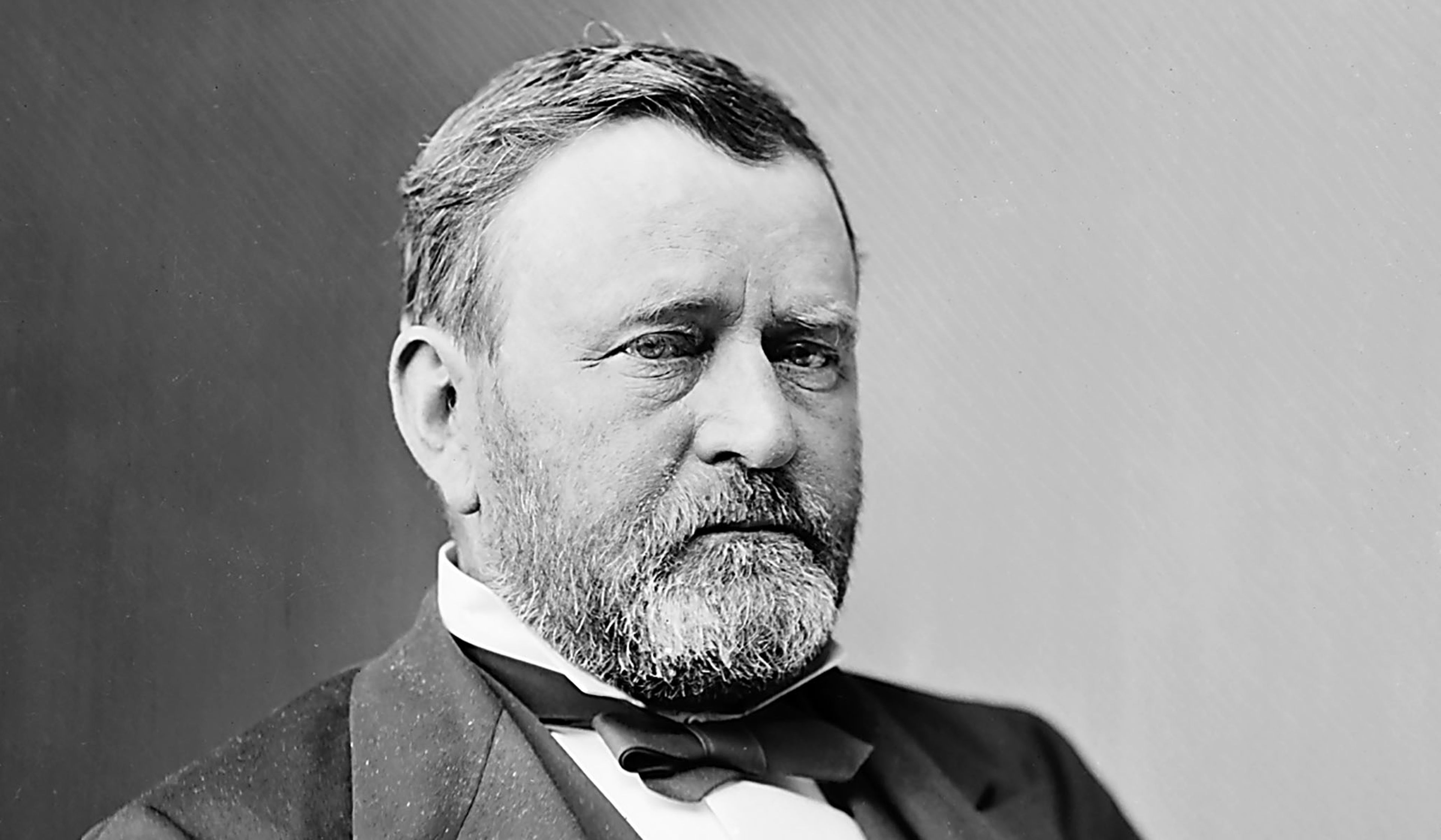
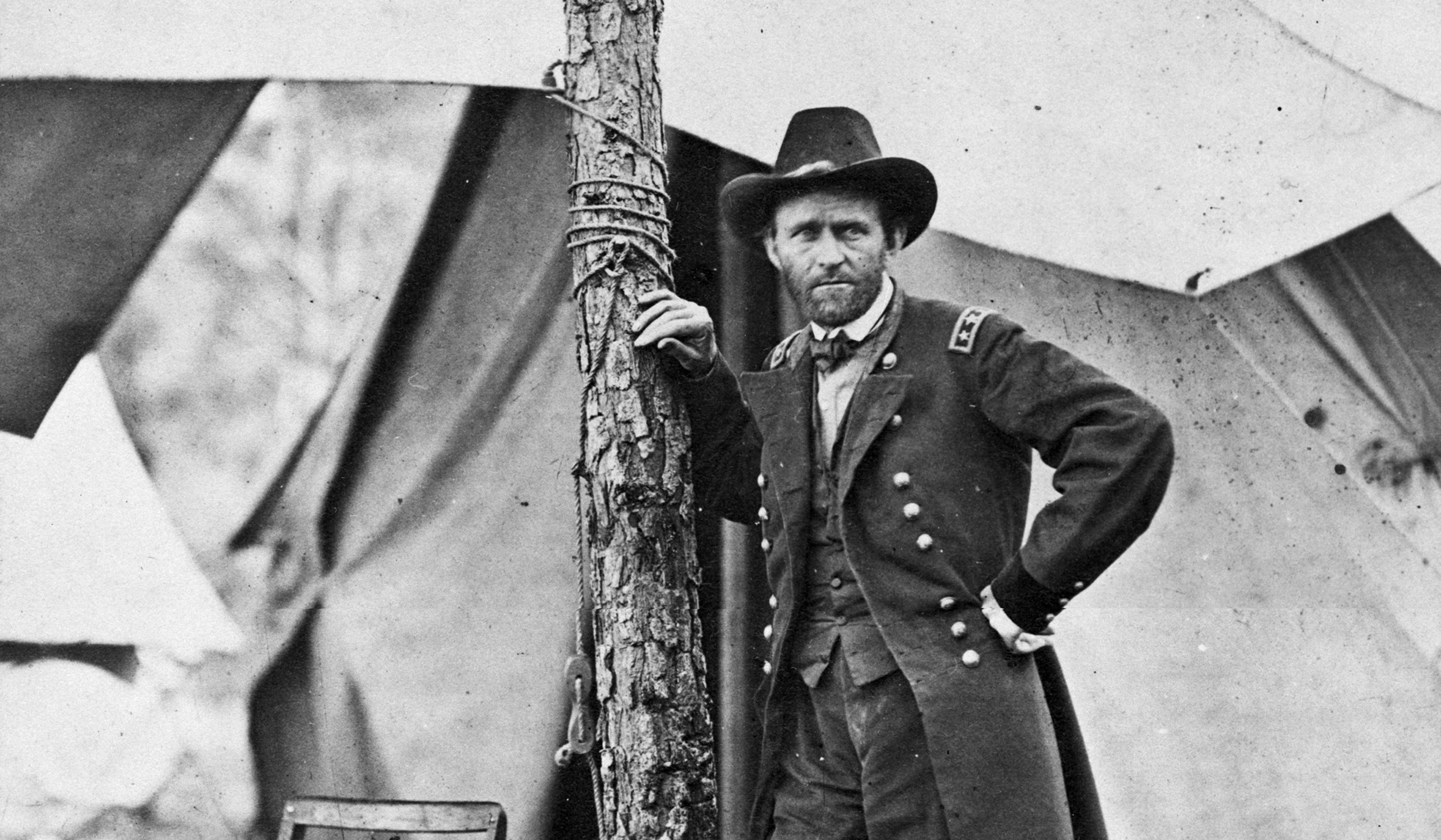
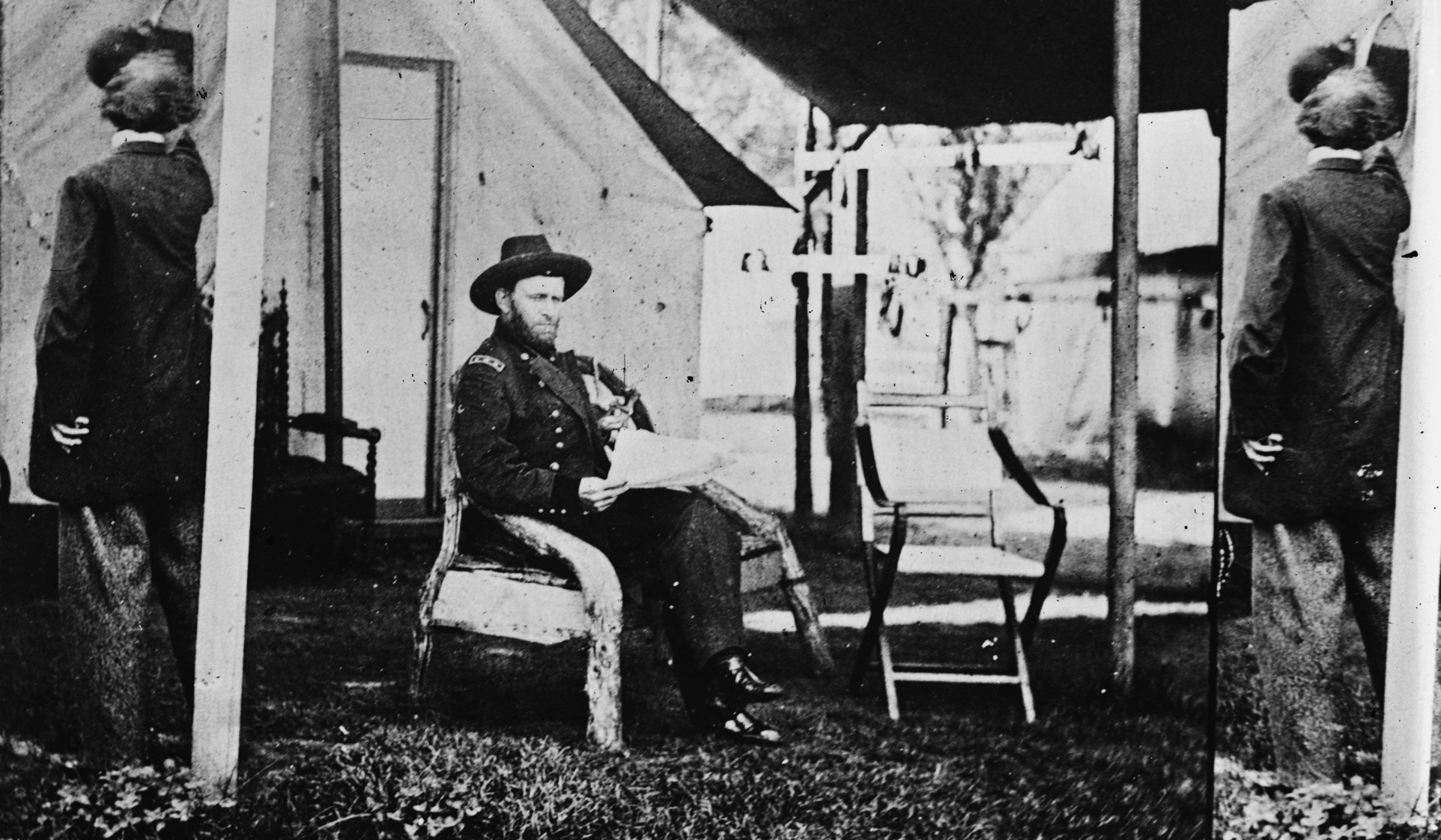
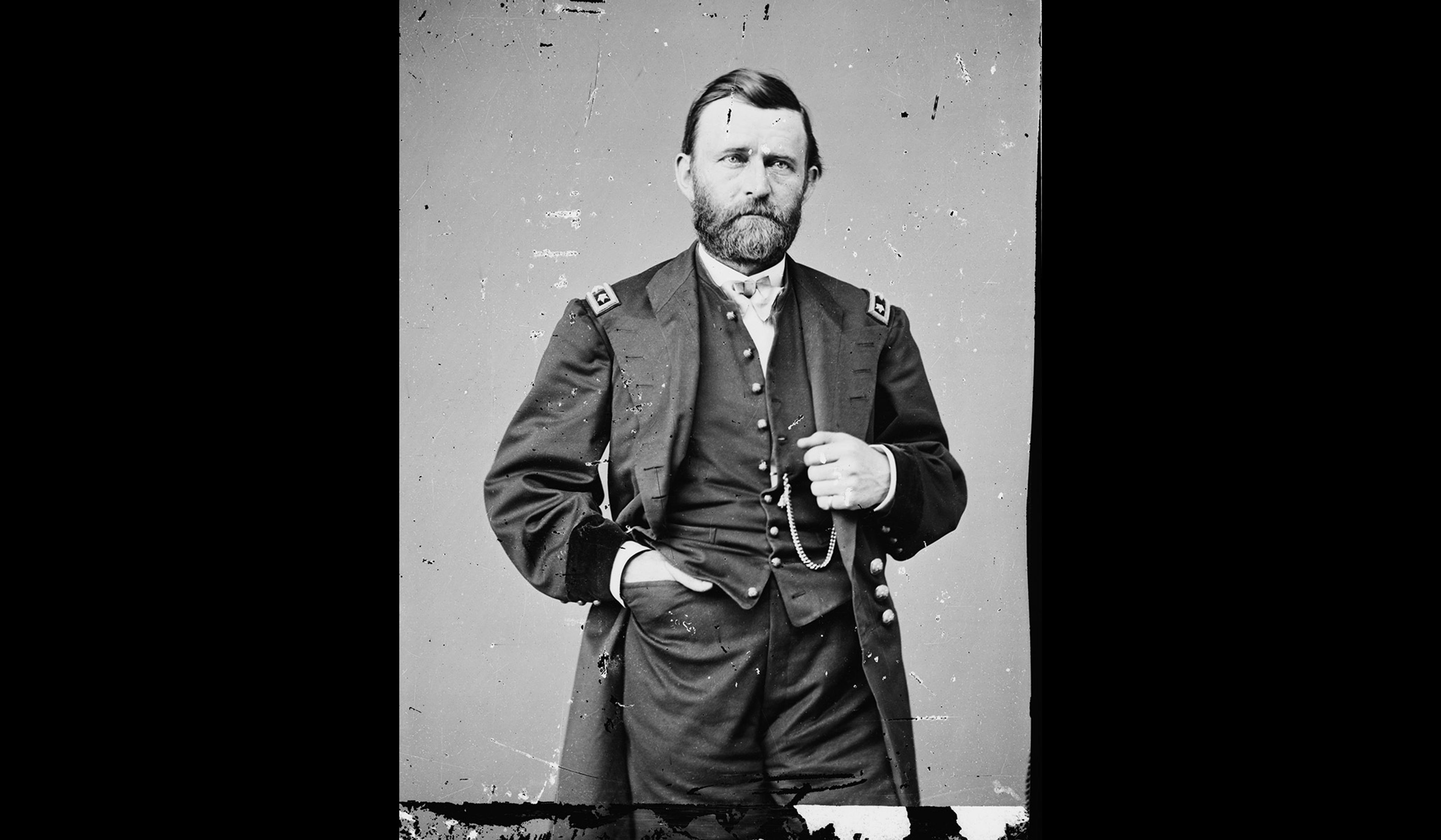
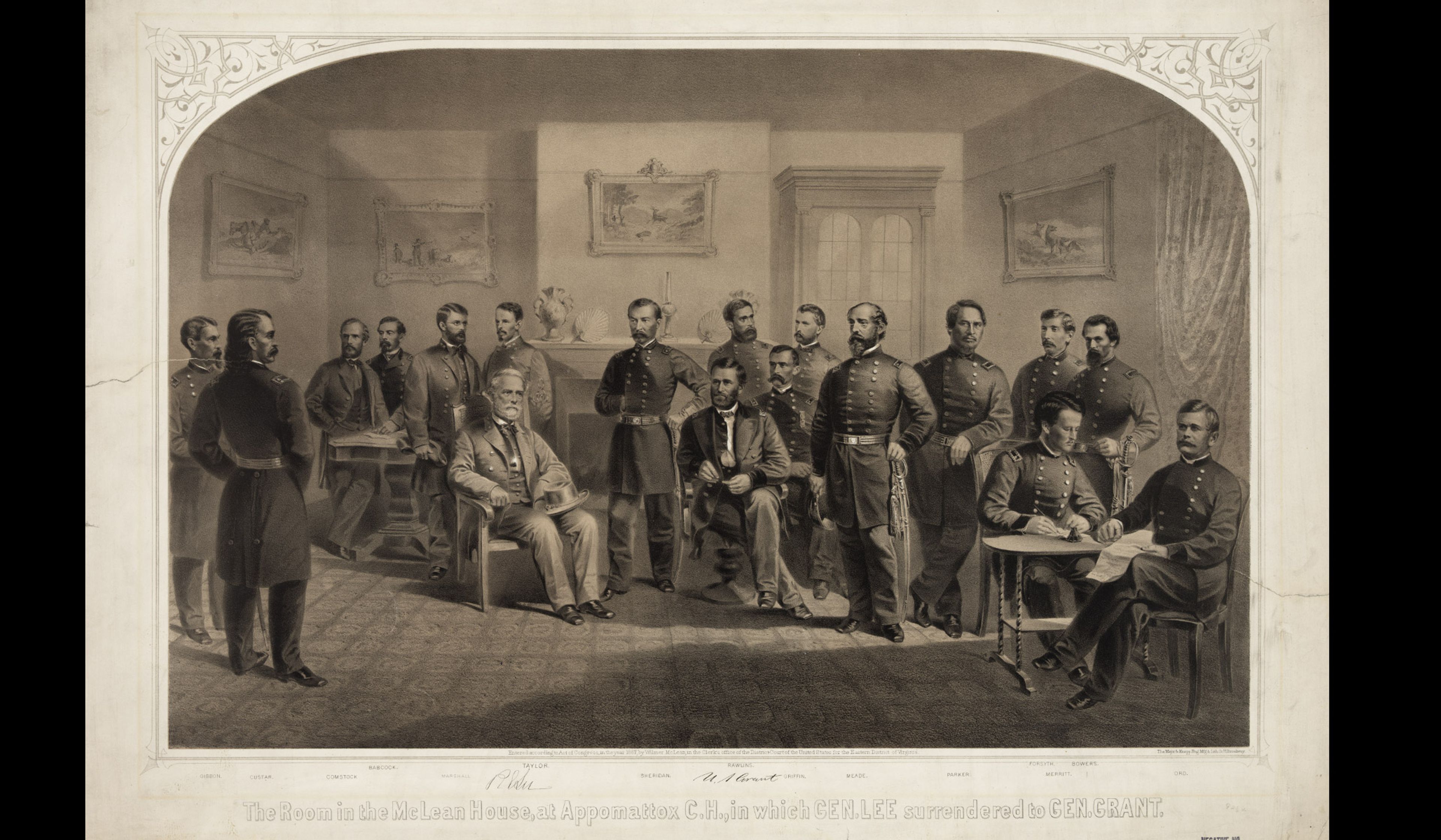
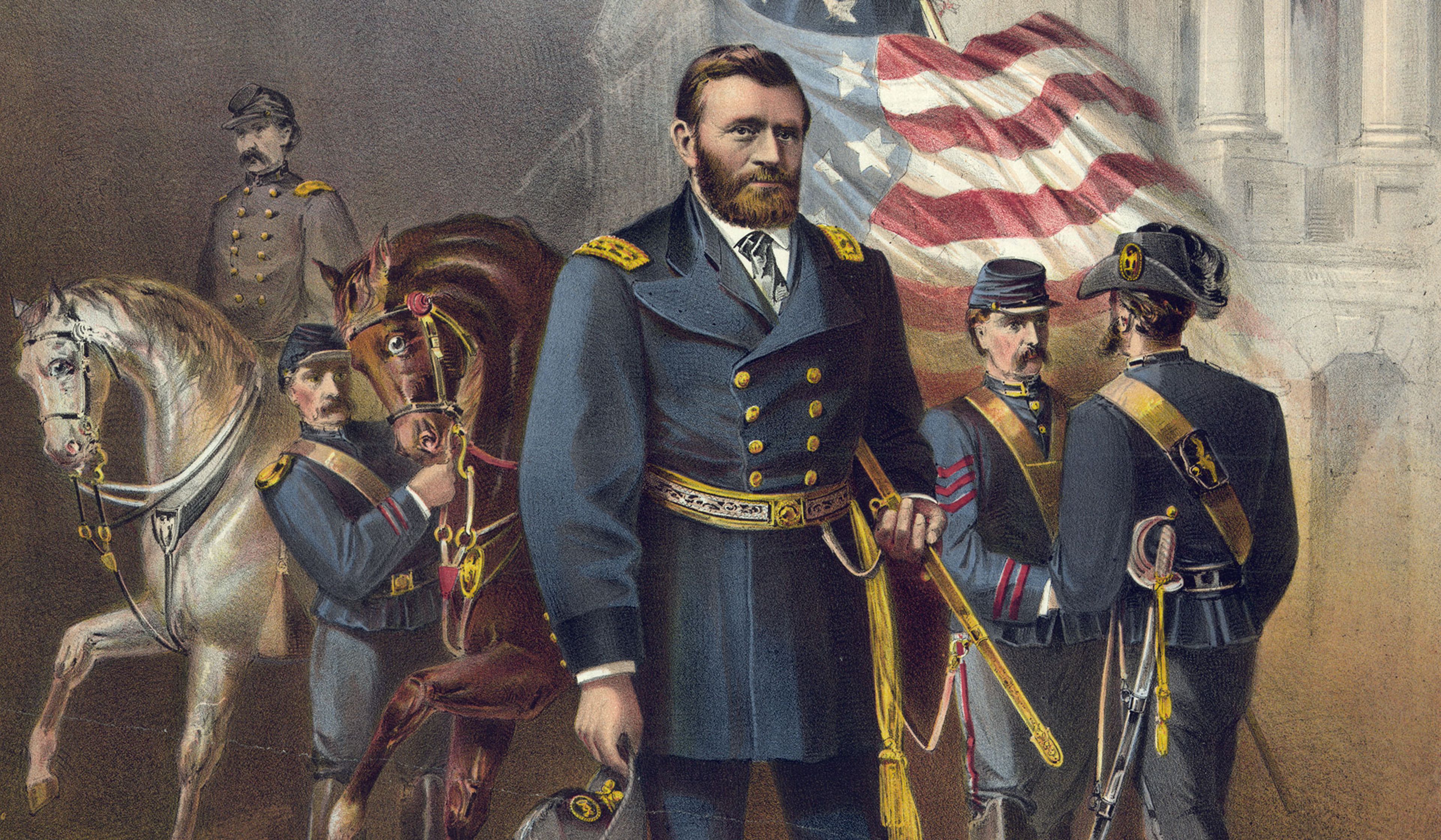
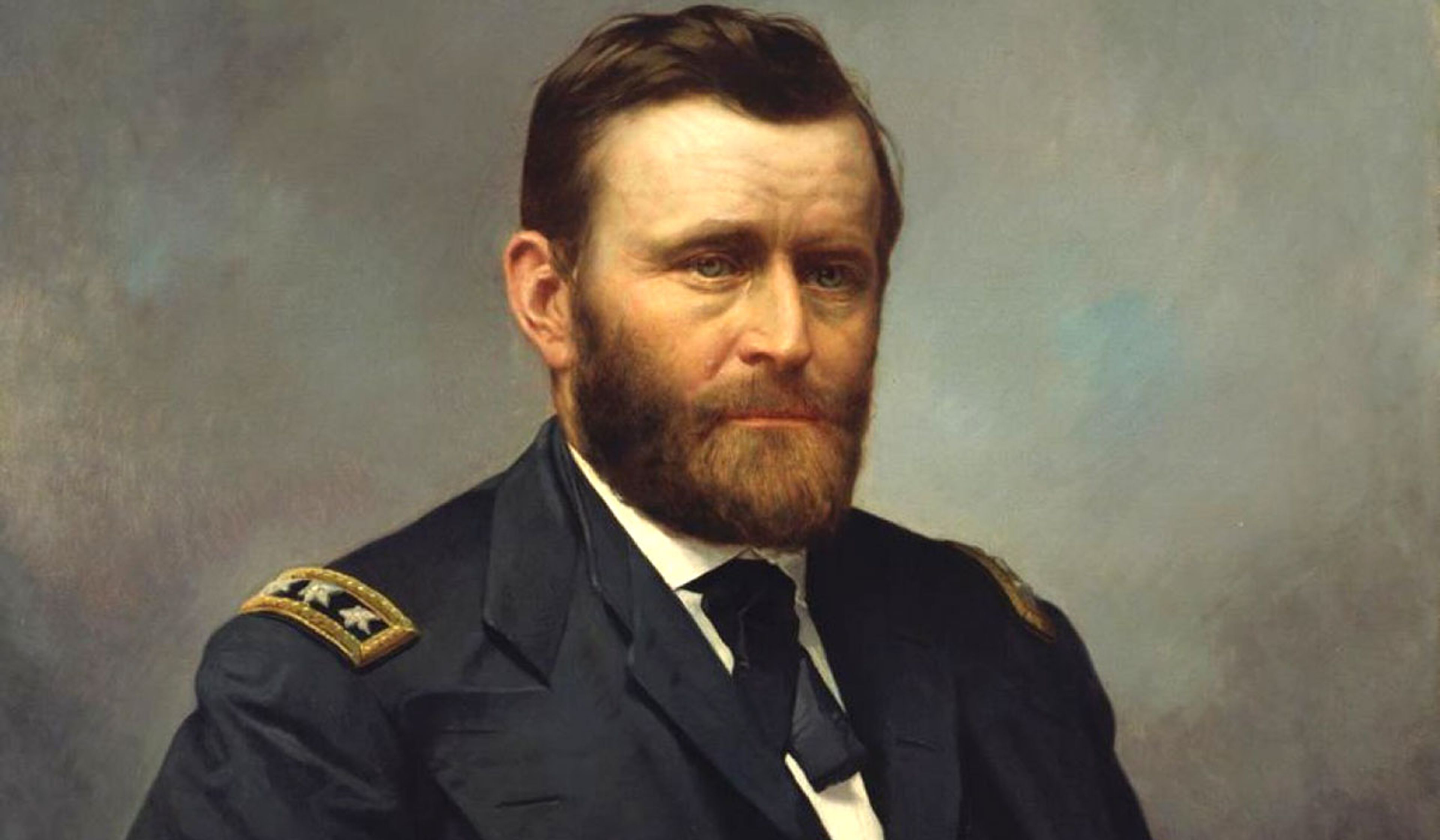
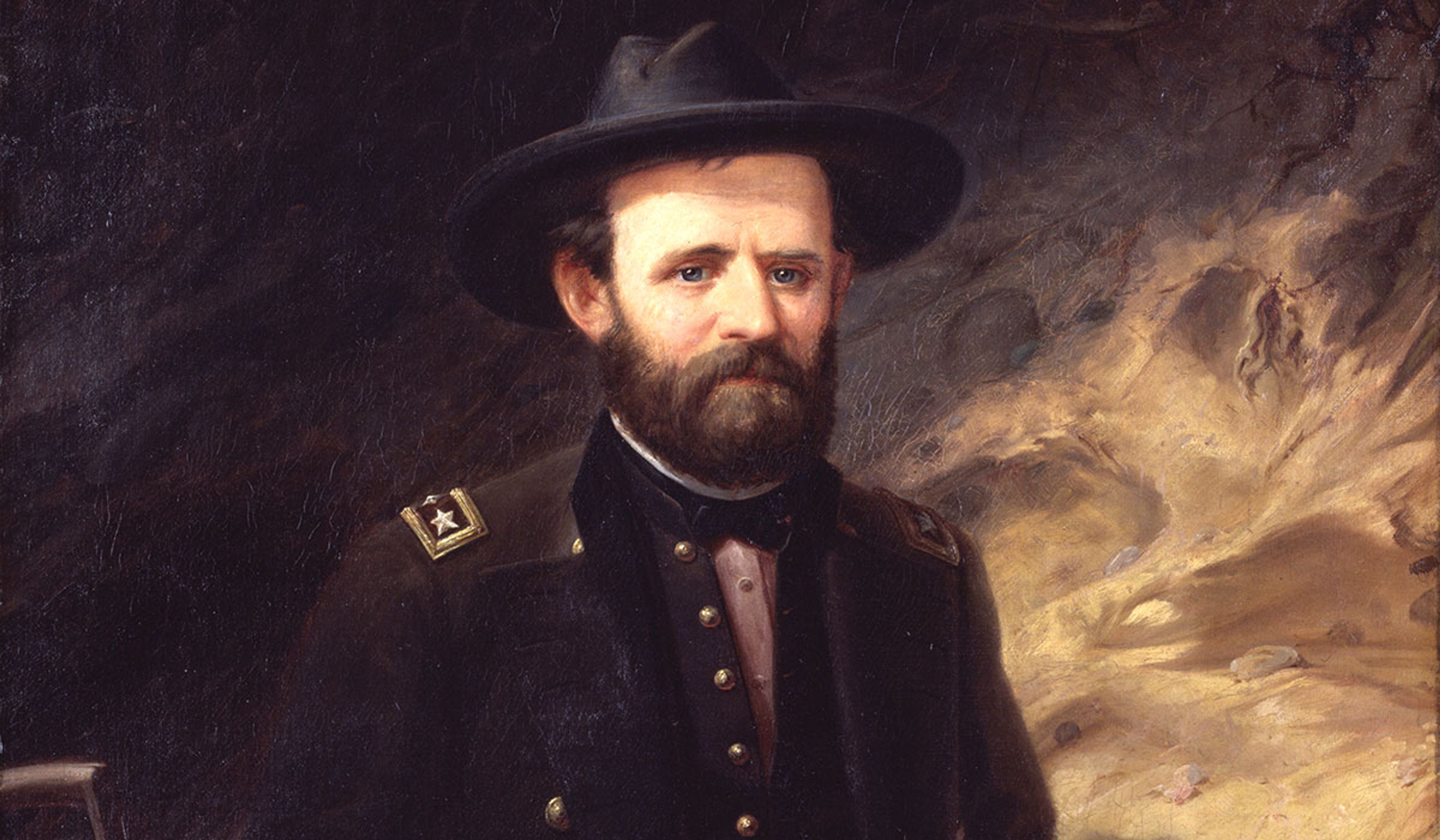
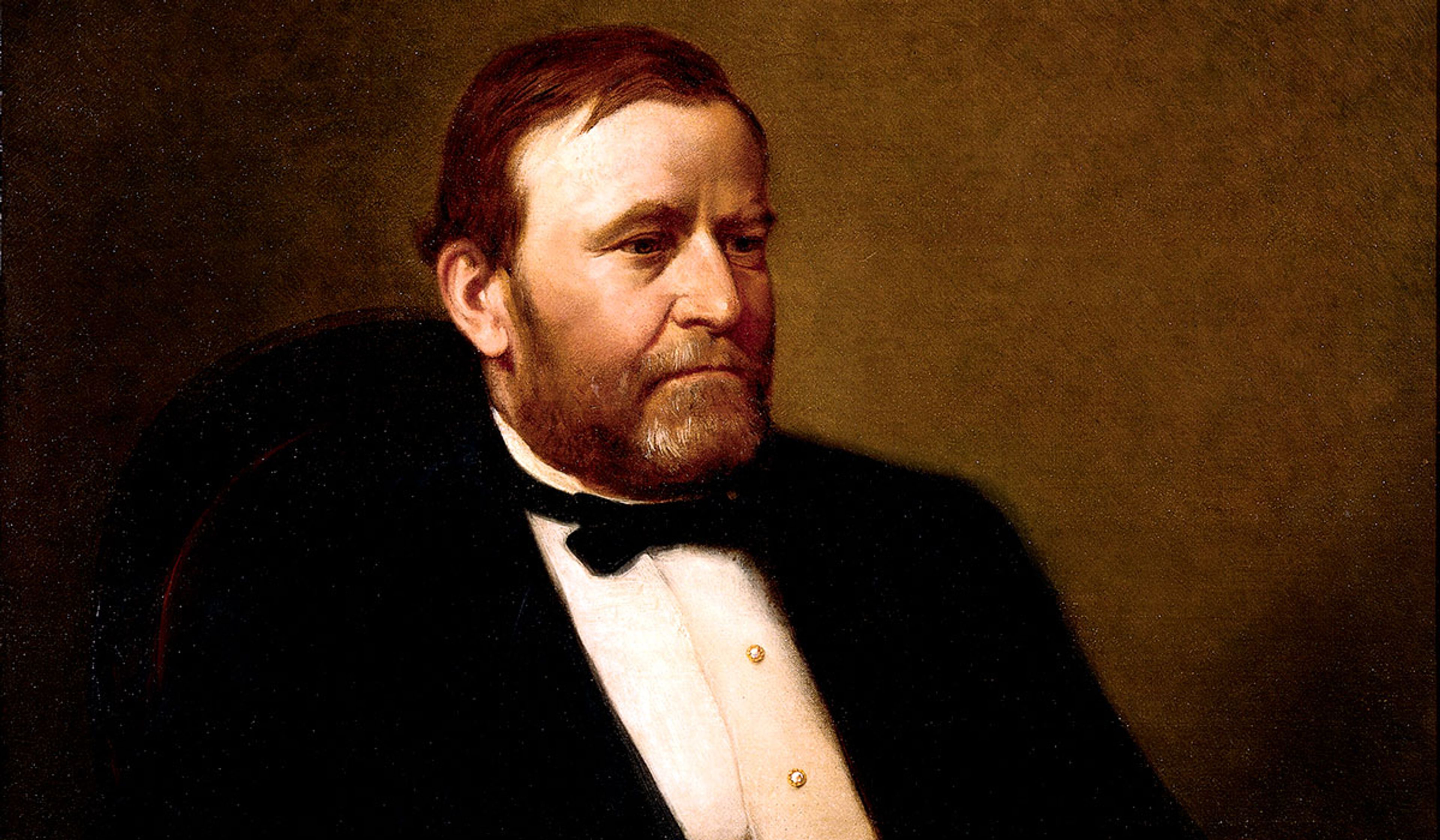
Detail of portrait of President Ulysses S. Grant, undated.
Brady-Handy Photograph Collection/Library of Congress/Wikimedia Commons










Comments