Samuel T. Wilkinson, a psychiatry professor at Yale, takes on what he calls “the existential dilemma of Darwinism” in Purpose: What Evolution and Human Nature Imply about the Meaning of Our Existence (Pegasus, 352 pp., $29.95). The dilemma is personal for him. As a student in medical school, he found that the theory of evolution challenged his religious faith, that he struggled to reconcile a “benevolent God who created us with the seemingly mindless process of evolution.” To get at an answer, he crosses disciplines, synthesizing the findings and arguments of scientists, philosophers, sociologists, and anthropologists. Along the way he deals with the problems of evolution’s seeming randomness and whether or not free will exists. The result is a clear and fascinating case for a broadly theistic conception of evolution that considers the “dual potential of human nature” — our propensity for both altruism and selfishness, or, put another way, good and evil — to be both a result of the way evolution shaped us and a key to what gives life meaning. “Life is a test,” Wilkinson concludes. “A principal purpose of our existence is to choose between the good and evil inherent within us.”
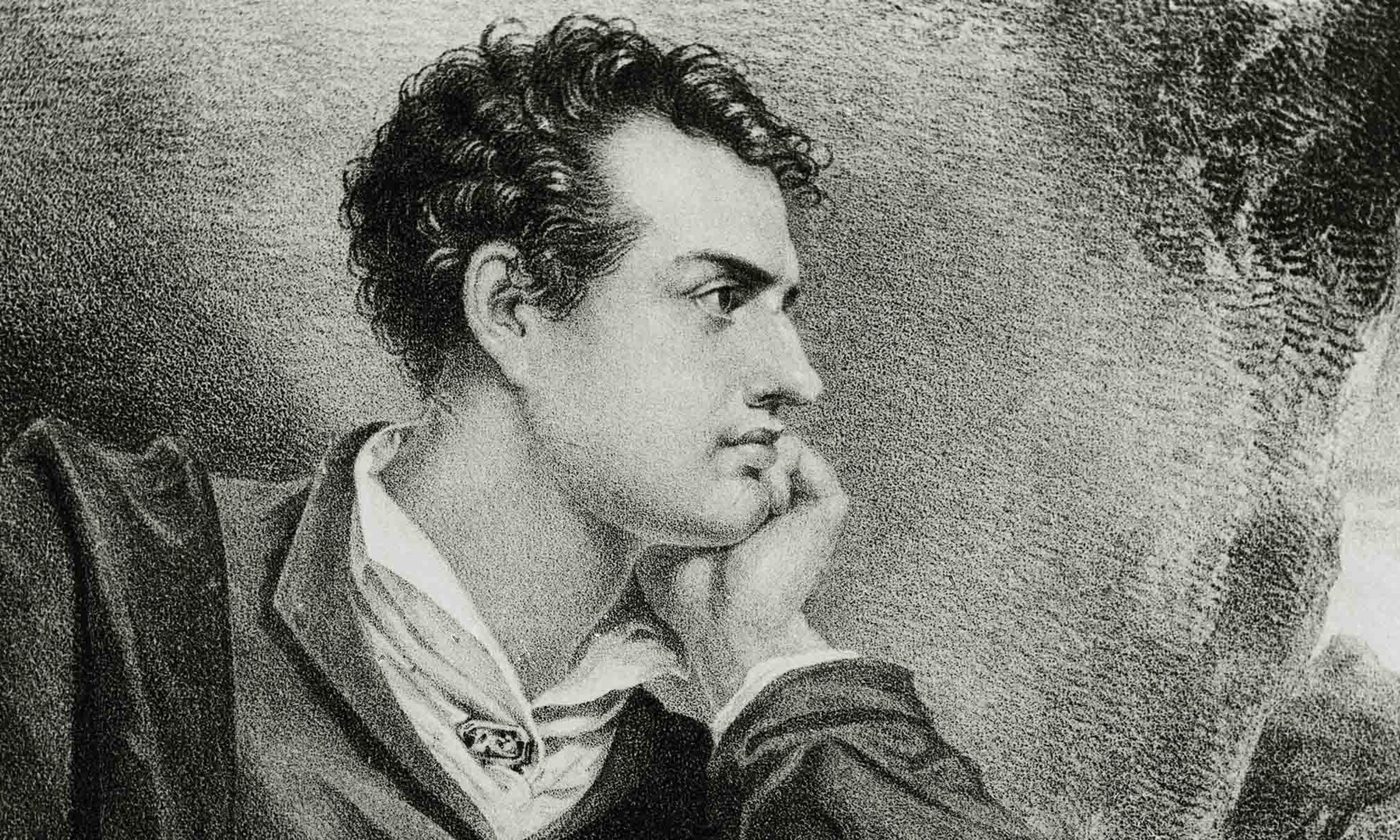
“A very bad, very good man” was Annabella Milbanke’s estimation of Lord Byron, in a letter to her mother, during their courtship. By the time she had left him, taking their infant daughter, a year after they married, her judgment of him may have aligned more closely with the famous summation of Lady Caroline Lamb: “Mad, bad, and dangerous to know.” This year marks the 200th anniversary of Byron’s death at age 36 in Greece, an event that “to his contemporaries . . . felt something like the end of the world,” according to Andrew Stauffer in his new book, Byron: A Life in Ten Letters (Cambridge, 300 pp., $29.95). Byron left behind memoirs, which his friends promptly burned. (It’s not hard to imagine why. As Stauffer puts it: “Rumors of blasphemy, adultery, sodomy, incest, and madness surrounded him, many of them mostly true.”) Fortunately, thousands of his letters remain, an epistolary trove that Stauffer draws from to provide pegs for his absorbing narrative. Stauffer’s Byron is a man of contradictions — by turns witty, charming, warm, egotistical, self-mythologizing, deluded, an enemy of cant, coldly cruel (notably to women), pragmatically charitable, a privileged aristocrat, and a revolutionary. In Stauffer’s telling, Byron’s fatal championing of Greek independence was mostly admirable — if he was mainly playacting the soldier and used by rival Greek factions as a purse, he was at least sincerely invested in the cause and willing to act to advance it. In the end, his death from a fever brought on by a ride in the rain was more pitiable than romantic or heroic — an irony he might have appreciated.










Comments