For American conservatives, preserving what is good in our inheritance means the repristination of the Founders’ ideals. What the Founders bequeathed to us was sufficient to our needs, and maintaining it was good for the character of statesmen and the people both.
From Washington’s Farewell Address to the formulation of the Monroe Doctrine, America’s first statesmen outlined a truly American foreign policy approach. On one hand, we would heed Washington’s advice against entangling alliances in the Old World. On the other, with the Monroe Doctrine, we would prevent the intrusion of foreign empires into our hemisphere and begin subtracting the influence of those remaining. But after World War II, conservatives made a great exception to their fidelity to the early American political vision.
“It has never been isolationism,” wrote Senator Robert A. Taft, summing up this legacy in 1951, “but . . . it has always opposed any commitment by the United States, in advance, to take any military action outside of our territory. It would leave us free to interfere or not interfere according to whether we consider the case of sufficiently vital interest to the liberty of this country. It was the policy of the free hand.”
Taft was recording the virtues of the Founders’ foreign policy even as he and most other conservatives of his time were abandoning it to deal with the crisis of global, expansionist communism. Warning of the increasing Stalinist threat, he wrote, “Unless our foreign policy is conducted more competently than it has been during the past ten years, our very survival is in doubt.” His book outlining this change, A Foreign Policy for Americans, is an attempt to reconcile his inherited principles with the political imperative to support the emergence of NATO and its Article 5 guarantee. A new, ongoing entanglement — a commitment in advance — would be the cornerstone of Western resistance.
William F. Buckley Jr. recognized the change of principle involved in the confrontation with Soviet communism. Writing in Commonweal just a year after Taft, he averred that, “ideally, the Republican platform should acknowledge a domestic enemy, the State,” but that “the most important issue of the day, it is time to admit, is survival.” And to that end, “we have got to accept Big Government for the duration — for neither an offensive nor a defensive war can be waged, given our present government skills, except through the instrument of a totalitarian bureaucracy within our shores.” If conservatives “deem Soviet power a menace to our freedom (as I happen to), they will have to support large armies and air forces, atomic energy, central intelligence, war production boards, and the attendant centralization of power in Washington — even with Truman at the reins of it all.”
Today, policymakers and intellectuals are reacting in much the way that Taft and Buckley did when they woke up to a world where communist power was ascendant and politically aggressive: they are questioning old dogmas and practices. In the contemporary case, they are not abandoning the deep traditions of small-r republican foreign policy. Instead, they are jettisoning a very strong but not constitutionally embedded policy bias toward free trade.
Because the Founders organized our institutions to support the kind of foreign policy that they deemed suitable for republics, the great exception has involved some constitutional damage. The Founders wanted the House to have war powers, keeping them close to the people themselves, whose blood and treasure were at risk. But Congress has allowed that power to drift to the executive through the War Powers Act and the creation of a giant bureaucracy and national security courtesan class around the commander in chief.
Conservatives looking back on this period recognize the sacrifice. On the consequences of World War II and the dawn of the Cold War, conservative historian Sean McMeekin could write, provocatively, that “the price Americans paid for this victory was the erosion of their own civil liberties, with an ever-expanding security state contrary to the country’s founding principles and stated ideals, which bears increasing resemblance to the Soviet version they struggled against.”
McMeekin overstates for effect — the U.S. does not have the kind of torture rooms that are part of the House of Terror Museum, Budapest’s memorial to 20th-century tyranny. But he and Buckley before him are correct to note that, in geopolitical conflict, imitation becomes almost inevitable. The Soviet Union fought the Cold War through militarism, political subversion, spying, and the penetration of native political movements. And it had a unique advantage in that thousands of Western intellectuals, and perhaps millions of Western mediocrities, believed in a form of egalitarianism that made them at least somewhat sympathetic to communism as a system with ideals.
So we confronted it with permanent military alliances, intelligence bureaucracies of our own, propaganda of our own through Radio Free Europe, and by more or less sponsoring the anti-communist Left in much of the free world, the way communists sponsored anti-colonialism or any movement in favor of mayhem. We won against Sovietism, but the victory over communism itself is yet to be achieved.
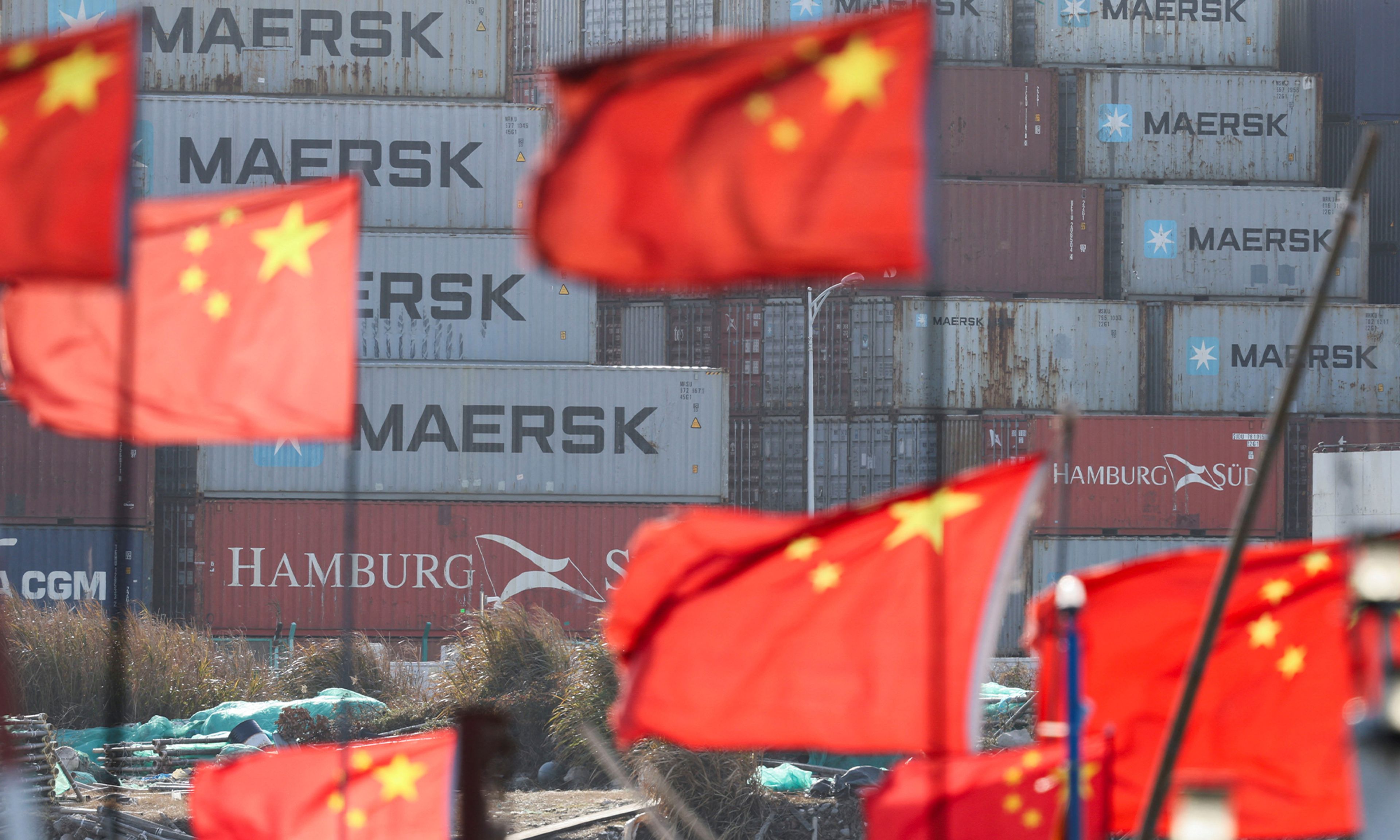
In the past decade, the United States has been compelled to face the reality that the Chinese Communist Party has not melted into air. Globalization and even a modest prosperity for the Chinese masses have not undermined the party’s grip on Chinese society but, to our dawning horror, legitimized and strengthened it. China continues to build its People’s Liberation Army, and it continues to use the oldest forms of spycraft. But China has not sponsored revolution abroad to achieve its aims. Instead it has used financial and commercial might to change the world. It uses arguably predatory development deals to advance its Belt and Road Initiative. And, it uses aggressive, globally competitive Chinese firms as arms of its power and influence.
China is not just first in the world in value-added manufacturing, it is larger than the next four largest manufacturing powers — the United States, Japan, Germany, and India — combined. It achieved this position through aggressive state investment in industry combined with massive foreign investment. After decades of expanding its manufacturing base, and rashes of intellectual property theft, China has successfully climbed the value chain. By the late 2010s, Apple CEO Tim Cook could honestly tell investors and reporters that China was no longer attractive to him for cheap labor. It was attractive to him as a manufacturing destination because it had so many more skilled engineers than America had.
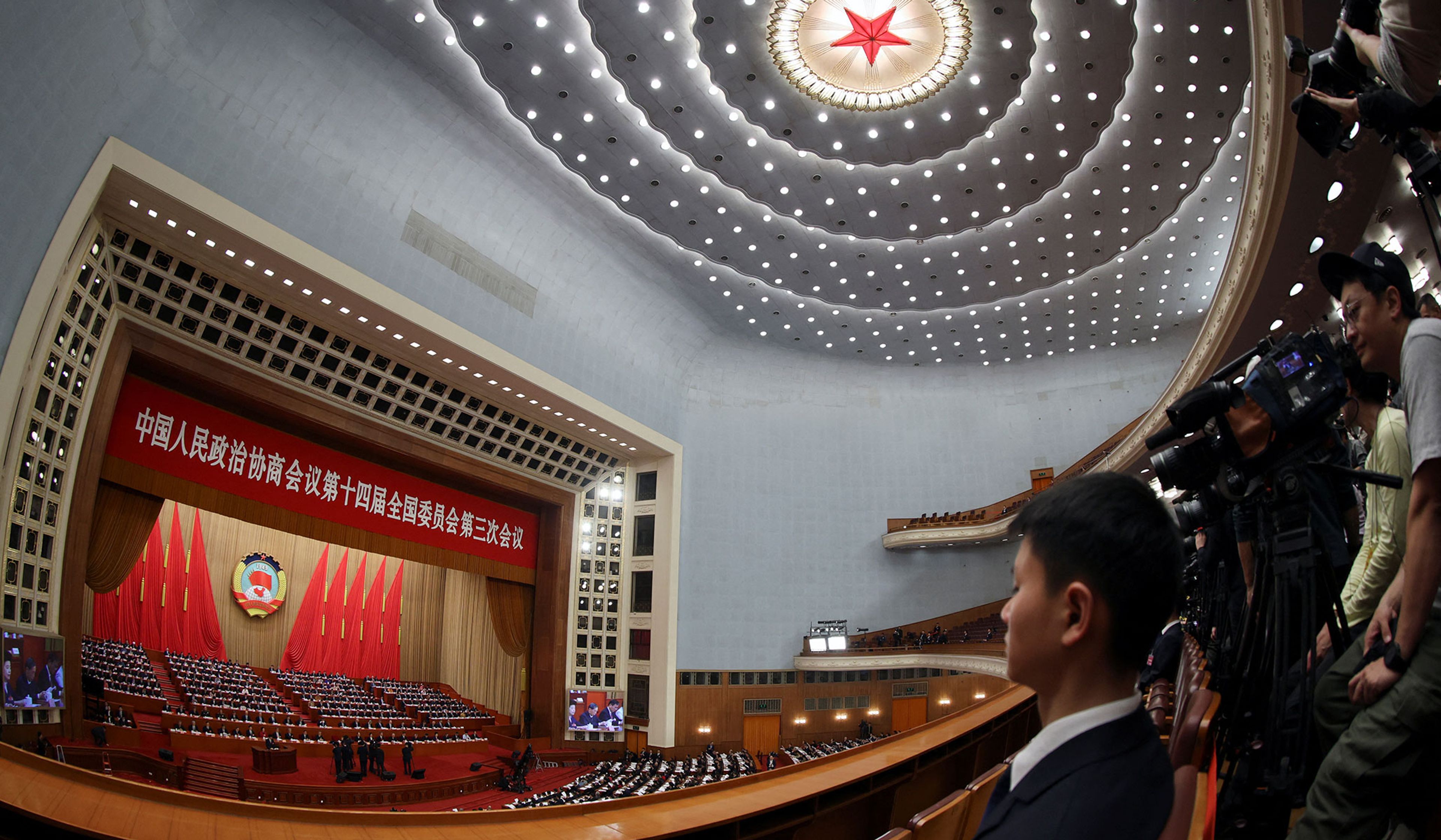
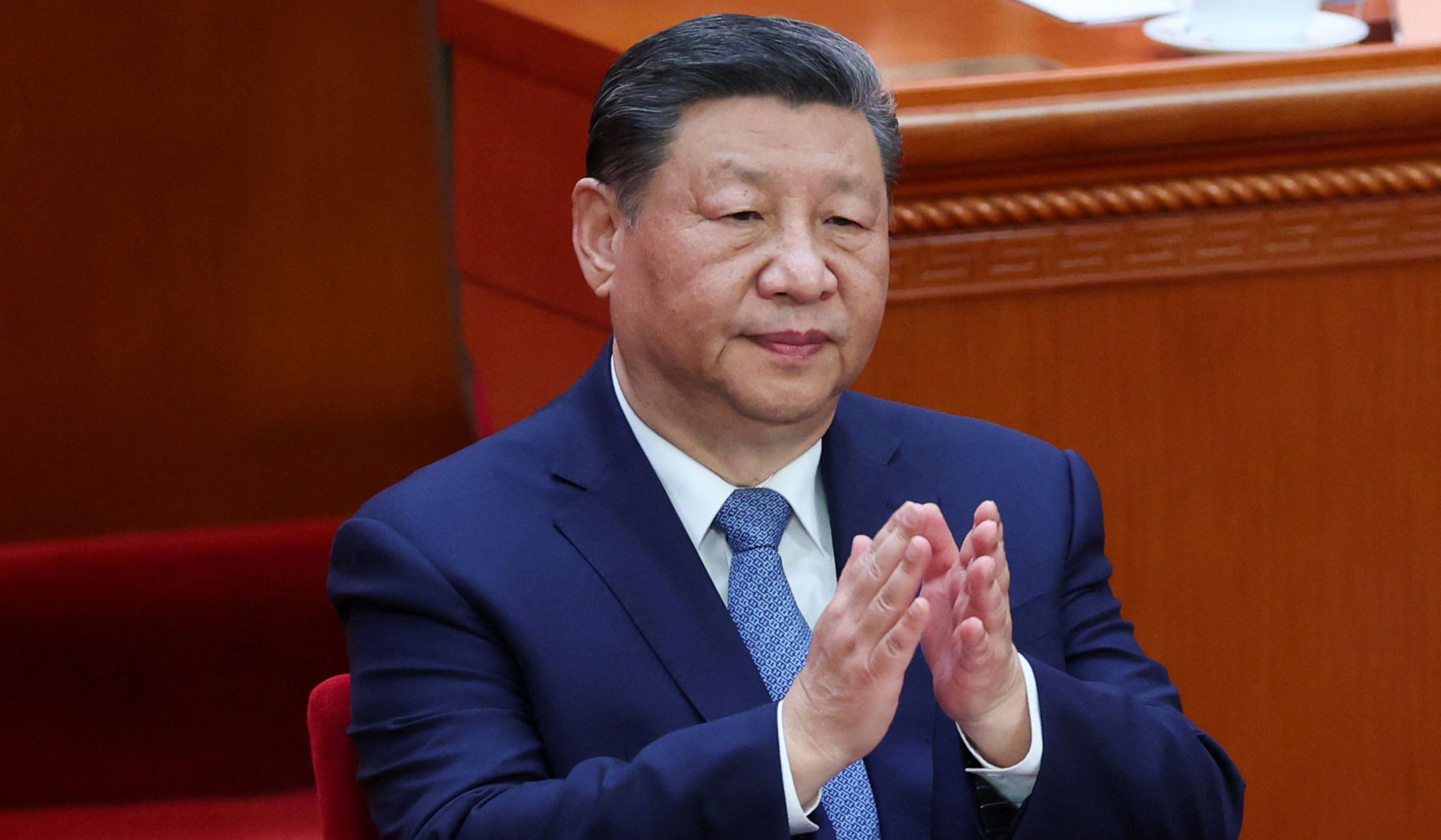
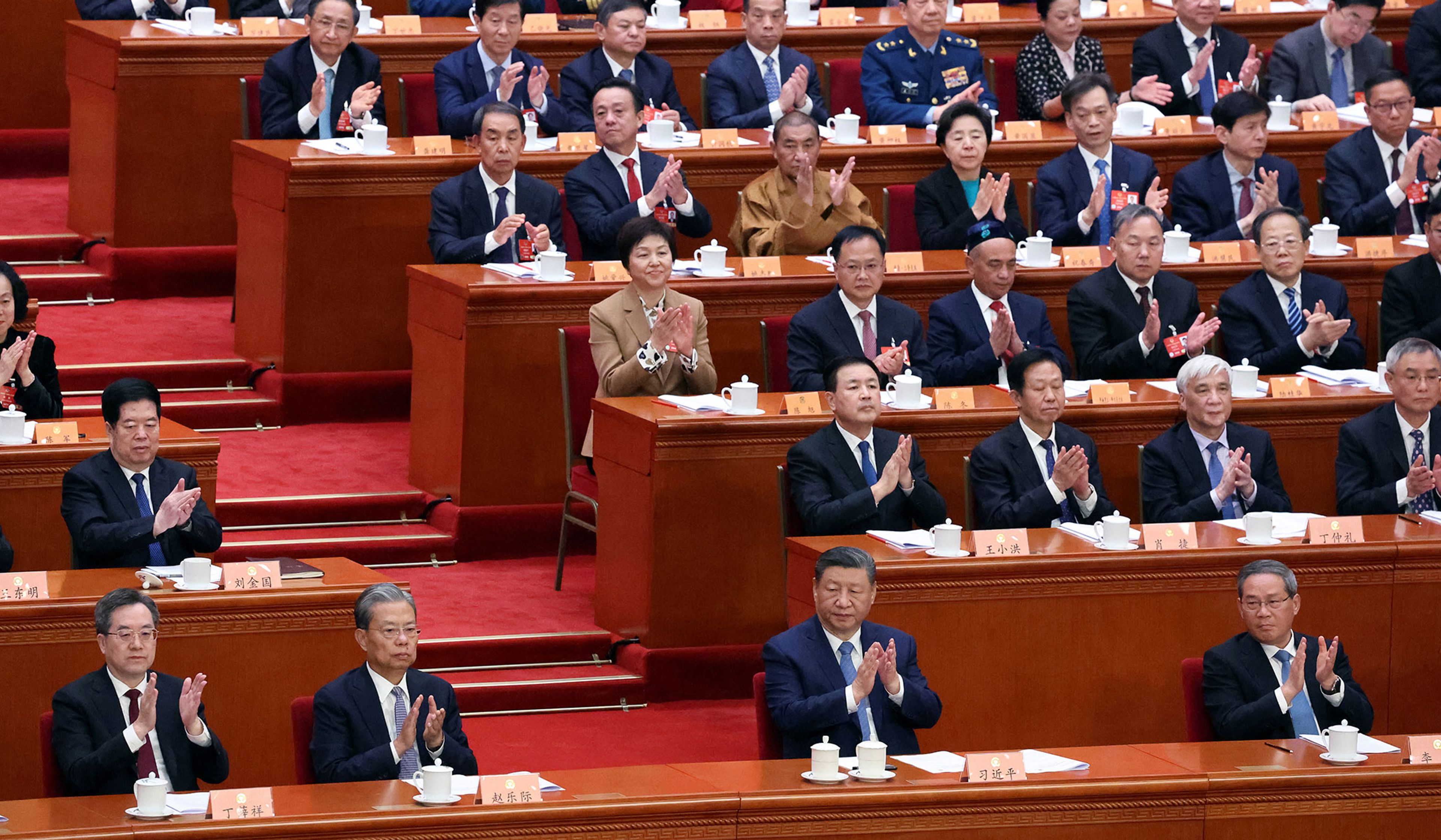
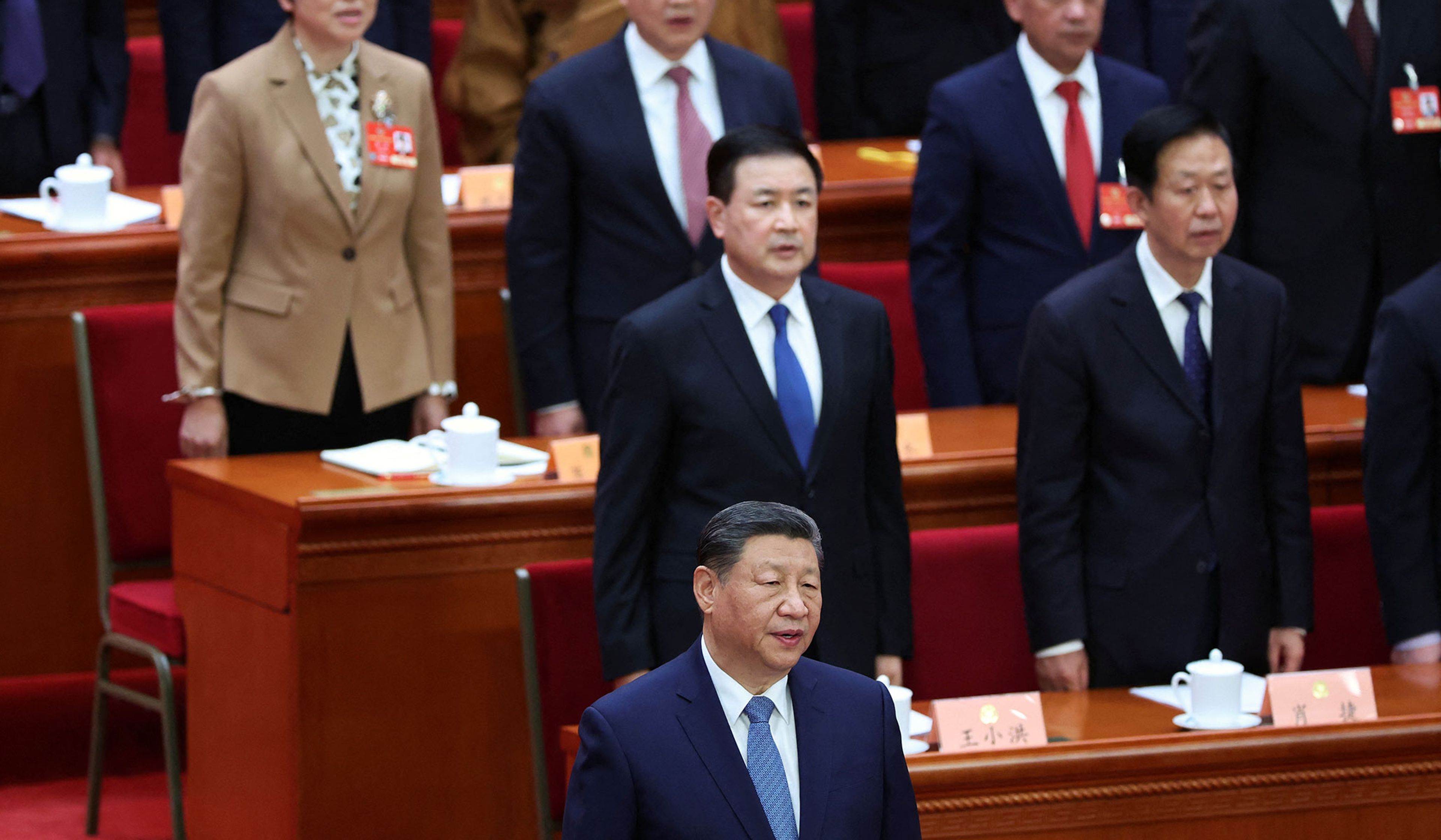
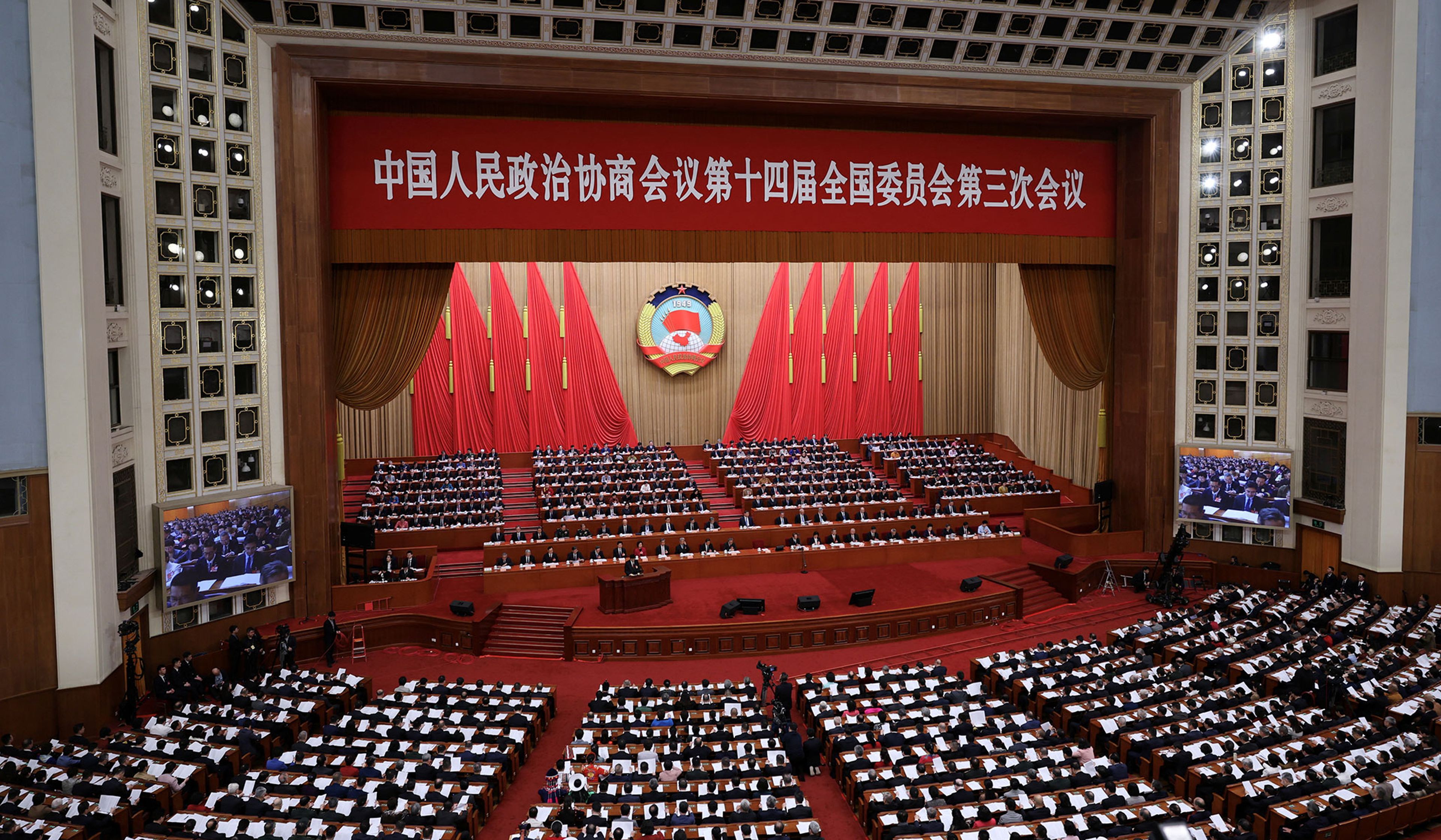
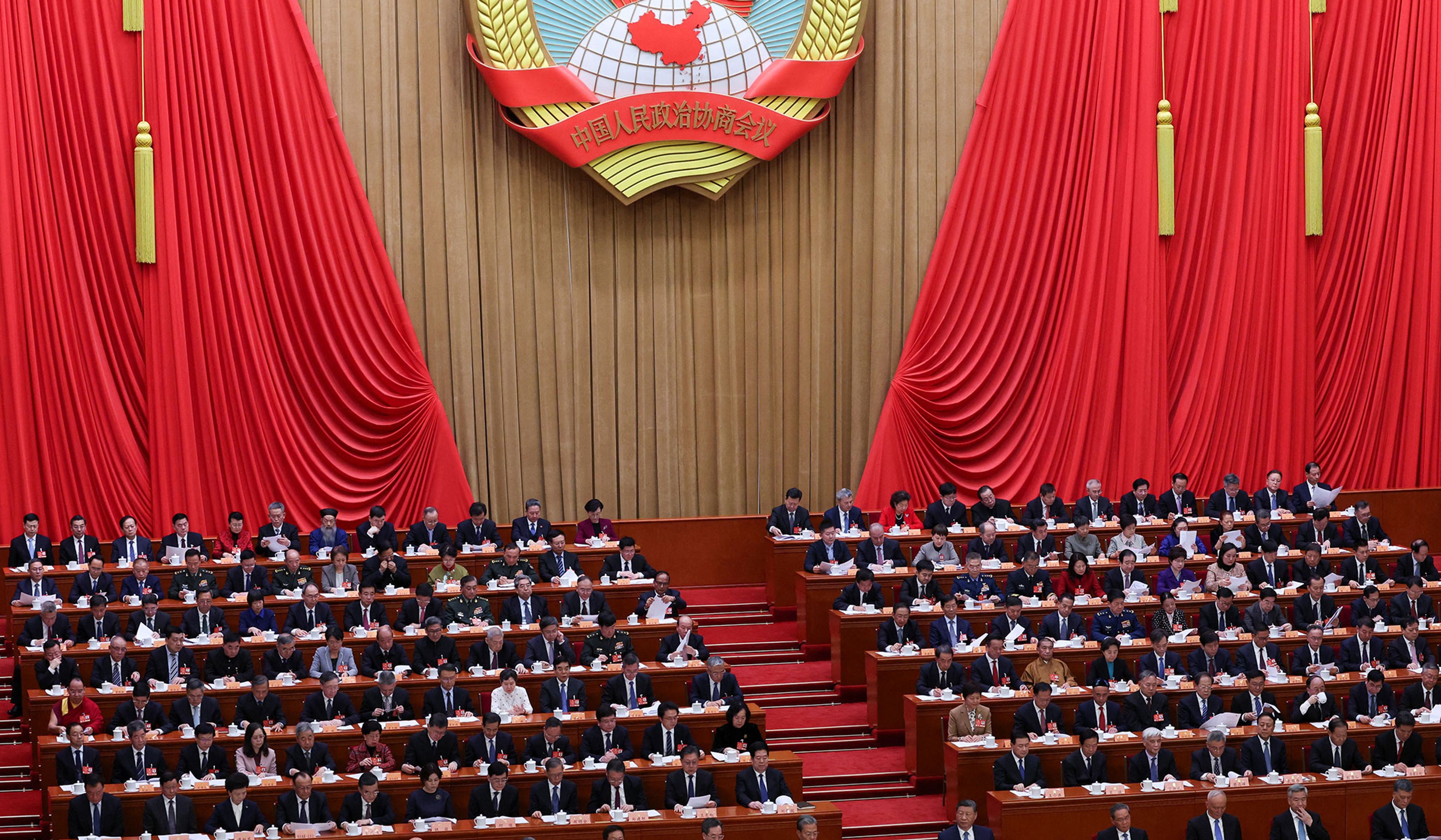
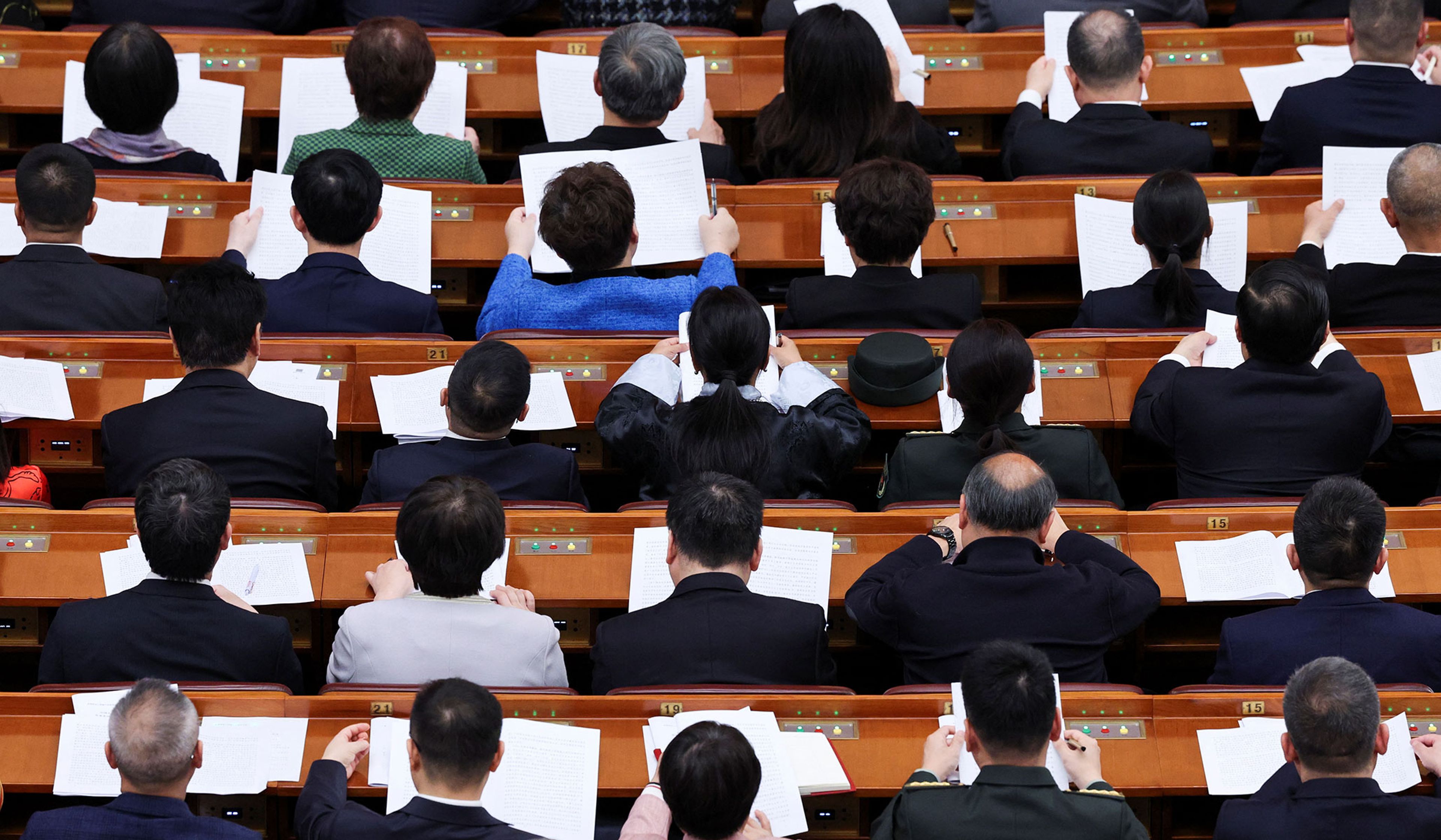
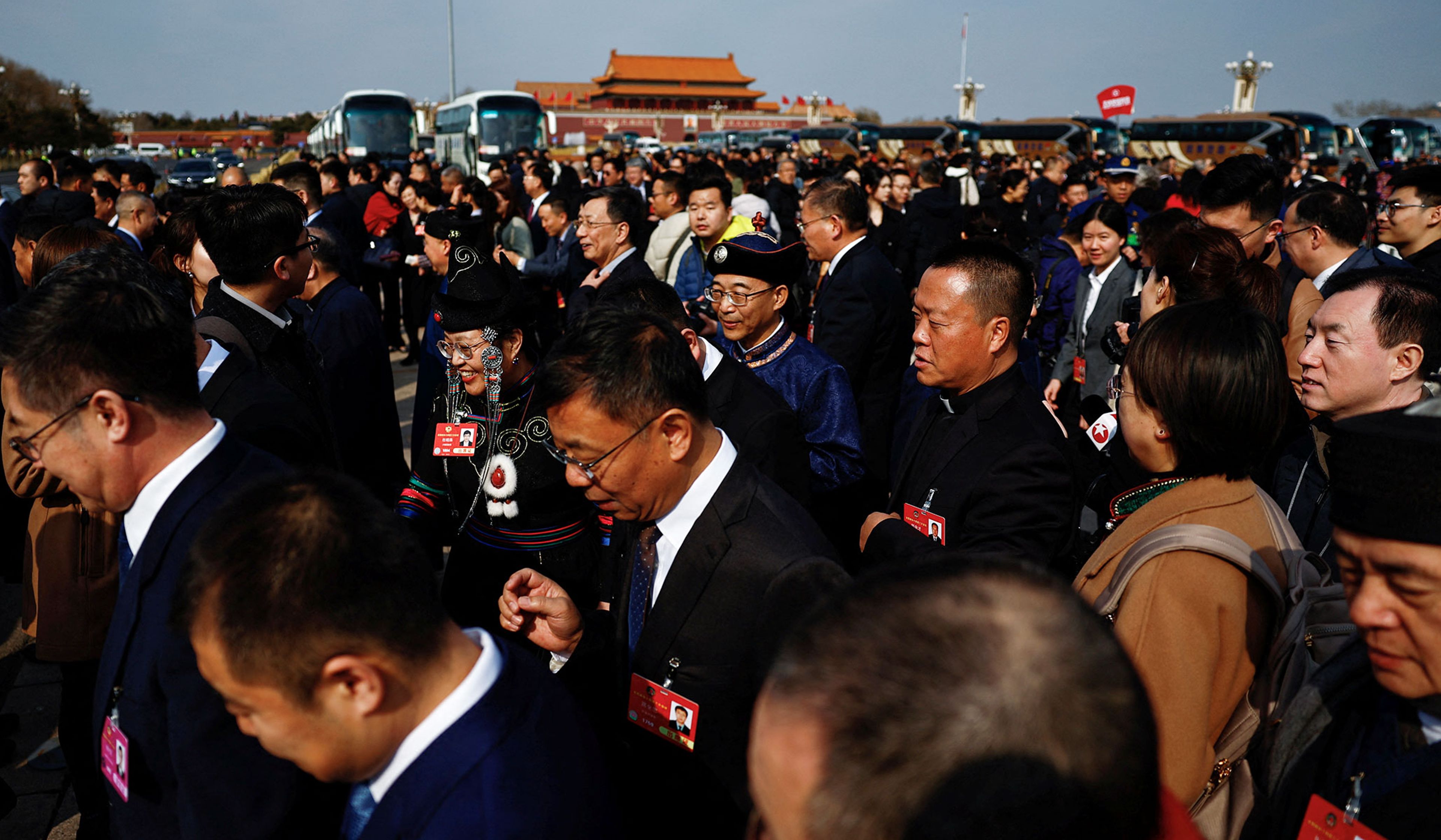

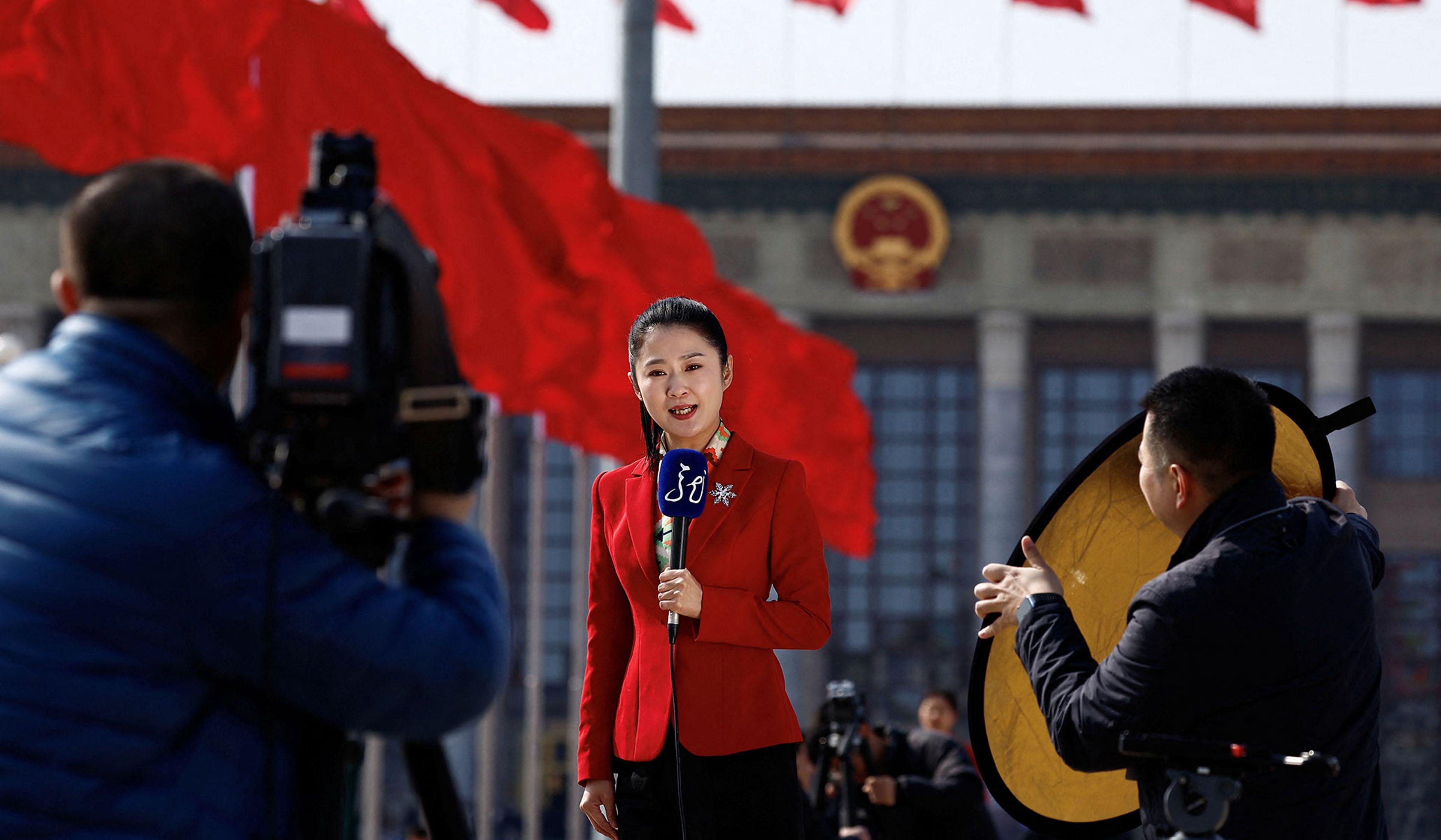
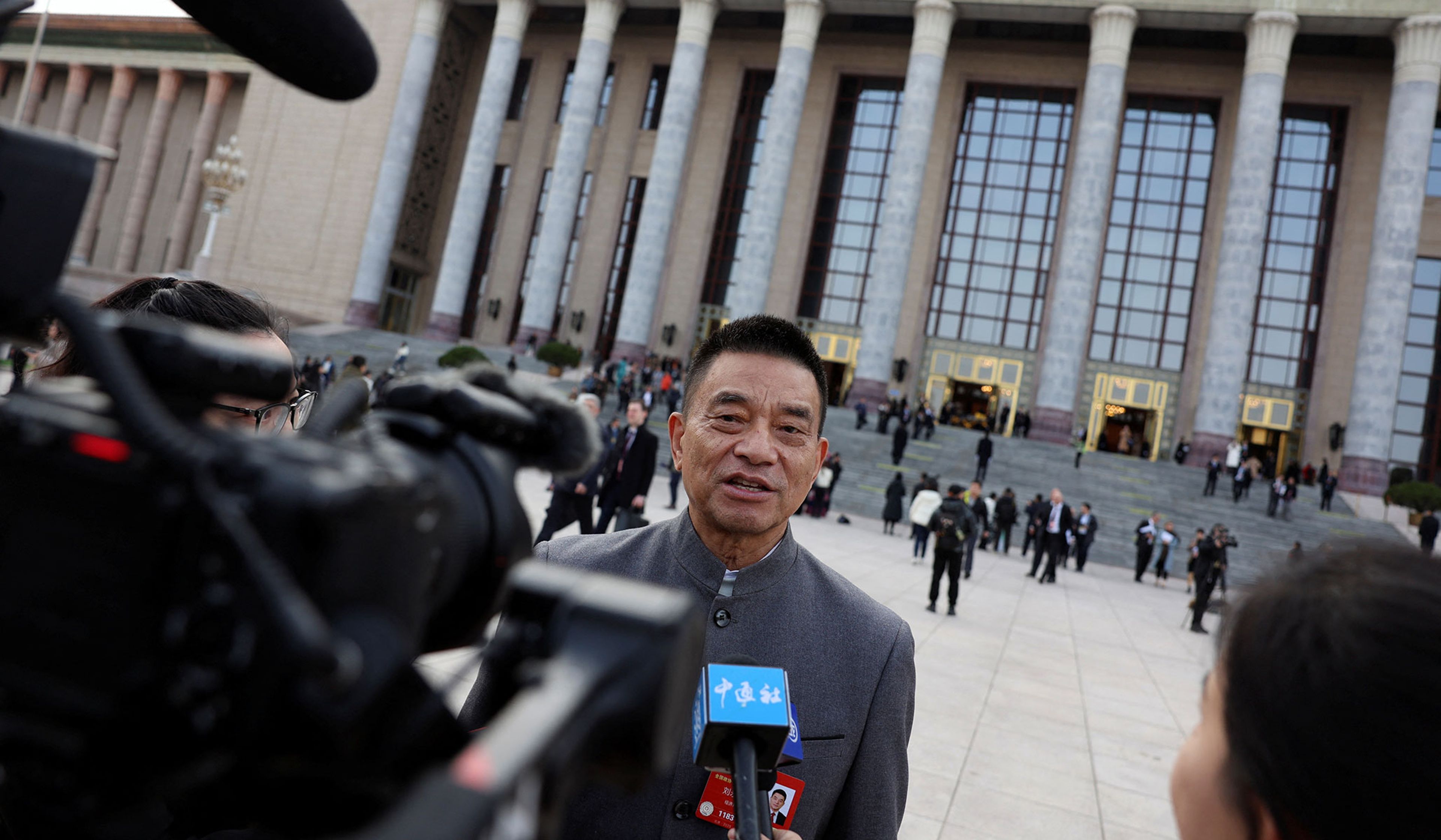
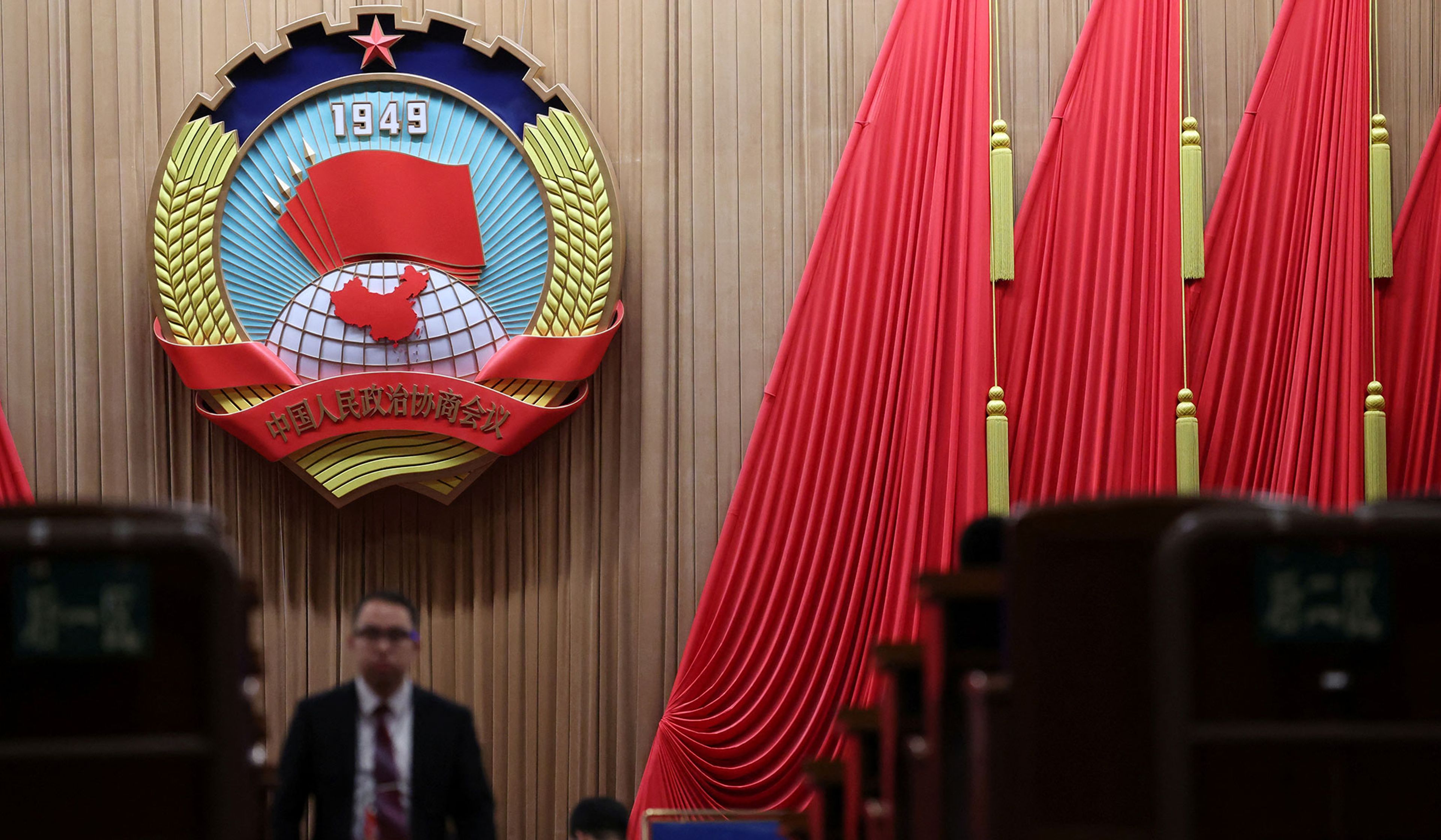
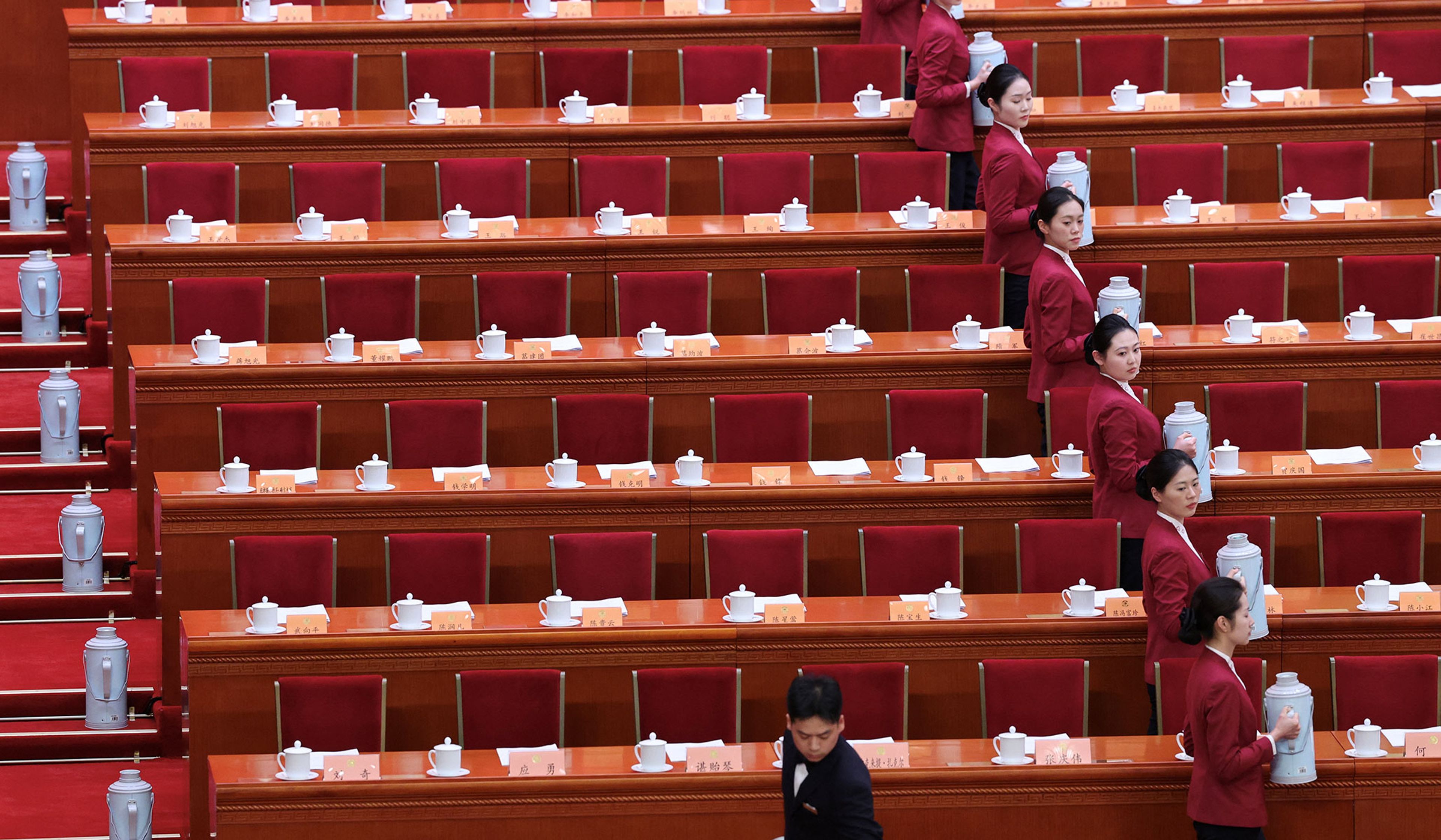


Delegates attend at the opening session of the Chinese People’s Political Consultative Conference at the Great Hall of the People in Beijing, China, March 4, 2025. Picture taken with a fisheye lens.
Florence Lo/Reuters
On the occasion of becoming an export-led superpower, China took the opportunity to become the world’s most productive shipbuilder. In recent decades, it has invested so much that ship prices dropped dramatically and China captured a portion of the Japanese market for ships. Chinese shipbuilding accounts for over 50 percent of tonnage being built globally. China has further used its dominance in shipbuilding to help Chinese firms accrue ownership stakes in over 100 foreign ports, including in the Port of Los Angeles. These ports are then networked into China’s global surveillance software, LOGINK. It also builds its ports, and even some ships, with an eye toward dual use, the ability to quickly convert commercial operations to military assets.
Huawei, Beijing’s globally competitive telecom business, is an essential part of 5G infrastructure across nearly the entirety of Central Asia, South America, and much of Africa, even controlling keys parts of 5G infrastructure in NATO countries like Germany and Italy. China’s manpower and the depth of its manufacturing dominance have taken the country from mere rising power to potential rival hegemon.
Taft and Buckley pivoted toward something like a new strategic thinking, about balancing power and alliances to counter Soviet military and political operations. Policymakers in the years following them tried to rationally connect American foreign policy measures to American strategies of containment, rollback, or détente. Exploding cigars failed. Moral support of Solidarity in Poland worked.
So far, America’s response to China’s manufacturing and commercial dominance has been more reactive and haphazard. It is as if the political class senses the danger of drowning and throws itself onto the nearest buoy.
It was only in 2017 that the United States began excluding Huawei from sensitive government projects. Only after Poland found Huawei to be spying on behalf of the Chinese Communist Party, in 2019, did it and a number of countries, under heavy pressure from the U.S., begin banning Huawei from all important parts of their countries.
The Defense Department in January blacklisted the Chinese container shipping company COSCO, the China State Shipbuilding Company (CSSC), and the China National Offshore Oil Corporation (CNOOC), defining them as “Chinese military companies” prohibited from shipping U.S. military cargo. This is a sensible first step. But it’s not a programmatic idea for how to improve shipbuilding in South Korea, Japan, or the U.S. itself, and not yet connected to a vision for how America can win in this confrontation.
Trump announced a potential tariff on de minimis goods from China, the avalanche of direct-to-consumer packages from Temu and other retailers that bypass the tariffs that American retailers face when they manufacture goods in China and ship them by container back to the United States. The policy was also advertised as a potential way of cracking down on fentanyl shipments disguised within this blizzard of small, hard-to-monitor packages. Is the policy to prevent China from waging its own low-grade opium war on us? Or is it to protect American retailers?
In D.C. now, abstract debates are going on about industrial policy or tariff policy. But they too rarely connect with policymakers. Congress has legally mandated the divestiture of TikTok from ByteDance, only to be frustrated by the White House. The CHIPS Act may inspire chipmakers to locate more of their advanced plants in the United States in order to counter potential Chinese threats. At the same time, successful onshoring and nearshoring of advanced chip manufactures would more easily enable the United States to back away from its support of Taiwan in a conflict with China.
America’s Founders bequeathed to it the necessary tools for true mercantile competition. These new bans, blacklists, tariffs, and industrial subsidies all cut against the grain of post–Cold War policymaking. The end of utopian thinking about a world where the ever-freer movement of goods, capital, and people ushers in universal peace is welcome and heralds a new, exceptional era, one yet to be named and outlined, in American geostrategy.
Our civil society seems primed and ready for this new era. That’s one reason why Silicon Valley has shifted in Trump’s favor, and many of its firms re-embraced America’s political values as the only ones they want to champion abroad. We know that China is going to begin losing population and therefore face a severe drag on future economic growth. As China’s workforce shrinks and ages, the opportunities to begin depriving it of commercial and financial advantages grow.
What our policymakers need to decide is this: What industries are necessary for maintaining America’s political preeminence? Which are best located here and which in friendly democratic nations with whom we have good relations such that trade seems reasonable to Americans? If we want merely to threaten and cajole China with import duties, leaving tariff power in the hands of a moody executive may make sense. But if we want to induce true reciprocity, or rebalancing over the long term, Congress needs to give U.S. mercantile policy a stamp of permanency and bipartisanship by putting new tariffs into law. The same strategic thinking would apply to industrial policy and innovation bounties.
For this vision to really inspire generations, the way the Cold Warrior outlook did, it must not be reactive and fearful but champion a vision of America that genuinely excites its people. Productivity-enhancing innovation, and the social mobility and cultural turnover that come from the emergence of new industries, should mark the beginning of a new era.












Comments