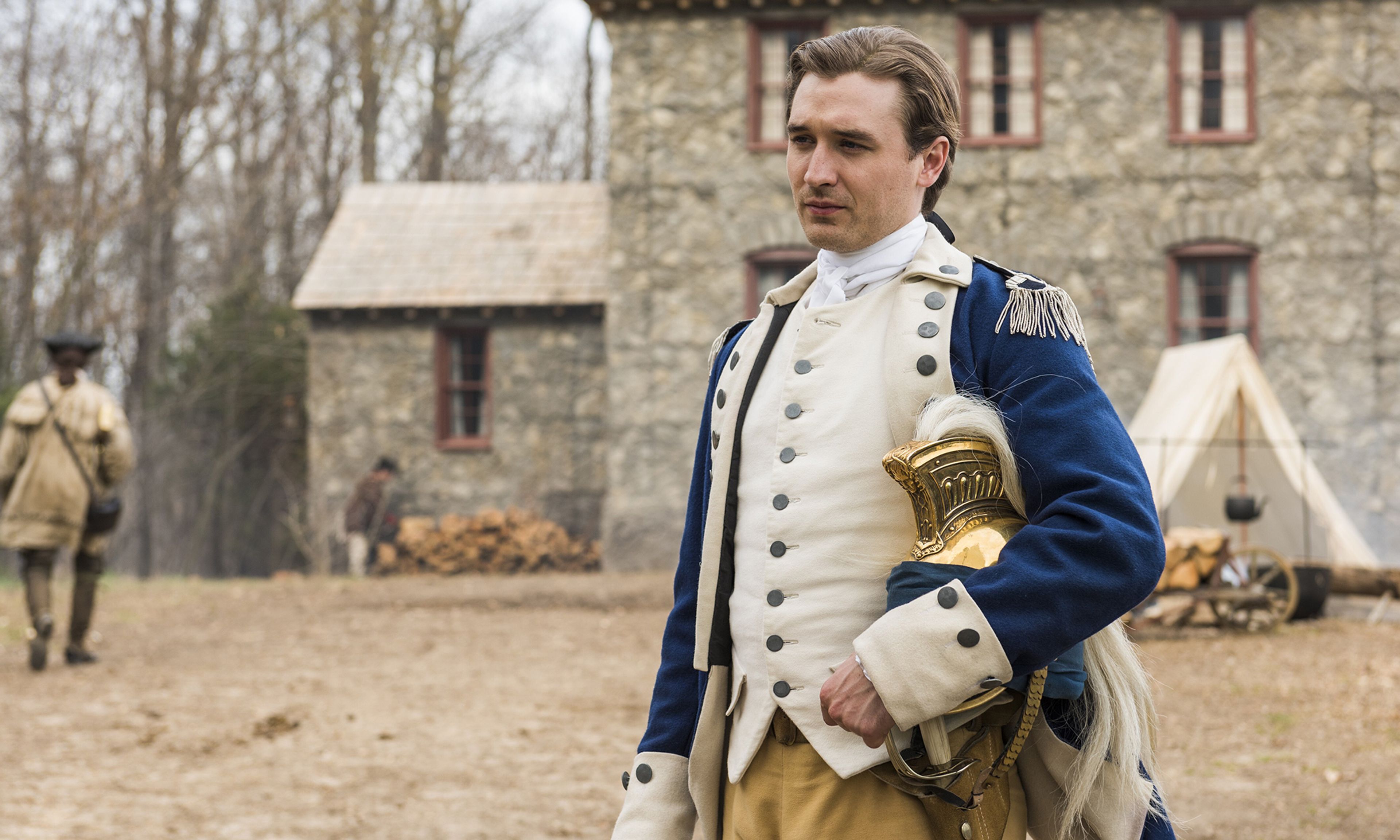
‘Drama represents the most democratic side of literature.” This comment, by Alexis de Tocqueville in Democracy in America, was not meant as a compliment. It is what any French aristocrat of the early 1800s would have said about theater, especially in America. Tocqueville elaborates: “The crowd can enjoy sights on stage more easily than in any other form of literature. No preparation and no study are needed to take them in. It is they that carry you off your feet, however preoccupied and however ignorant you may be.”
It is perhaps no accident that George Washington, the least educated of the upper-class Virginians who shaped the American founding, loved theater. Owing to his father’s early death and his mother’s insistence that he manage the family farm, he never received a formal education. To compensate, he read many books, especially plays. On a trip to Barbados at the age of 19, he saw his first performance. He followed London’s theater scene and attended plays in Alexandria, Williamsburg, and Baltimore. And while commanding the Continental Army at Valley Forge, he staged Cato, a Tragedy, by the British essayist Joseph Addison. Washington was, in the words of Richard Brookhiser, the “most theatrical and theater-loving of presidents.”










Comments