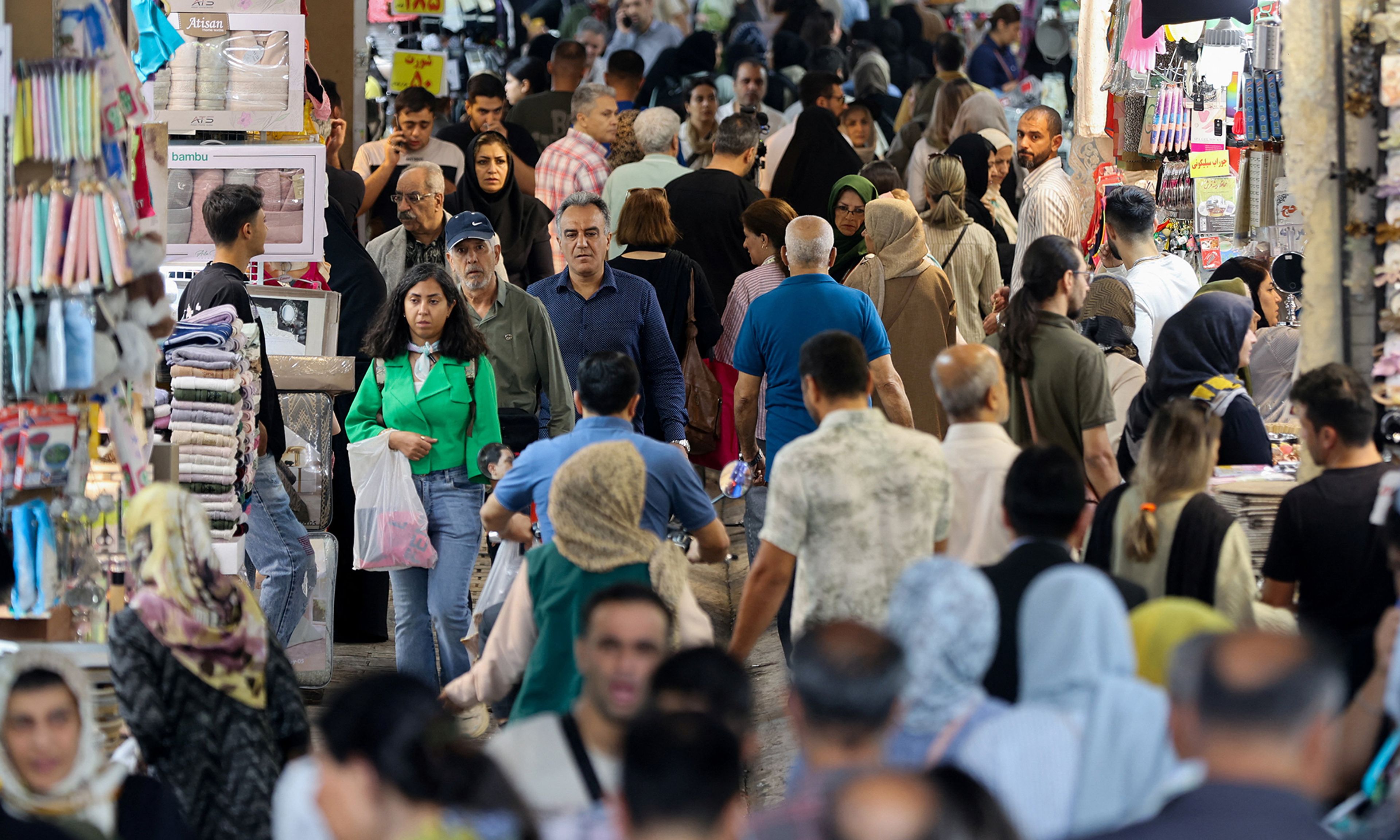
Nowruz, the traditional new year celebrated by Iranians, marks the precise start of spring. On most holiday tables, the Koran has been replaced with Ferdowsi’s Book of Kings, the epic poem about the mythical history of Iran that revived the Persian language three centuries after Arab conquest. This year, Iranians will observe the new year, a cultural inheritance from an ancient nation, with rubble outside and the hope that they can build a modern and free future.
Iran’s medieval era began with the Arab conquest in the seventh century. Iranian identity — the language and Zoroastrianism, the first monotheistic religion — was reduced to a regional ethnicity in the northwest of modern Iran. The area was named Azarpayegan (now Azerbaijan), meaning “protector of fire” (fire being sacred to Zoroastrians). It took two centuries for Iranians to recover their identity by way of a religious compromise: Iranians became Muslims, but Muslims adopted Zoroastrian customs and thought. By the 16th century, having expanded their government’s autonomy, Iranians were formally but not practically under Arab control, and the Safavid dynasty made Iran fully independent. Iran became the only nation to fully undo Arabization.










Comments