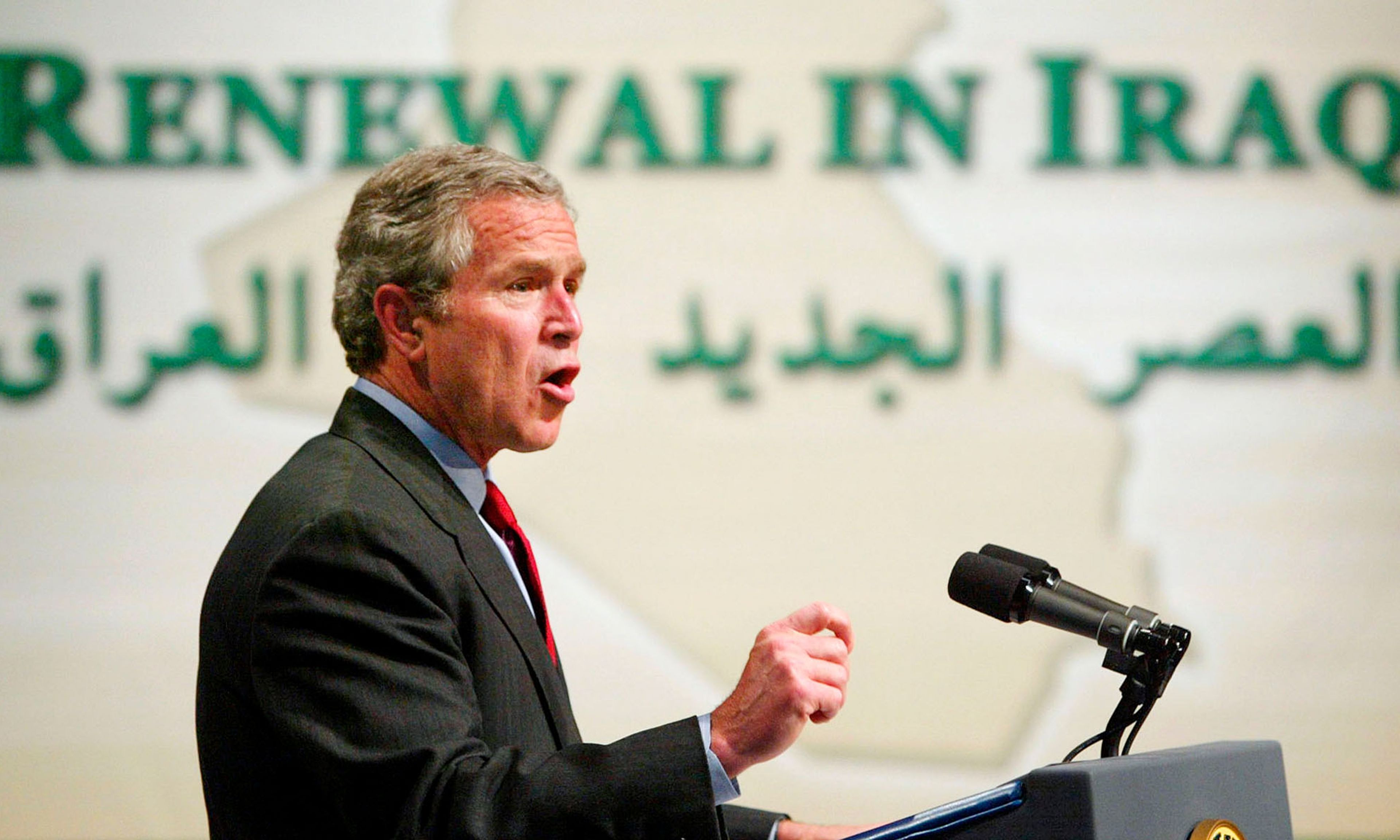
In a recent essay for Tablet, Alana Newhouse argued that the root cause of present American divisions is “brokenism,” the debate over whether anything works anymore. The essay was a successor to Yuval Levin’s A Time to Build, which made the case that America’s institutions are in desperate need of repair. To understand this consensus belief that we are undergoing institutional failure and the erosion of trust in institutions — which have triggered populism — we need to return to what is perhaps the phenomenon’s earliest indicator: 9/11 and its aftermath, the Iraq War.
The 1990s were the era of good feelings. Despite partisan bitterness, things seemed to be working just fine. The “peace dividend” was the foreign policy of the decade, and security did not come at the price of liberty and prosperity. The attacks on September 11 changed that. The national-security apparatus had failed. But not just that. President George W. Bush and his subordinates felt that they had personally failed the American people and that it must never happen again. This is the thesis of Melvyn Leffler in his latest book, Confronting Saddam Hussein.
While the Iraq War continues to be a source of contention in national electoral politics, Leffler approaches the topic as a historian without a partisan axe to grind. What took Americans to war remains as hotly disputed as any aspect of the conflict, and Leffler’s answer is trifold: fear, guilt, and hubris. Fear of another 9/11, this time with weapons of mass destruction. Guilt for having failed to prevent 9/11. And a hubristic belief in the might of American power and its limitlessness.
Leffler, a professor emeritus at the University of Virginia, focuses his book on the prelude to war and only at the end turns to chronicling how U.S. political leadership and military commanders failed in their prosecution of it.
He opens with a pair of chapters on the two nemeses: Bush and Saddam Hussein. The contrast between the men could not be sharper. Bush, educated at Yale and Harvard, is the son of a prominent family, with parents who gave him unconditional love. Hussein was from a poor village near Tikrit. His father died before he was born, and he was raised by his mother and an abusive stepfather before being taken in by his uncle. Bush romanticized American values. Hussein resented freedom and its champions. Bush was a product of gentle and civil politics, with a deep sense of honor imbued in him by his family. Hussein owed his success to thuggery and survival skills. It is a popular saying among the American foreign-policy elite that “strategic empathy” is a necessary skill in the trade, but in this case empathy was hardly possible.
Many academics, pundits, politicians, and journalists have suggested that a cabal of Jewish neoconservatives, led by Paul Wolfowitz, took the president to war and the president carried the rest of the country. The charge in even less polite circles is that this was done to serve Israel’s interest. It is true that Wolfowitz and other neoconservatives were Iraq hawks who believed that the region would remain a problem so long as Hussein controlled Iraq and pursued nuclear weapons, but the conspiratorial view confuses Bush for a sheep and Wolfowitz for a manipulative mastermind, two notions that do not survive the first contact with reality.
Leffler leaves no doubt that Bush was in charge. At a Camp David meeting a few days after the 9/11 attacks, Wolfowitz raised the Iraq angle, which the president immediately dismissed. The president’s focus was on al-Qaeda and Afghanistan. Eventually, his attention turned to Iraq, however, to address the many challenges Hussein’s regime presented.
The second big misconception about the Iraq War is that it was launched to promote democracy or to enforce arms control — or a combination of the two. Arms control certainly was at the core of the problem, but the real issue was the nature of Iraq’s regime. The country had never possessed nuclear weapons, yet it had started two wars in ten years, dragging America into direct military conflicts and taking over a million lives. Hussein’s was the only regime to use weapons of mass destruction — against his own citizens and Iranians — since World War II. He had launched Scud missiles against Israel. Were Iraq to acquire nuclear weapons, it would not so much create a new problem as exacerbate an already severe one. The purpose of the war, in other words, was not to solve the problem with Iraq’s weapons-of-mass-destruction program but to solve the Iraq problem.
Leffler argues that material interests drove the agenda, but they were not the only factor. Bush’s disgust at Hussein’s domestic oppression reflected the American people’s feelings. This should not be surprising. Moral and ideological reasons alone rarely, if ever, take a state to war, but they always play a role.
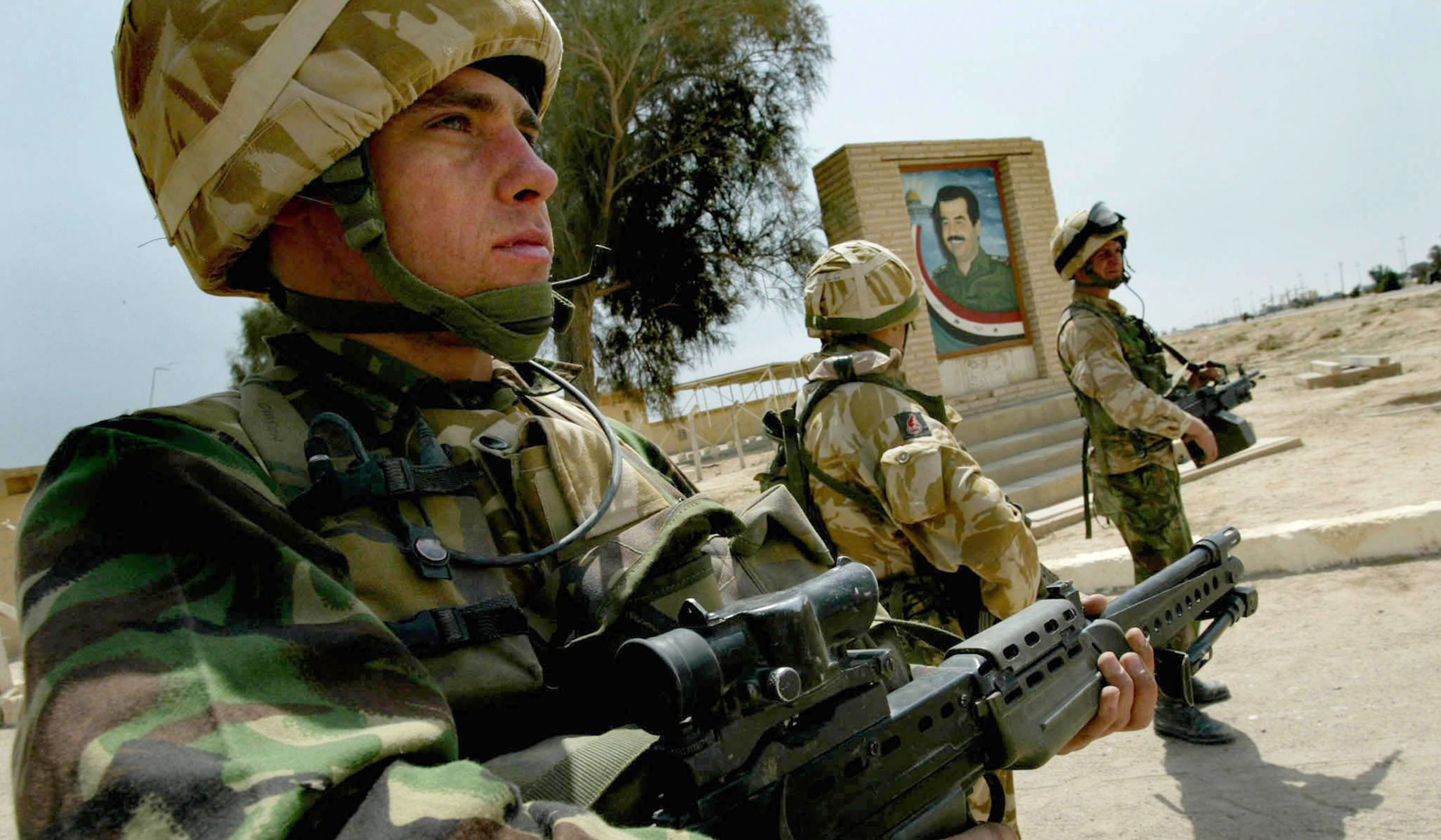
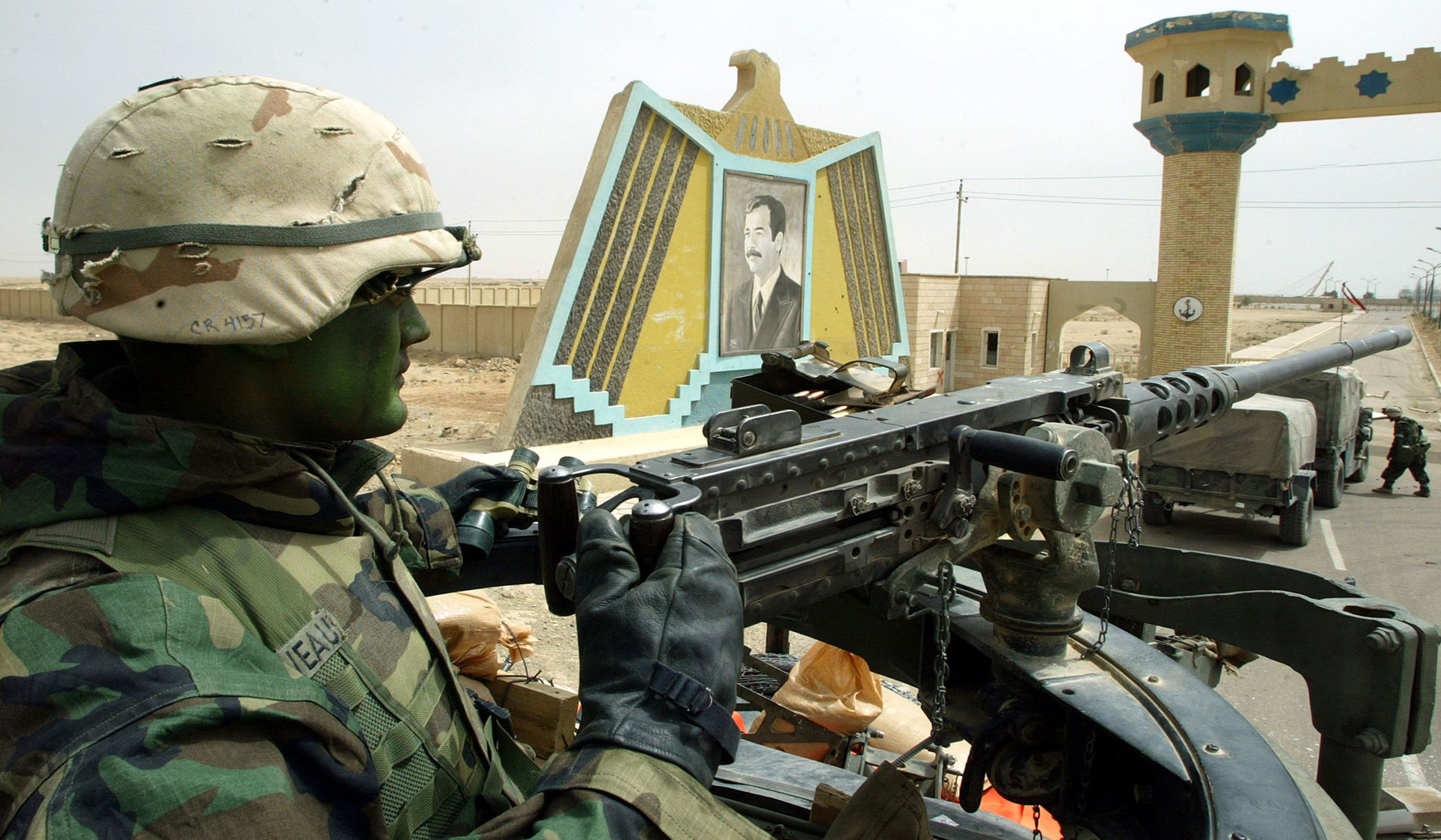
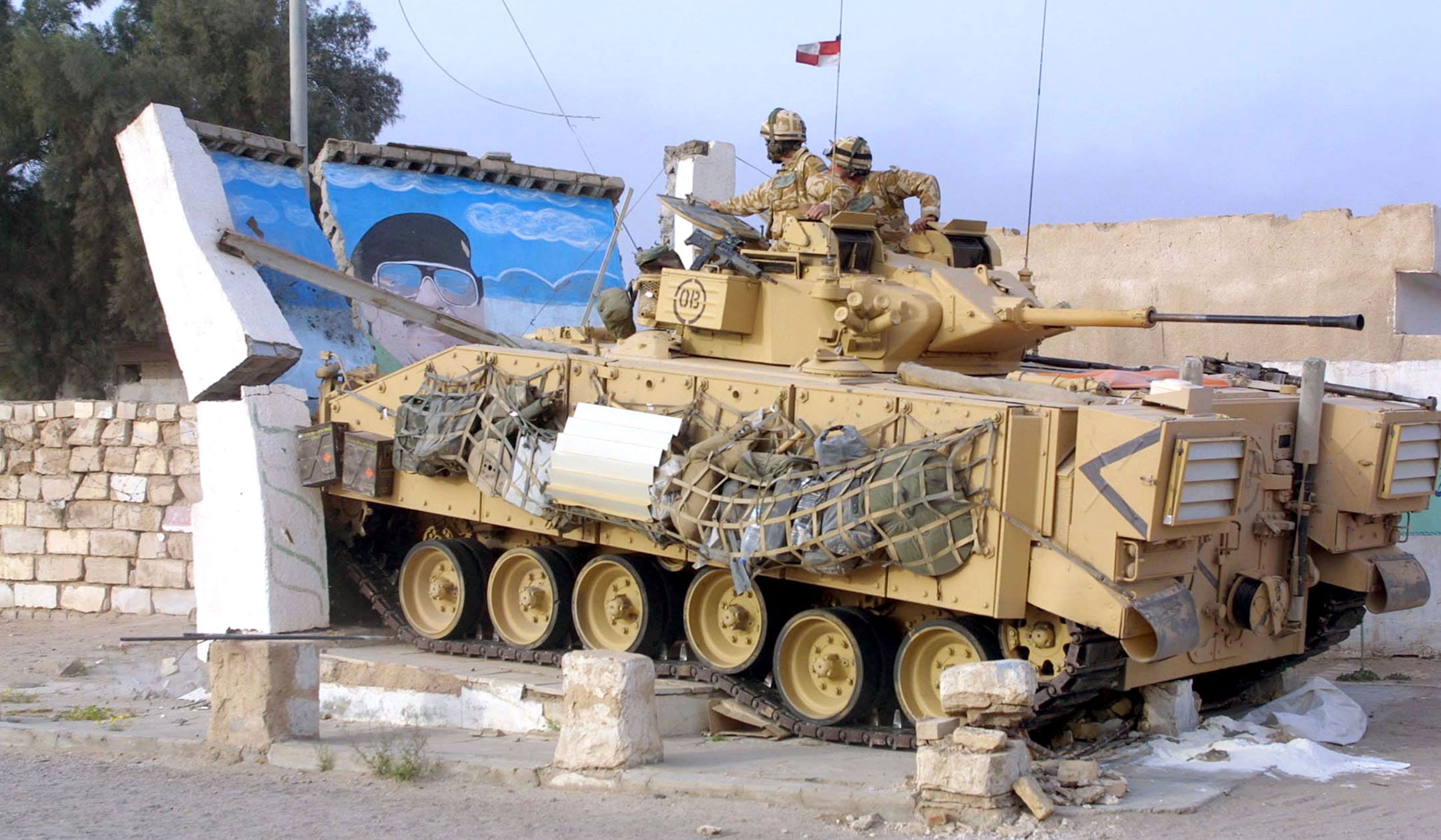
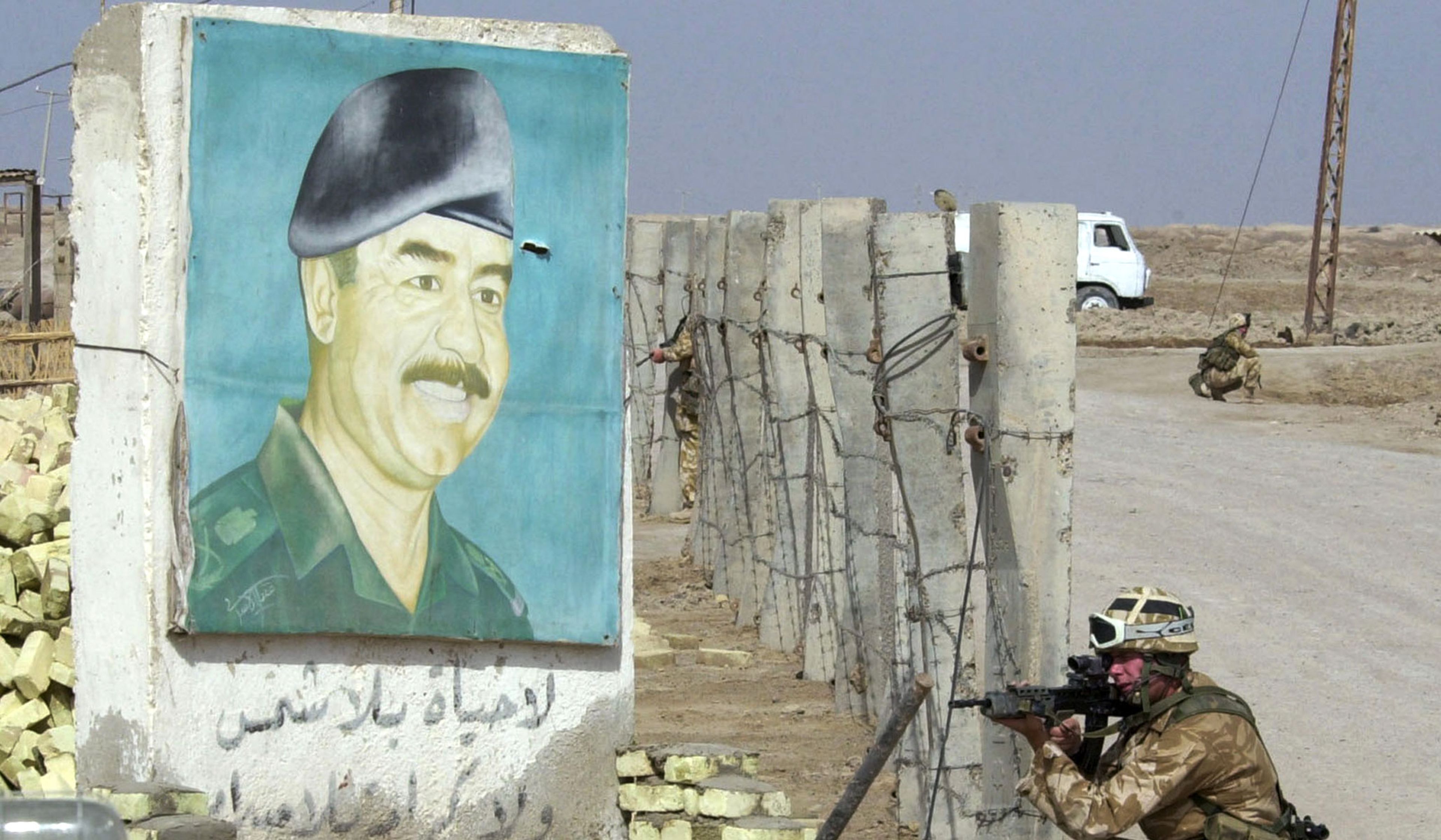
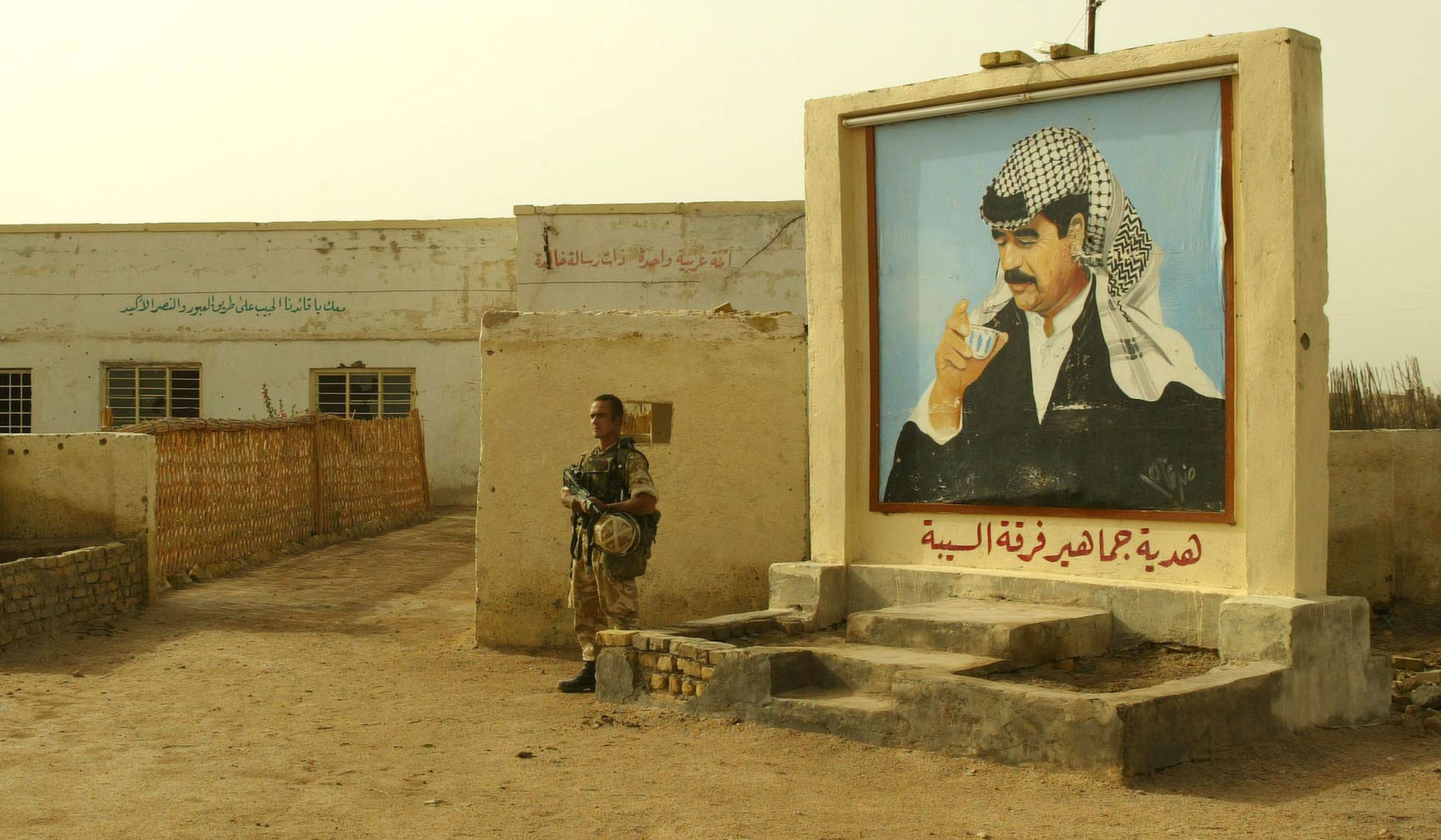
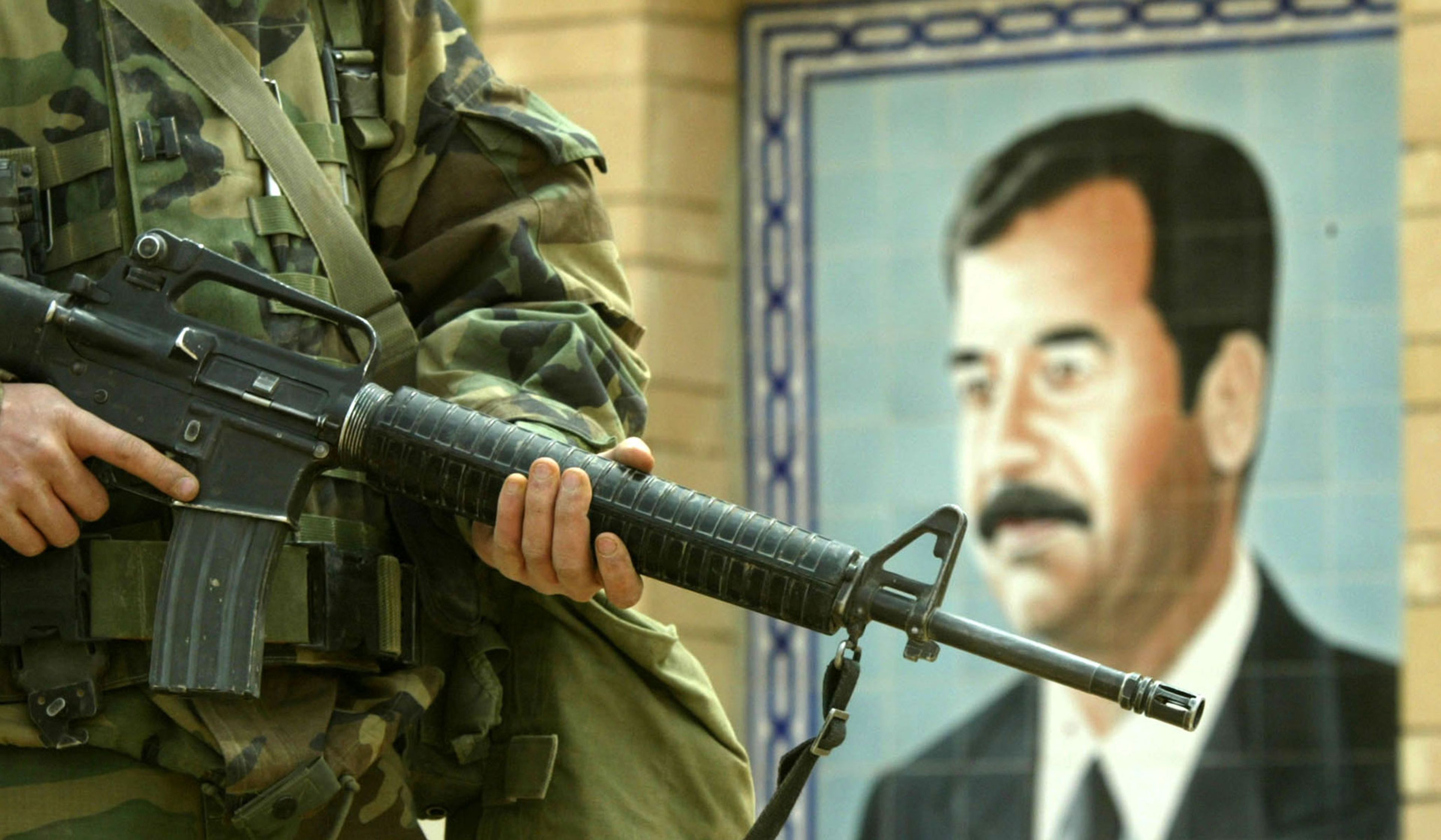
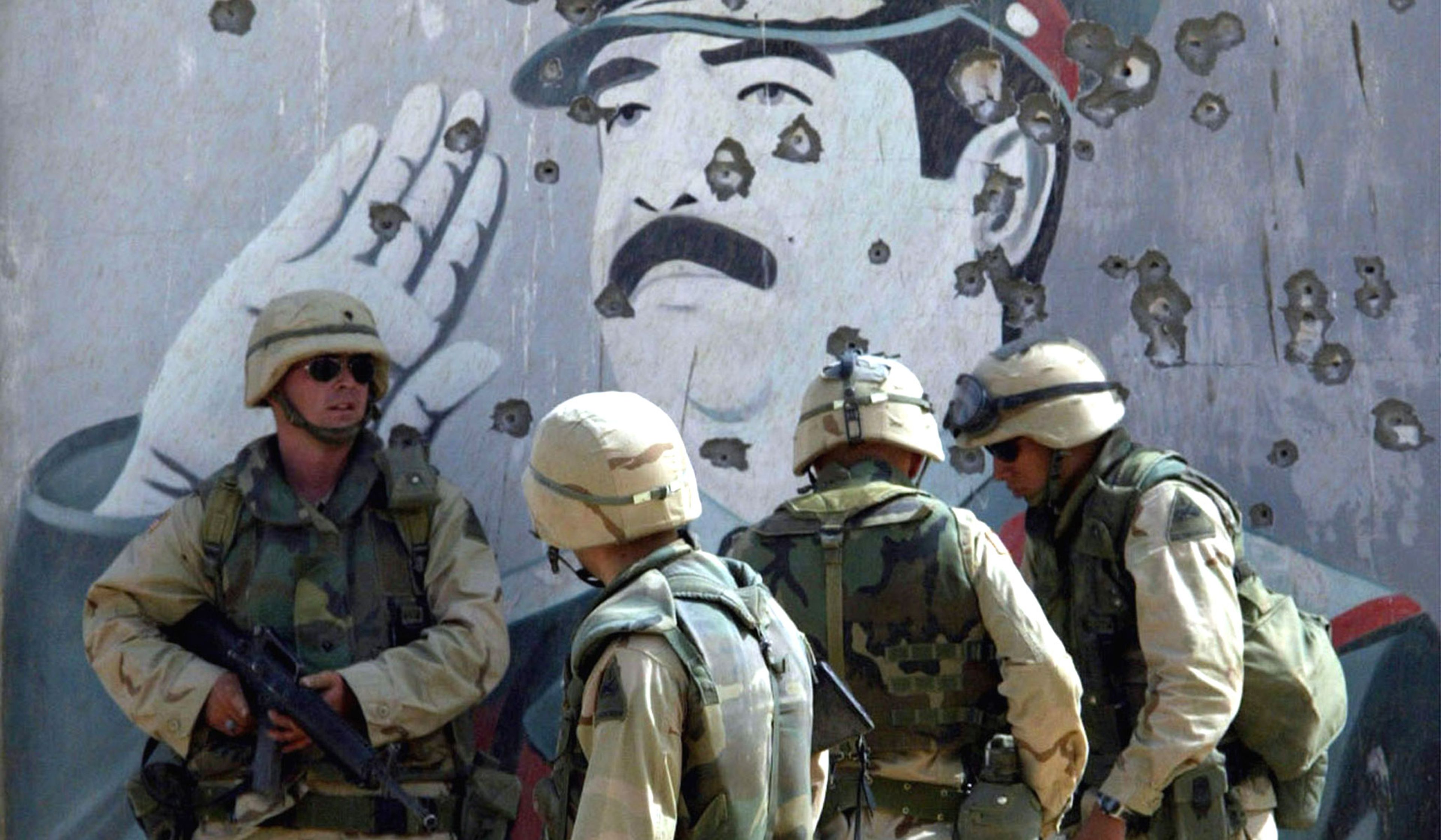
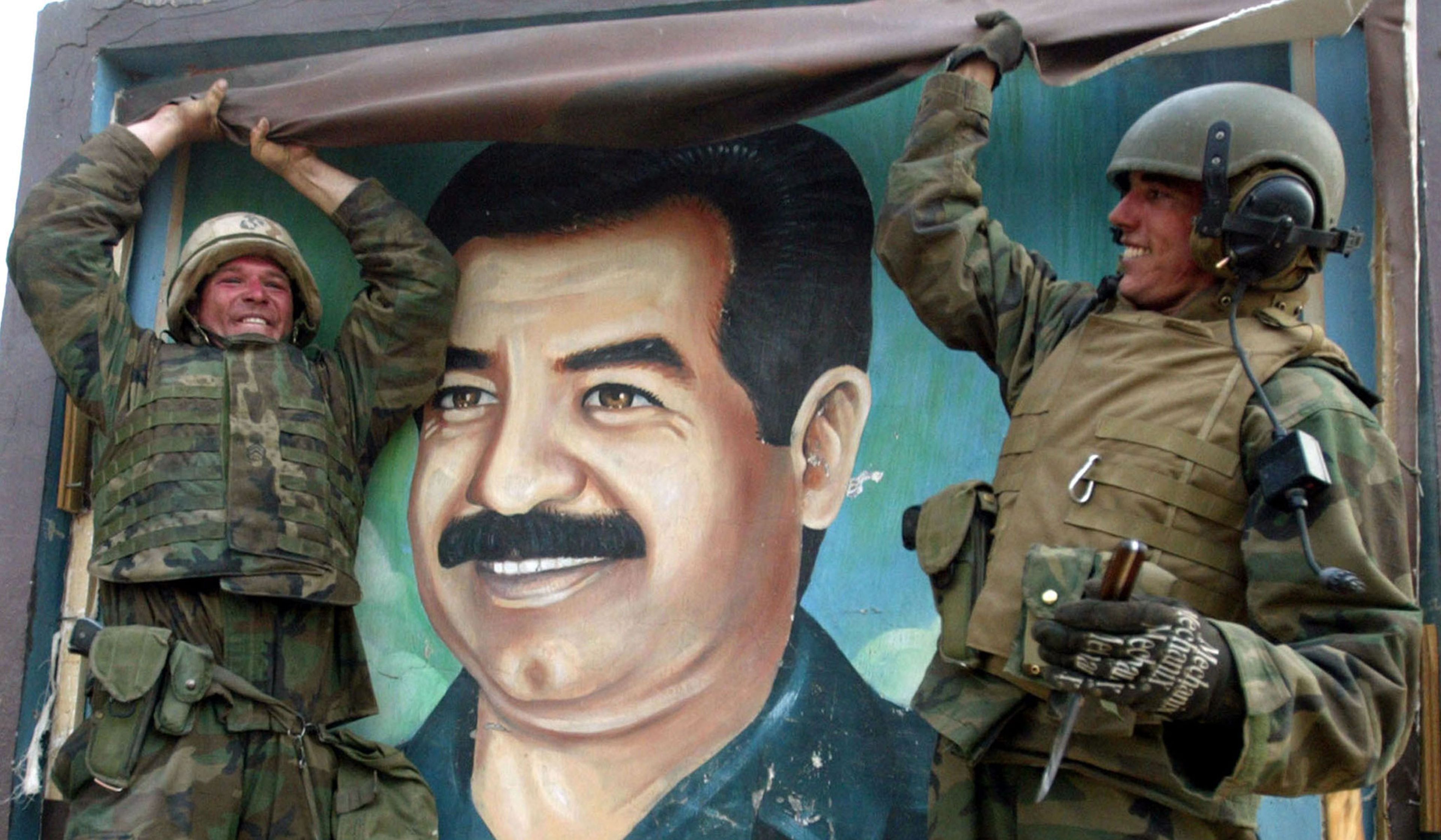
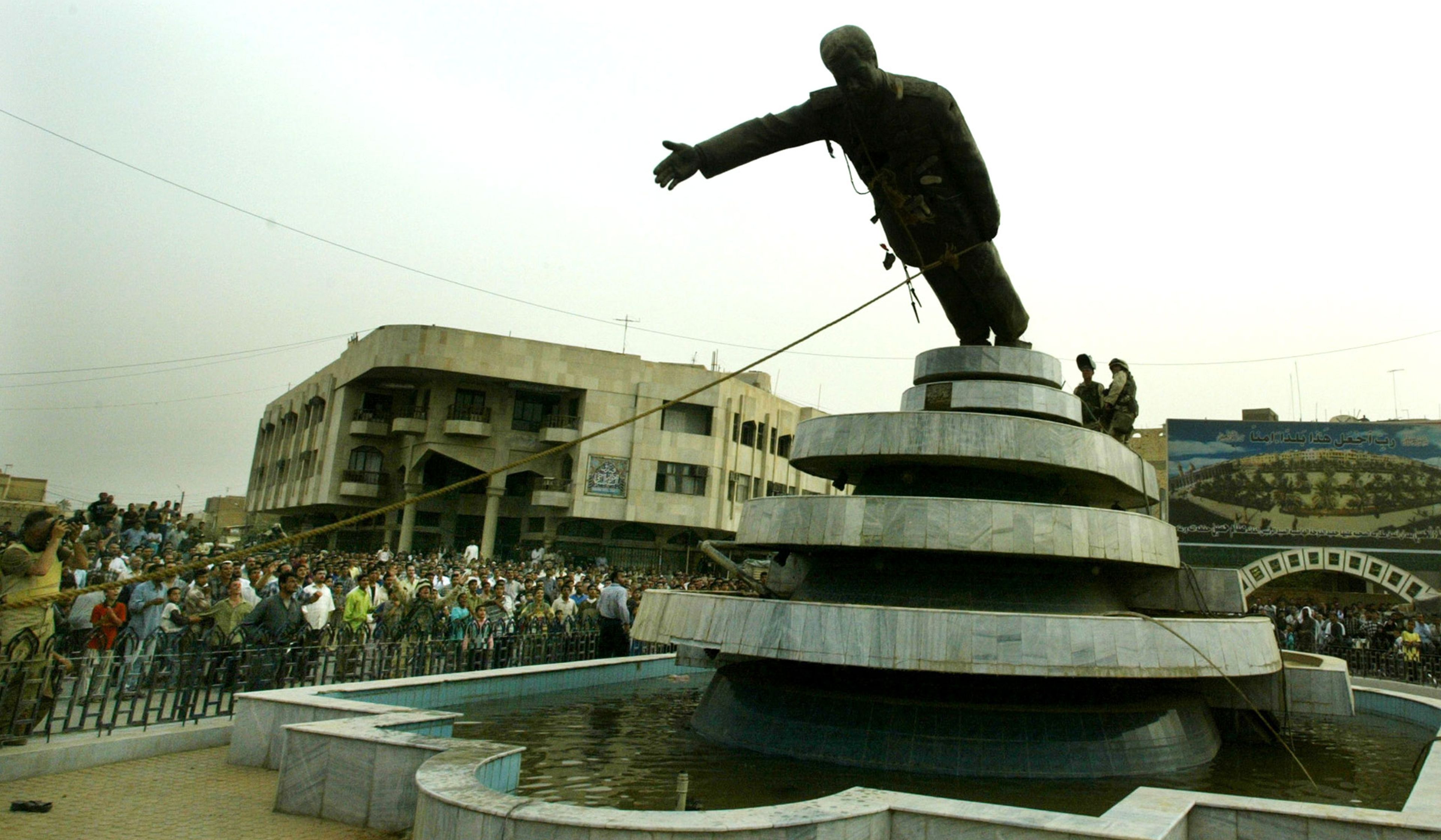
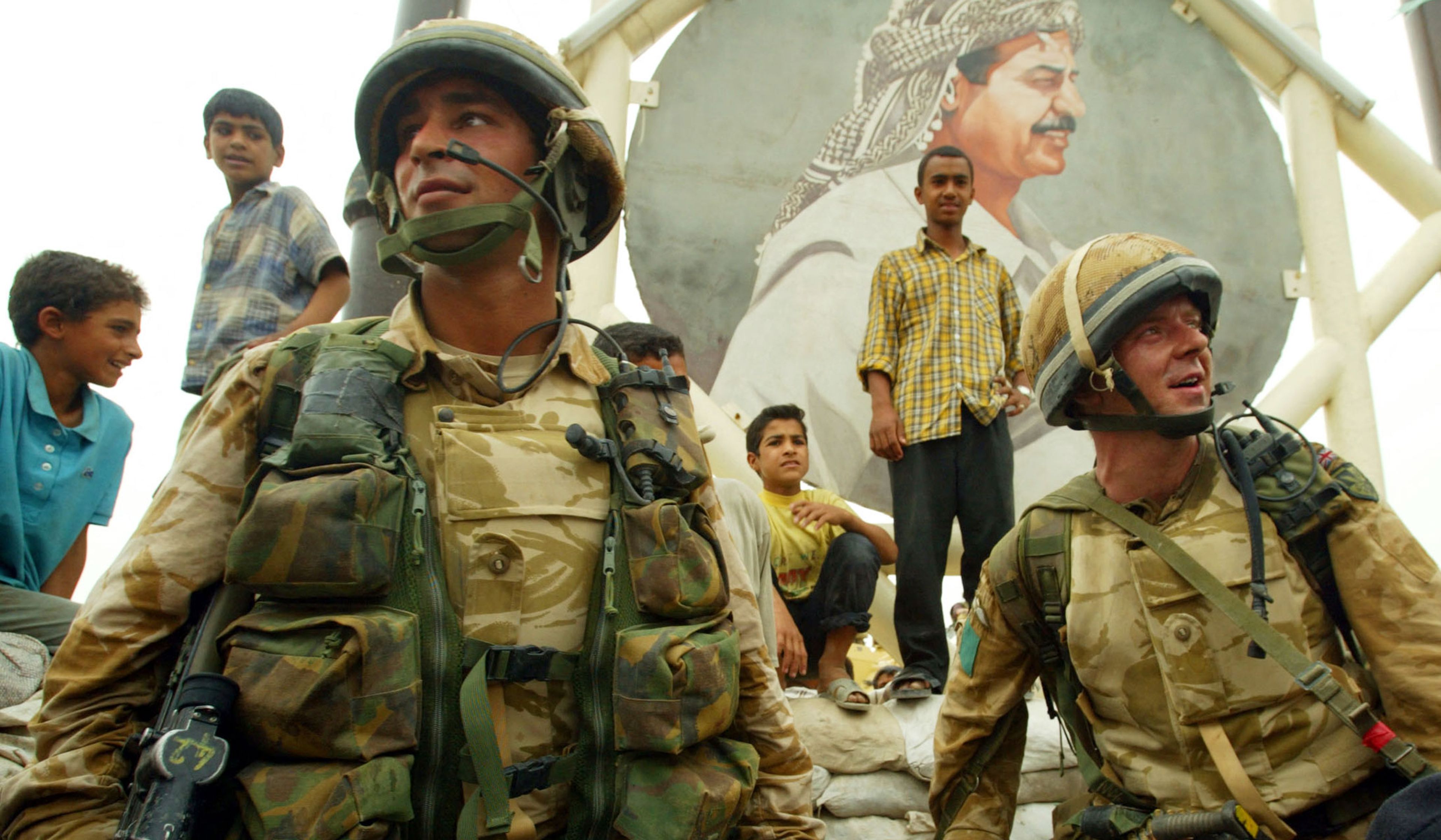
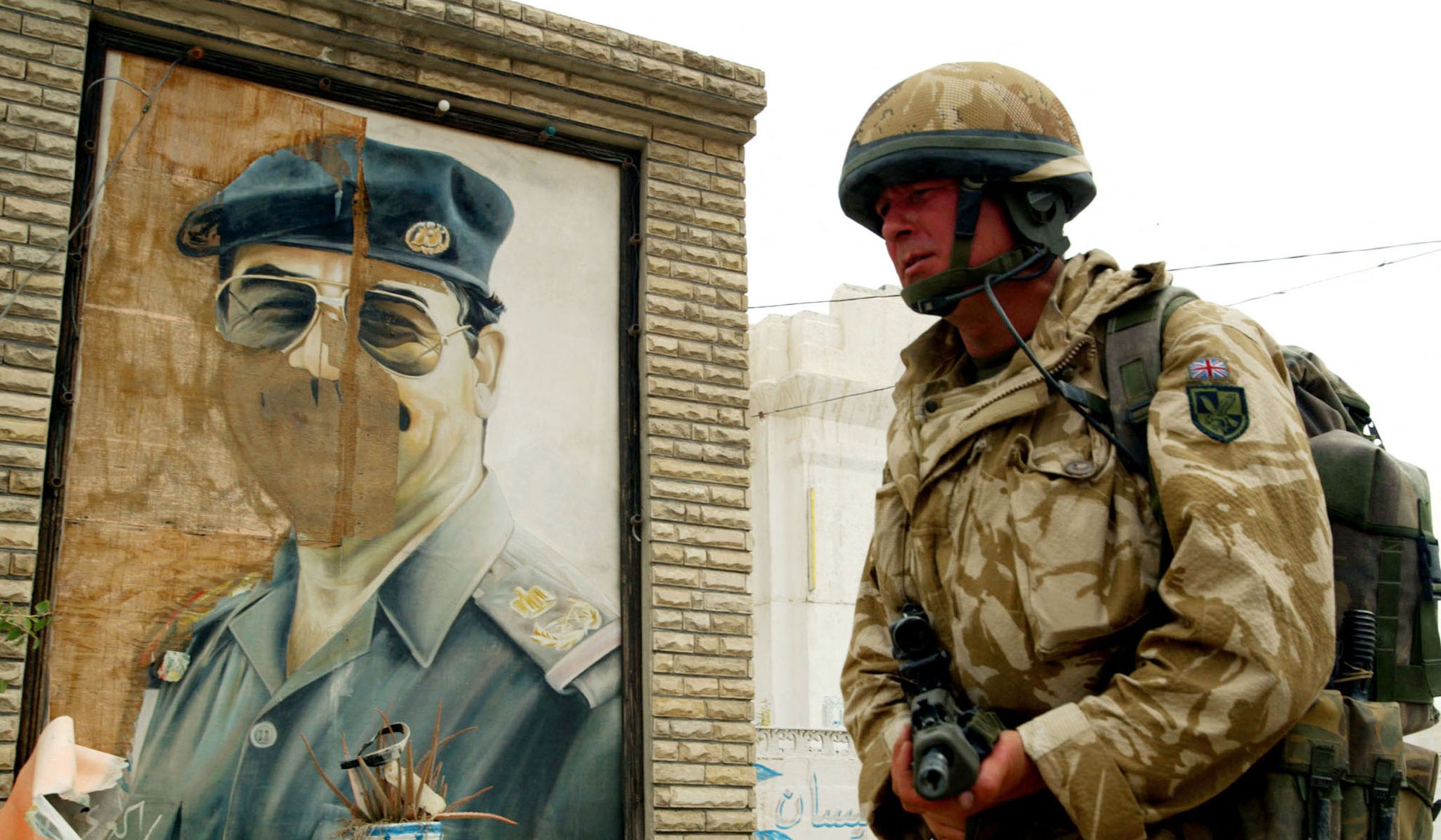
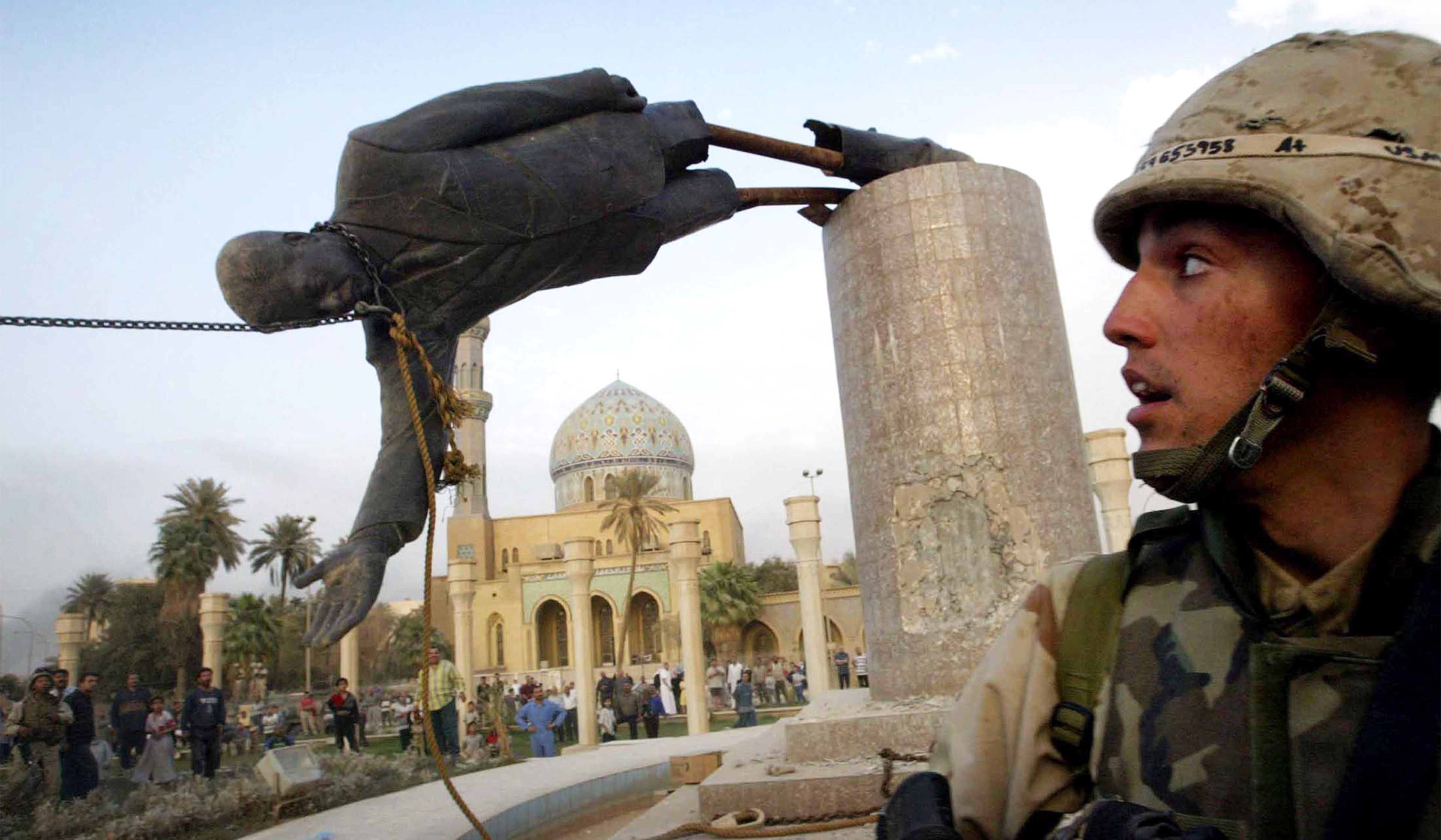
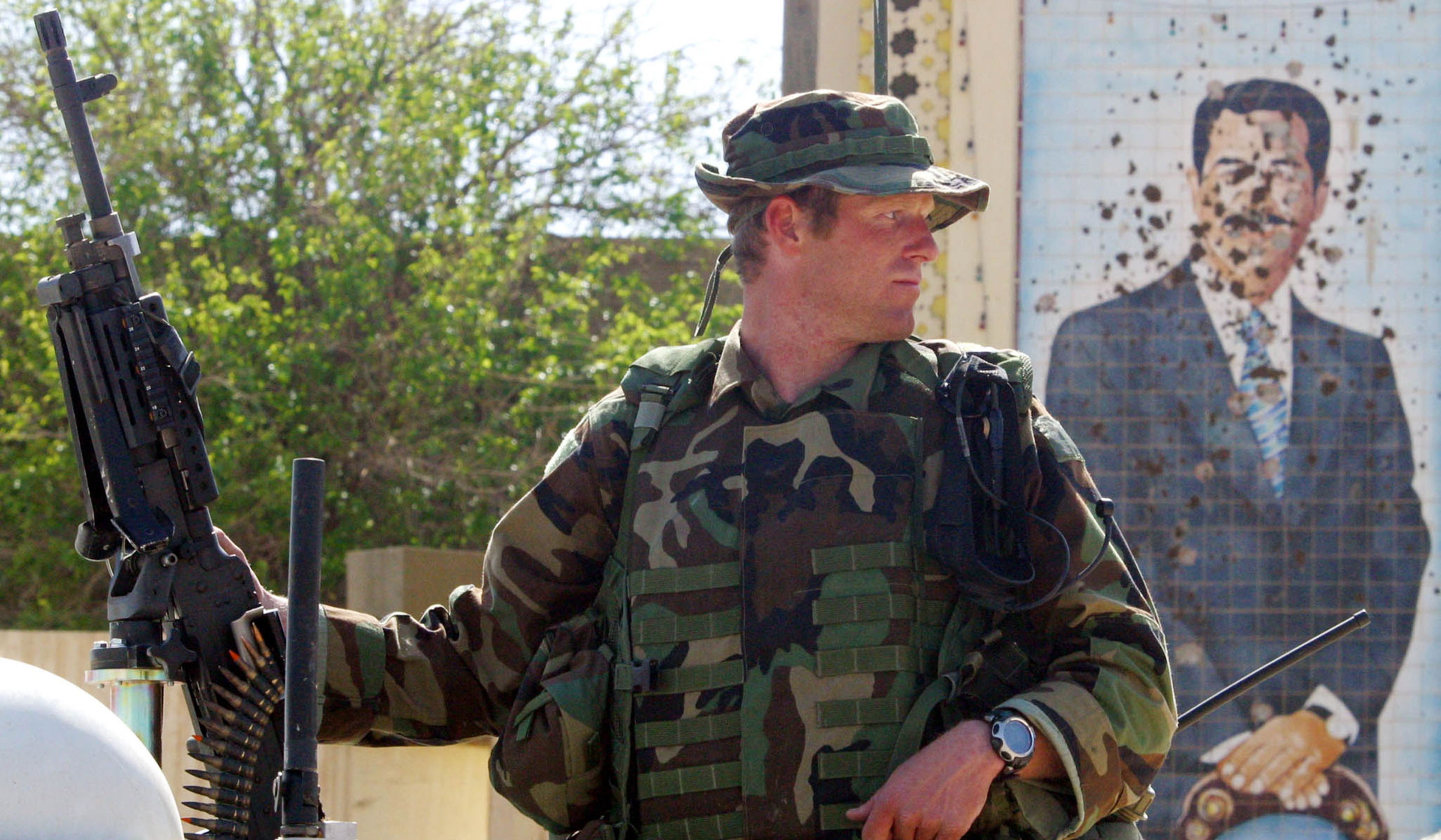
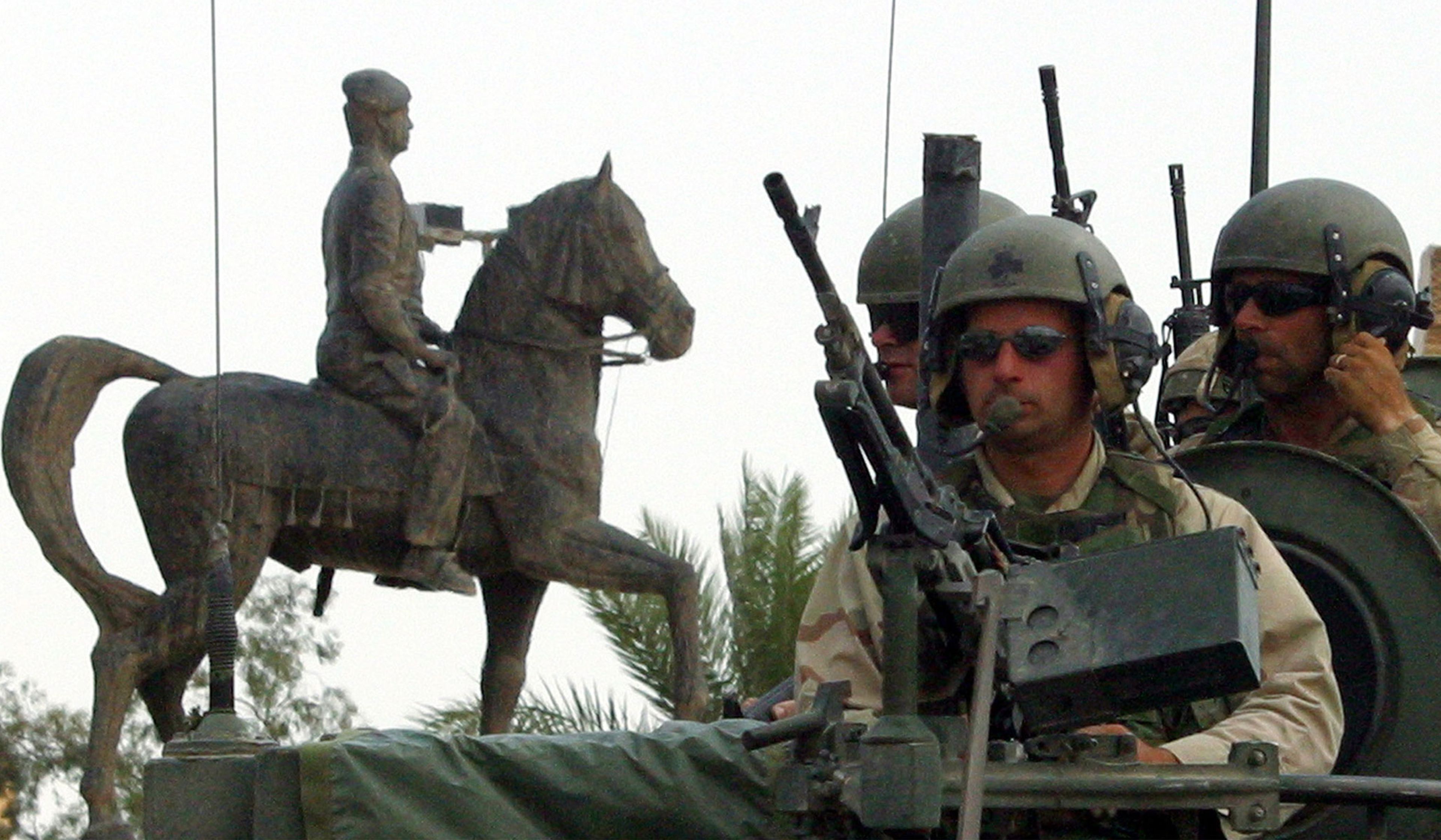
Soldiers of the British Seventh Armored Brigade patrol the road leading to the southern city of Basra, Iraq, March 23, 2003.
Jerry Lampen/Reuters
Leffler examines the clashes between the major players at the Department of State and the Department of Defense, as well as Condoleezza Rice’s role as the president’s assistant for national-security affairs. Secretary of State Colin Powell and his senior subordinates foolishly claimed that the solution to the Iraq problem began with Israeli–Palestinian peace and pursued a policy accordingly. Secretary of Defense Donald Rumsfeld and CENTCOM commander General Tommy Franks disagreed with the president’s stated policy that the U.S. military should remain in Iraq post-liberation and so refused to devise a plan for it. Rice failed to impress the president’s desires on either department, and she did not relay the problems to him, either. Bush and Vice President Dick Cheney are the only two senior officials whose stock goes up in the book. It has been a meme that Cheney was the real president and Bush his puppet. Leffler makes it clear that Cheney was a powerful and involved vice president — which the president had asked for — but that he was, however forcefully, advancing the president’s policy.
Bush’s immediate objective was to force Hussein to end his weapons-of-mass-destruction program and give up his existing stockpiles. Leffler finds no evidence that the administration purposely misled anyone about Iraq’s chemical-weapons stockpiles. He notes that, like Prime Minister Tony Blair, Bush was animated by an “overriding fear” that
weapons of mass destruction would make their way into the hands of terrorists. Like Blair, he knew that the Iraqi dictator had no nuclear weapons, and was not responsible for the 9/11 attack. But the president had every reason to believe, based on the intelligence he was receiving, that Hussein possessed biological weapons, could develop chemical weapons rapidly, and aspired to restart his nuclear programs.
The only exception was a memorandum that Major General Glen Shaffer sent to Rumsfeld, warning that there was a lot Americans did not know on this issue. Rumsfeld forwarded it to General Richard Myers, adding, “This is big.” It died there, never reaching another senior civilian.
Weapons of mass destruction became the primary justification for the war. To this day, there is a mystery surrounding them. We know that Hussein possessed them in the 1990s. In 2014, the New York Times reported that American troops had been subjected to chemical-weapons attacks during the Iraq War, but Bush decided not to go public with the story. Nonetheless, these were small-scale attacks. Herein lies the mystery: What happened to the rest of Hussein’s chemical weapons? His regime was under heavy sanctions, and the country’s economy was in a state of catastrophe. It is illogical that he would have voluntarily destroyed his stockpile without disclosing it to get much-needed rewards for good behavior. Quite possibly, we will never resolve the question.
Though Bush’s objective had not changed from that of the previous administration, the strategy had to, for two reasons. First, 9/11 added to the urgency. Second, sanctions had failed to convince Hussein, and, to make matters worse, they were about to collapse, as the international will to keep Iraq under economic pressure was waning. Rice suggested coercive diplomacy. The idea was to demonstrate a threat of force that was both credible and existential to Hussein. The president immediately adopted the idea. The U.S. military began developing a plan for invasion and eventually mobilized near the Iraqi border.
There was a flaw in the strategy: Hussein was not convinced by the threat. The Persian Gulf War had been quick, ending with few casualties and without a surrender by Hussein or an invasion of Iraq. The administration of President Bill Clinton had taken all kinds of abuse and issued all kinds of threats but had never responded with anything more than limited strikes. America had lost credibility. Hussein “was playing for time, trying to divide his adversaries, and scheming to reveal as little as possible,” writes Leffler, adding, “As American forces deployed, his thinking evolved, but his confidence did not wane.” Hussein thought “he would win the game of chicken with the Americans.” He had underestimated Bush and failed to realize how much 9/11 had changed everything.
Meanwhile, keeping the troops on the Iraqi border was unsustainable. Logistical concerns, including the heat of the desert, meant that at some point Bush would have to decide whether to send his troops to Baghdad or back home. Going back home would have left the weapons-of-mass-destruction problem unresolved, and it would have irreparably damaged U.S. credibility. He opted for Baghdad. On March 19, 2003, the war started.
There is now a consensus, which Leffler shares, that the war was not simply a failure but a mistake from the outset. If one assesses the war in a vacuum, one must admit that it looks like a mistake. That analysis, however, would be flawed. The U.S. intelligence assessment during the occupation concluded that, once sanctions were removed, Hussein would have acquired a nuclear weapon within a year. He was much closer to biological and chemical weapons. And he had the intention of developing all three. In addition, between 1979, when he assumed power, and 1991, when sanctions kicked in, there were only three years when he was not at war with a neighbor. After 1991, he frequently attacked U.S. and U.K. military patrols of Iraqi airspace. Any reasonable person would concede that an Iraqi nuclear-arms stockpile and another war of aggression would have been a plausible result of the collapse of sanctions. Yet critics have failed to offer an alternative to war that would have addressed that threat. The valid criticism of Bush remains that the war was poorly executed — specifically, that the president took too long to adapt once the initial strategy began to unravel.
Confronting Saddam Hussein corrects two decades of falsehoods that still color the public’s perception of the Iraq War. With the masterly narration of a fair-minded historian, Leffler presents the leading individuals for what they were: flawed humans — often egotistical, sometimes incompetent, but undoubtedly patriotic and sincere. They were surprised and overwhelmed by the moment. Some rose to the occasion, and others did not. For anyone who lived through these events, and perhaps even more for those who did not, this is a must-read.











Comments