A battle of the hawks is raging on Capitol Hill. Defense hawks say the nation’s security will be endangered if the caps imposed under the 2011 Budget Control Act aren’t lifted, allowing for more defense spending. Fiscal hawks assert with equal vehemence that the nation’s long-term economic health — the foundation for all government activities, including defense — will be permanently harmed if burgeoning deficits and debts are not addressed. Defense hawks argue for a massive investment to maintain the United States’ position as the world’s strongest power. Fiscal hawks argue for innovative improvements in efficiency to sustain U.S. leadership.
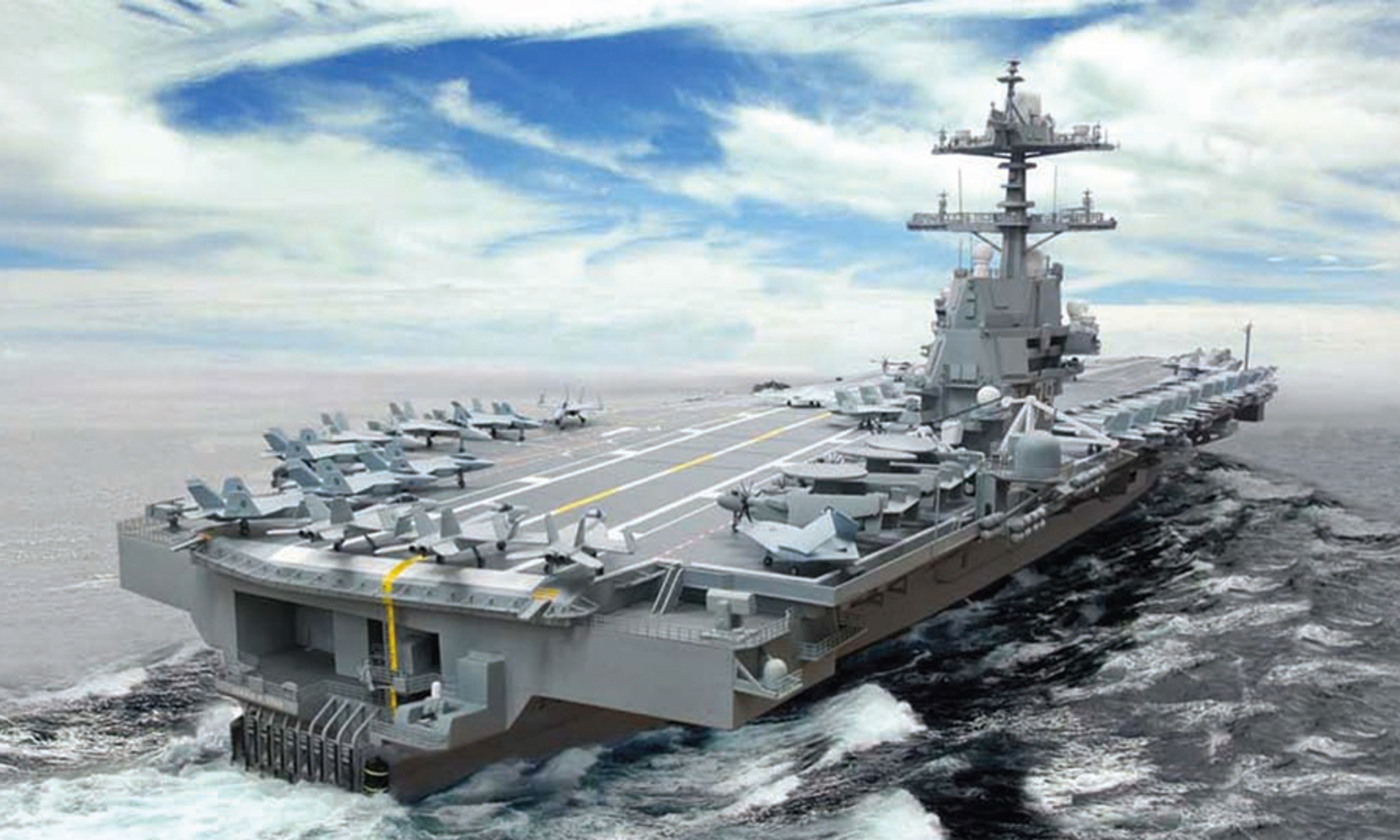
This argument as it regards the U.S. Navy is taking place with special vigor. The budget will have serious consequences for the size of the fleet and its ability to maintain combat readiness, which in turn will have consequences for U.S. strategy. If the Navy wants to address its budget crisis, its falling ship count, its atrophying strategic position, and the problem of its now-marginal combat effectiveness — and reassert its traditional dominance of the seas — it should embrace technological innovation and increase its efficiency.










Comments