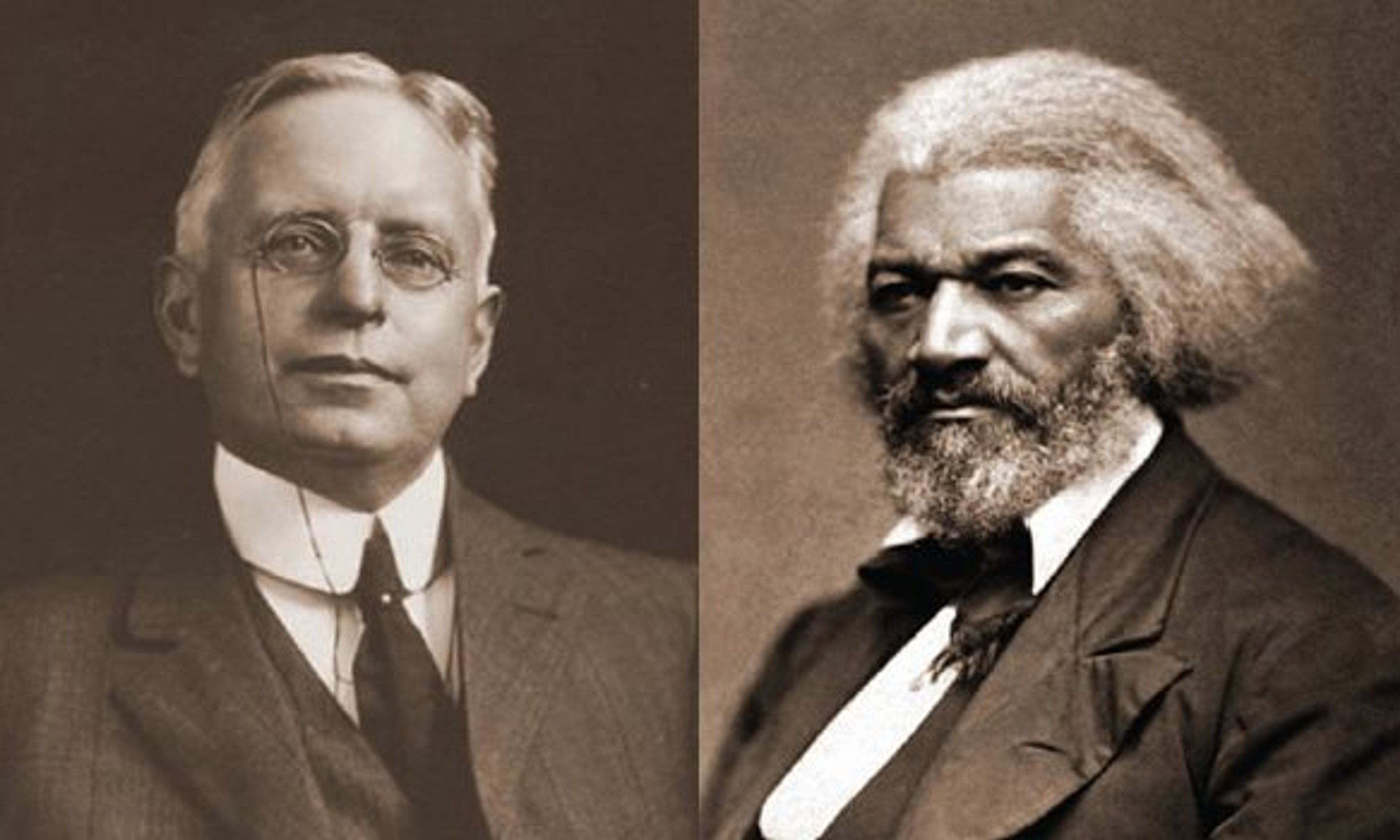
In 1865, amid the final throes of the Civil War, Frederick Douglass worried that the prospect of fulfilling the promise of the Declaration of Independence, by finally securing to blacks “the most perfect civil and political equality,” would founder on the allure of policies that in crucial respects restricted their natural rights, e.g. the rights to acquire property and vote. Such policies, though intended to “prepare them to better handle freedom,” would
The right to vote was even more important, because it was the main means for blacks to protect all their other natural rights. “Without this,” Douglass stressed, the black man “is the slave of society, and holds his liberty as a privilege, not as a right.”










Comments