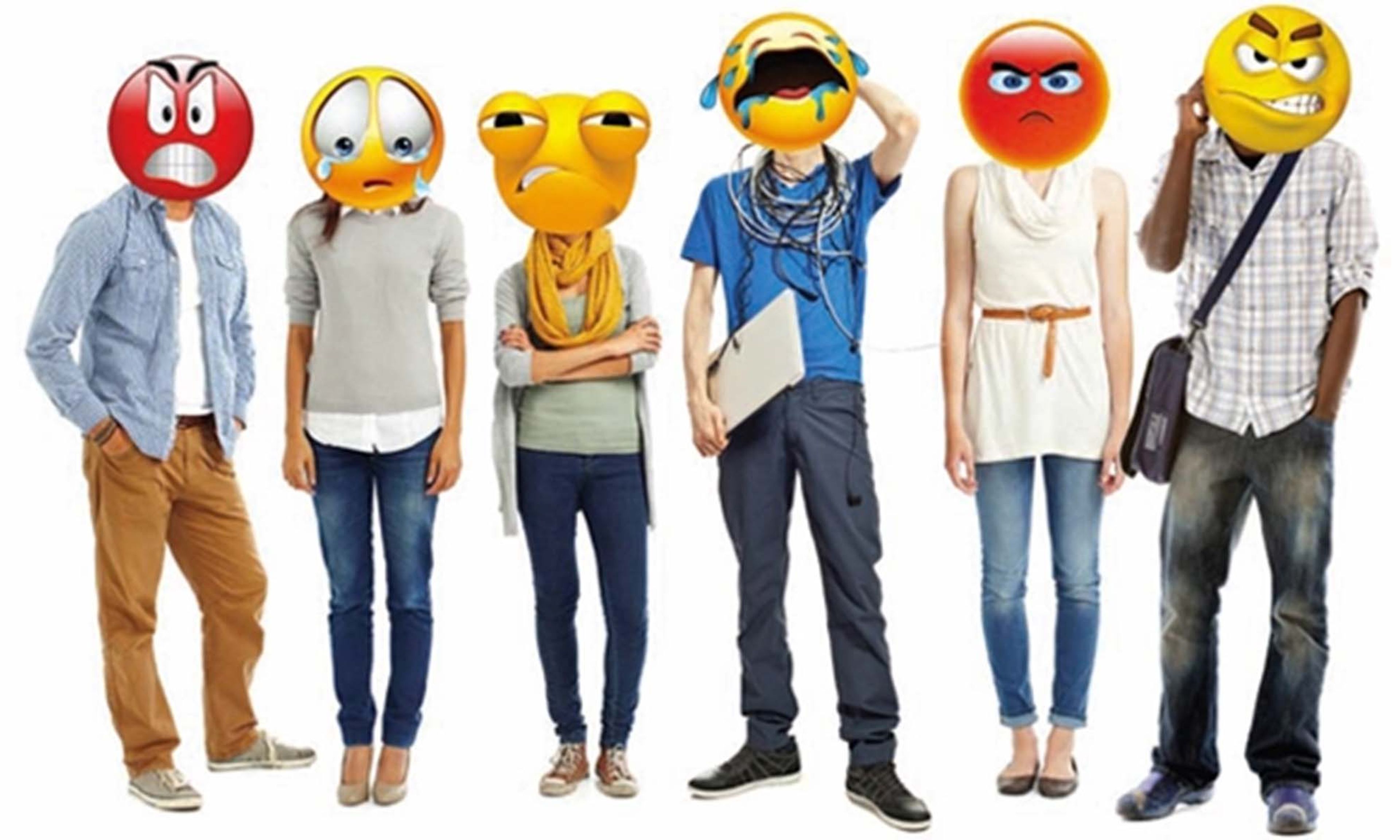
Blame it on the emojis. In October, the White House announced that it was rolling out an economic-messaging campaign directed at young voters, and the document it produced was laden with emojis, the pictograms originating in Japan that have become a sort of crude lingua franca in the age of instant post-literate communication. The White House’s “15 Economic Facts about Millennials” listicle, clearly based on the BuzzFeed model, failed to impress, among others, the readers of BuzzFeed, who mocked it ruthlessly: “Propaganda has never looked so cute and hip.” Assistant professor Natalia Mehlman-Petrzela of the New School, a young scholar of political culture, argued that “a Millennial could find this tremendously infantilizing.” Raffi Williams, the RNC’s 25-year-old deputy press secretary, added: “The emoji fail is emblematic of a larger issue for Democrats. They have long used celebrities, glamour, and gimmicks as ways to avoid tackling the issues that matter to our generation, namely the economy.” It probably did not help that the first emoji in the report was the self-congratulatory “applause” pictogram. The Obama administration quietly scrubbed the emojis from the final product.
Barack Obama is still in love with the Millennials, as well he should be: They played an important part in putting him where he is, twice, and without them he’d be a nobody also-ran race-hustling backbencher from an imploding state the other 49 would generally prefer to forget about. So he provides the young ones with plenty of stroking, doing Millennial town halls, praising their “start-up culture,” insisting that they constitute “a rising generation of talented, striving, innovative young people,” etc.










Comments