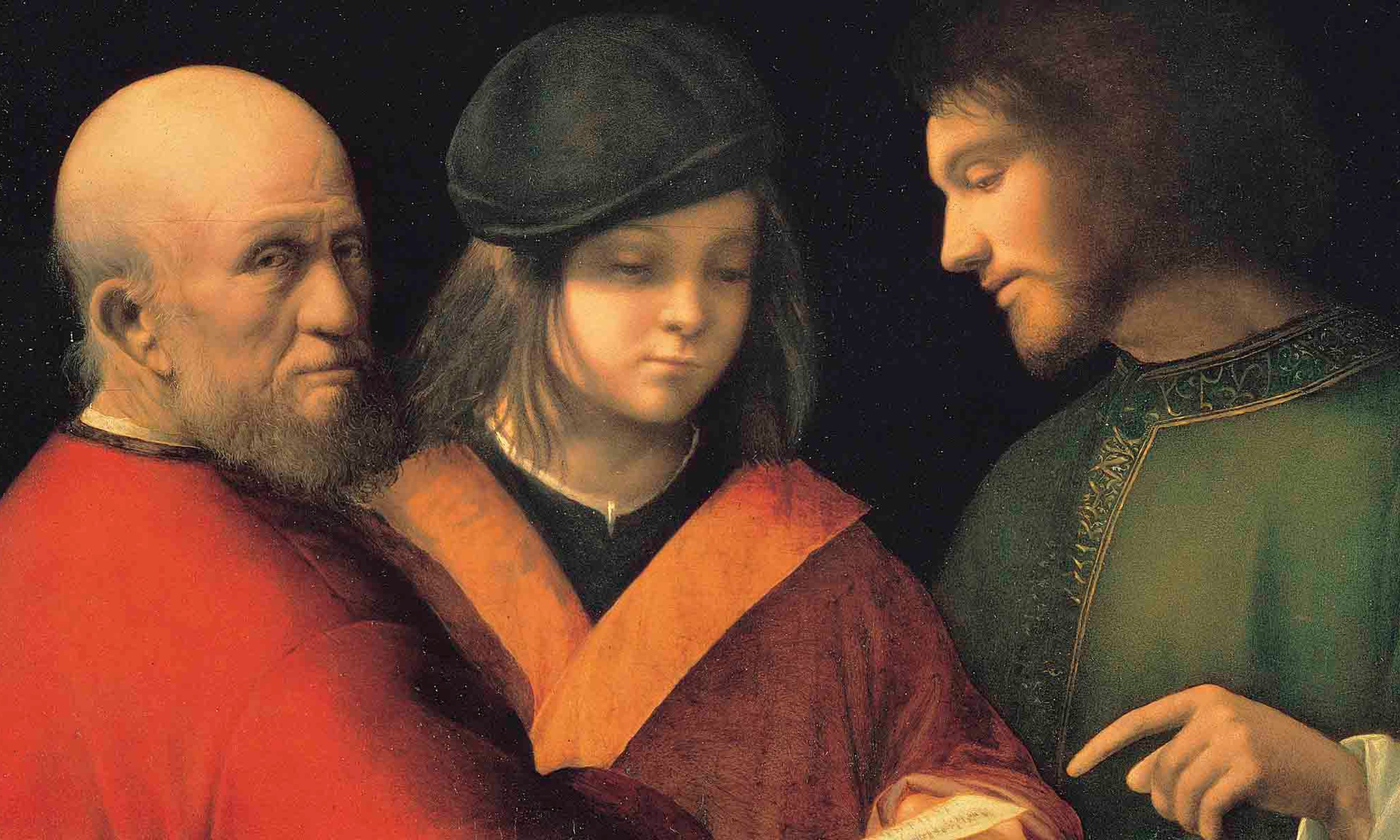
Whence come the principles of modern liberal societies — “liberal” in the classical sense of devotion to human liberty, with a private sphere protected by natural rights, the equal moral dignity of individuals, freedom of conscience, and a limited state? When and how did Western societies come by such foundational ideas of human freedom?
One usual account is that the Renaissance and the Enlightenment drove such discoveries, that in the several centuries from Machiavelli to Mill, the Western mind (in Jefferson’s words) “burst the chains” of “monkish ignorance and superstition,” with outmoded religious beliefs being at least modified and often jettisoned in favor of “the unbounded exercise of reason and freedom of opinion.” Prior to modernity, in this account, all is gloom and oppression.











Comments