Prosperity has a thousand fathers; economic ruin is an orphan. Few liberals want to acknowledge that our Great Recession was made, in part, in Washington, D.C., by the well-meaning politicians and bureaucrats whose subsidies and regulations helped inflate the housing bubble. Many conservatives are loath to admit that it was Wall Street, not Washington, that turned an American bubble into a global Götterdämmerung — that capitalist greed as well as government interference brought the world economy to its knees. The Left blames Wall Street and deregulation, the Right blames Fannie Mae and the Community Reinvestment Act, and neither points a finger in its own direction.
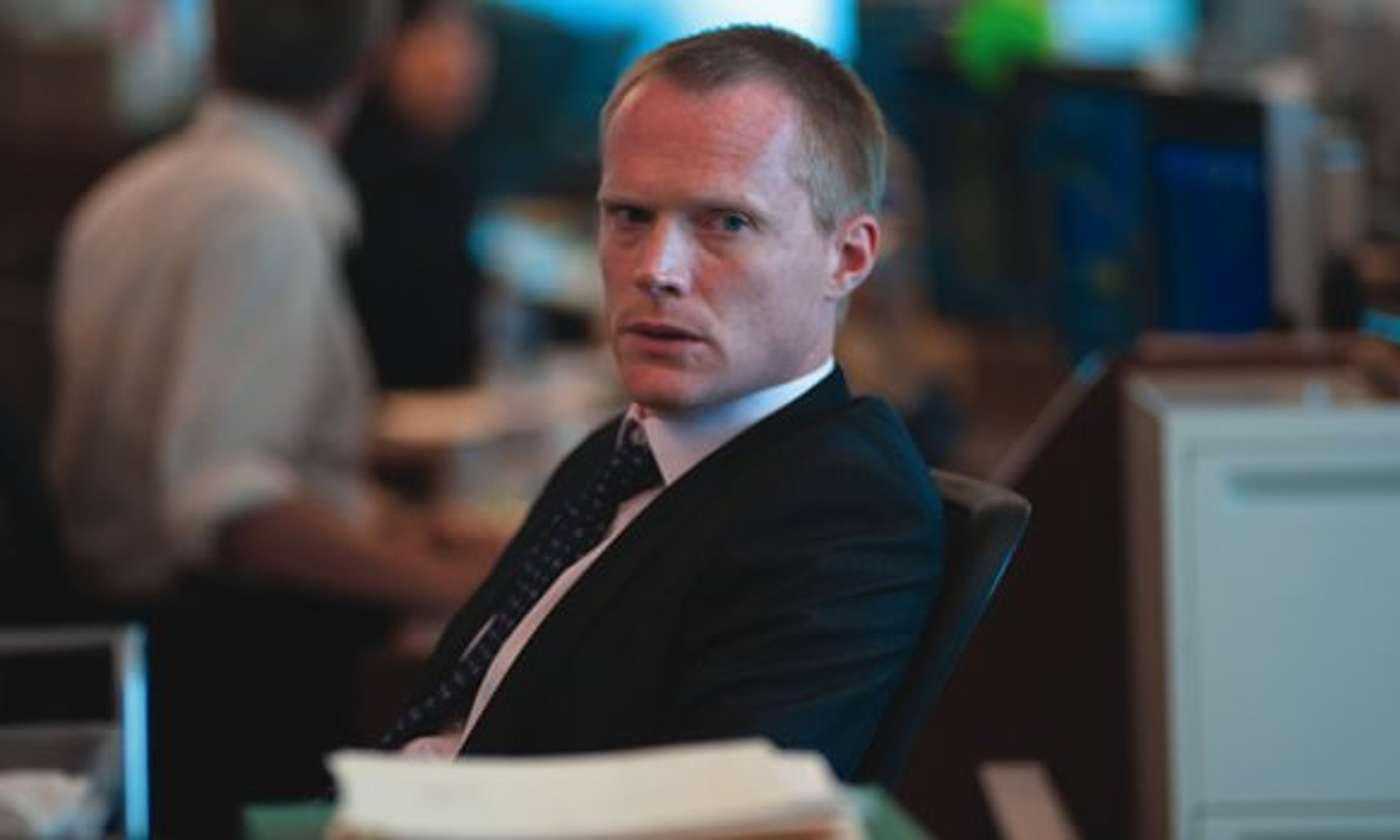
The best moment in Margin Call, a very good movie about 24 desperate hours in the life of a Lehman Brothers–like investment house, comes when the script escapes this trap, breaking from its focus on the sins of Wall Street to offer a wider lens on our predicament. This is a claustrophobic film, most of it set within the walls of a single Manhattan tower on the autumn night when a young analyst (Zachary Quinto) realizes that his company has bet far, far too much on residential mortgage-backed securities and stands to go belly-up in short order. But late in the story, a profane mid-level banker played by Paul Bettany gives the story the context it deserves, lecturing a subordinate who questions the point of their business:











Comments