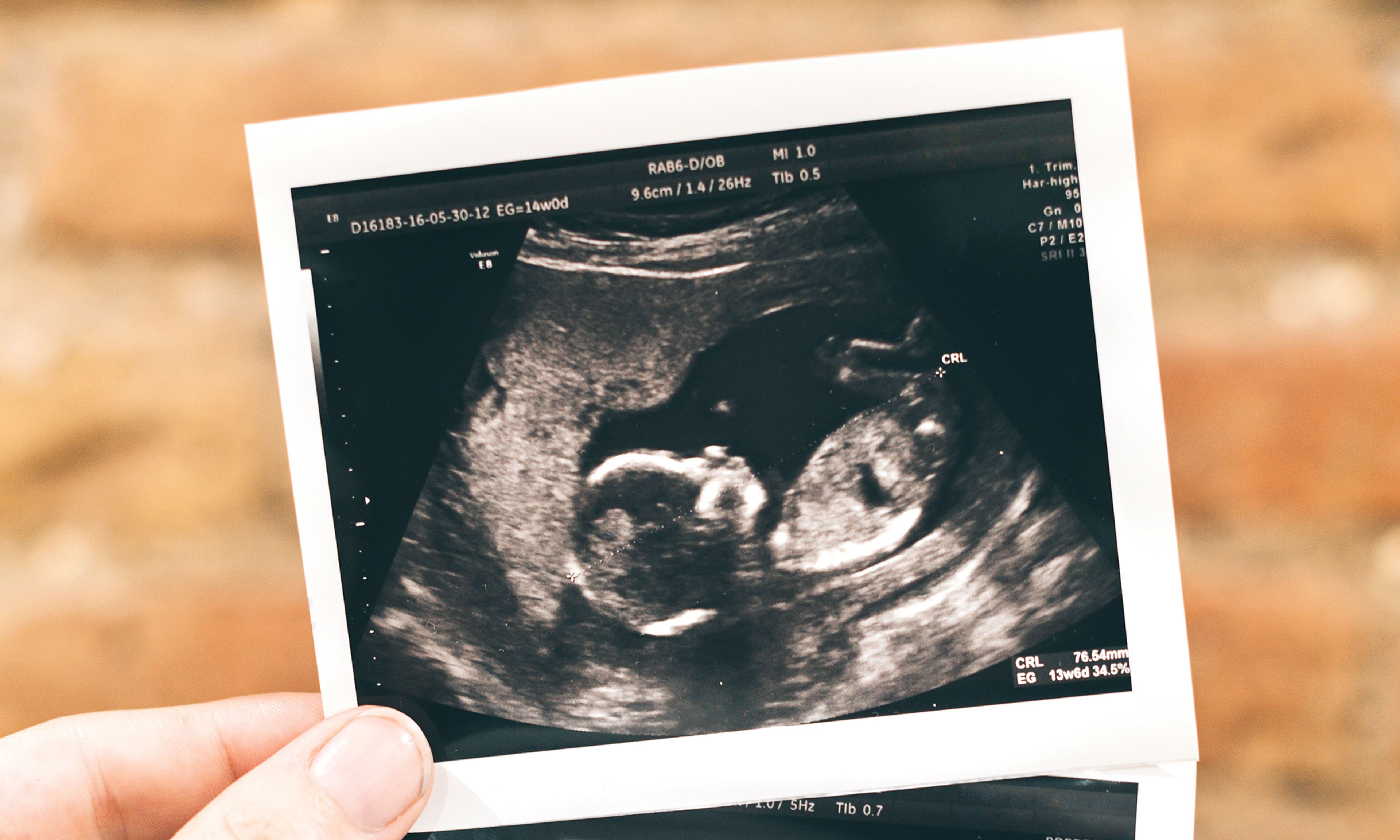
In the many decades since the Supreme Court’s decisions in Roe and Casey, there have been significant technological and medical advances in human embryology. In particular, rigorous investigations of fetal behavior that became technologically possible only at the end of the 20th century created an unprecedented new tool for studying fetal behavior. And by directly observing fetal behavior, these tools have given us a far better understanding of fetal consciousness and pain than was available at the time of Roe or Casey. There is now strong evidence that fetuses as early as twelve weeks exhibit conscious, intentional behavior and that they actively discriminate among similar sensory experiences.
For example, as early as 14 weeks, fetuses distinguish between music and mere vibrational noise that stimulates the same auditory pathways. By 23 weeks of life, fetuses distinguish nursery rhymes with the syllable “la” from rhymes with the syllable “lu.” And fetuses as young as 19–23 weeks selectively respond to and distinguish between different types of external stimulation, displaying more intentional — and perhaps communicative — movement in reaction to maternal abdominal touch than to maternal speaking.











Comments