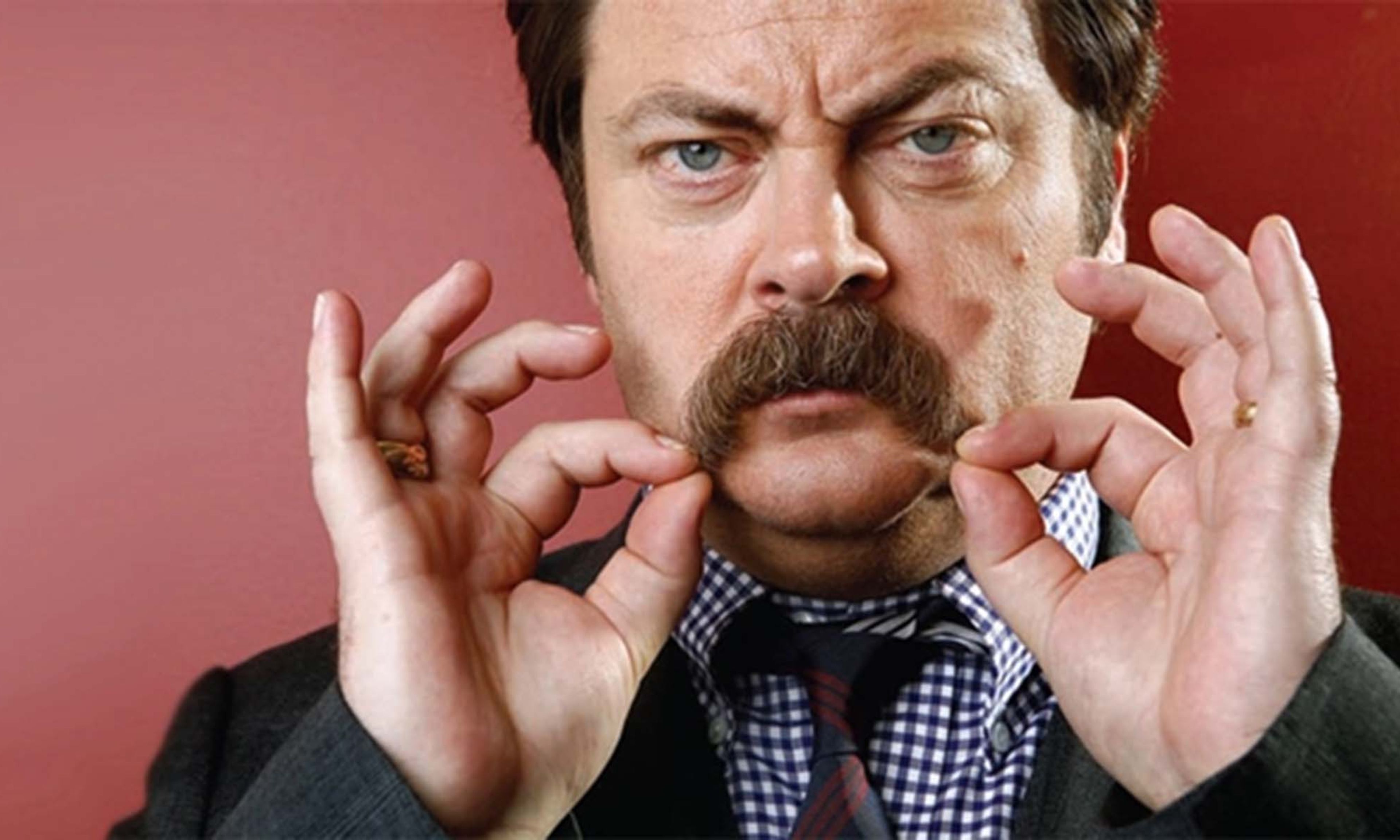
However talented he may be, no writer will ever be safe from his audience, for it is they who will eventually pronounce upon his meaning. Ray Bradbury once stormed indignantly out of a class at UCLA after his audience took to arguing vehemently with him as to what his novel Fahrenheit 451 was “really” about. Philip Roth was rejected by Wikipedia as a “credible source” about his own book The Human Stain, an editor at the site informing him mulishly that a “secondary source” was required. And, in perhaps the most conspicuous turnaround of them all, the television producer Norman Lear was horrified when his character Archie Bunker was met not with the rolling of eyes but with widespread approval. Lear, who had hoped to establish Bunker as a totem of all that is ghastly about clodhopping working-class whites, was forced to watch in consternation as his creation not only became popular but was transmogrified into the beloved champion of a besieged weltanschauung utterly at odds with his own. Authorial intent, it seems, is a tricky business.
Of late, a similar phenomenon has struck the hit NBC comedy Parks and Recreation. Ron Swanson, an initially second-string character whose idiosyncratic mien and tough-but-kind libertarianism was almost certainly intended as pasquinade, has, slowly but surely, become the focus of a micro-cult. At first blush, Swanson represents little more than the cartoonized rendition of a lost American man — part 19th-century homesteader, part strong and silent midwestern dad, part curmudgeonly autarch. Asked to help a local girl with a book report on “why government matters,” Swanson delivers a quick lecture on John Locke, eats 40 percent of her lunch in order to demonstrate “how taxes work,” supplies her with a claymore mine so that she might better protect her property, encourages her to drink and smoke when she reaches 18, and, eventually, justifies his behavior to her exasperated mother by explaining that he is a “libertarian” and that he is right. Swanson regards the government for which he works as “a greedy piglet that suckles on a taxpayer’s teat until they have sore, chapped nipples,” sees capitalism as “God’s way of determining who is smart and who is poor,” and contends that luck is just a “concept created by the weak to explain their failures.” Defend “property rights,” he warns; “do not let them be taken from you.” At one point, Swanson is named “Government Employee of the Month,” an indignity so great that he is forced to try to destroy the trophy in a series of increasingly amusing ways and finally to bury it at night in a neighboring state. He is, let’s say, an unlikely hero in the age of Obama.











Comments