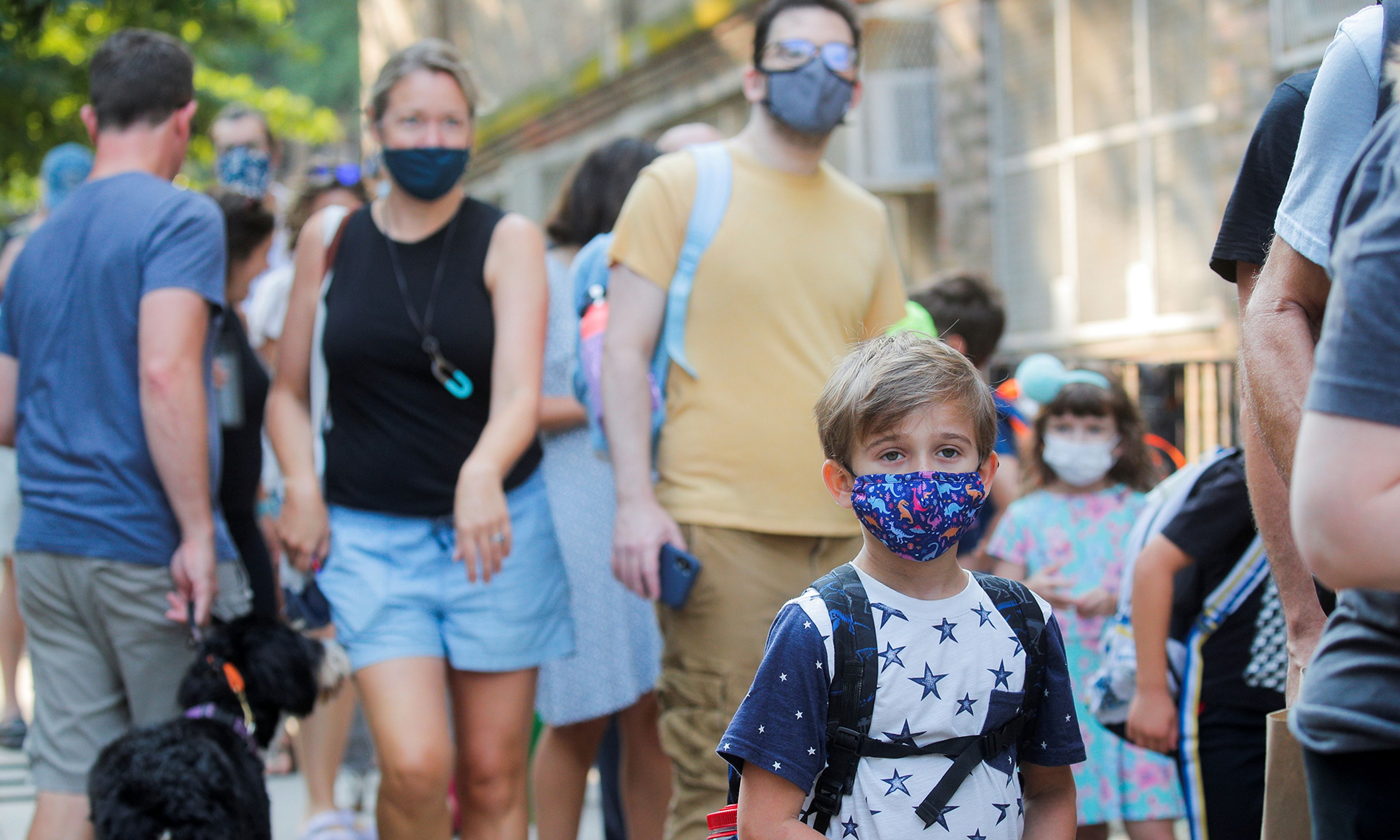
The pandemic has revealed serious weaknesses in most areas of American governance, but few institutions have been more exposed than K–12 public education. After the experiences of the last year and a half, parents understandably have little remaining faith in the leaders of the nation’s public-school systems. If there is any silver lining to the nation’s inept and chaotic handling of K–12 schooling during the pandemic, it’s that millions of parents now recognize that traditional, one-size-fits-all public schooling doesn’t work for their children.
Consider the lessons parents and students learned during the 2020–21 school year.
As early as last summer, there was encouraging evidence that the virus posed a less serious threat to children than does influenza, a well-known risk that schoolchildren face every year. Also, public-health experts, including the American Academy of Pediatrics (AAP), warned at the time that the costs of prolonged school closures to children’s well-being were significantly greater than the health risks of the coronavirus. Nevertheless, many of the nation’s largest school districts delayed reopening schools well into the school year, and some remained closed months into 2021. The school districts that were slowest to reopen were in communities where teachers’ unions are known to exert the strongest influence. These unions have a long-standing tradition of advocating policies that prioritize their members’ interests above children’s. While many essential workers were willing to brave the health risks and uncertainties of the pandemic (before the vaccine became available) to continue regular work, many teachers strongly preferred remote learning, regardless of the effect on students.
But where public and private schools did remain open throughout the school year, in-person learning did not appear to be a significant driver of spread of the virus. After the school year concluded, the Centers for Disease Control and Prevention reported that “transmission within school settings is typically lower than — or at least similar to — levels of community transmission, when prevention strategies are in place in schools.” Many parents wondered what prolonged school closures and the resort to remote learning had actually accomplished.
For its part, Congress responded to the K–12 educational crisis caused by the pandemic by passing three separate spending bills, providing more than $190 billion in aid to state education agencies. Lawmakers justified the unprecedented federal aid by pointing to the urgent need to help schools safely reopen in accord with CDC guidelines, and to support children’s outside-of-school learning needs while schools were closed. But by May 31, nearly $143 billion of the $150 billion in aid distributed to the state education agencies by the Department of Education had not been spent.
That school districts decided to delay reopening and states left federal emergency aid untouched looks unconscionable given the costs of prolonged school closures to American children. National reviews of student test scores show that children lost as much as half a year’s worth of learning in 2020–21, with disadvantaged children disproportionately affected. Students with disabilities also suffered big setbacks. In these ways, the pandemic has widened academic-achievement gaps and increased inequality. The schooling disruptions during the COVID-19 era will be felt for decades. Analysts have already projected that prolonged closures may result in reduced lifetime earnings and life expectancy for affected children.
This brings us to the current school year. Nearly all public-school districts in the U.S. have begun the new school year with in-person learning. There is reason for optimism that American children will enjoy a more normal school year, though concerns persist about mask and vaccine policies, the risks to children posed by the Delta and future variants of SARS-CoV-2, and remote-learning contingencies should serious outbreaks lead to further interruptions of schooling. As data published by the American Association of Pediatrics indicate, the highly contagious Delta variant led to a sharp increase in child cases between early August and September. Based on current evidence, however, the AAP notes that “severe illness due to COVID-19 is uncommon among children,” while acknowledging that we need to learn more about the potential long-term impacts of infection.
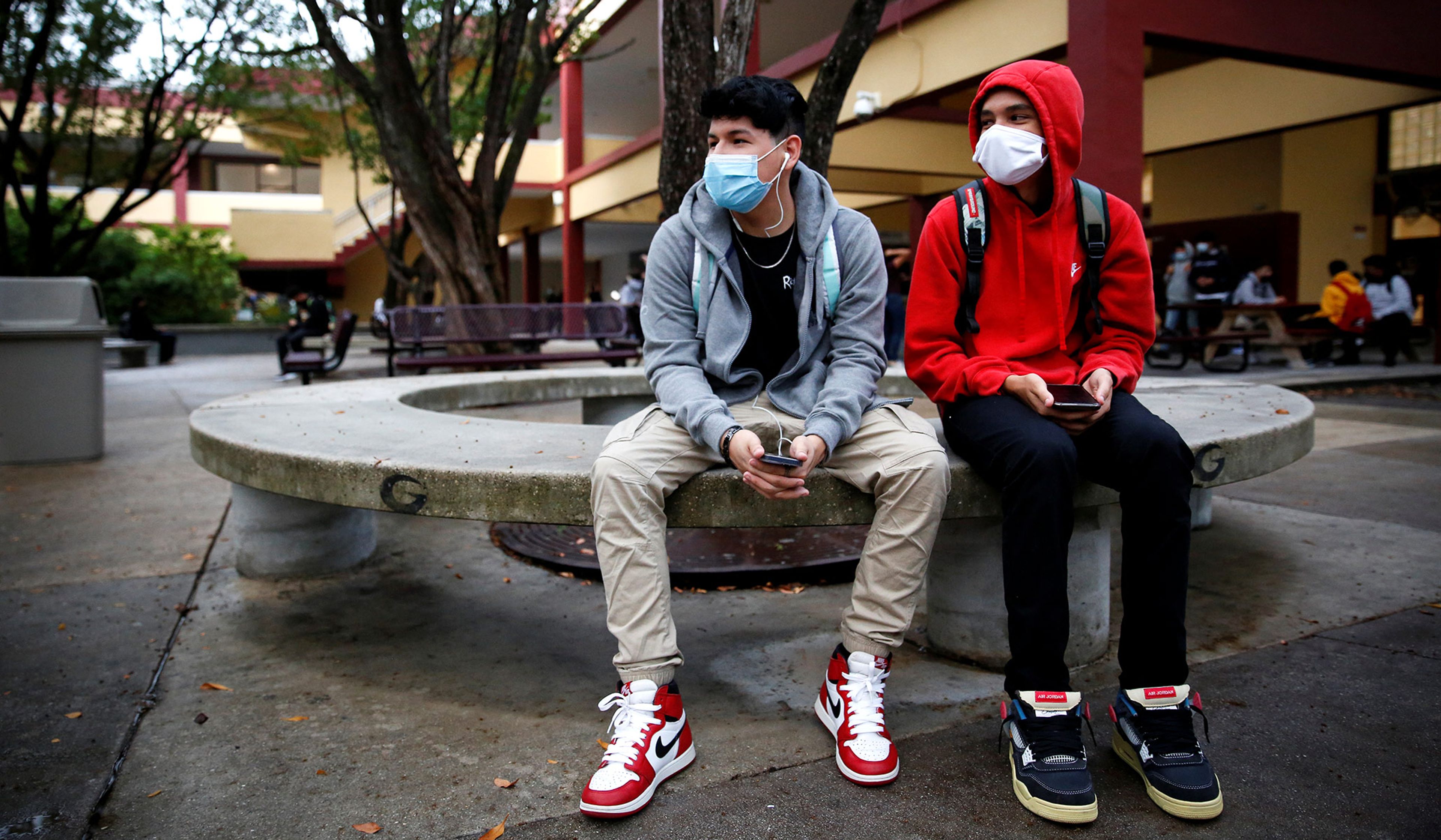
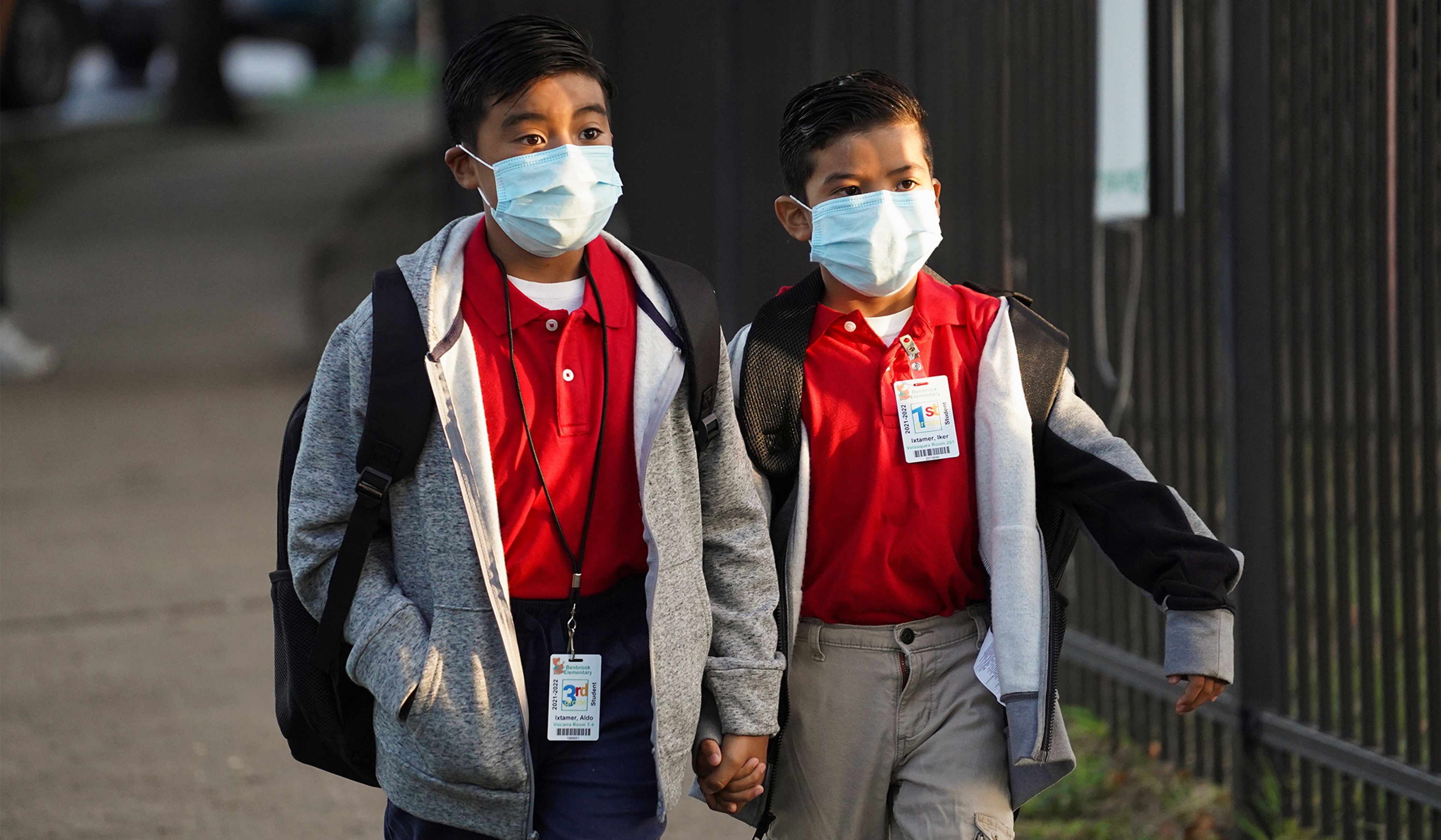
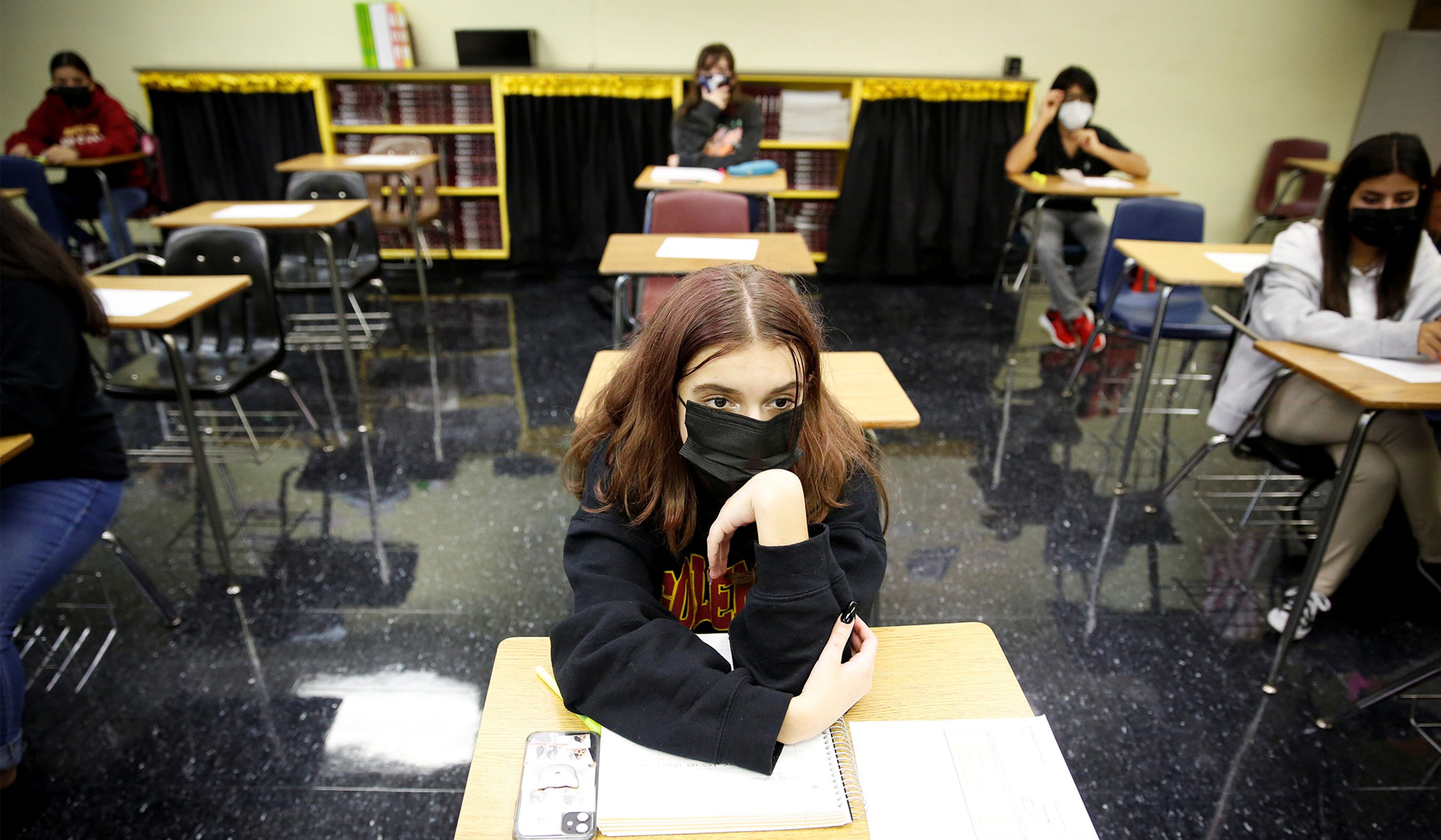
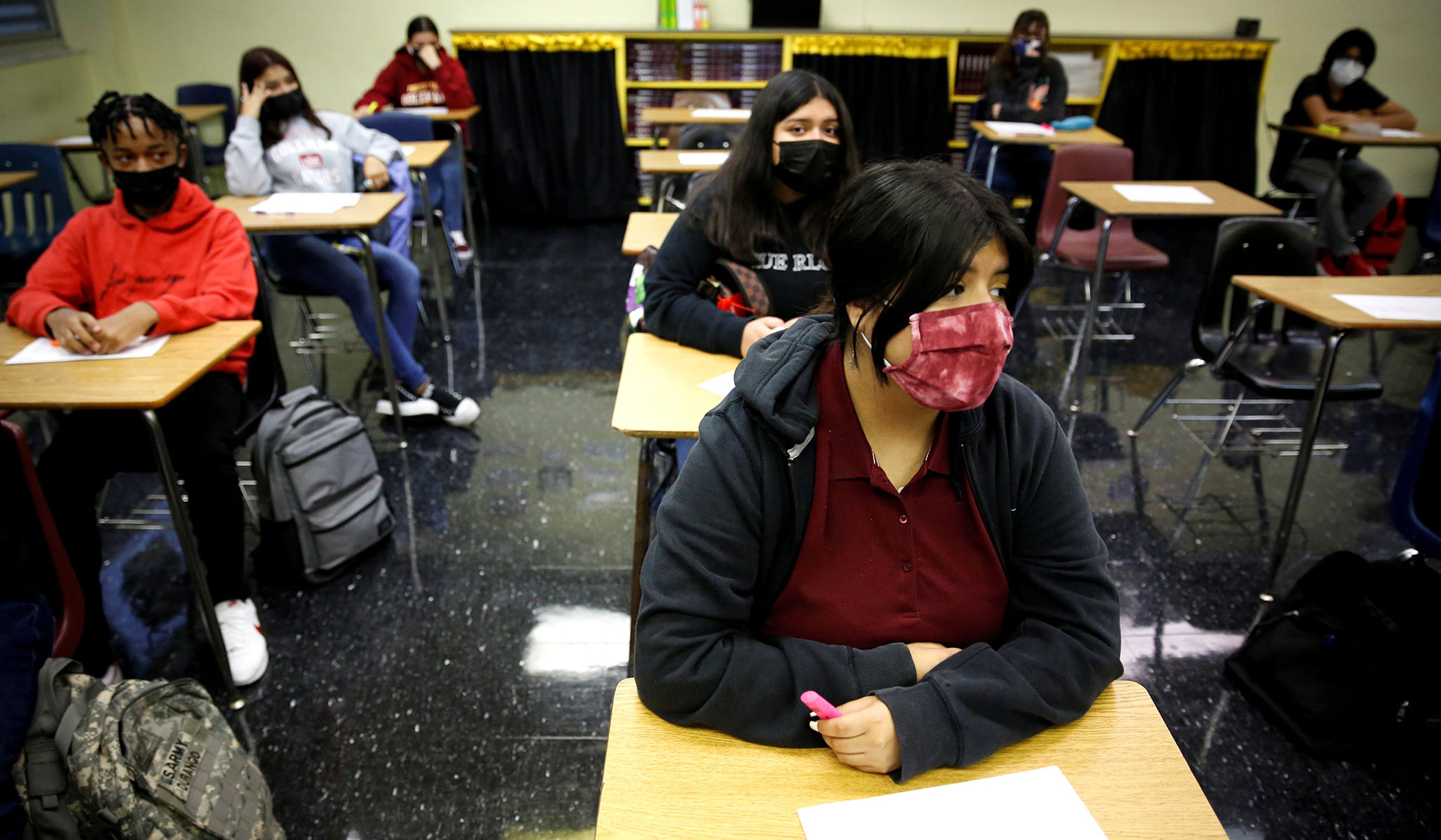
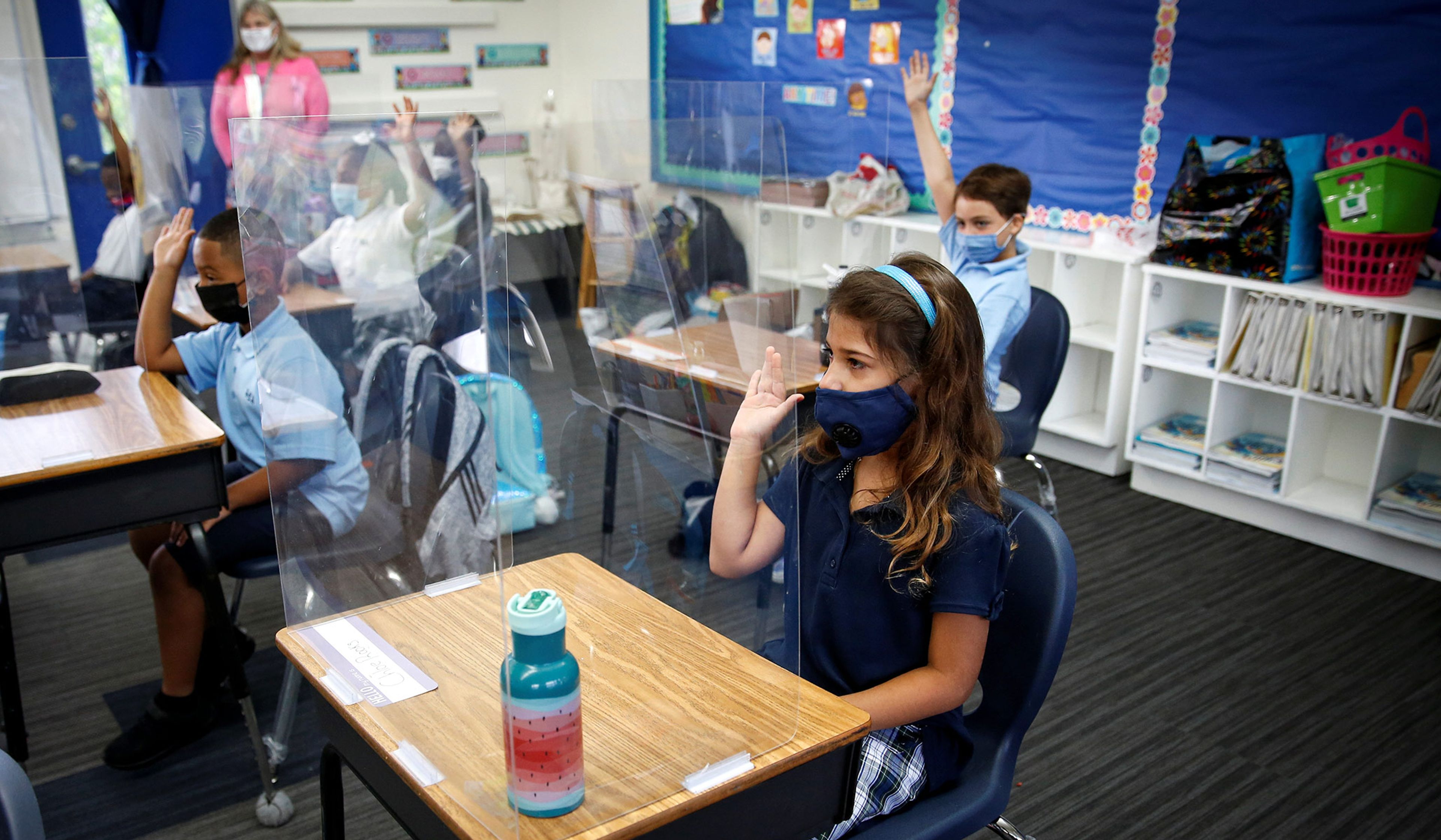
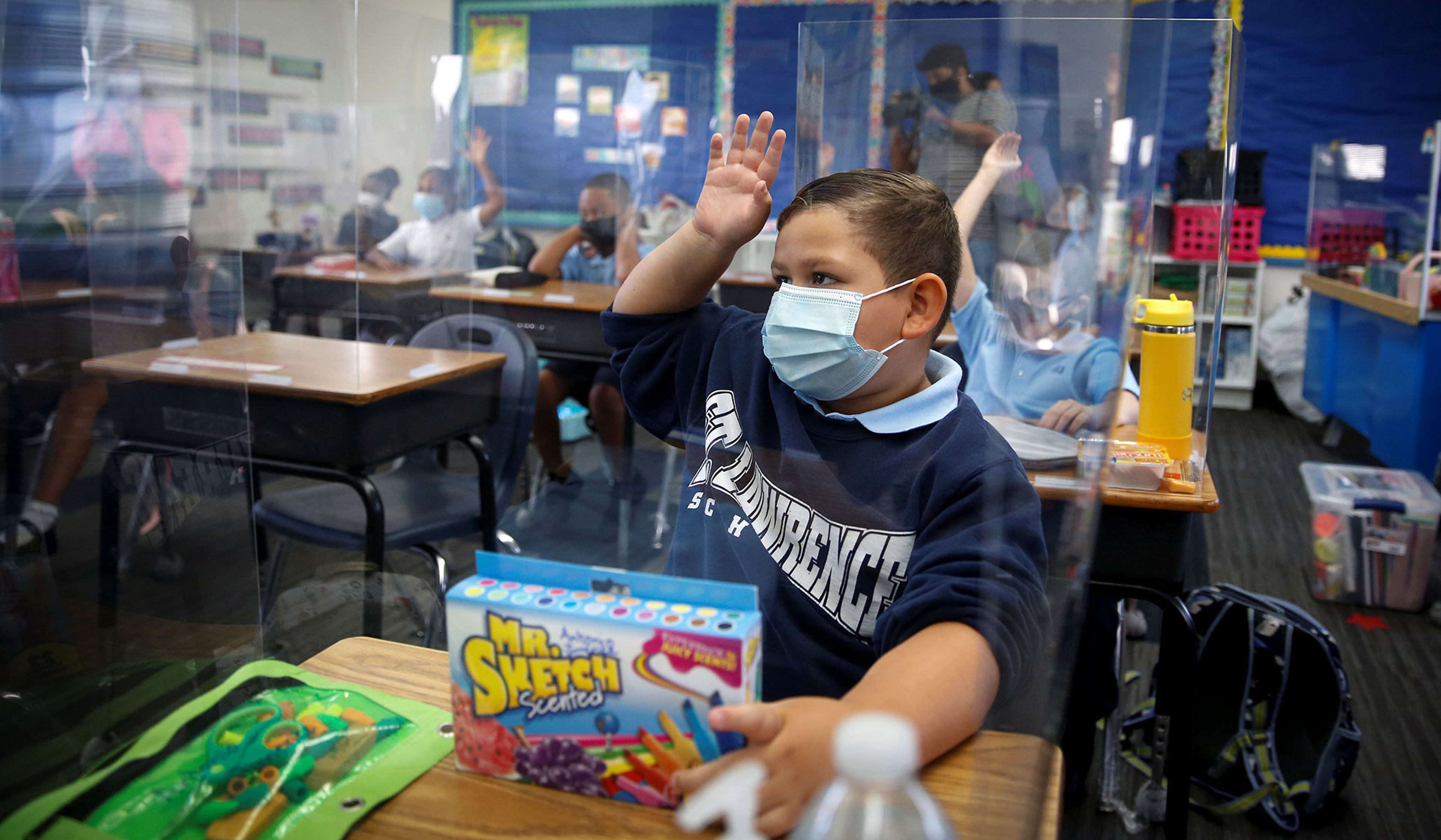
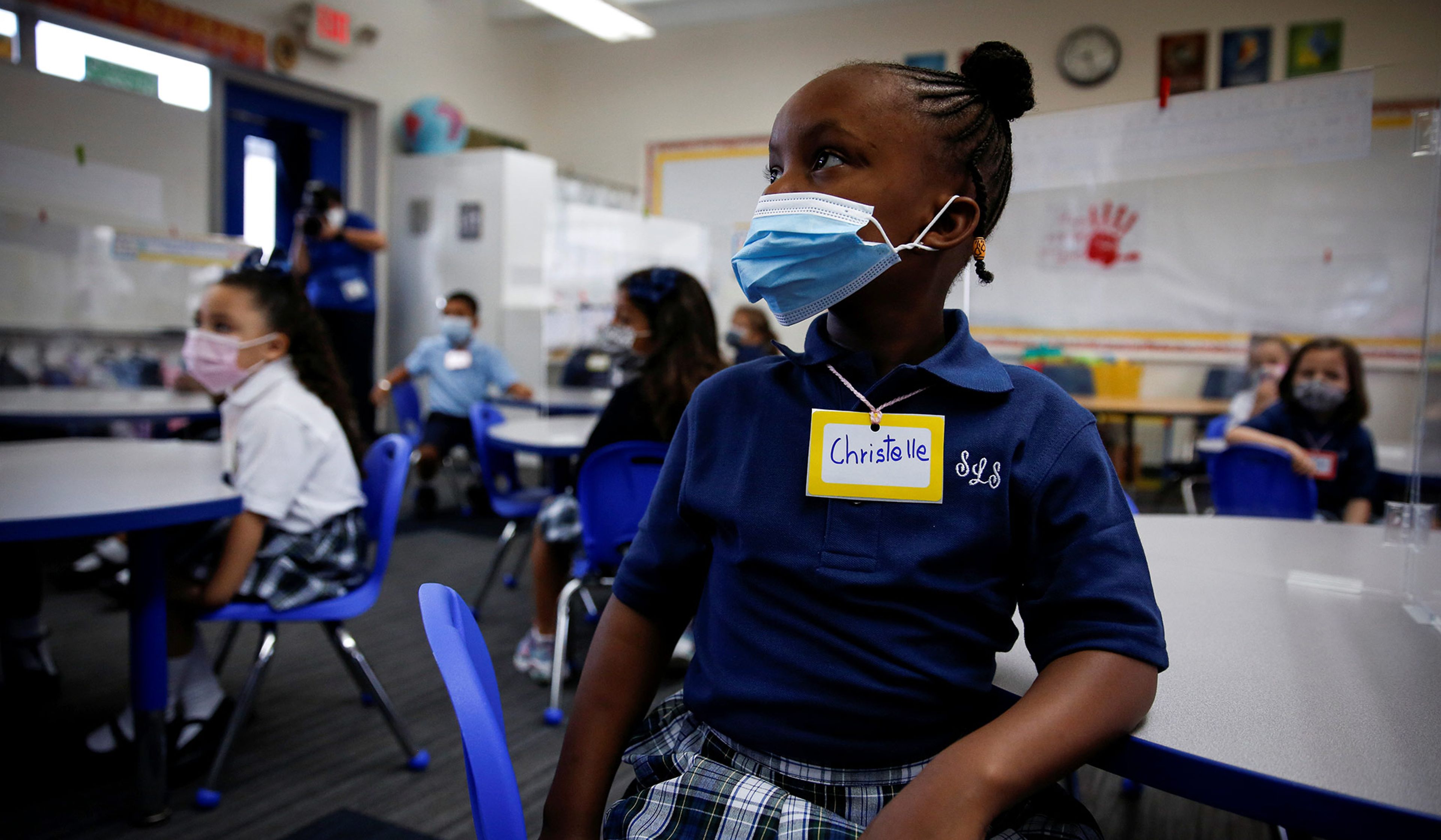
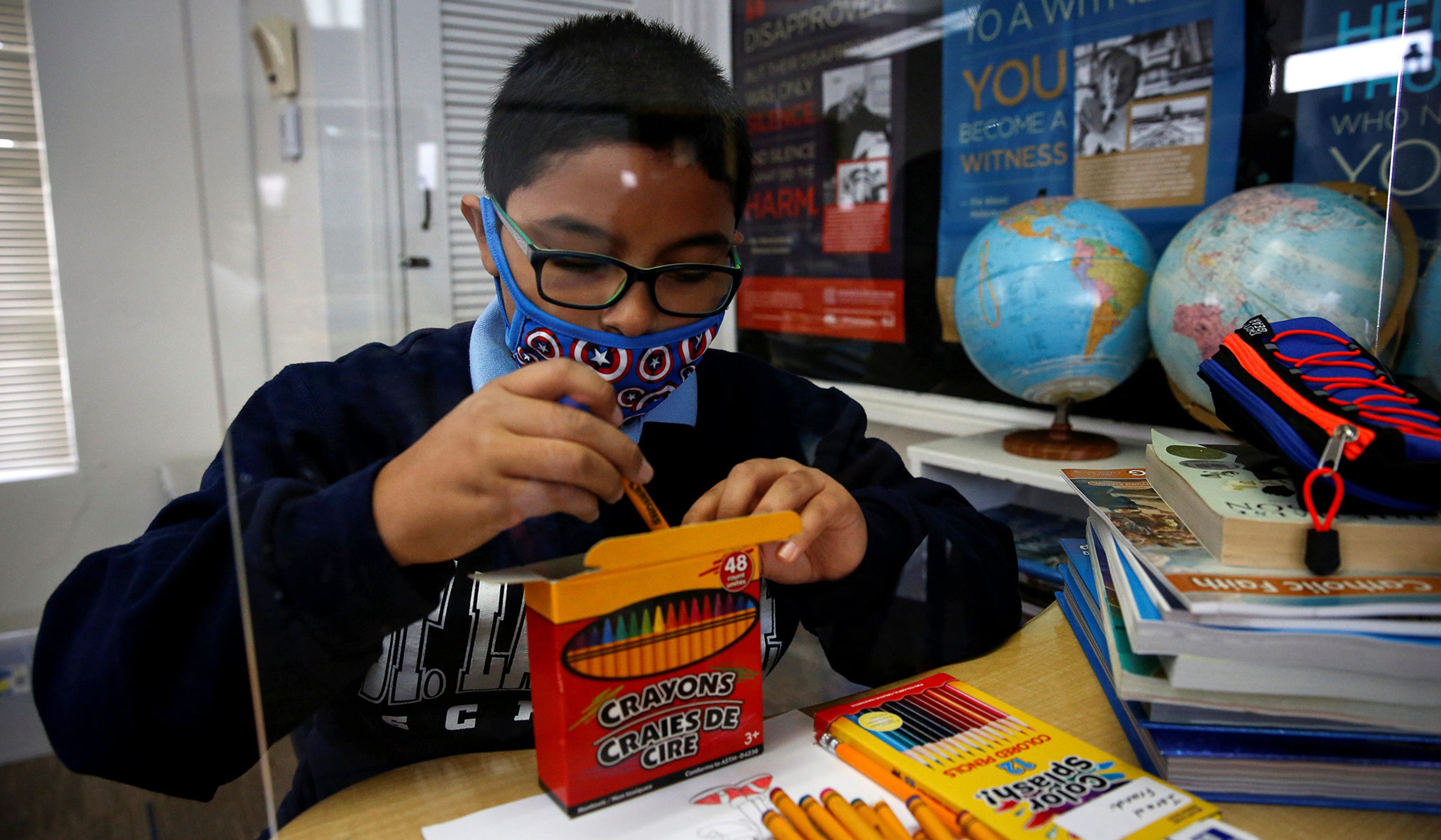
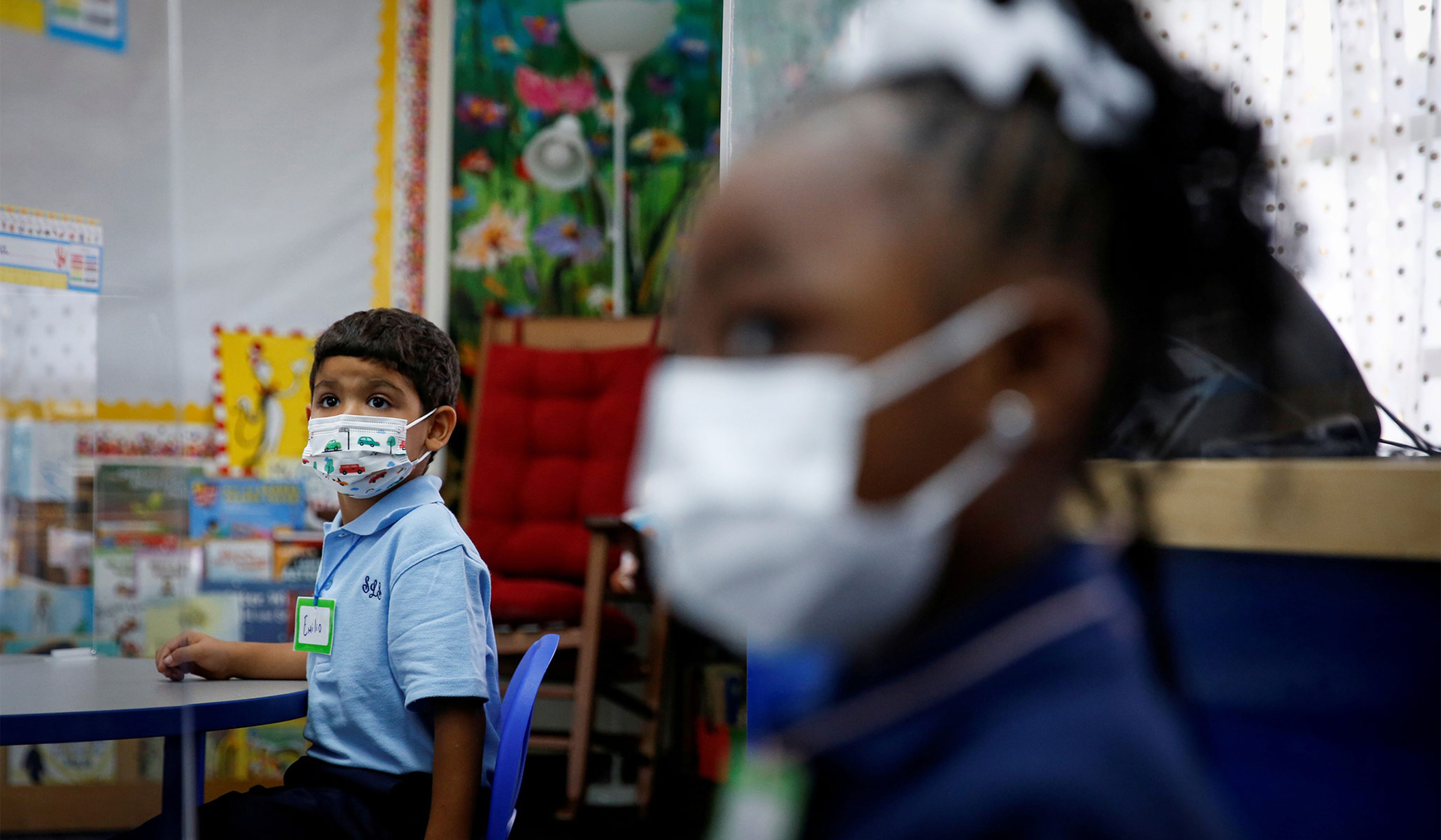
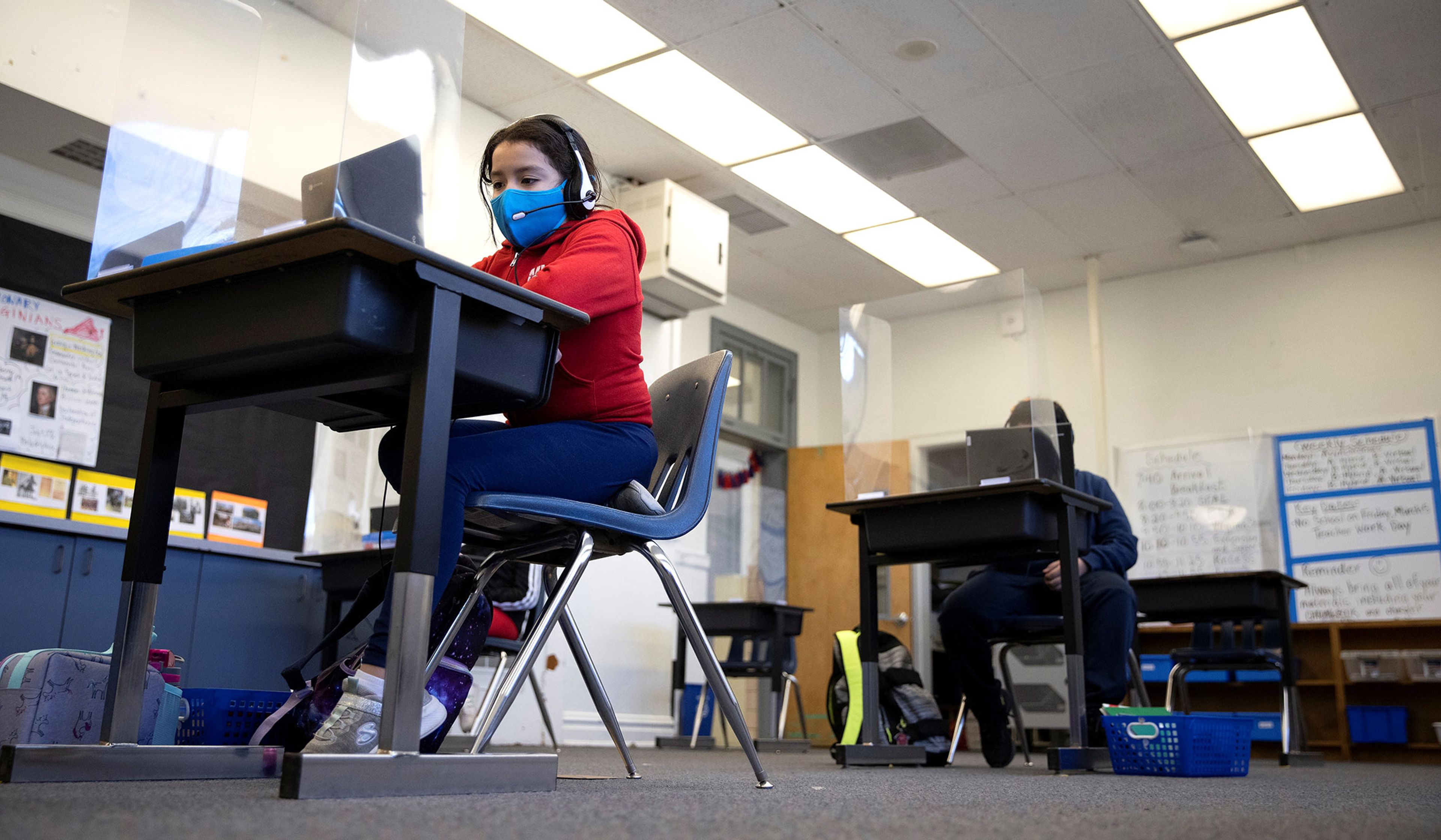
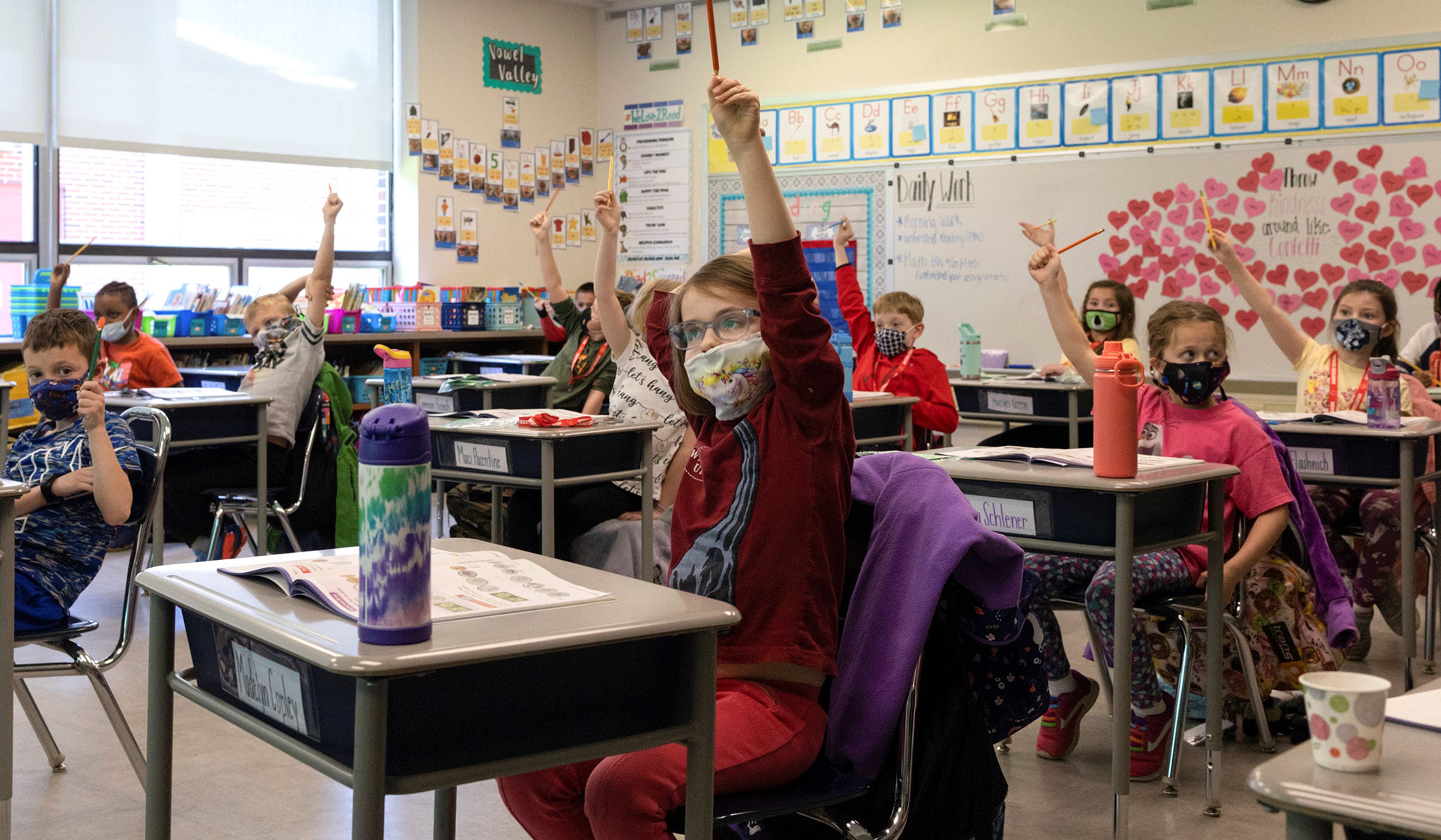
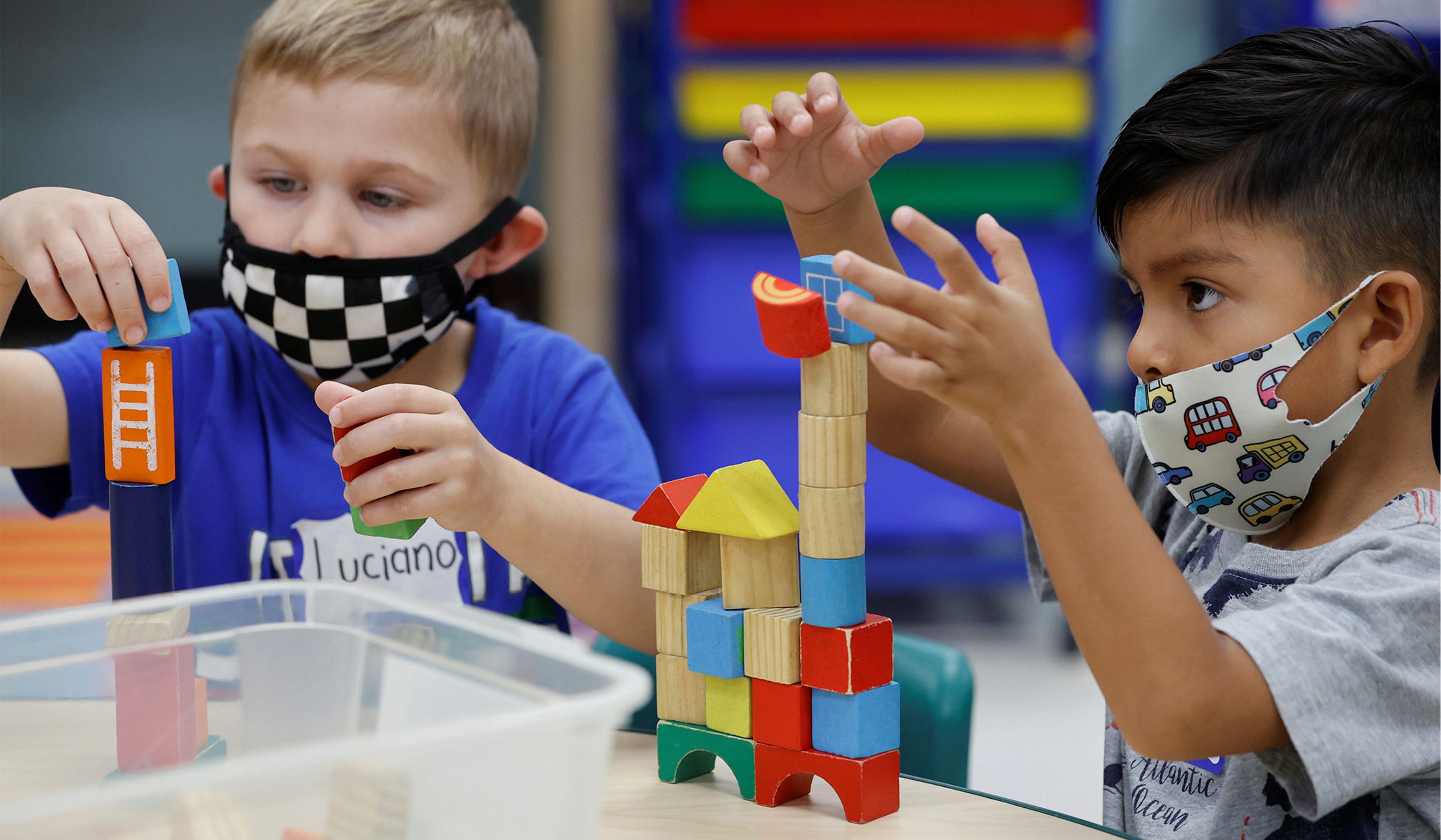
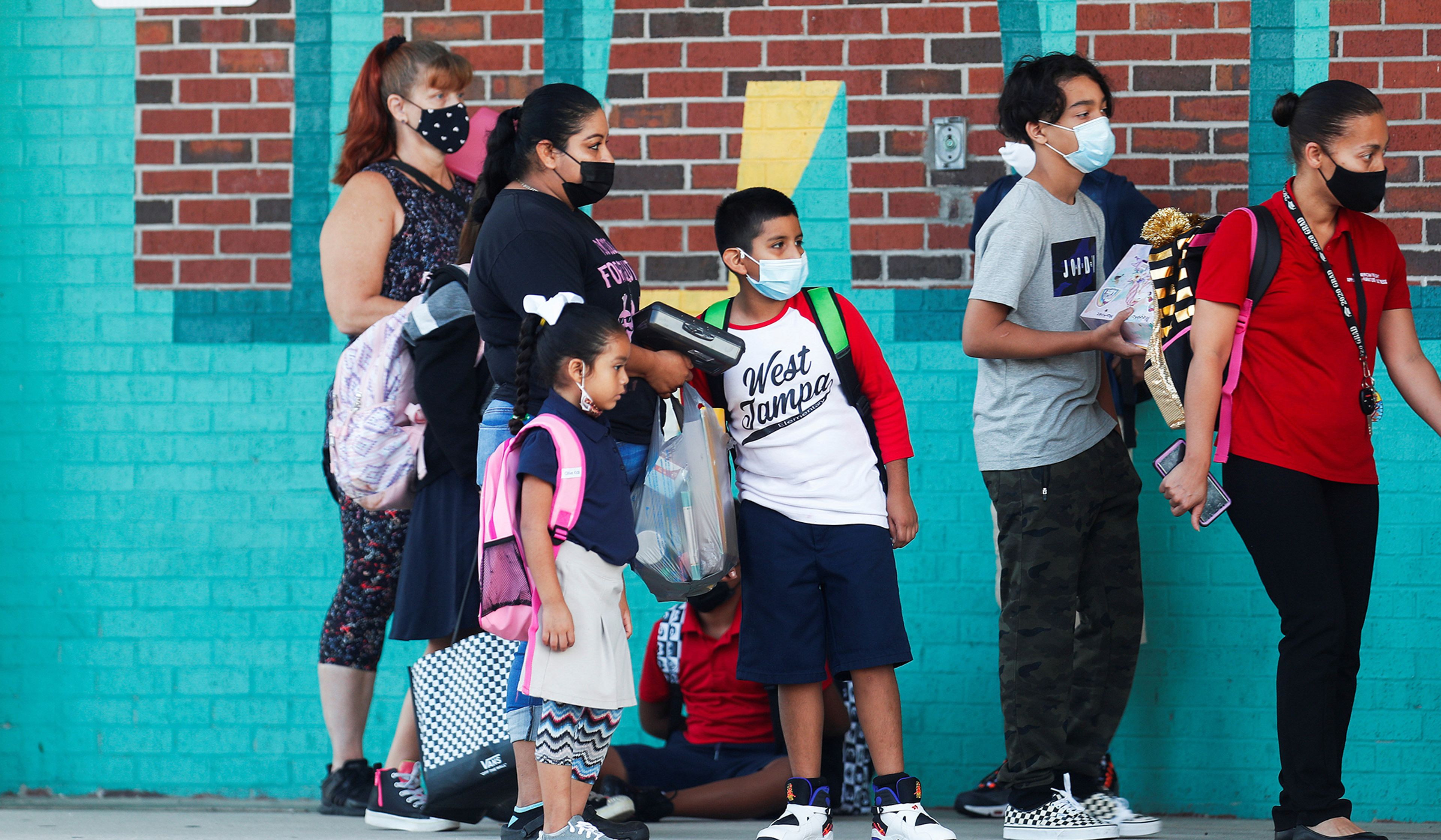
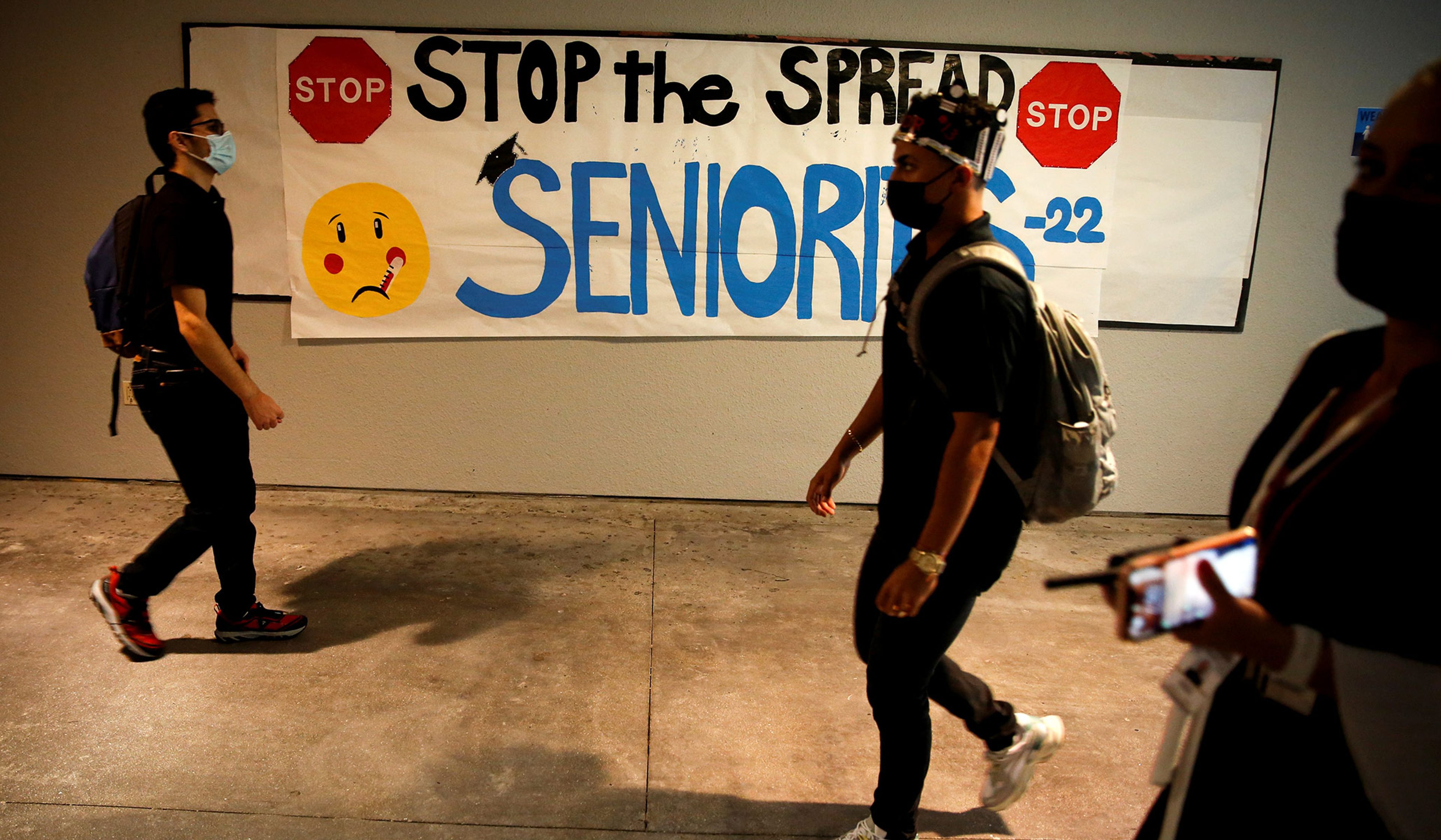
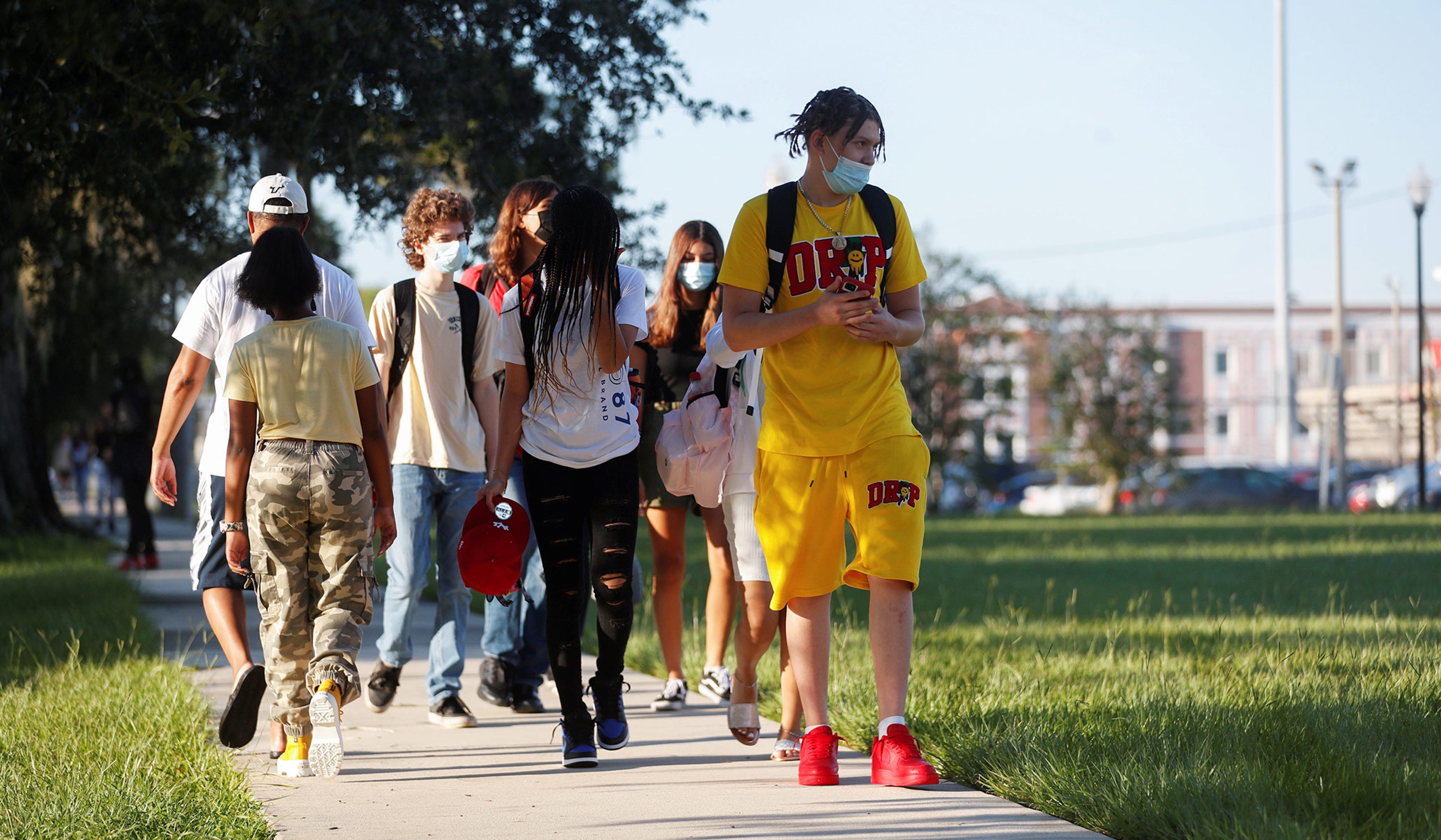
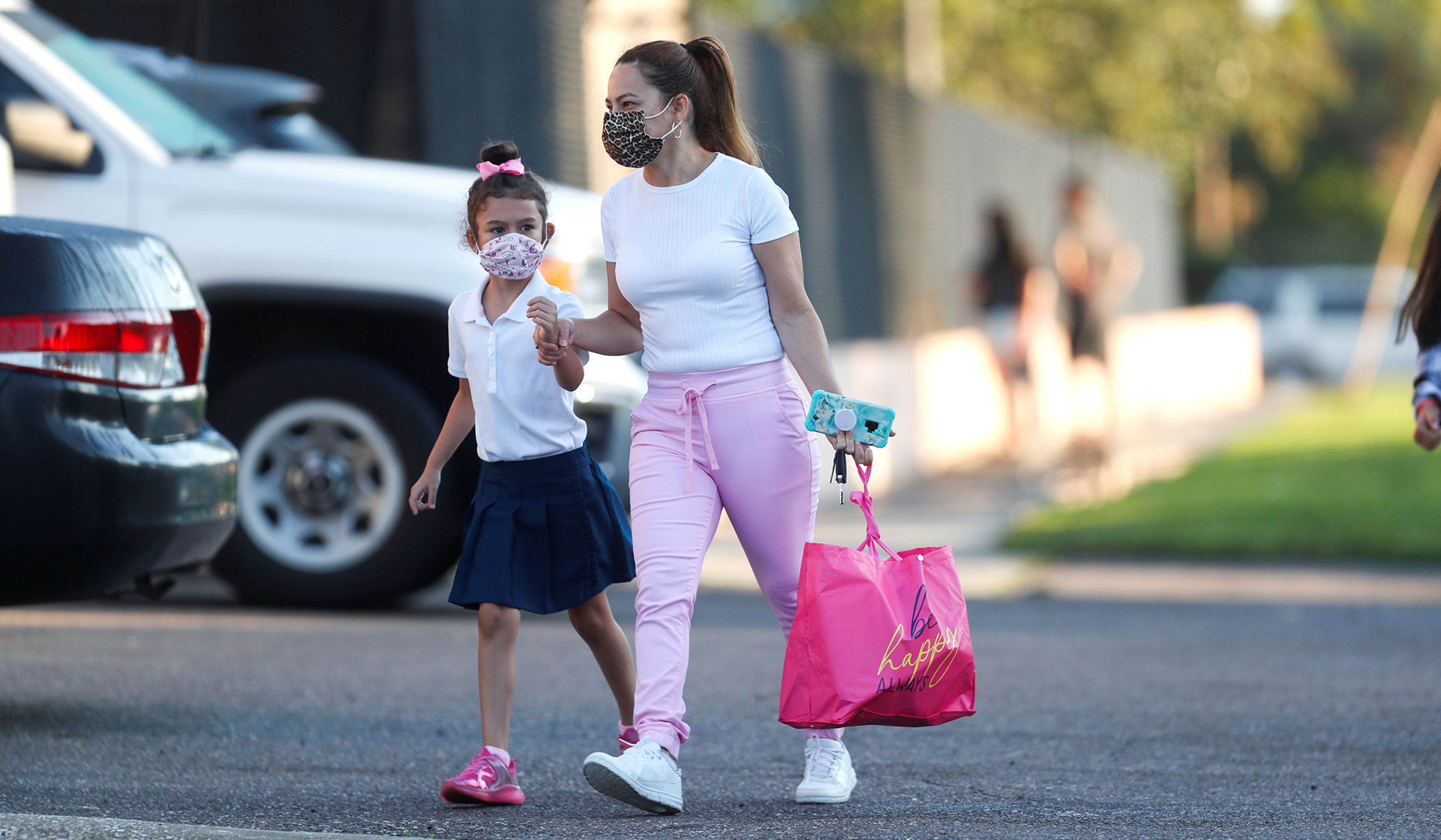
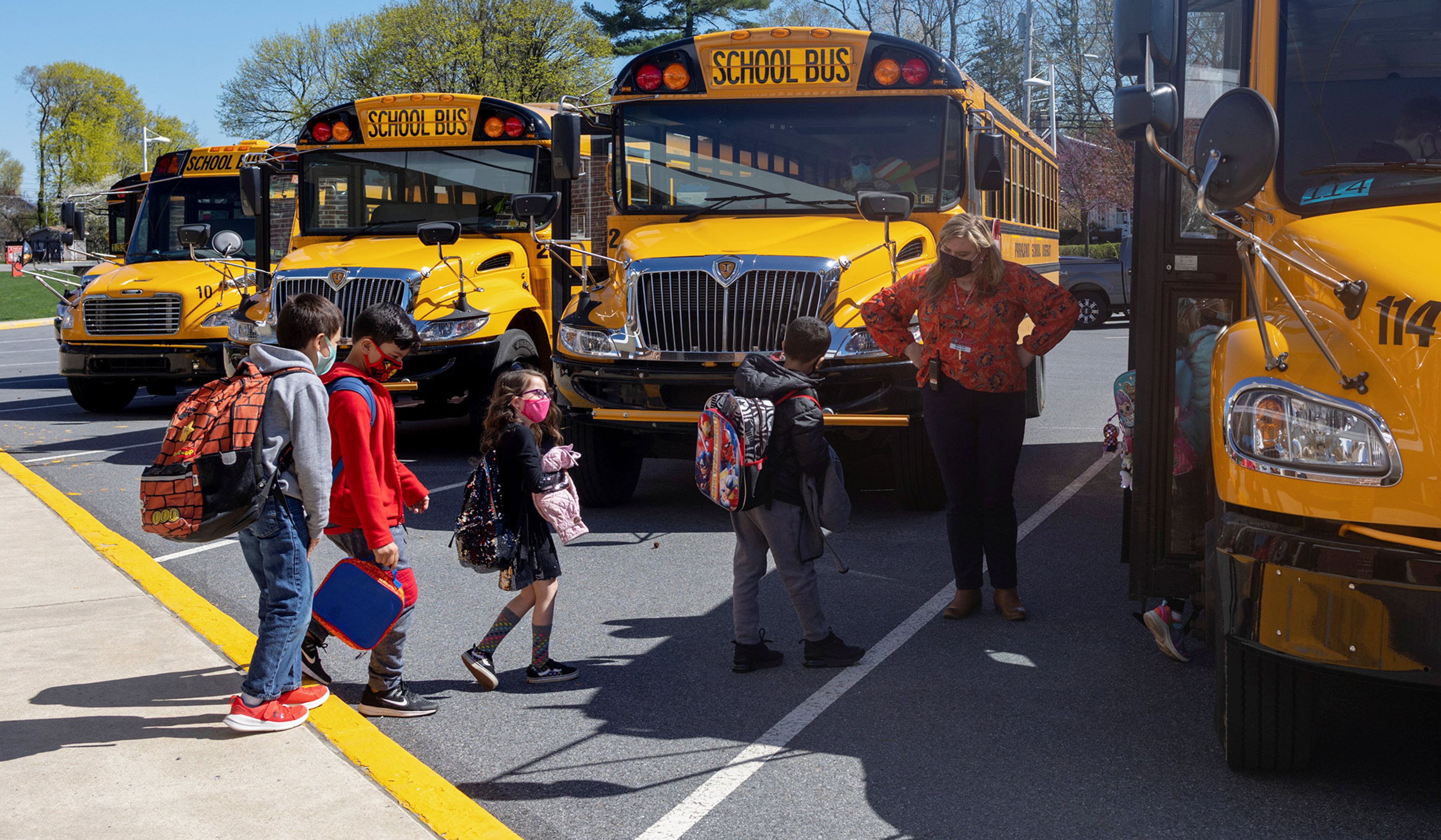
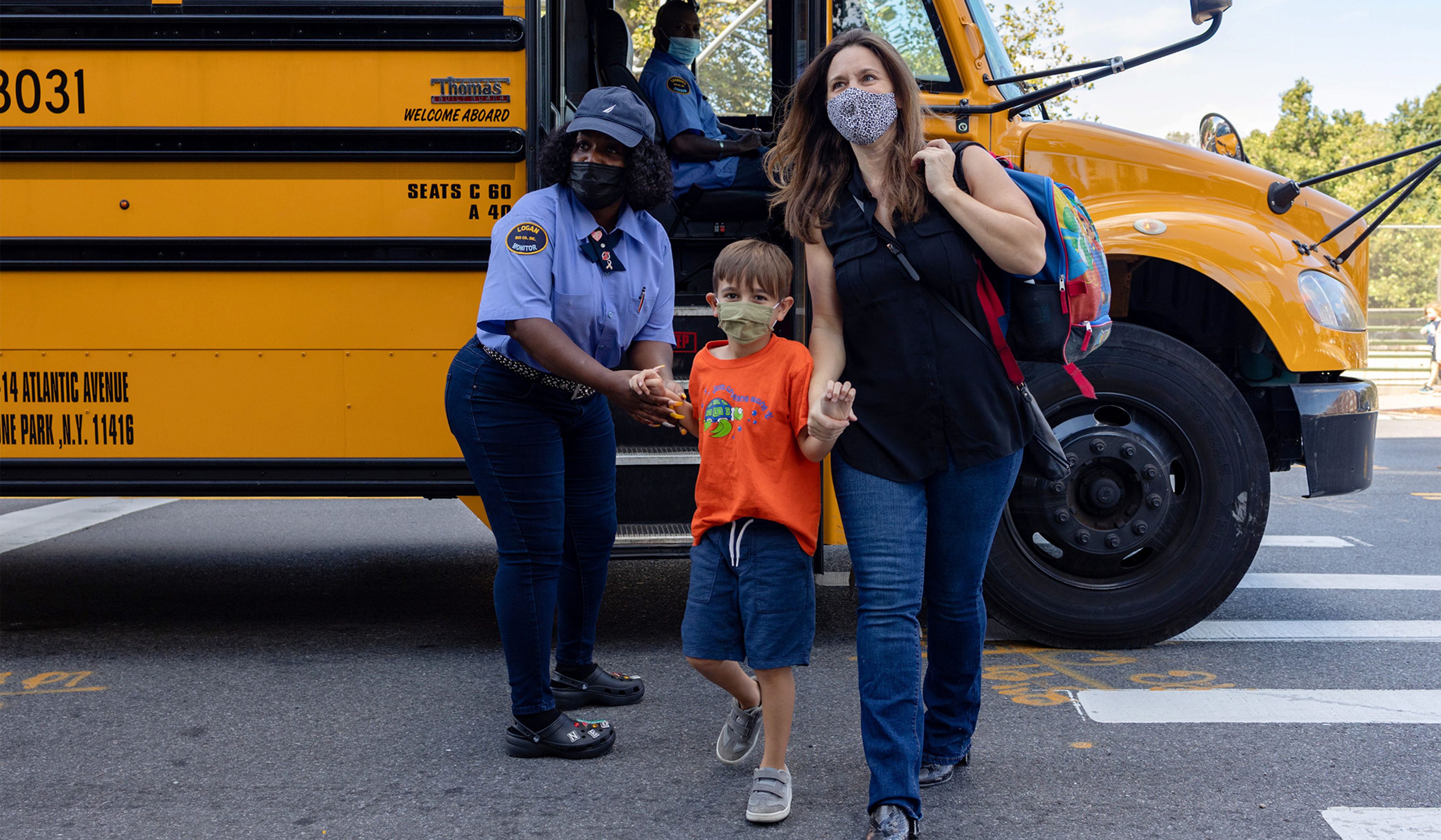
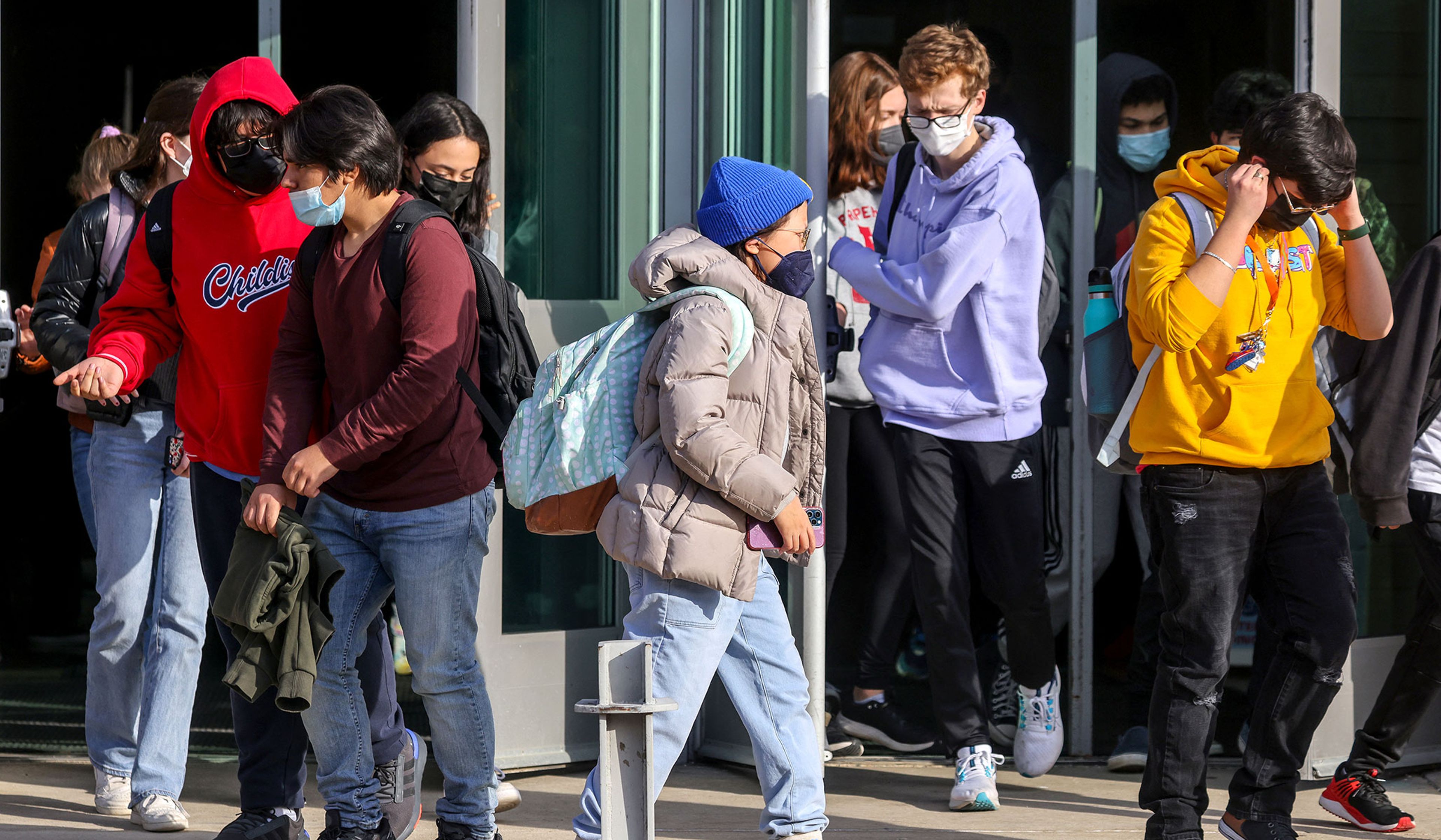
Students wearing protective masks arrive for classes on the first day of school in Miami-Dade County amid the coronavirus pandemic at Barbara Goleman Senior High School in Miami, Fla., August 23, 2021.
Marco Bello/Reuters
With the nation’s schools having reopened, masking and vaccine policies remain hot issues. On September 13, New York City public schools, the nation’s largest school district, serving just under a million students, reopened fully for the first time since March 2020, with masks required for all students and staff. Mayor Bill de Blasio announced a vaccine requirement only for children (ages twelve and above) participating in certain “high-risk” activities, such as chorus. On the other side of the country, the school board of the Los Angeles Unified School District, the second-largest in the nation, voted to require all eligible students to become vaccinated.
Governors, state lawmakers, and school boards in other districts across the country have taken differing stands on whether students should be required to wear masks in the classroom. In more than a dozen states, lawsuits are currently under way to challenge masking policies (both masking requirements and state bans on masking requirements). If the FDA approves the recently announced Pfizer vaccine for children ages five to eleven, it is likely that many school districts will move to require newly eligible children to be vaccinated. Thus these debates will affect children in all grades.
A recent Education Next poll revealed a significant partisan divide about masking mandates and whether parents planned to have their children vaccinated. These differences are leading many to express new interest in allowing parents to choose their children’s school. School choice is typically a policy supported on the right, but it is finding new favor on the left. For example, an August poll by Echelon Insights found that 76 percent of Democrats would support providing parents with school vouchers to allow children to attend private schools or to be homeschooled if they felt that their child was unsafe because their public-school district wasn’t requiring masks.
Student-enrollment patterns suggest that many parents are finding new options for their children outside of the public-school system. U.S. Department of Education data show that, nationwide, public-school enrollment dropped by 3 percent during the 2020–21 school year. Census Bureau survey data during the fall of 2020 showed a sharp increase in the number of children being homeschooled (and the Census Bureau clarified that remote learning did not qualify as homeschooling).
With school choice gaining momentum, lawmakers in more than a dozen states have created new programs or expanded existing ones to give parents greater ability to choose their child’s educational setting. In fact, some advocates are claiming 2021 to be “the year of school choice.” For example, West Virginia created a sweeping new education savings-account program, which will offer most families in the state the option to receive $4,600 to cover the costs of tuition, homeschooling, tutoring, and other outside-of-school learning needs.
Beyond these promising efforts in the state capitals, members of Congress should also look to reform long-standing federal laws and programs intended to help at-risk children, including those from low-income households and children with special needs, to give parents greater power to ensure that their child receives a high-quality education.
The COVID-19 pandemic has taught the American public many hard lessons. For millions of parents, there was perhaps no harder lesson than that they cannot entrust their children’s future to public-school leaders and the teachers’ unions, which exert outsized influence over K–12 education policy. It should not have required a global pandemic and a year of disrupted schooling to forge a national consensus that parents should have more power to decide how their children are educated. But now that it has happened, education reformers must seize the opportunity.







Comments