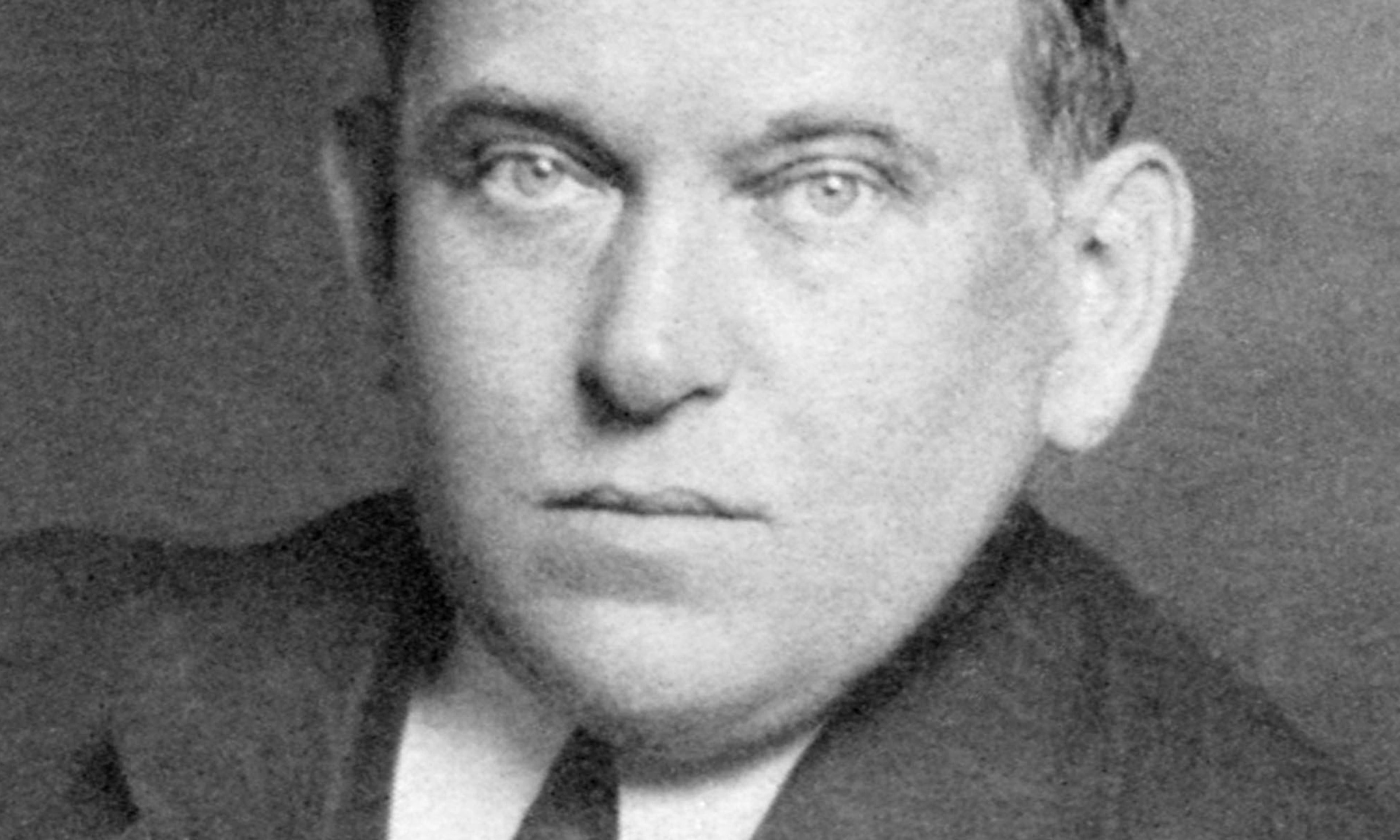
In 1936, H. L. Mencken was as low as an ebullient pessimist can be. Sara, the beloved wife of his middle age, had died a hard death the previous year. Franklin Roosevelt, his detested arch-enemy, beat Alf Landon by a landslide in November, a pulverizing triumph that Mencken failed to foresee. He had quit The American Mercury, the magazine that he co-founded with George Jean Nathan in 1924 and that helped to make him, in Walter Lippmann’s oft-quoted words, “the most powerful personal influence on this whole generation of educated people,” and now that most of those same people were embracing FDR’s big-government liberalism, his influence had waned to the point of invisibility.
It was time for a sea change, and Katharine White supplied it when she invited him to try his hand at writing for The New Yorker. He responded by sending her a reminiscence of his Baltimore childhood called “Ordeal of a Philosopher.” “It is really not a short story, but what it is I don’t know,” he told her. “I had a lot of fun writing it, and so I am passing it on.” She liked it, as did editor Harold Ross, who had a particular fondness for the recollections of famous writers with a sense of humor — Clarence Day’s Life with Father and James Thurber’s My Life and Hard Times first saw print in the pages of his urbane weekly — and Mencken, knowing a good thing when he saw one, obligingly kept the copy flowing.










Comments