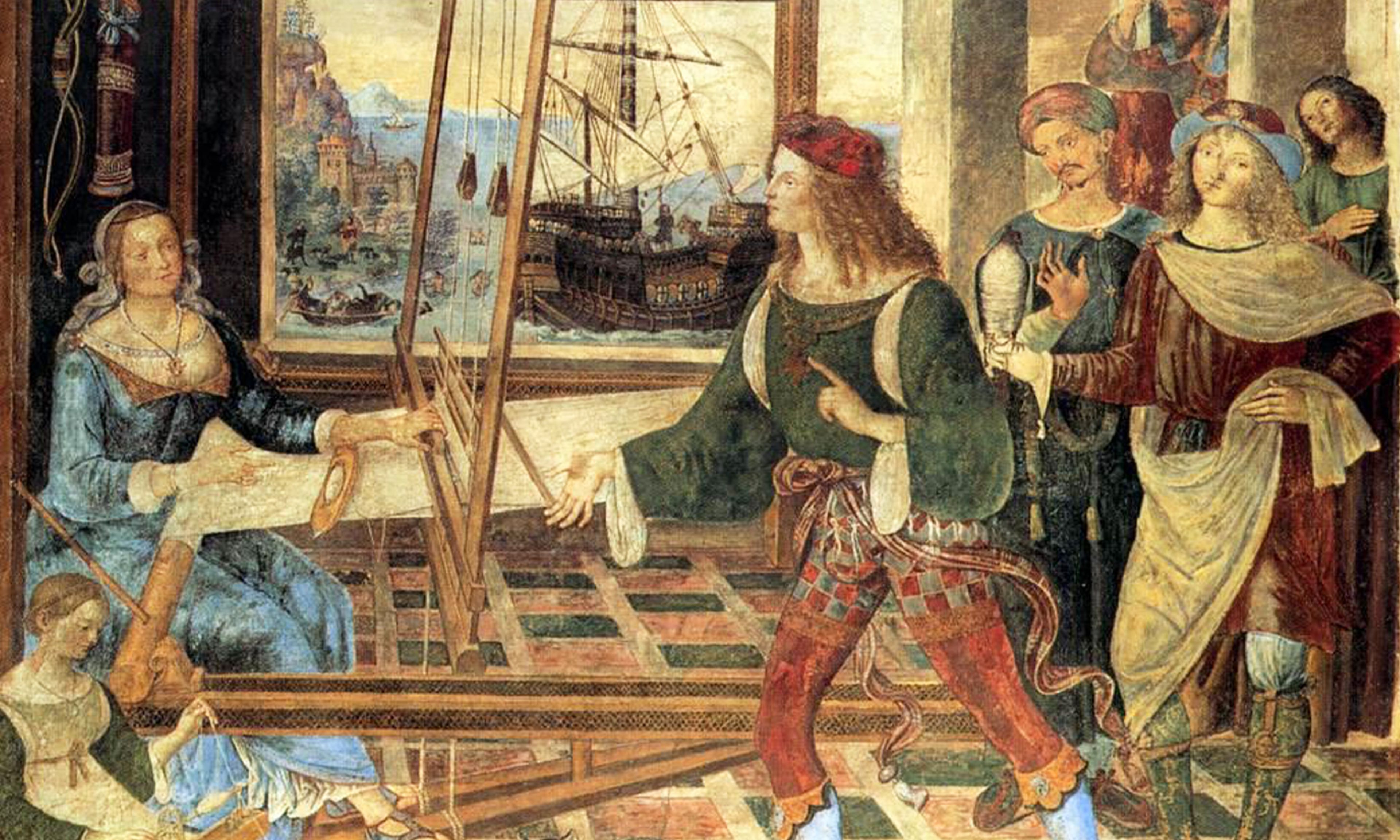
Patrick Deneen has returned home. Best known for his role as an architect of post-liberalism, a variegated intellectual movement that has plausibly influenced Vice President JD Vance’s political views, Deneen has come back to the topic of his award-winning dissertation: The Odyssey of Homer. Deneen’s work in political theory — with its grave, albeit vague, implications for social policy — notwithstanding, his mind is primarily literary and philosophic. He is at his best — and objectively brilliant — when he is contemplating literature to illuminate the human condition.
American Odyssey is light on political commentary, and even the political theory is understated. I recall just one appearance of Deneen’s bogeyman, John Locke, and only in the preface. This book is about the soul, especially the American soul, and the tensions within which we abide. Deneen sees The Odyssey as a story about the fundamental nature of human existence: our longing for home and the desire to desert it, our mortality and the temptation to transcend it. He traces these themes through great American stories that are, he convincingly argues, retellings of The Odyssey, such as The Wizard of Oz, The Adventures of Huckleberry Finn, It’s a Wonderful Life, and Field of Dreams.





Comments