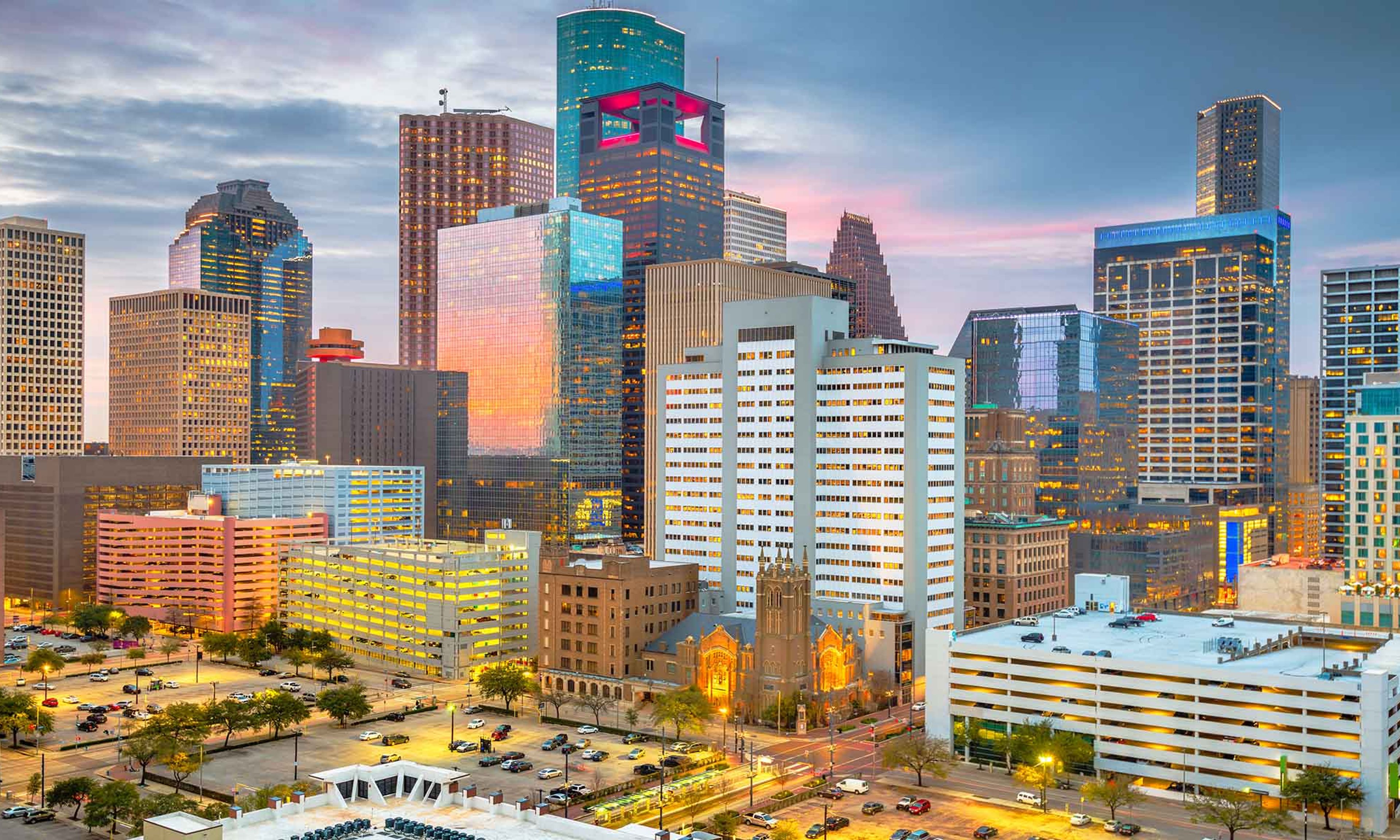
Houston — We used to think that the future was Akihabara and Blade Runner and all that cool stuff from William Gibson’s novels, but it turned out to be Houston, the science-fiction landscape of which is like that of no other American city, endless ranks of refinery towers and vast petroleum tanks and cranes lit by the occasional 40-foot column of leaping biblical fire atop a soaring natural-gas flare stack. Stand on a high spot and turn your head in any direction and you’ll see cranes and tall piles of shipping containers arranged like jolly Lego projects alongside the highways, the oil trains and the unsentimental waterfront and the all-business ships passing under the safety-yellow cables of the Fred Hartman Bridge reminding you that this is the American capital of Getting Stuff Done, the kind of city that Detroit used to be and Chicago thinks it still is.
There’s a pronounced Latin American feel to the place, and it’s not just the Belizean heat and the hilarious McDonald’s advertising en español (“hotcakes suaves y calientitos con el dulce sabor de la miel de maple”) and the Guadalajara-style traffic snarls. Downtown here is the same as downtown anywhere, Whole Foods and loft apartments and understated German sedans driven by men who wear loafers without socks. But out in Baytown and down in the ship channel and inside the refineries where they’re Getting Stuff Done, Houston is one of the few American cities in which you can imagine men with mud on their boots using the term “working class” unselfconsciously, populated as its unglamorous quarters are by platoons of young men whose pickup trucks aren’t only fashion statements and whose yes-sir-no-ma’am door-holding politeness is almost aggressive, a bracing restatement of the fact that good manners are as much about respecting oneself as respecting others, the sort of proud blue-collar affect that says “my bass boat is paid for.” The class lines in white Houston are detectable if you know what to look for, and the class lines in brown Houston are right in your face, the color lines of Latin America having immigrated along with the people, which means that you see bankers who look like Jorge Ramos getting their cars washed by short dark people, as though there were a local ordinance forbidding anybody taller than 5’4” from handling a chamois cloth or a lawnmower, as though the local bar association had one of those Disneyland-type signs reading “You Must Be at Least This Tall to Drive a BMW.”










Comments