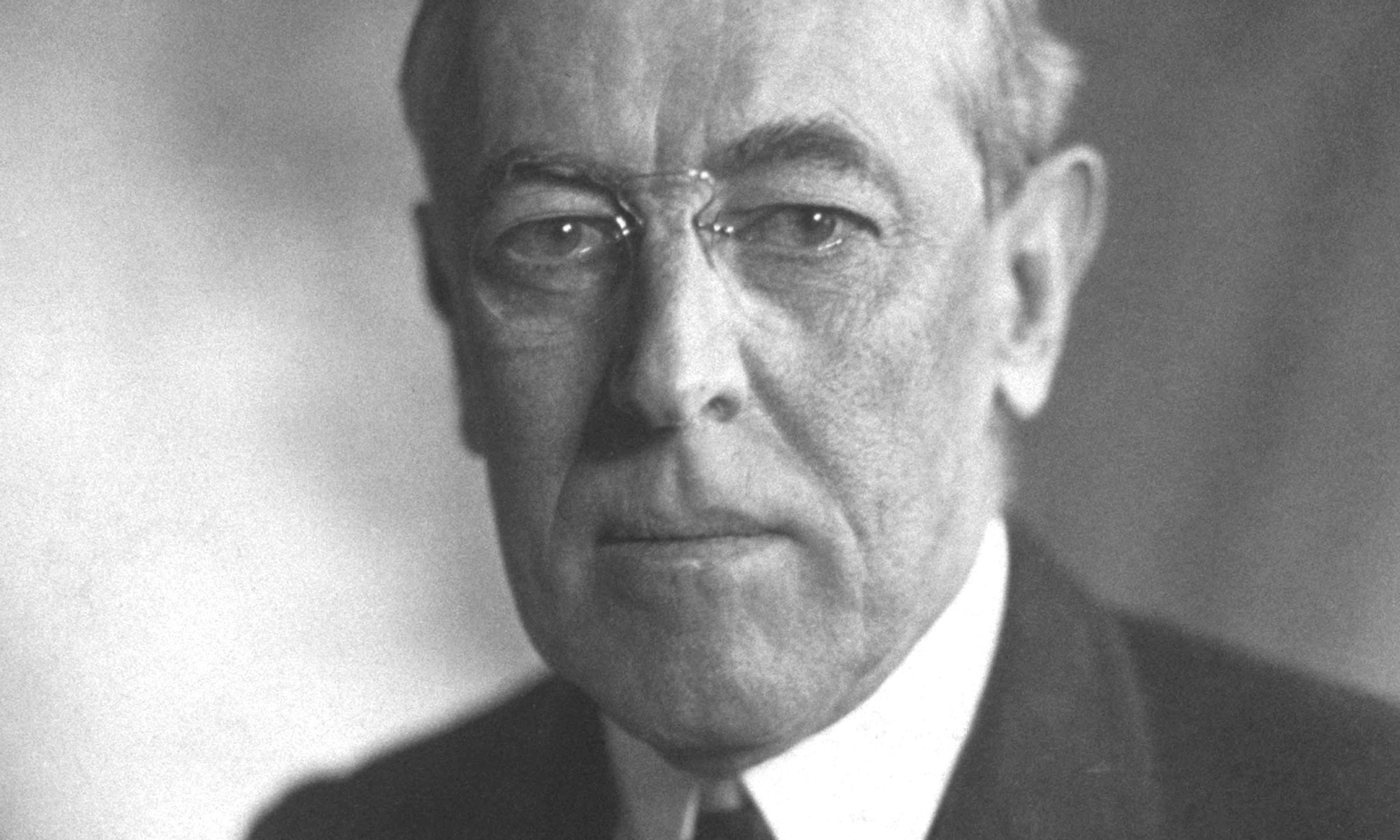
The League of Nations does not today evoke rapt attention from most Americans, or even much interest. The United States never joined the League, after the Senate rejected the Treaty of Versailles in 1920, and thereafter few believed we had much at stake in its work. Powerful global political forces — international Communism, Fascism in Europe, and Japanese aggression in Asia — combined with the 1929 crash and ensuing Great Depression, relegated the League to the periphery of U.S. attention.
For a dedicated cadre of Wilsonian idealists, however, dreams of a new multilateral order never ended. They believed, contrary to all available evidence, that U.S. League membership could have prevented World War II by taming the twin scourges of isolationism and nationalism. Franklin Roosevelt, Wilson’s ideological descendant, made creating a better League a principal wartime goal, resulting in 1945 in the United Nations.









Comments