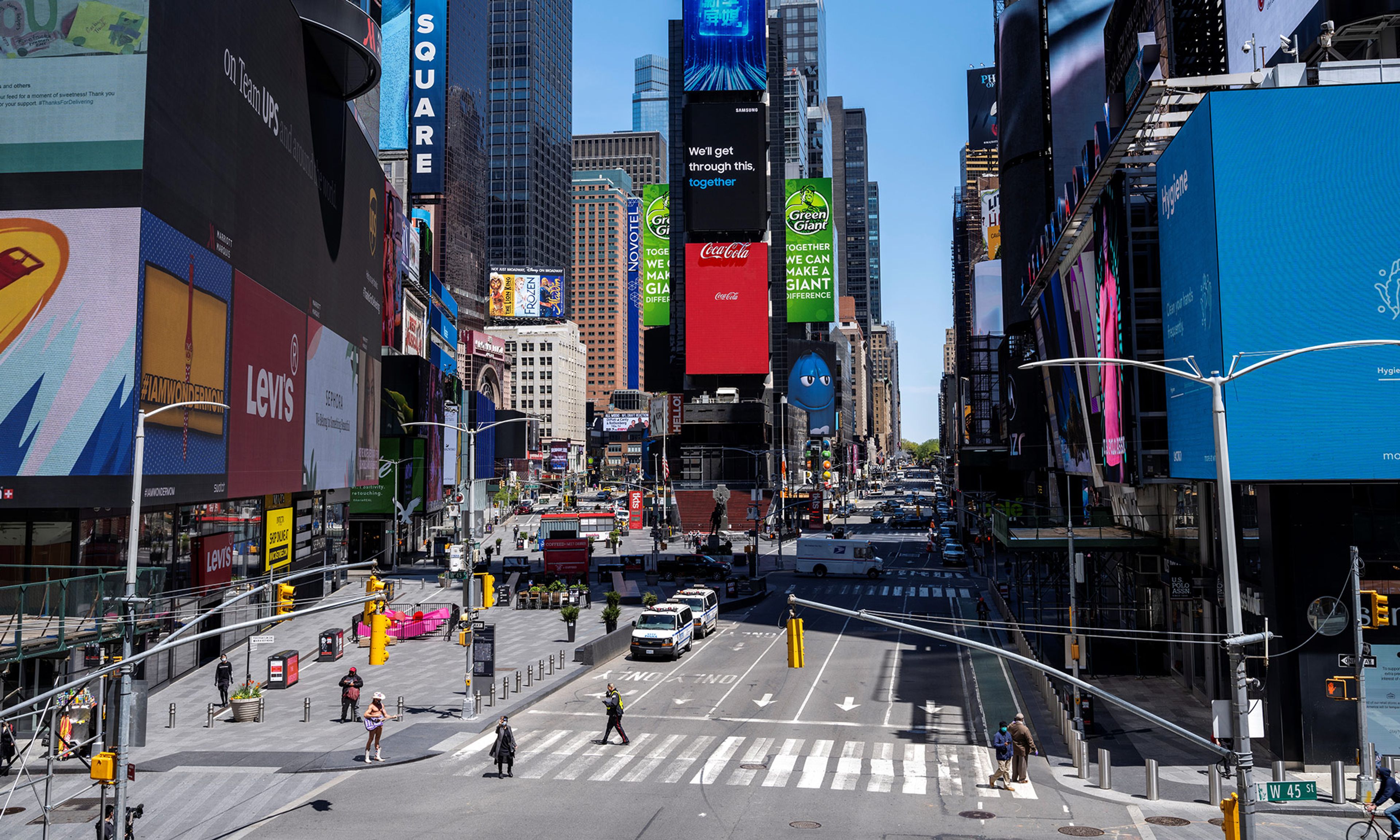
Over the past few months, Times Square, one of America’s busiest pedestrian thoroughfares, a magnet for tourists from around the country and around the world, has changed in a less-than-wholesome direction. Since the end of the Bloomberg administration, the number of NYPD officers patrolling this little patch of asphalt and concrete has fallen considerably. This in turn has led to an increase in what you might call general unpleasantness. The New York Post and the Daily News, the city’s rival tabloids, have chronicled the rise of a new breed of aggressive panhandlers, clad in soiled Sesame Street costumes and other outlandish outfits. It’s gotten to the point where Bill de Blasio, the city’s left-wing mayor, has said that enough is enough. Plans are afoot to sharply increase the police presence in the Crossroads of the World come October. It turns out that even de Blasio, friend of the Sandinistas, is not so latitudinarian as to let Times Square slide back into pre-Giuliani chaos. With any luck, order will soon be restored.
But there is one brand of Times Square panhandler that’s attracting more attention than most, and that might prove more difficult to dislodge than the ersatz Elmos. I refer to the small but very visible collection of female street performers who’ve been baring their breasts in Times Square, to the delight of some and the dismay of others. These women — “desnudas,” in the press, though they reportedly prefer “painted ladies” — take selfies with tourists and encourage them to give tips. Though Mayor de Blasio and Governor Andrew Cuomo have promised to crack down on the painted ladies, on the grounds that they represent a threat to legitimate businesses and an obstruction to pedestrian traffic, it’s not clear to me that they will succeed. For better or for worse — I’d say for worse — it’s hard to make an argument rooted in a sense of common decency when our ideas about decency are no longer held in common.











Comments