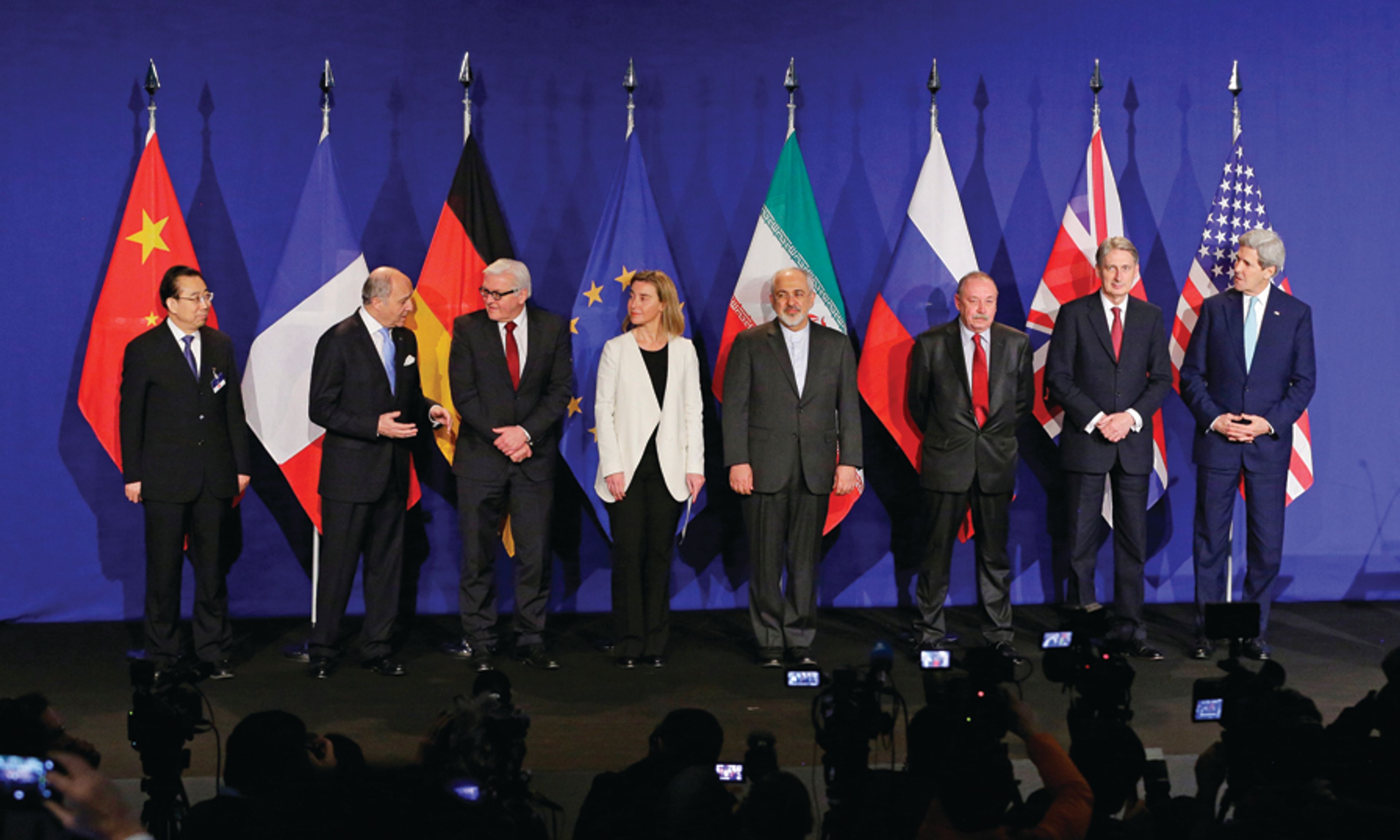
When Congress returns to Washington in September, it faces one of its most critical decisions in recent years: whether to reject the Vienna nuclear deal and ostensibly stop President Obama from waiving economic sanctions against Iran. Unfortunately, many staunch opponents of the deal, who rightly criticize its debilitating errors, inadequacies, and omissions, nonetheless misapprehend America’s alternatives once Congress acts. They contend that, after blocking Obama’s waiver authority, we should not only maintain the current nonproliferation sanctions but impose stricter ones, both U.S. and even international. Under this theory, Iran would sooner or later be forced to seek new negotiations, in which Washington could extract a better agreement. And in the absence of such an agreement, they argue, “no deal is better than a bad deal.”
This is all fantasy. We have been overtaken by events, no matter how Congress votes.










Comments