So here’s another good symposium sponsored by Minding the Campus on an overrated article (and forthcoming book) on an overrated question. It’s not an article or a question that I care about at all, which is why I used my words just to make points.
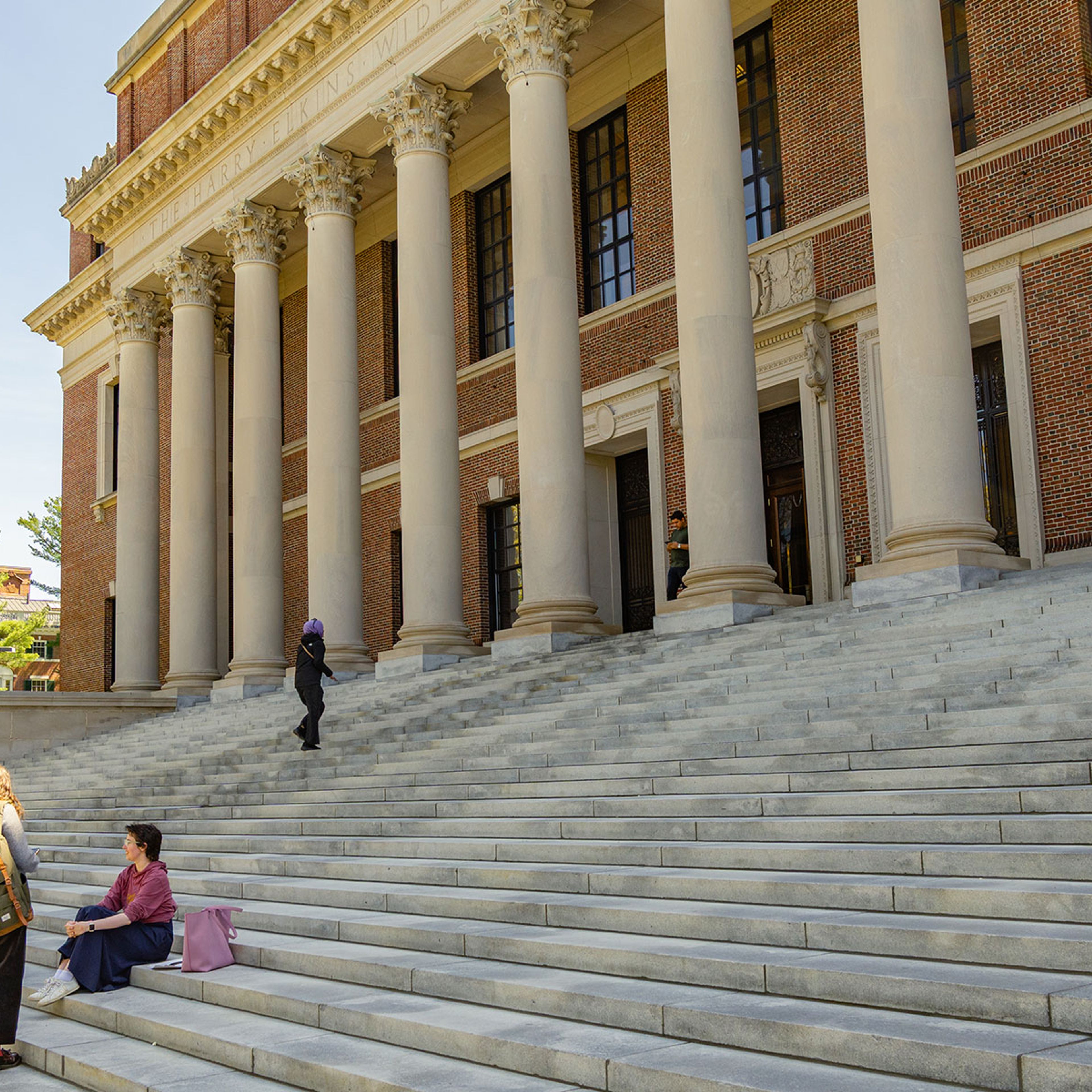
If you care about democracy or if you care about your soul, so the article goes, then you shouldn’t go to an Ivy. It privileges a rarified kind of American snob: ”I got into Harvard, but I’m too virtuous to go. I don’t want to live one of those American lives of quiet desperation.”
Sam Goldman’s good response is that it’s elitist to believe that it’s the point of a few years of college to turn your soul around (take that St. John’s and Thomas Aquinas grads!). And here’s one way that Ivies aren’t elitist: They do have pretty much the best financial aid deals (with their endowments and all) for the economically disadvantaged. If you get in, maybe you should go.
I’m always proud to say of the best Berry College graduates: At least I didn’t screw them up. Don’t let college screw you up. The Ivy students I meet regularly through conservative honors programs are more than smart enough to know what’s good and what’s not about their place. And they have found more than enough savvy and accomplished men and women such as themselves to avoid anxiety, loneliness, and so forth. Finding sympathetic faculty is sometimes tougher, but almost never impossible. Harvard or Yale or Dartmouth hasn’t screwed them up. Sam is right, after all, that in addition to future financiers and politically correct dogmatists, each of the Ivies has a “critical mass” of students passionate not only about ideas but about who they are and what they’re supposed to do.
It’s the case that there’s more genuine moral and intellectual diversity at our best schools with religious missions. They are more of a “safe space” to explore whether or not Roe v. Wade was rightly decided or whether sex outside of marriage is morally wrong or whether God exists or whether each of us is miserable without God and so forth. They are also more likely to have a “culture of reading” great books as if they might teach the truth that we can’t live well without. Harvard, Yale, and so forth now have missions that barely rise above platitudes, even when they aim to defend liberal education.
John K. Wilson is right enough that the author is at his most condescending when he suggests that obscure, nonselective colleges are often havens of “soulful” learning, no matter how badly their students standardize test. They’re often pretty bad, and the students, at best, plod along. But Wilson’s not completely right. One advantage of the really terrible job market for the Ph.D. in literature or philosophy or political philosophy or history or religion is that some genuine outstanding dissident teacher/scholars end up in the sticks. And what they do with their best students should shame those Harvard professors. Even with the dissidents’ elevating influence, it’s still risky for a promising student to choose a fairly mediocre environment. Professors can get fired or move on up when opportunity knocks. In our remarkably diverse system of higher education, there are also plenty of special cases, such as Berry College.
It’s fashionable to talk about “education for leadership,” about elitist education with a positive spin. And it would be better, of course, if the Ivies were still about highlighting and cultivating the virtues of leaders. I don’t mean disruptive innovation or entrepreneurial drive (although the latter is and indispensable quality for our country) but generosity, charity, magnanimity, and so forth. With privileges and “status” come responsibility. It would be better if more of our top leaders came from colleges (and homes) where virtue and the soul are thought of as real, and where faculty and students thought and acted as if nothing is more important than the singular destiny of a unique and irreplaceable personal life. But it’s not the end of virtue or souls that they don’t.





Comments