As the outlook for Democrats in the midterm elections darkens, you’ll hear more talk about Libertarian and third-party candidates winning enough of the vote to deny Republican candidates victories:
But in a handful of extremely tight races, including North Carolina, Alaska, Georgia and Kentucky, third-party candidates could help decide who wins and which party controls the Senate in the final two years of Barack Obama’s presidency.
Yes, this could happen, but recent history argues against it. As Aaron Blake reminds us, Tom Horner in Minnesota, Tim Cahill in Massachusetts, and Chris Daggett in New Jersey all faded in the closing weeks and days and finished with a smaller share of the vote than the final polls indicated.
Can, under the right circumstances, a third-party candidate make the difference? Sure, and Democrats know it:
In at least a few cases, third-party candidates have played significant roles. In Montana’s 2012 Senate race, Sen. Jon Tester faced a tough challenge from Republican Denny Rehberg. National Democrats mailed flyers supporting Libertarian candidate Dan Cox in a bid to steer conservatives away from Rehberg. Cox won 7 percent of the vote, to Rehberg’s 45 percent and Tester’s 49 percent.
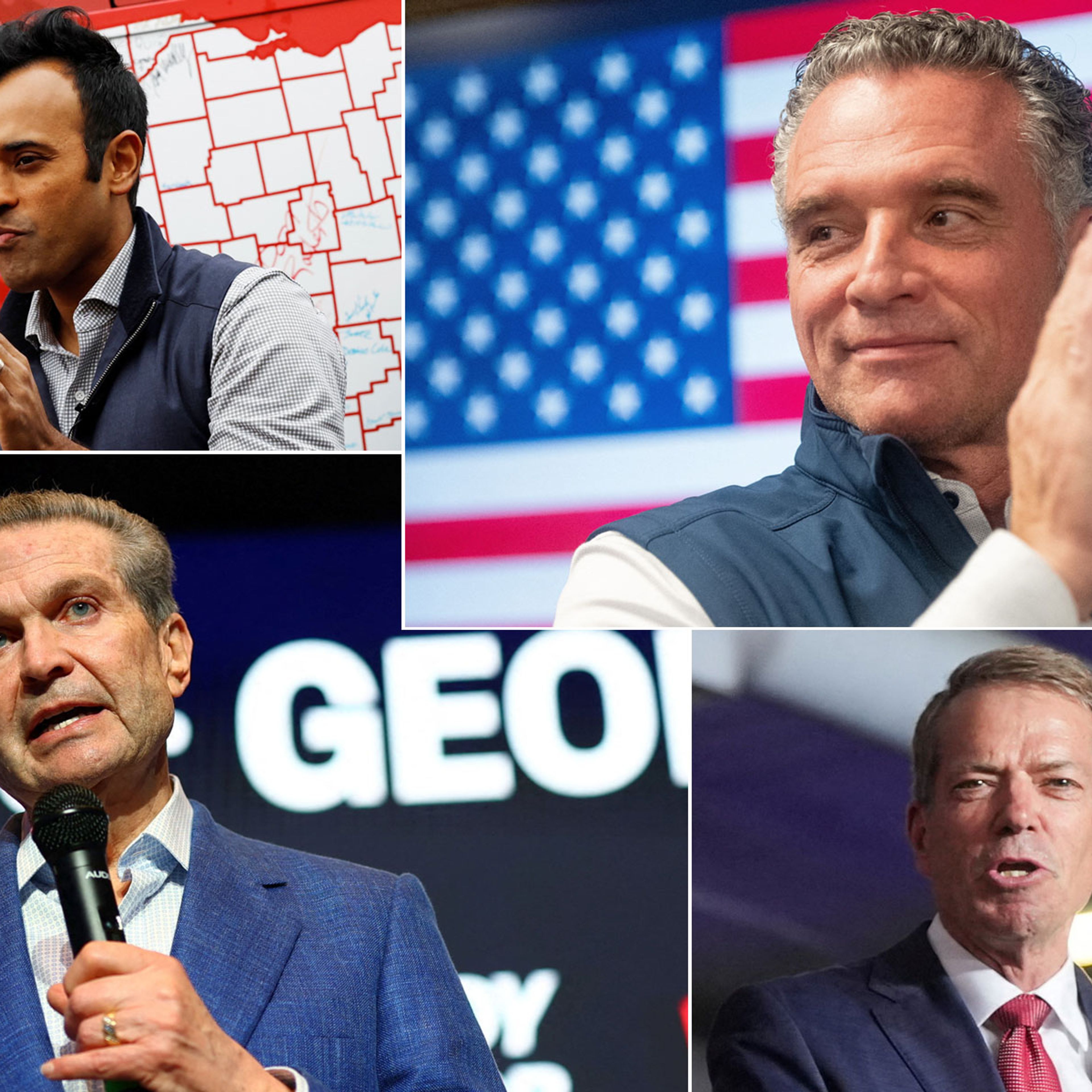
But for what it’s worth, the Republican candidates in the Senate races in North Carolina, Alaska, Georgia, and Kentucky are already leading in the most recent polls. Democrats will need to persuade backers of Thom Tillis (North Carolina), Dan Sullivan (Alaska), David Purdue (Georgia), and Mitch McConnell (Kentucky) that their interests will be better served by voting for the Libertarian candidate who has no chance of winning.
In NBC News’s latest poll in Kentucky, the Libertarian candidate is at 8 percent, and McConnell still leads by eight points.




Comments