When the economy shows signs of weakness, Wall Street analysts expect to see what they call a “flight to safety.” Investors sell stocks and buy bonds or gold. The same phenomenon can sometimes be found in politics. Understanding that George W. Bush was riding high in 2004 after what was perceived as a successful response to the 9/11 attacks, Democrats wagered that Vietnam veteran Senator John Kerry would stand a better chance of victory than the candidate who most excited them, Vermont’s Howard Dean. A popular lapel pin at the time captured the mood, “Dated Dean. Married Kerry.”
The strategy — to neutralize Bush’s war advantage with Kerry’s war record — ran into difficulties. There was partisan wrangling over whether Kerry deserved his Purple Hearts and other citations, but most damaging was Kerry’s dubious makeover — transforming himself from prominent Vietnam War critic into Vietnam War hero. The threads didn’t mesh, and Kerry found himself tangled in contradictions.
Arguably, one story of the Democratic primary race so far has been the competition between two impulses — the flight to safety versus the urge to splurge.
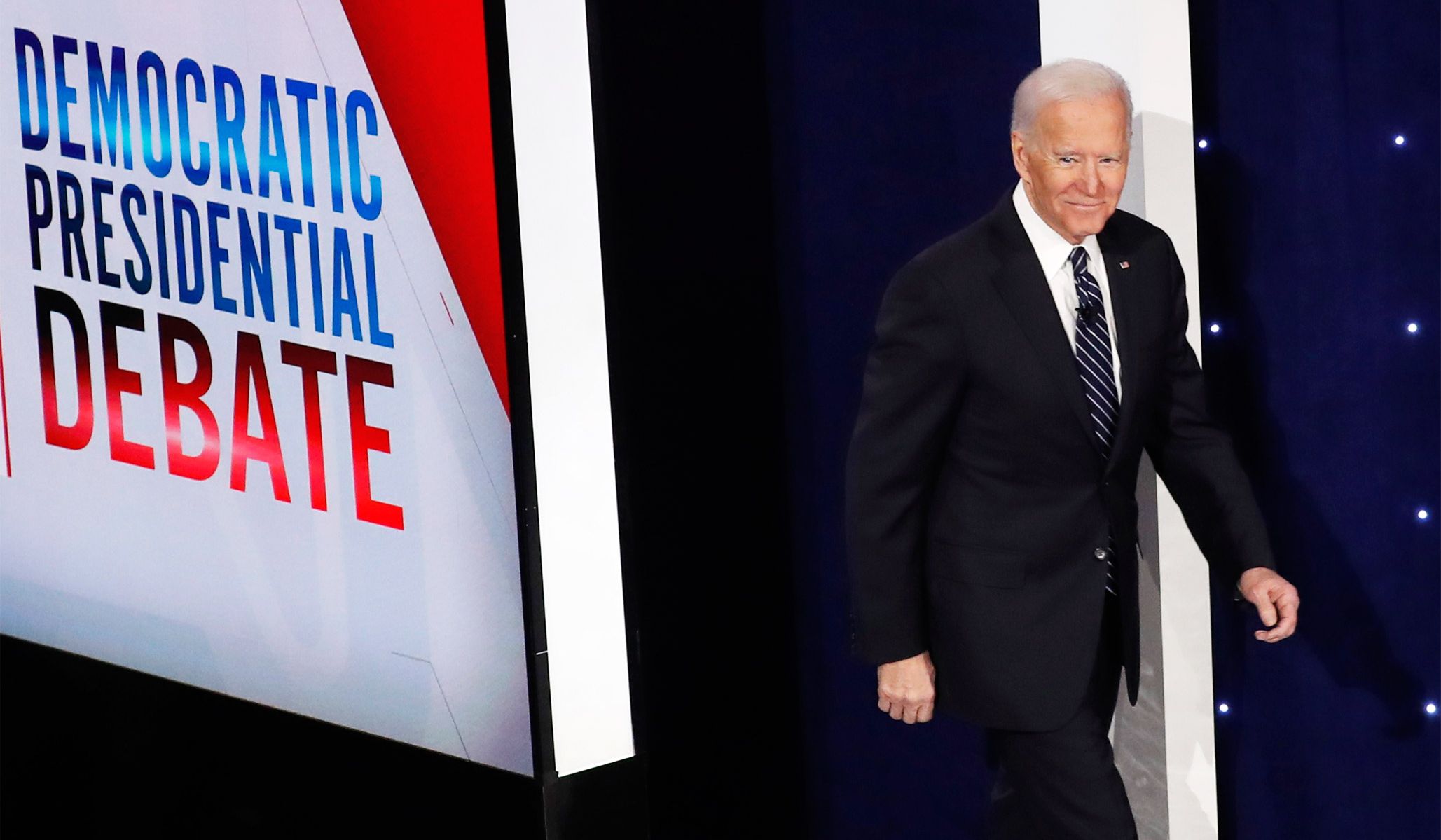
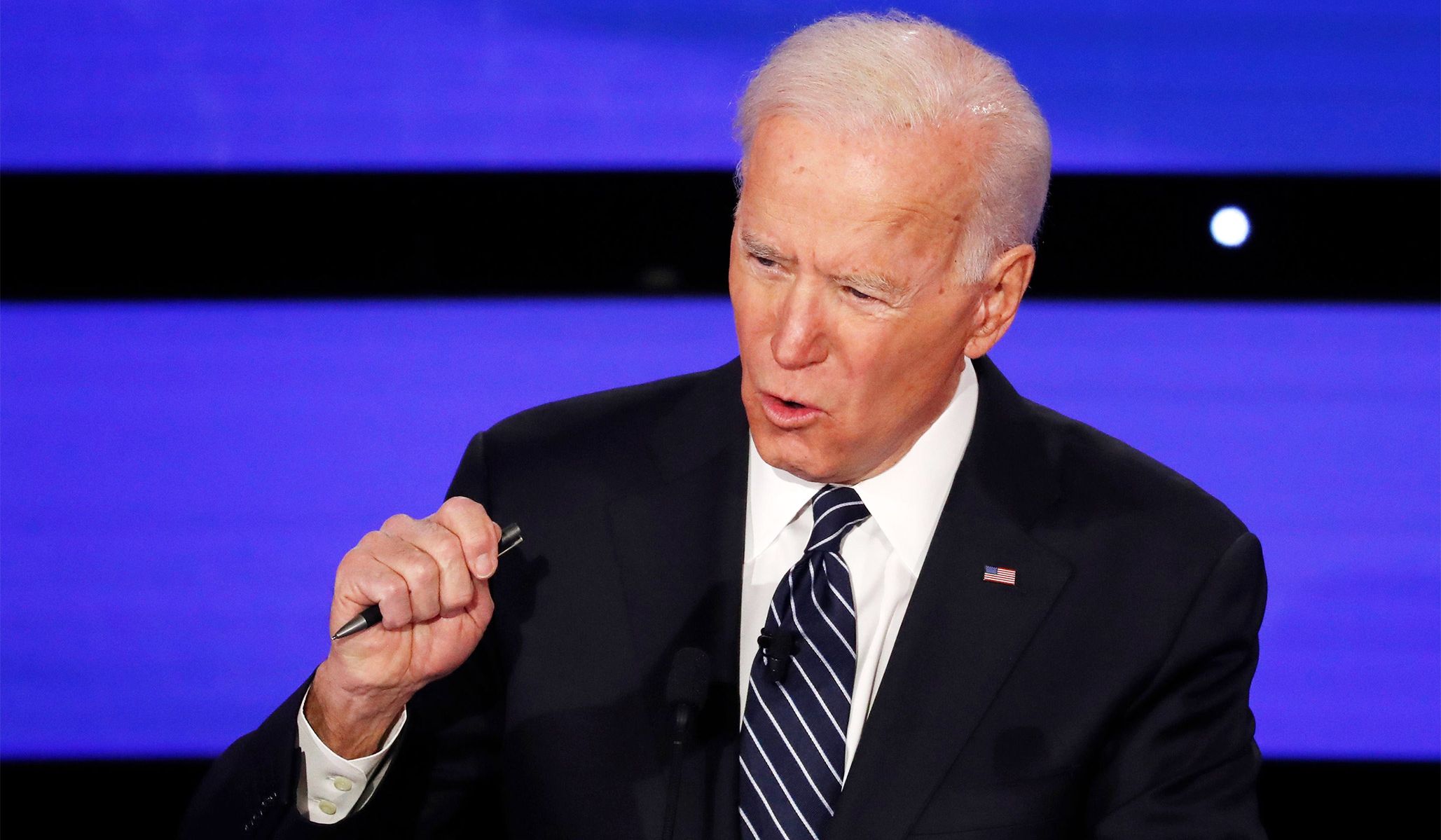
The first impulse holds Joe Biden aloft. Despite his age, some gobbledygook in debates and on the trail, and his past heresies (from the Democratic primary voters’ perspective) about criminal justice and the Iraq War, Joe Biden has maintained a steady lead. His authorship of the 1994 crime bill, which some believe led to over-incarceration of African Americans, seems not to have dented the enthusiasm of the key constituency in Democratic primaries. He claims a steady 40 percent of African-American support nationally and a whopping 51 percent in South Carolina, according to Monmouth University polling.
Amy Klobuchar is a moderate who tells hard truths to the party’s progressives. In the January 14 debate, she reminded Bernie Sanders that two-thirds of Senate Democrats don’t support Medicare for All, let alone Republicans. Perhaps that’s one reason she is among the final six. Klobuchar has struggled to make it into double digits in the polls, though she fulfills many of the desiderata for 2020. She’s from the Midwest, which is likely to be key to the Electoral College again. She’s neither too young nor too old. She is experienced. She is a solid, realistic gradualist who wouldn’t scare away independents or disaffected Republicans in November. Some might say, well, actually some have said, that she’s “boring.” But in an era when politics has become a juvenile insult-fest, dull sounds soothing. Or it might, if safety were your primary goal.
For at least 30 percent of the Democratic electorate, those who currently support Warren or Sanders, swinging for the fences is the mood. They seem to have taken Trump’s 2016 win as a challenge: If Republicans went wild in 2016, choosing the least reasonable candidate, Democrats deserve their turn in 2020.
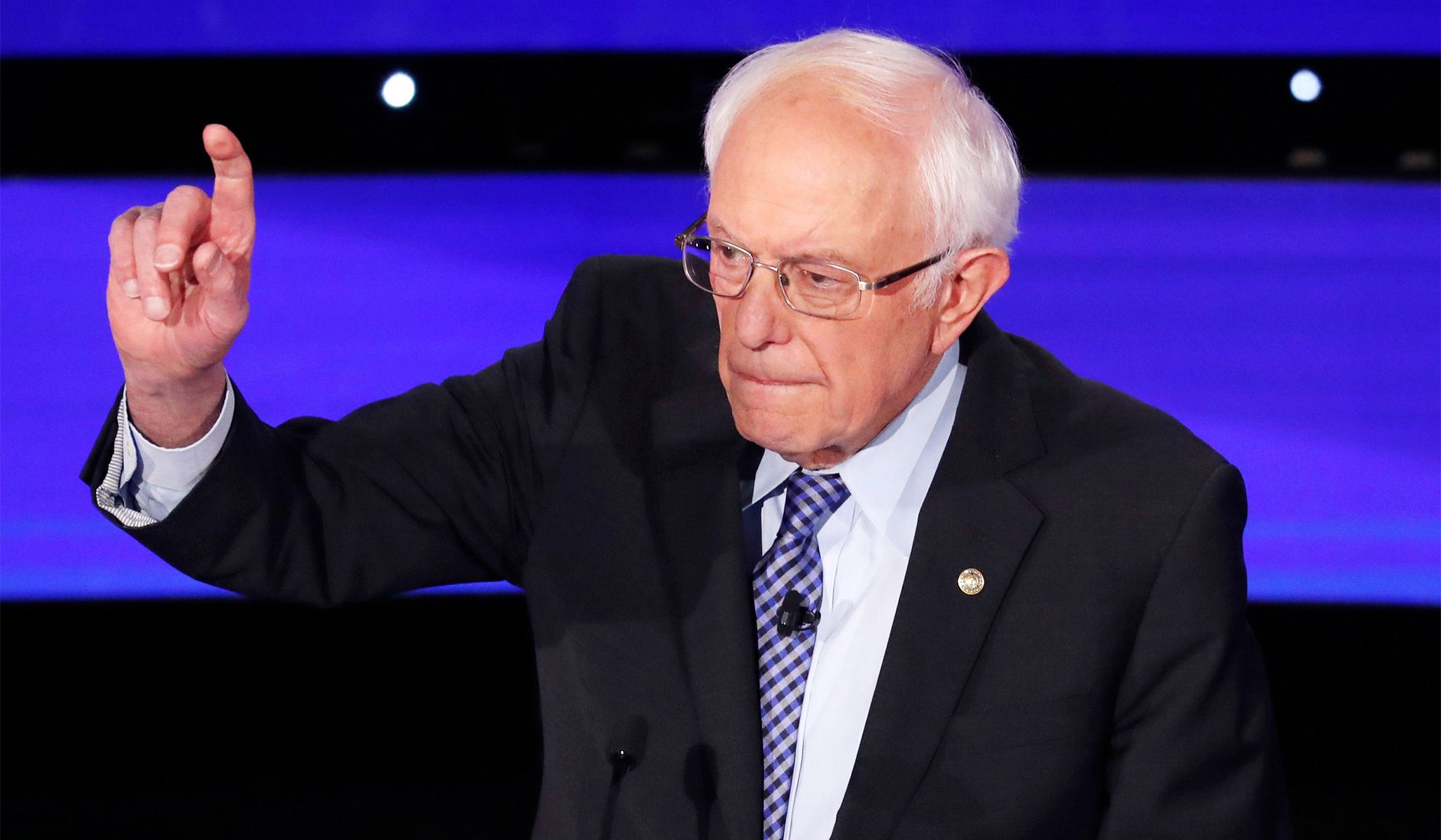
Sanders and Warren are “fundamental transformation” Democrats. Consult Bernie’s website and you’ll find plans, or should I say ambitions, to transform everything. It isn’t just Medicare for All. It’s “housing for all” and “college for all” and “fair banking for all” and “justice and safety for all.” Elizabeth Warren has backed away only slightly from her endorsement of Medicare for All. None of the candidates acknowledges that the medical system they decry, when they cite high deductibles and costly prescription drugs, is the one a Democratic president, Barack Obama, passed to solve those very problems. Their approach reminds me of my husband’s solution to any household problem: “Apply force. If that doesn’t work, apply more force.”
A tiny dose of modesty about vast government solutions to complex problems would go a long way. Perhaps single payer is, as Sanders and Warren claim, the fairest, cheapest, and most efficient way to deliver health care (though policy analysts across the political spectrum spit out their coffee at Sanders’s claims about how much the whole scheme would really cost). But let’s say he and Warren are right. Apparently, a majority of voters in Oregon agrees. Here’s a crazy idea: Before adopting such a sweeping overhaul of 18 percent of our economy, let Oregon experiment with it and let’s see in five years how it worked out.
There is one more safety candidate waiting in the wings. Mike Bloomberg is skipping the early contests but hiring and advertising now. Has this been tried before? Yes, another former New York mayor, Rudy Giuliani, skipped Iowa and New Hampshire in 2008. Of course, Giuliani (to his great regret) didn’t sit atop a $58 billion fortune.
All eyes are on Biden, Sanders, Warren, and Buttigieg now, but primaries bring surprises.
COPYRIGHT 2020 CREATORS.COM
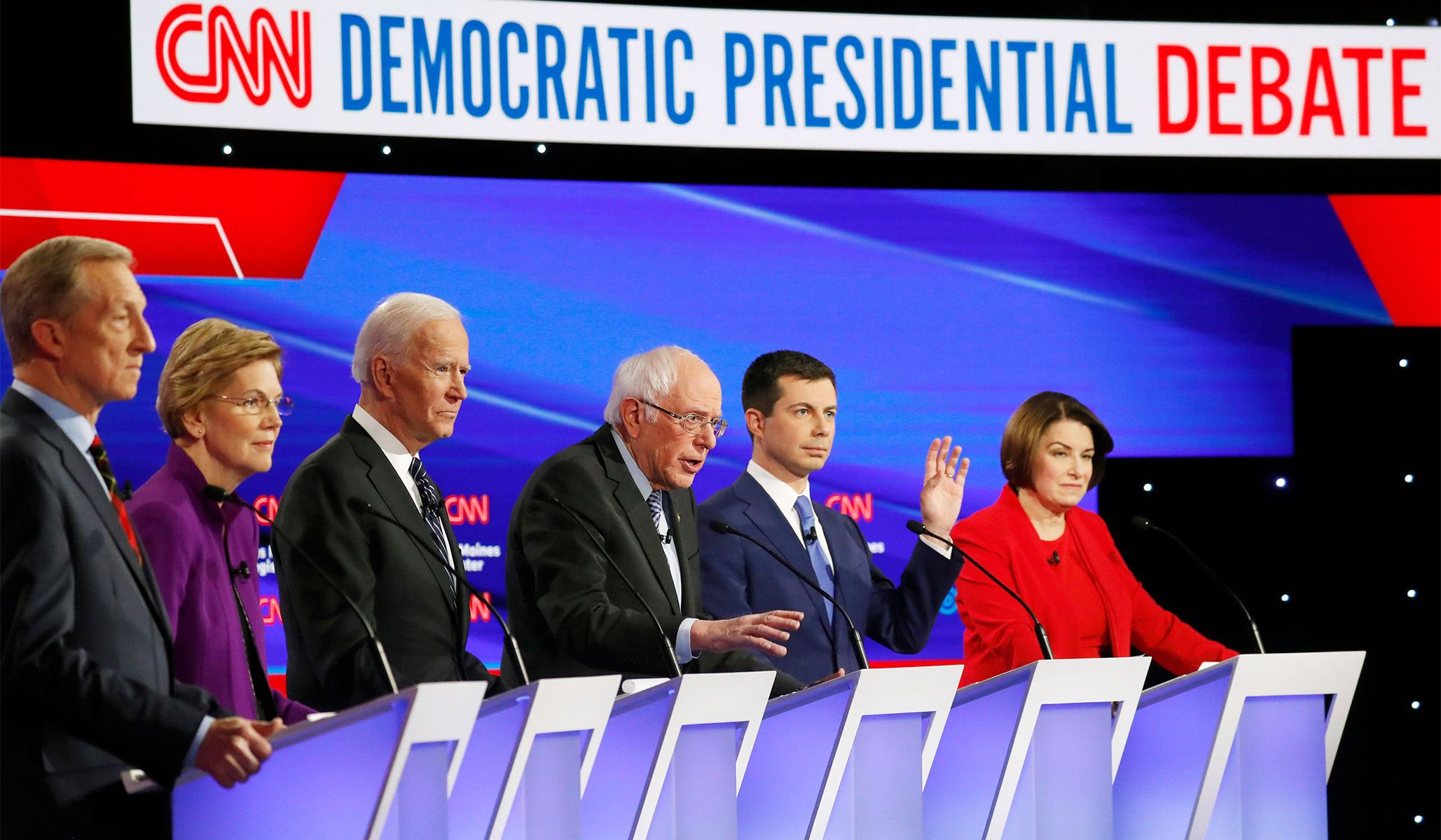
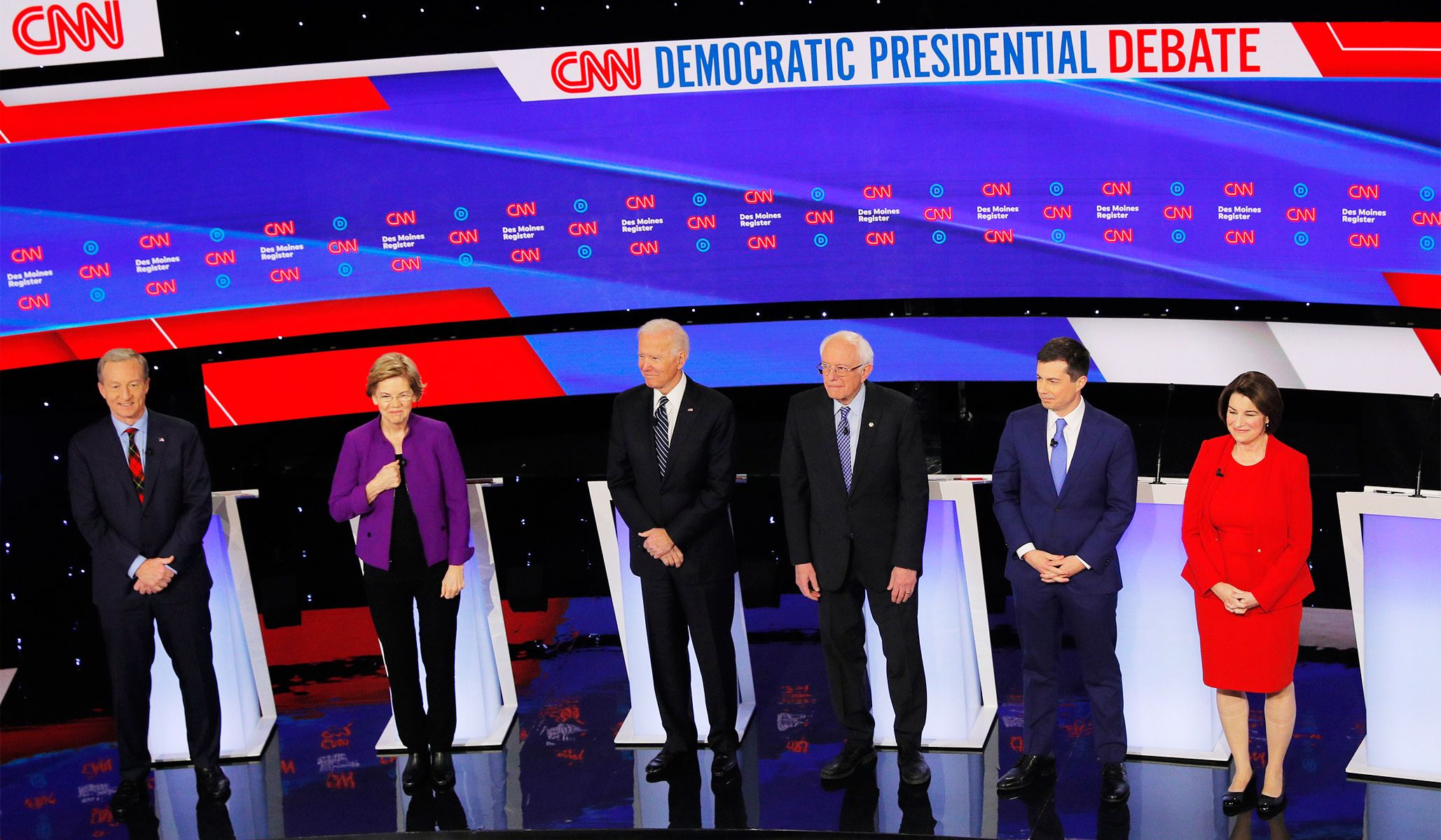
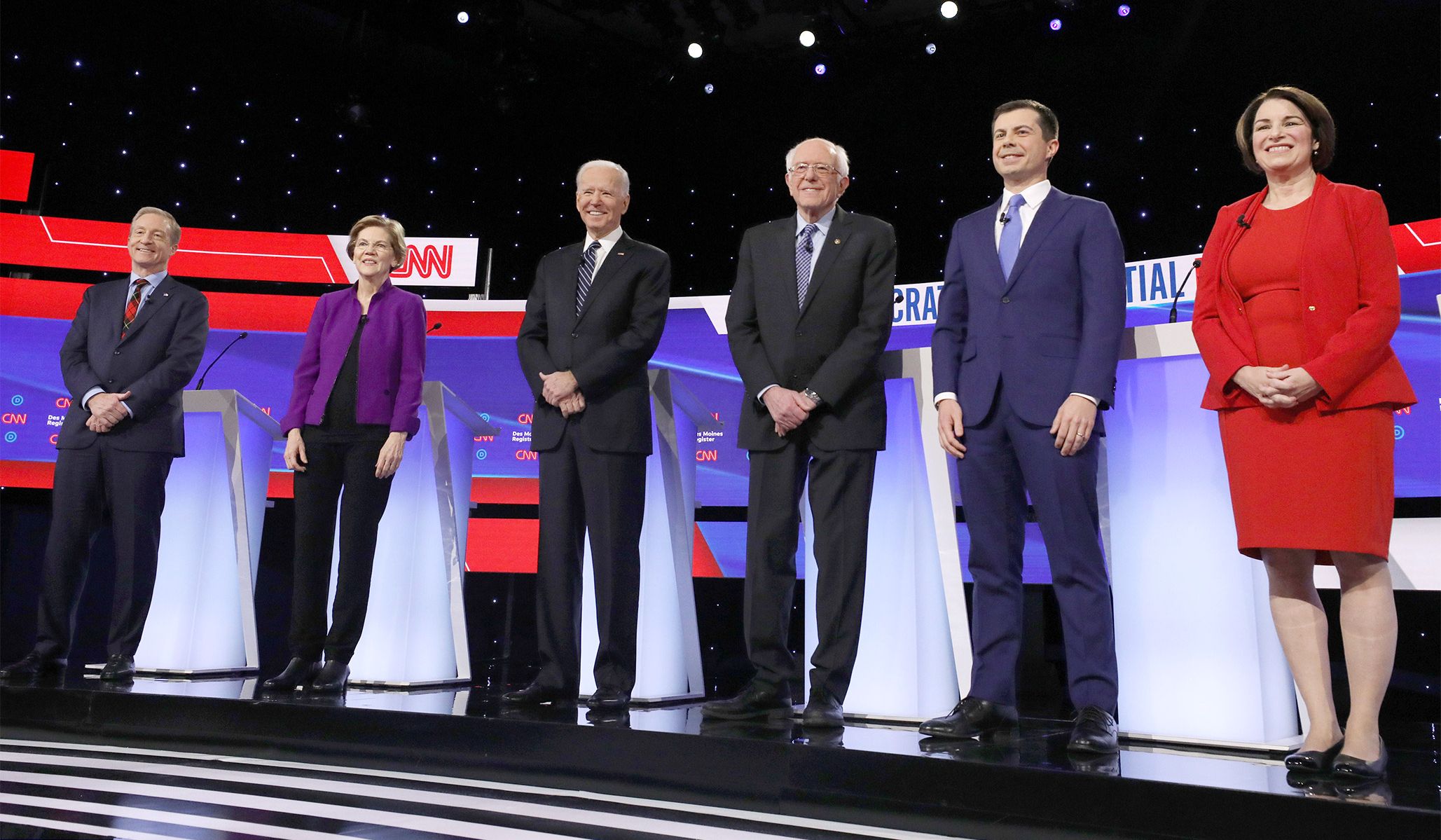
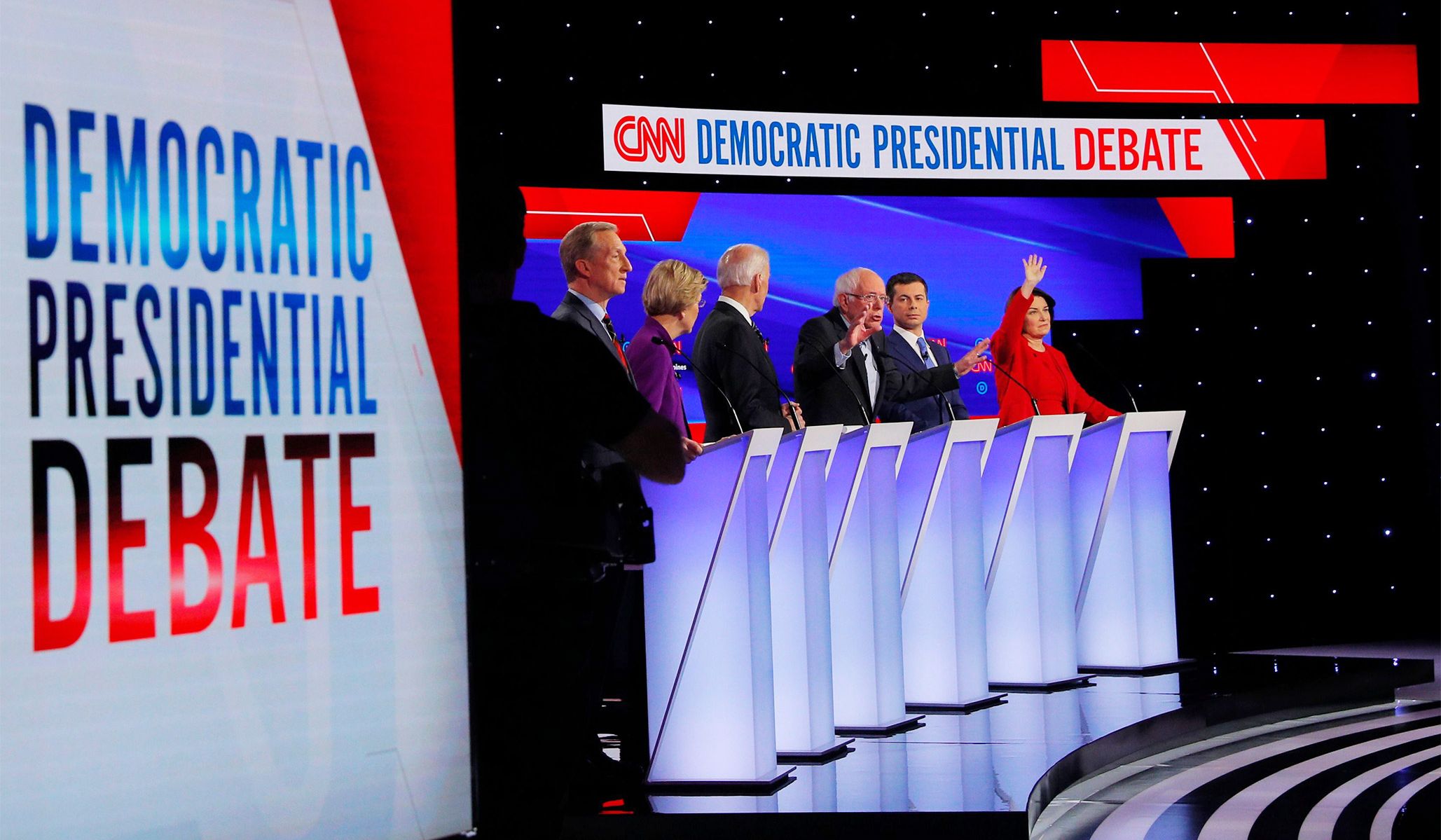
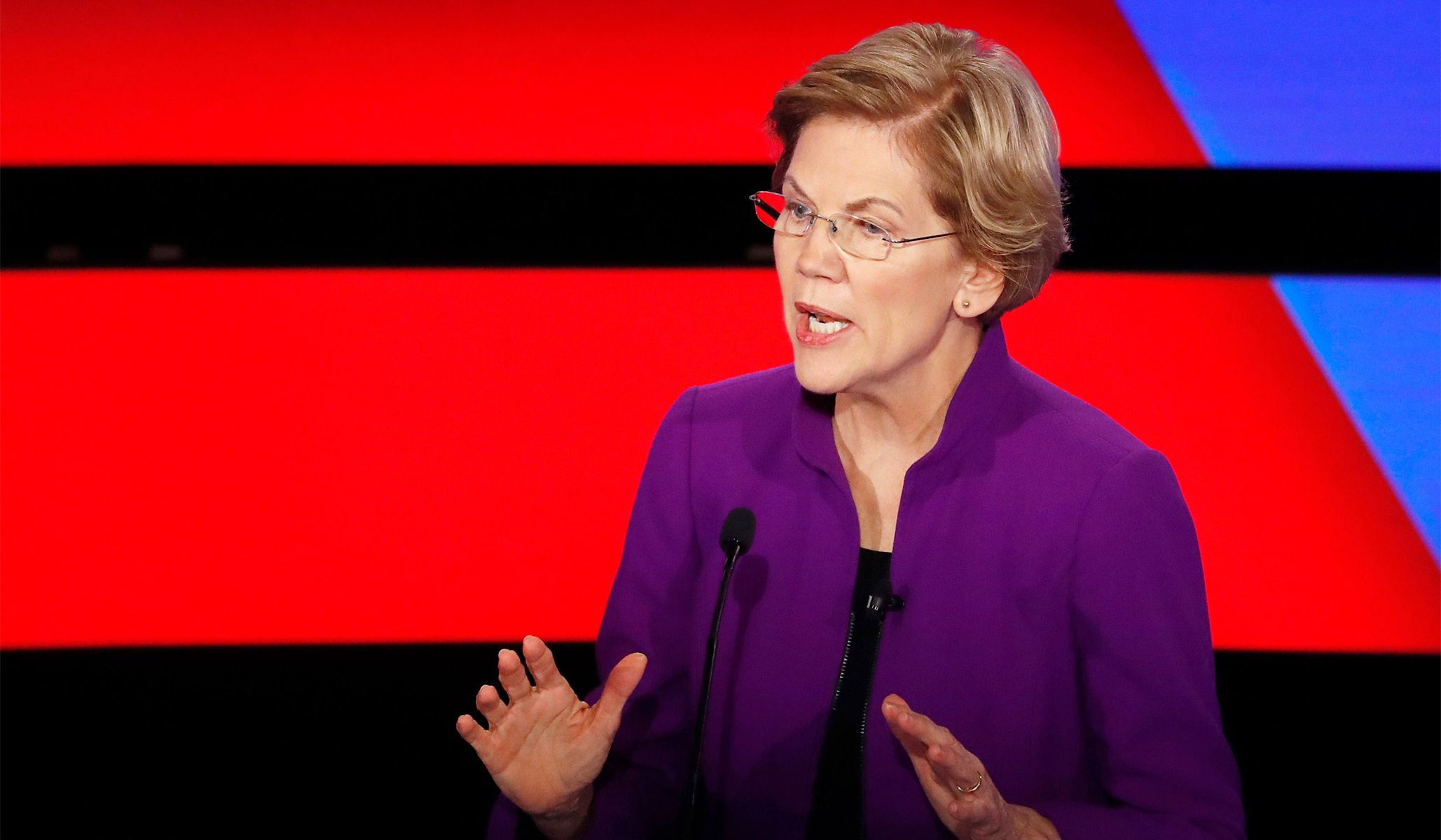
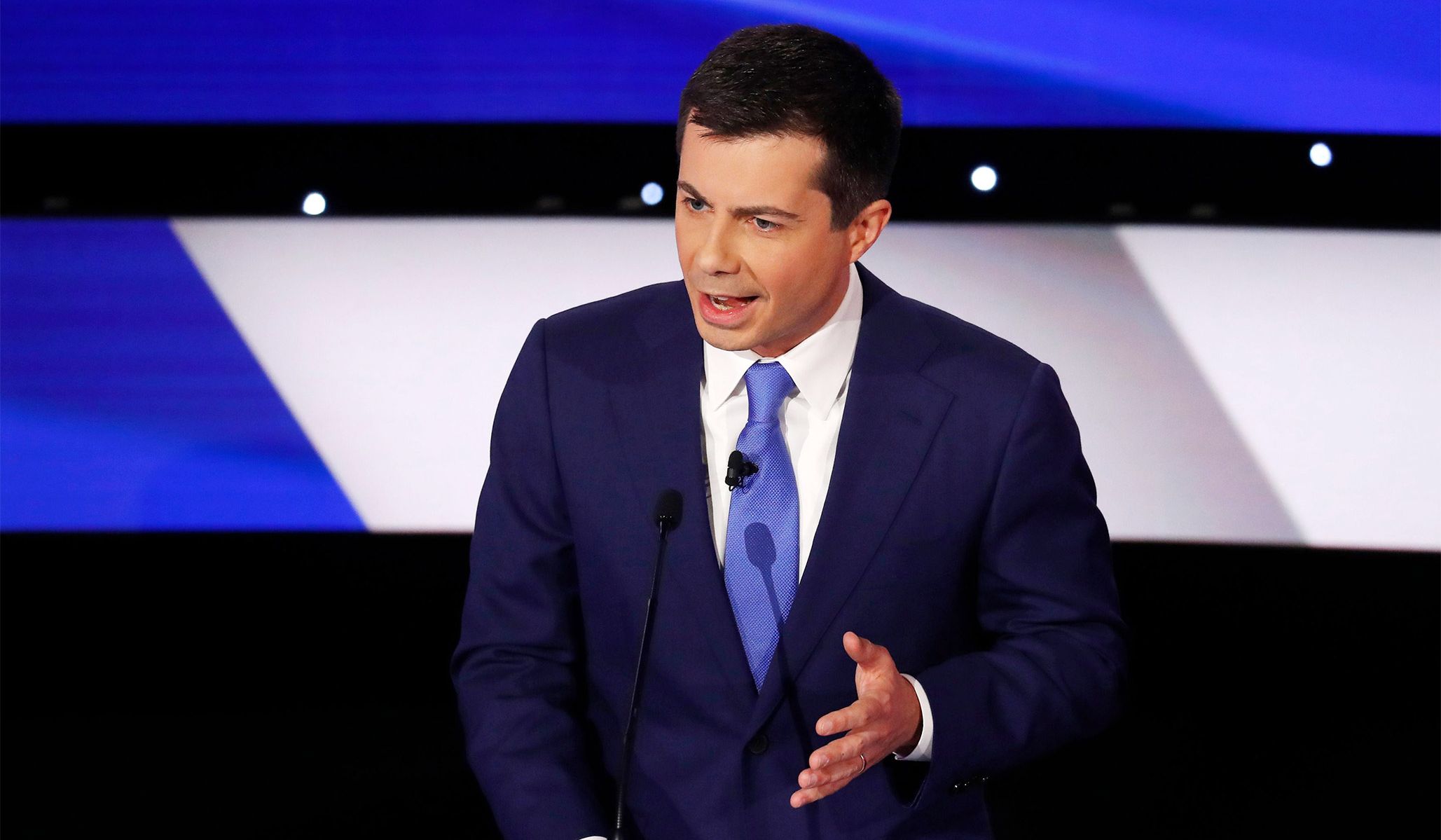
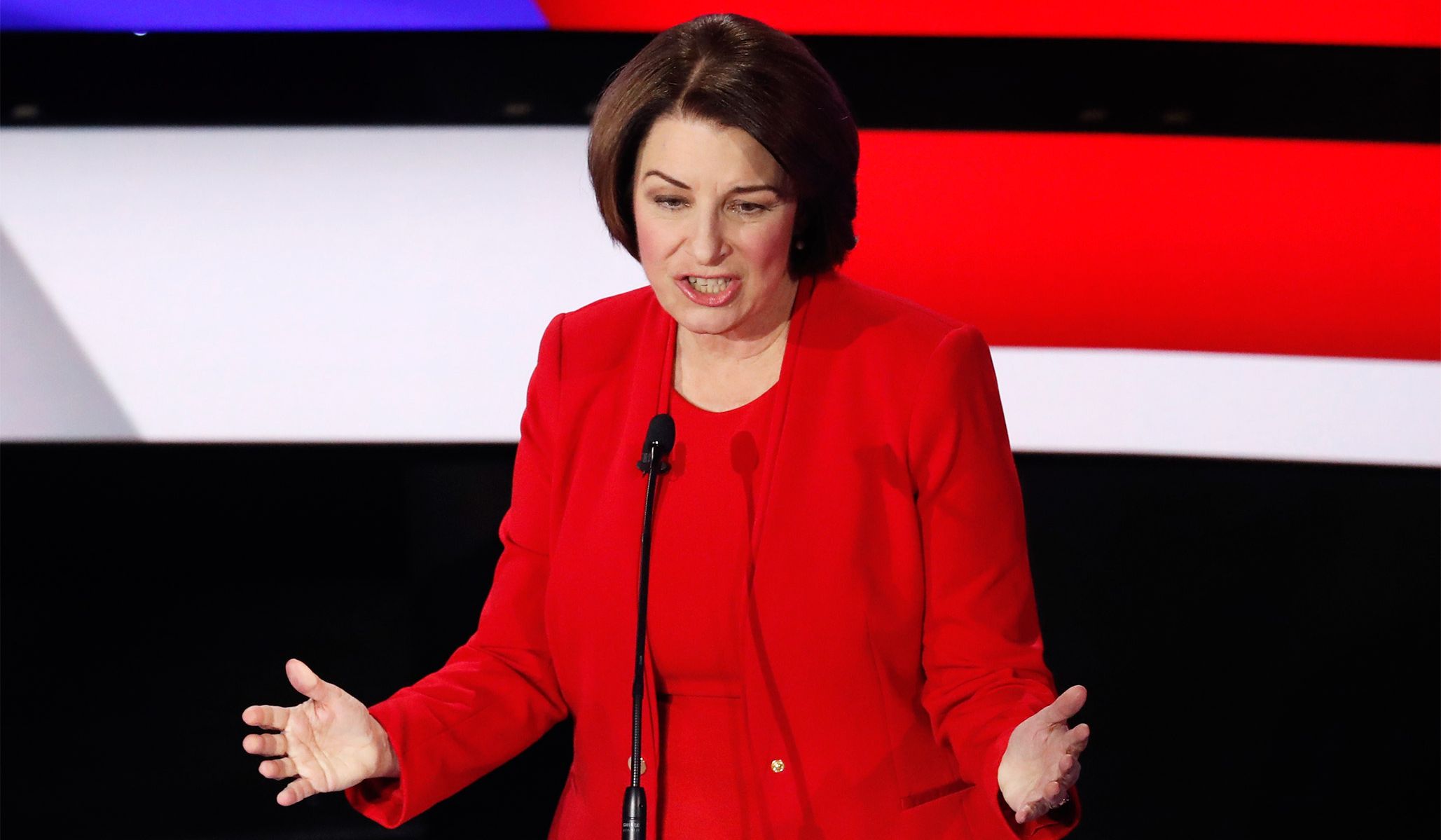
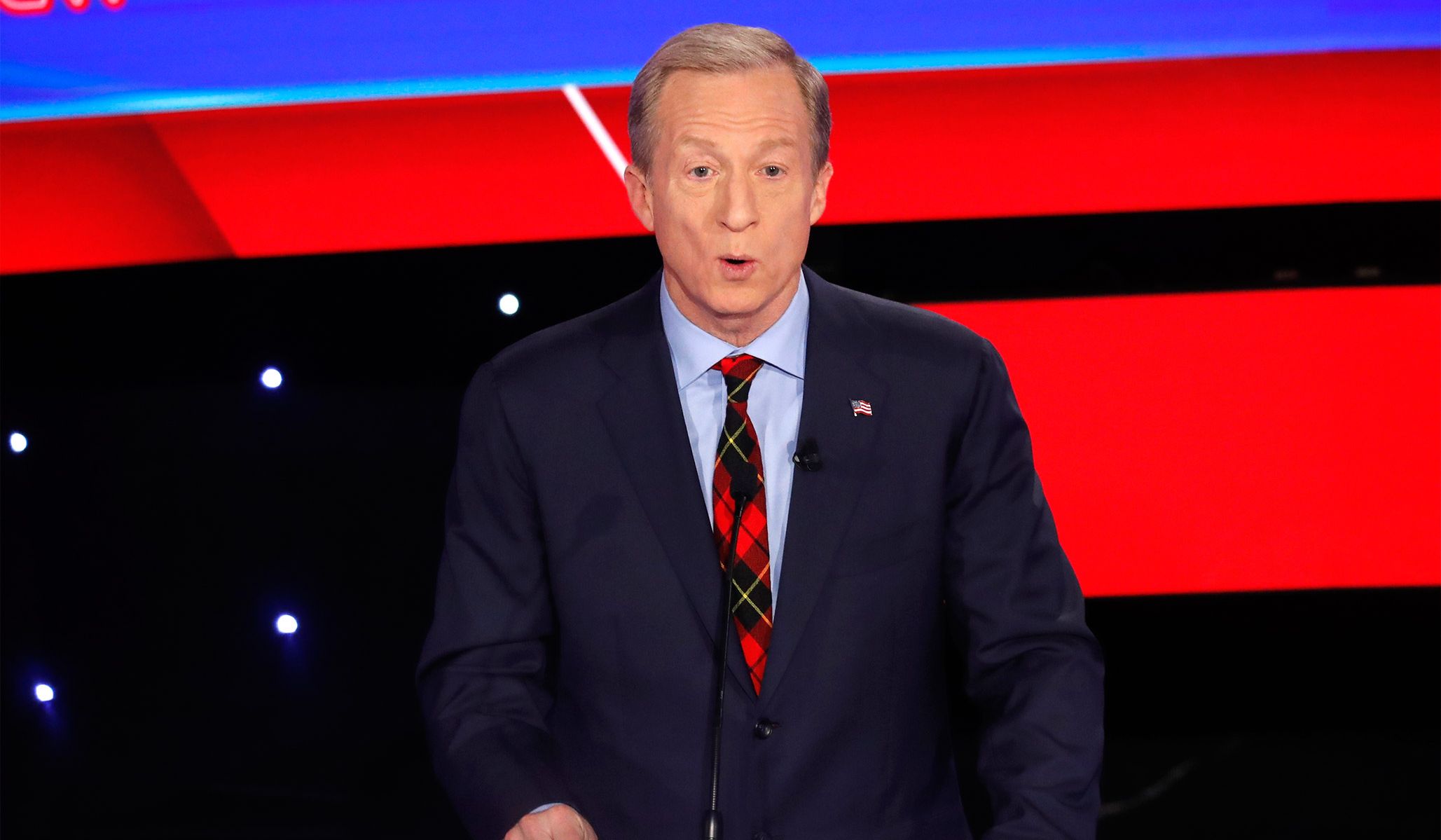
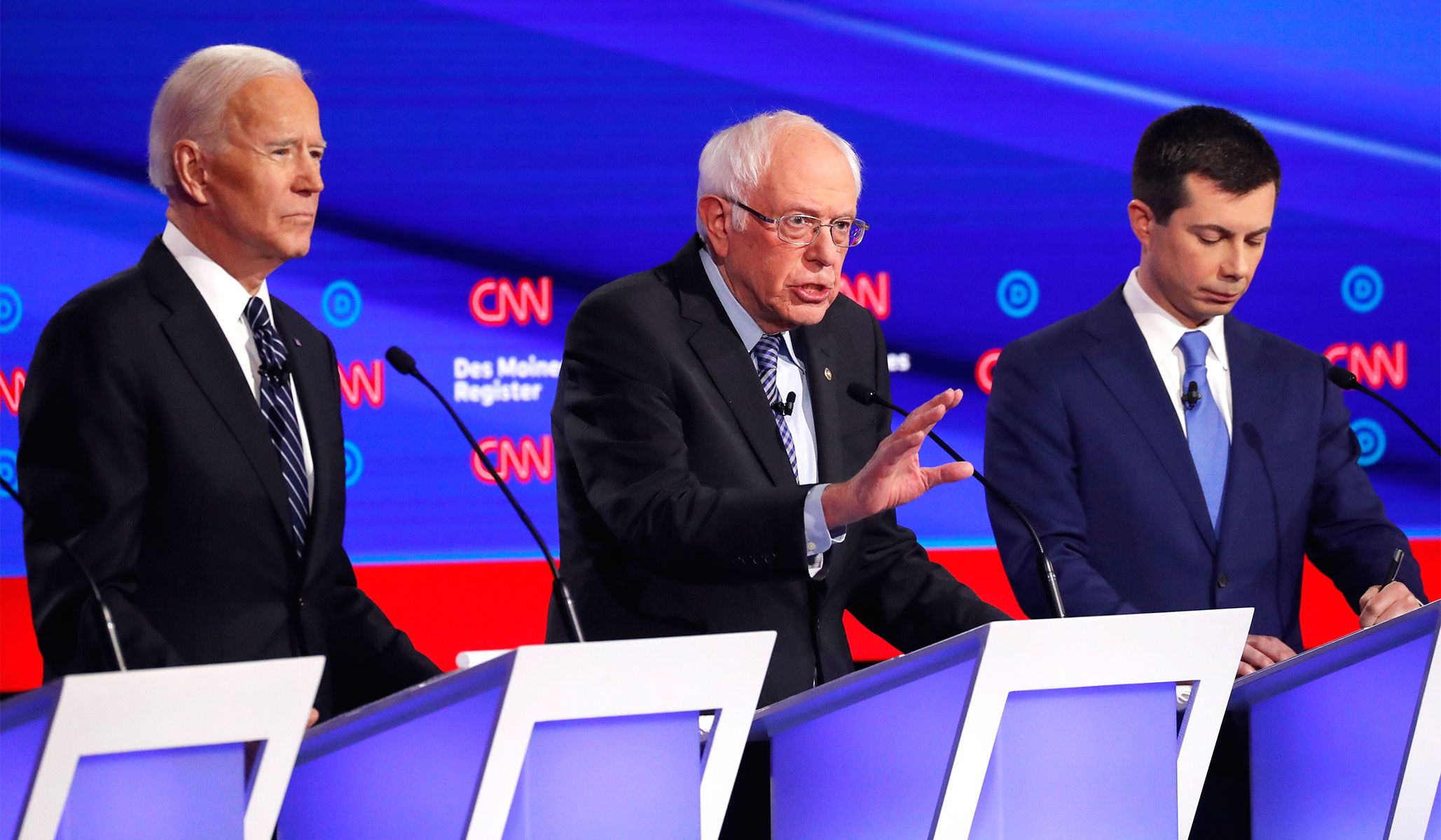
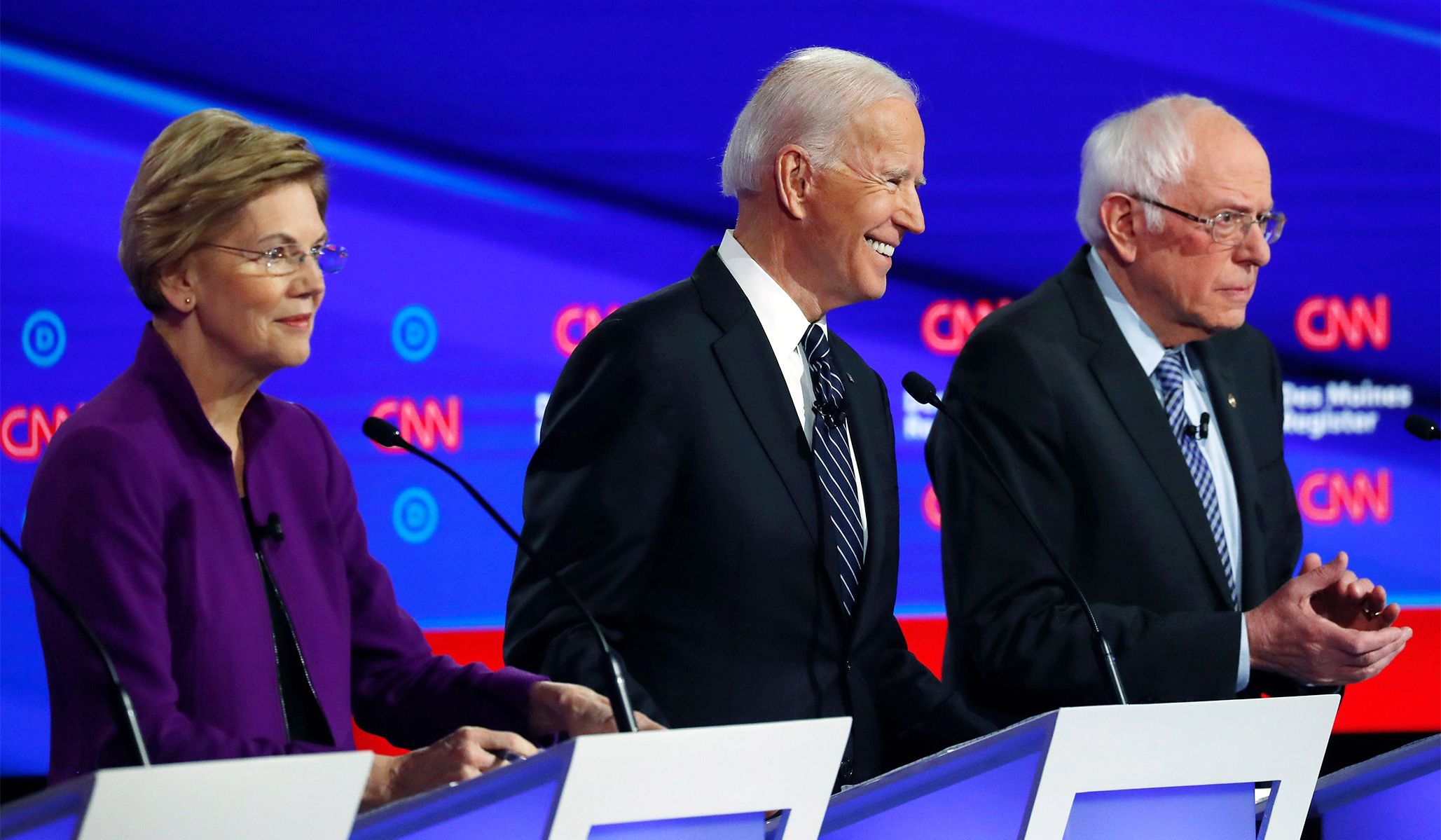
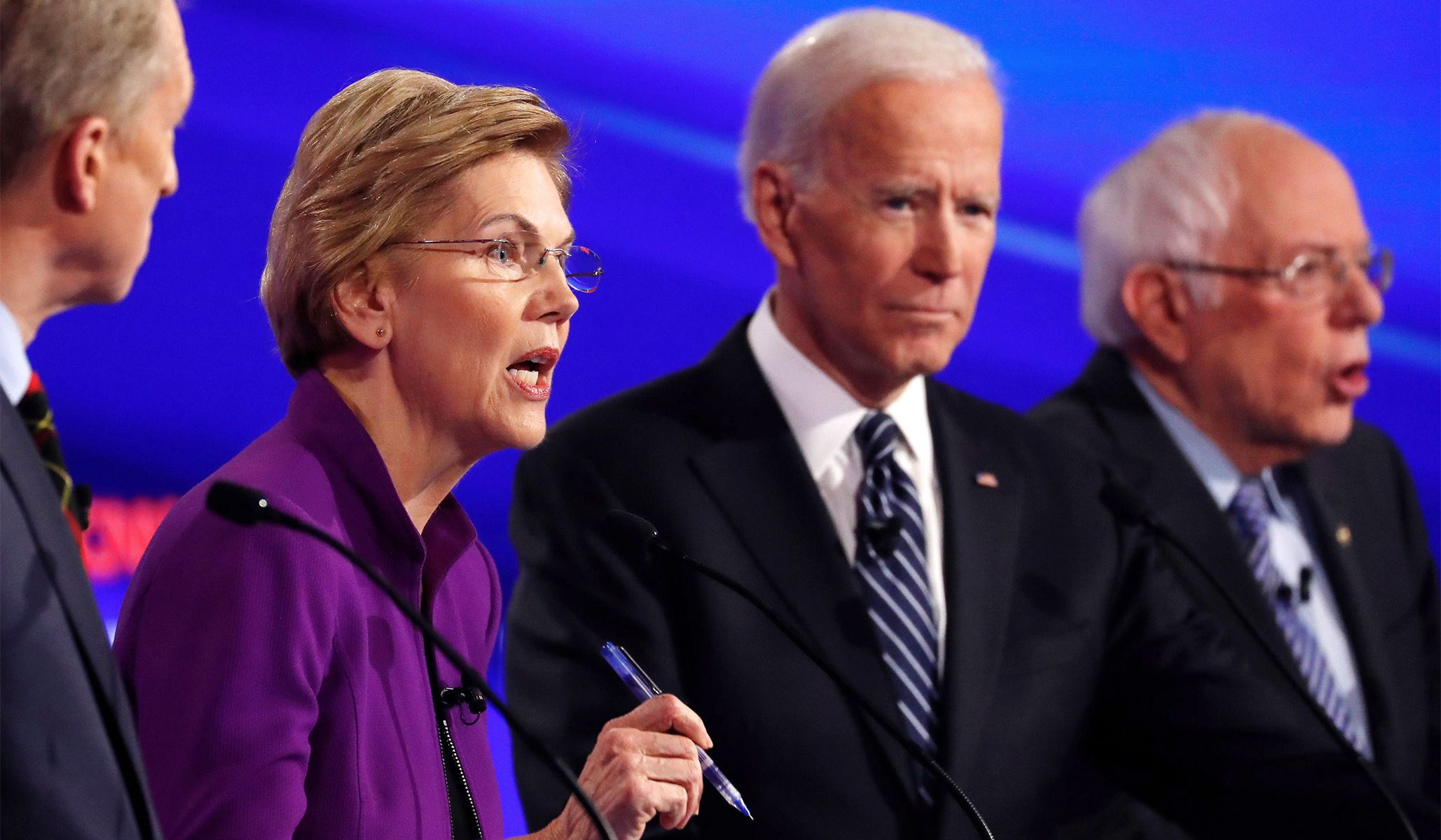
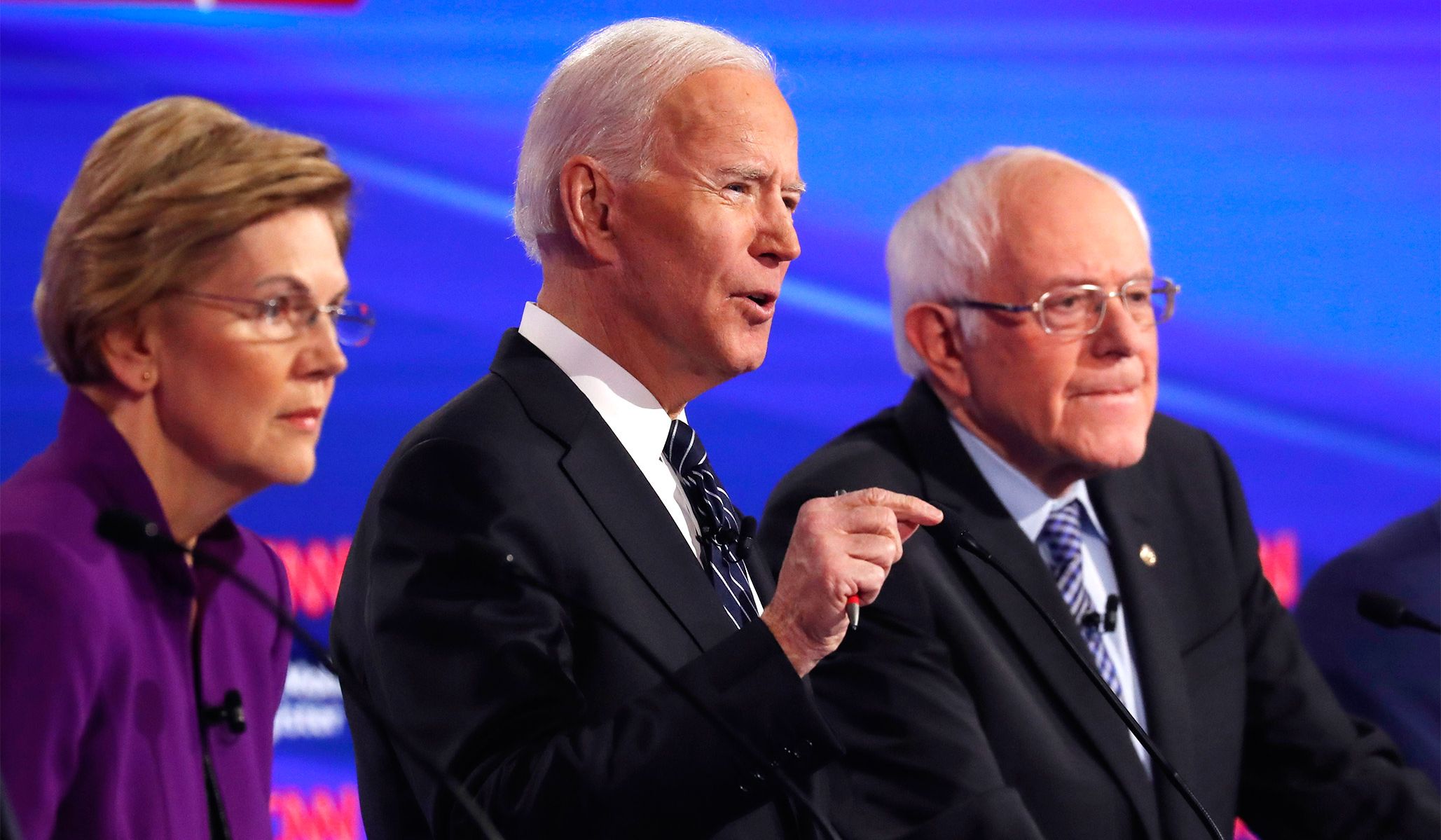
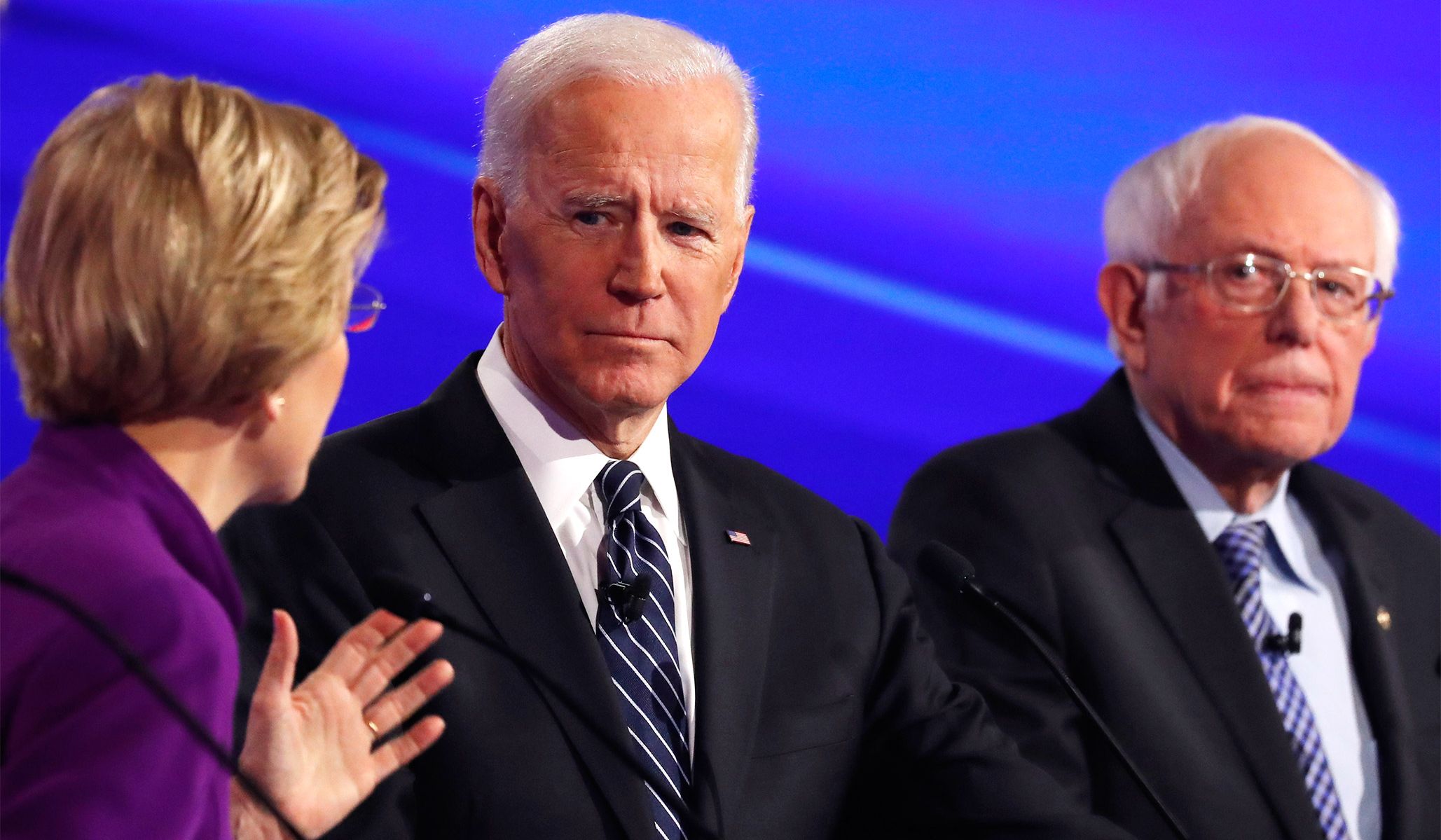
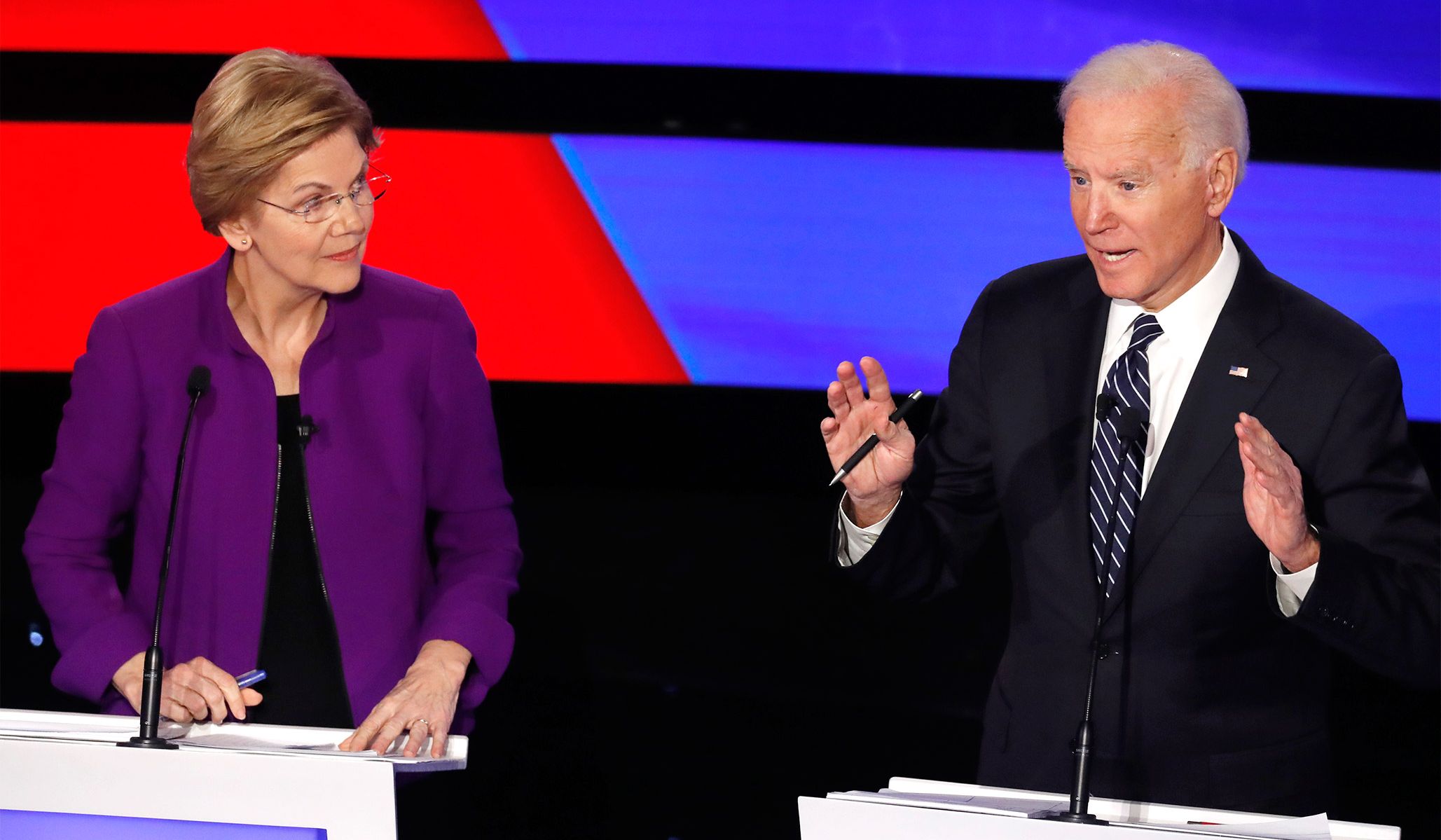
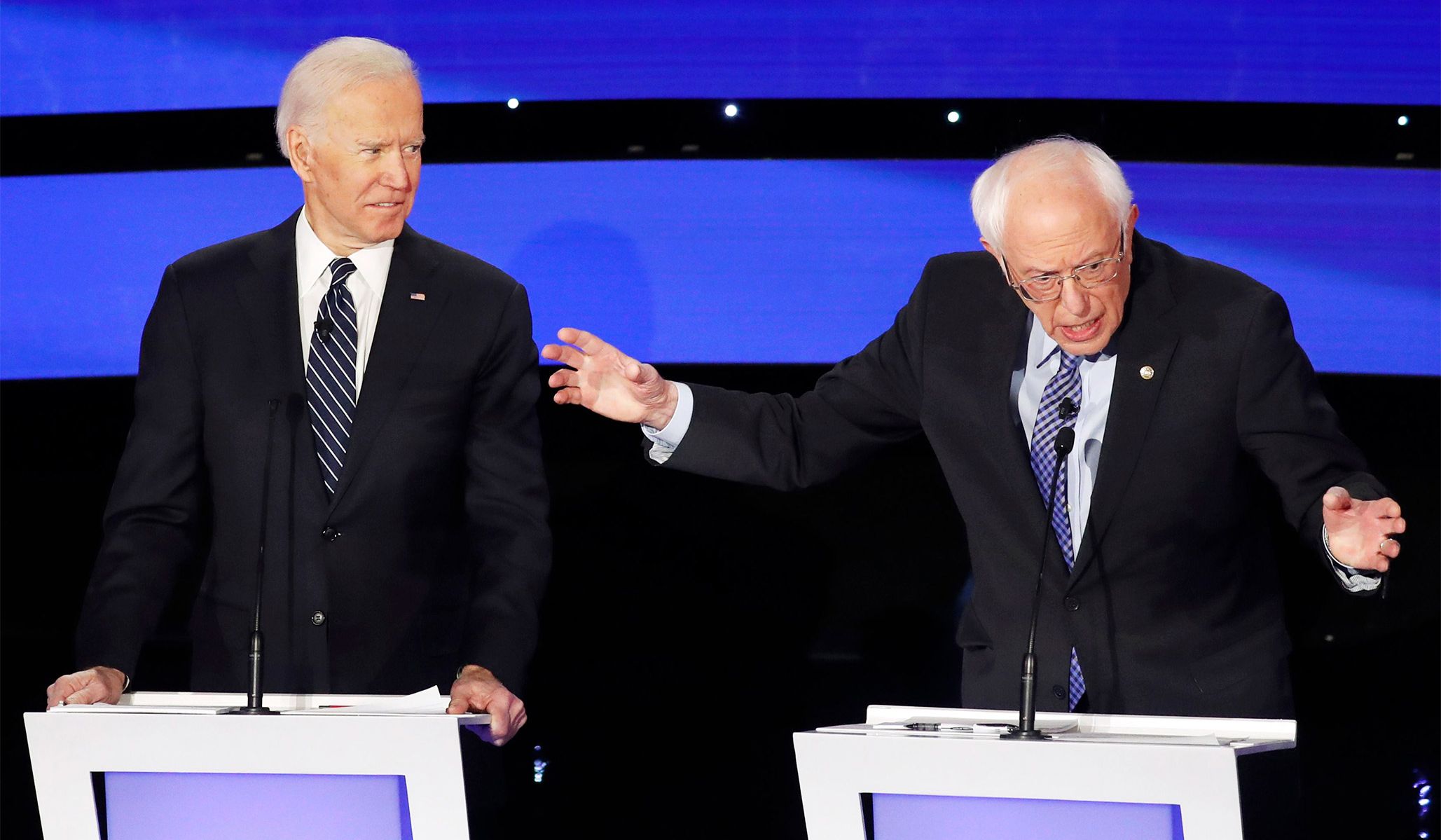
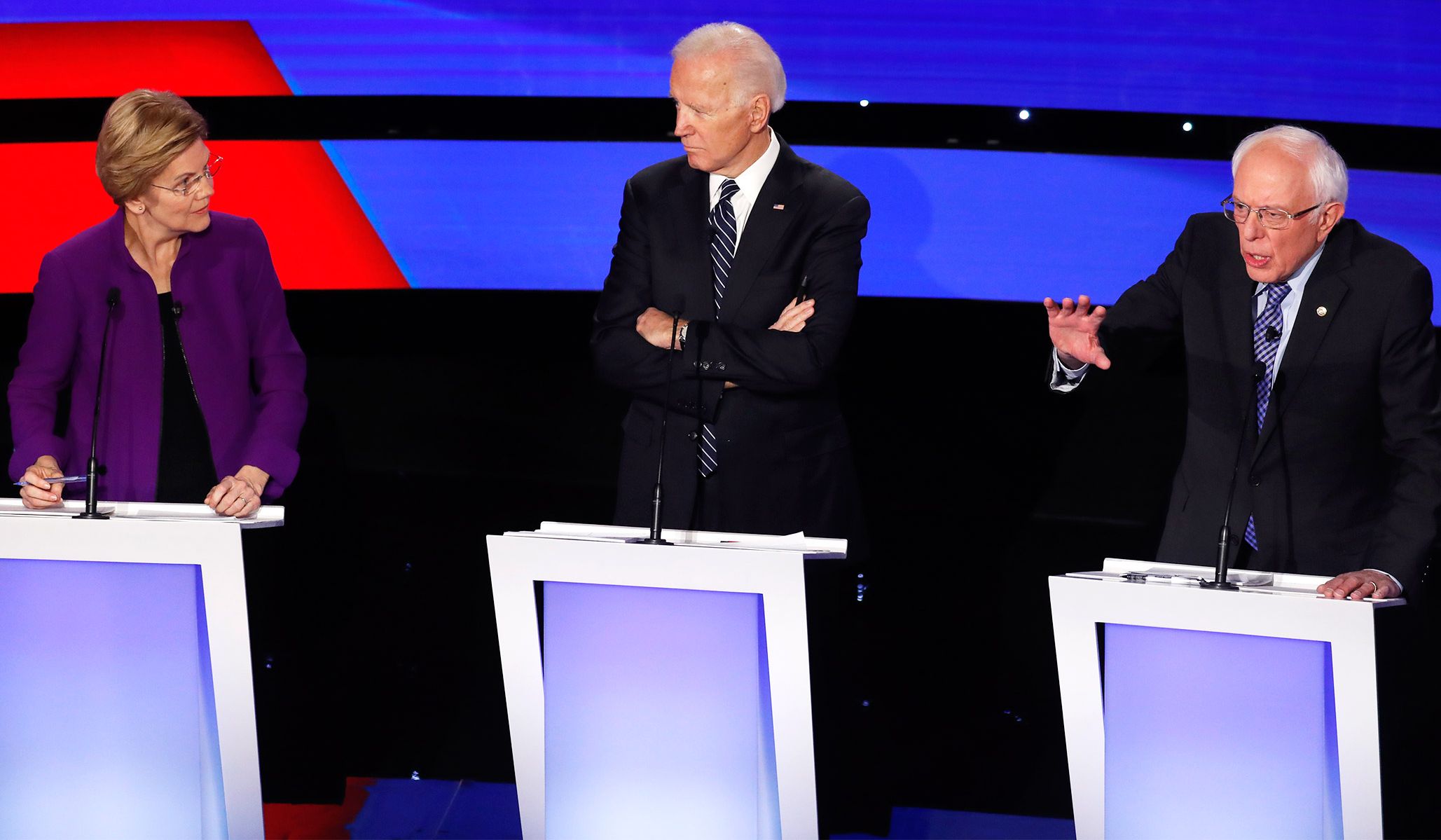
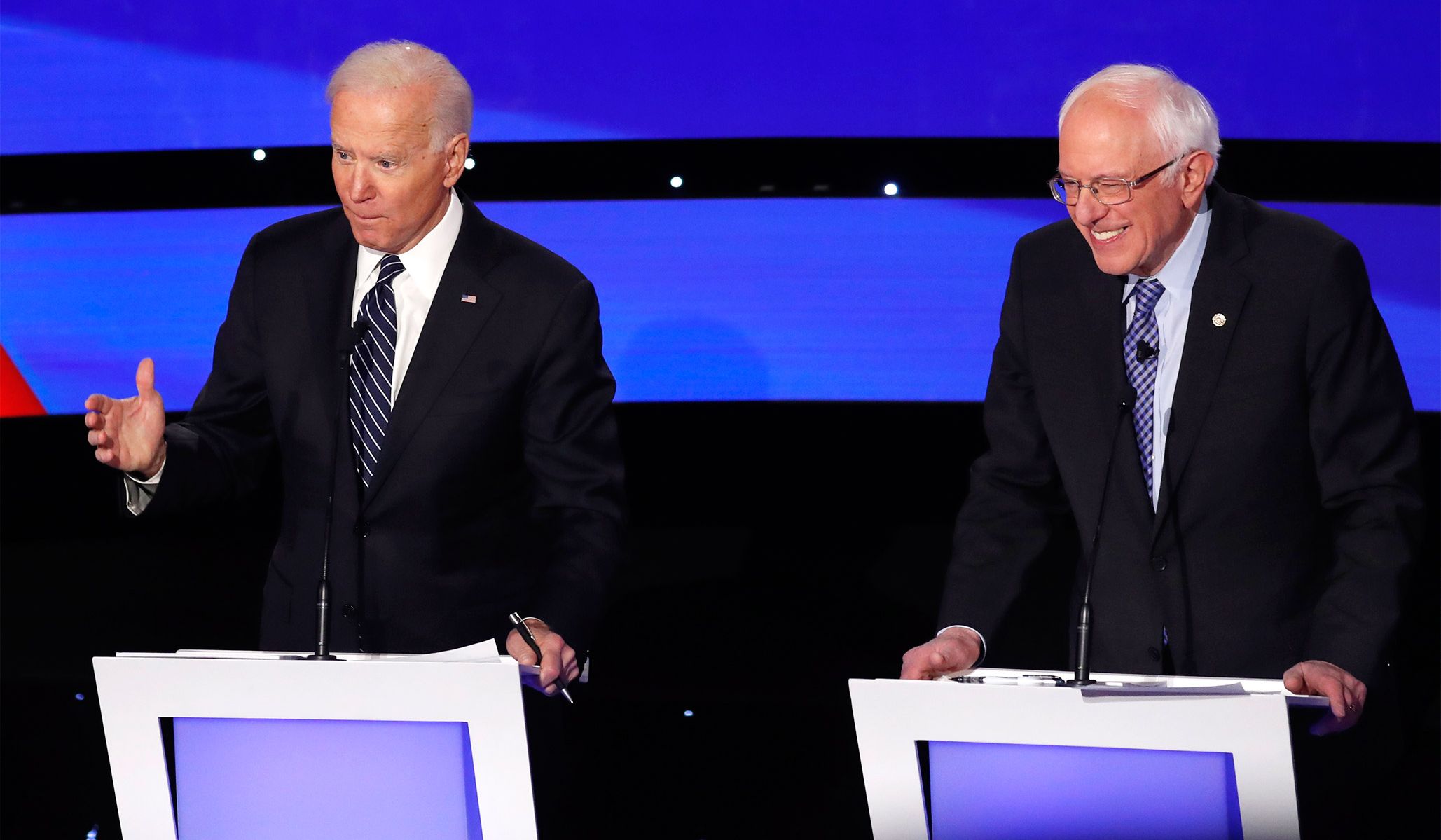
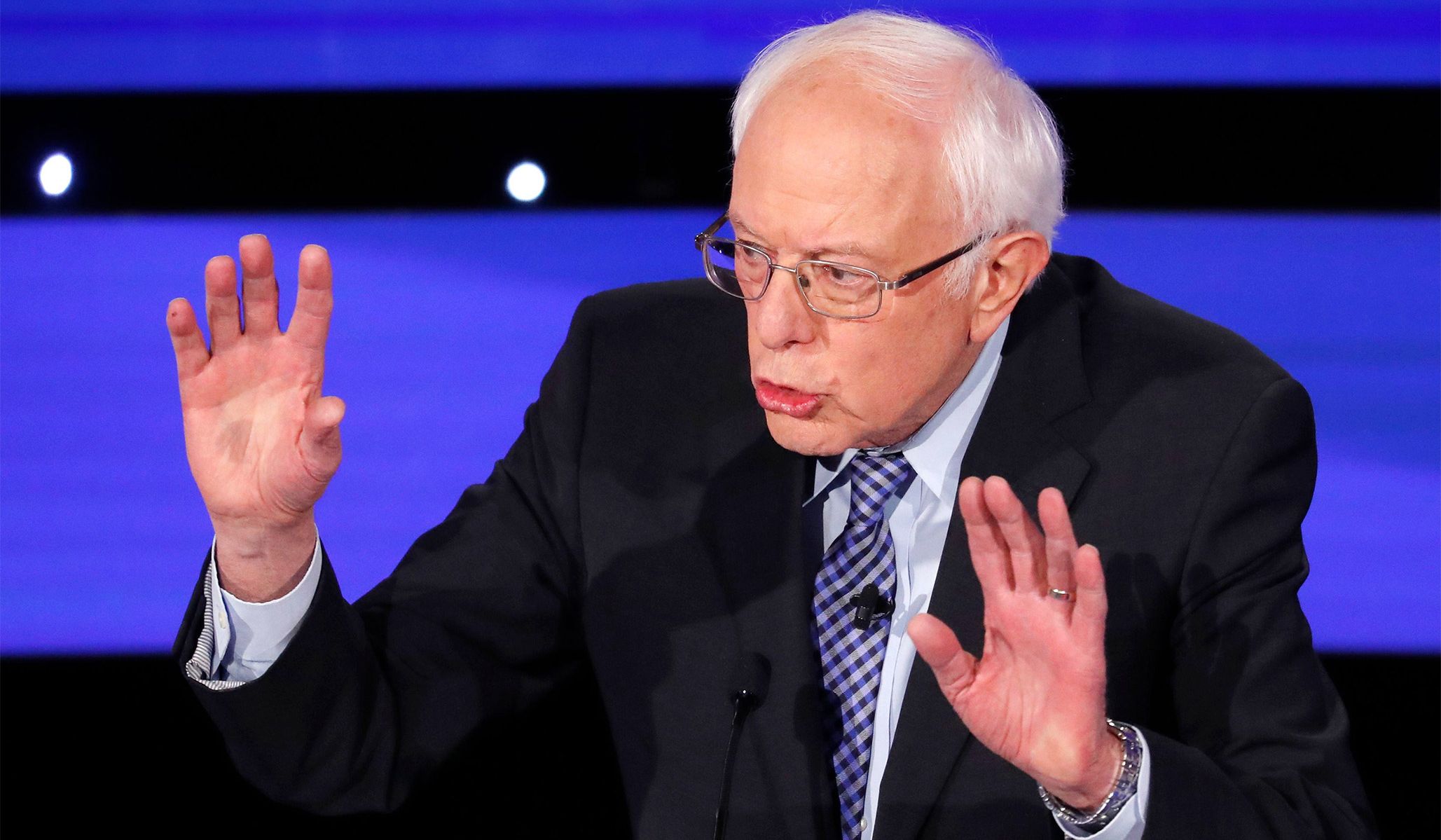
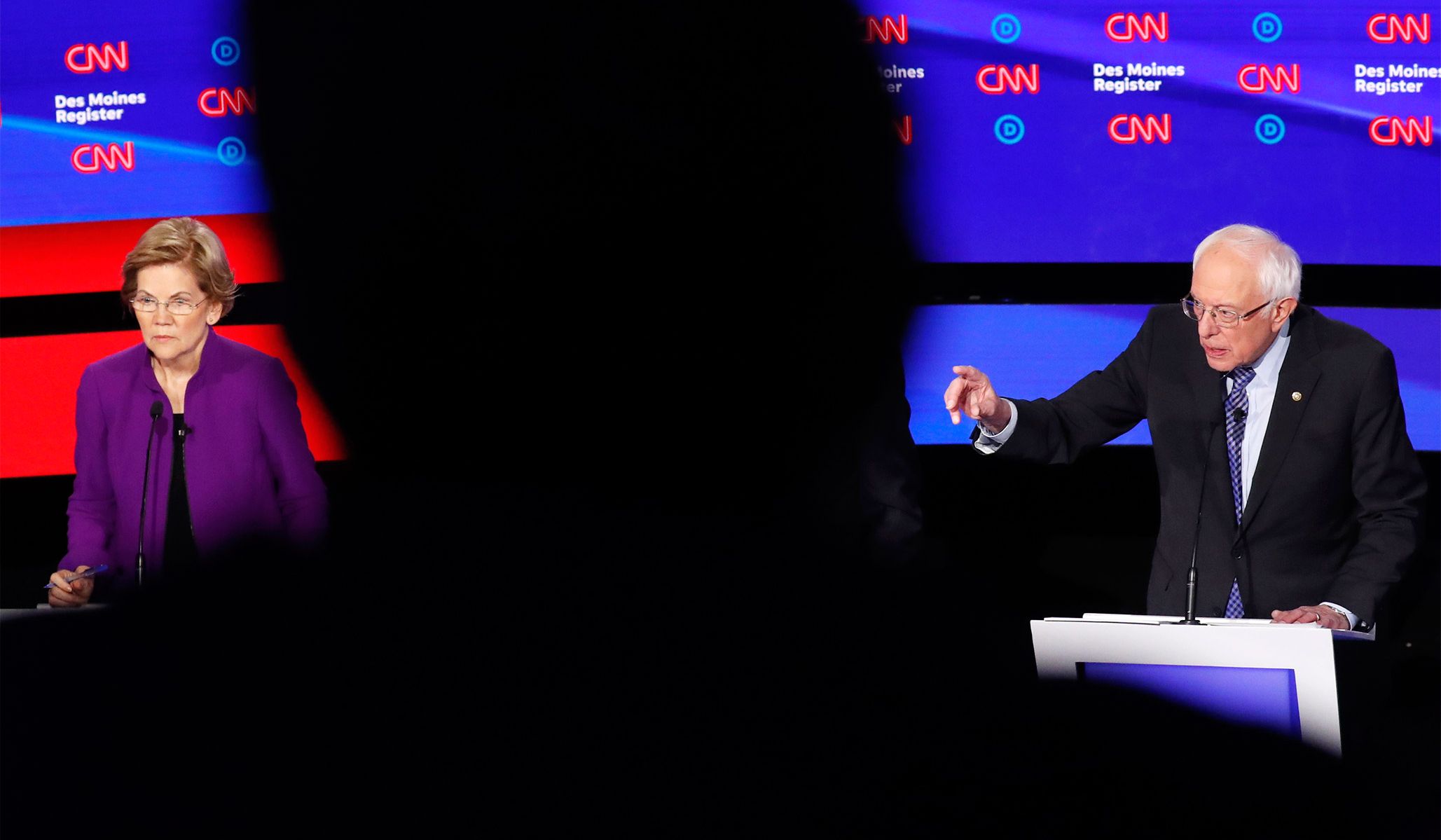
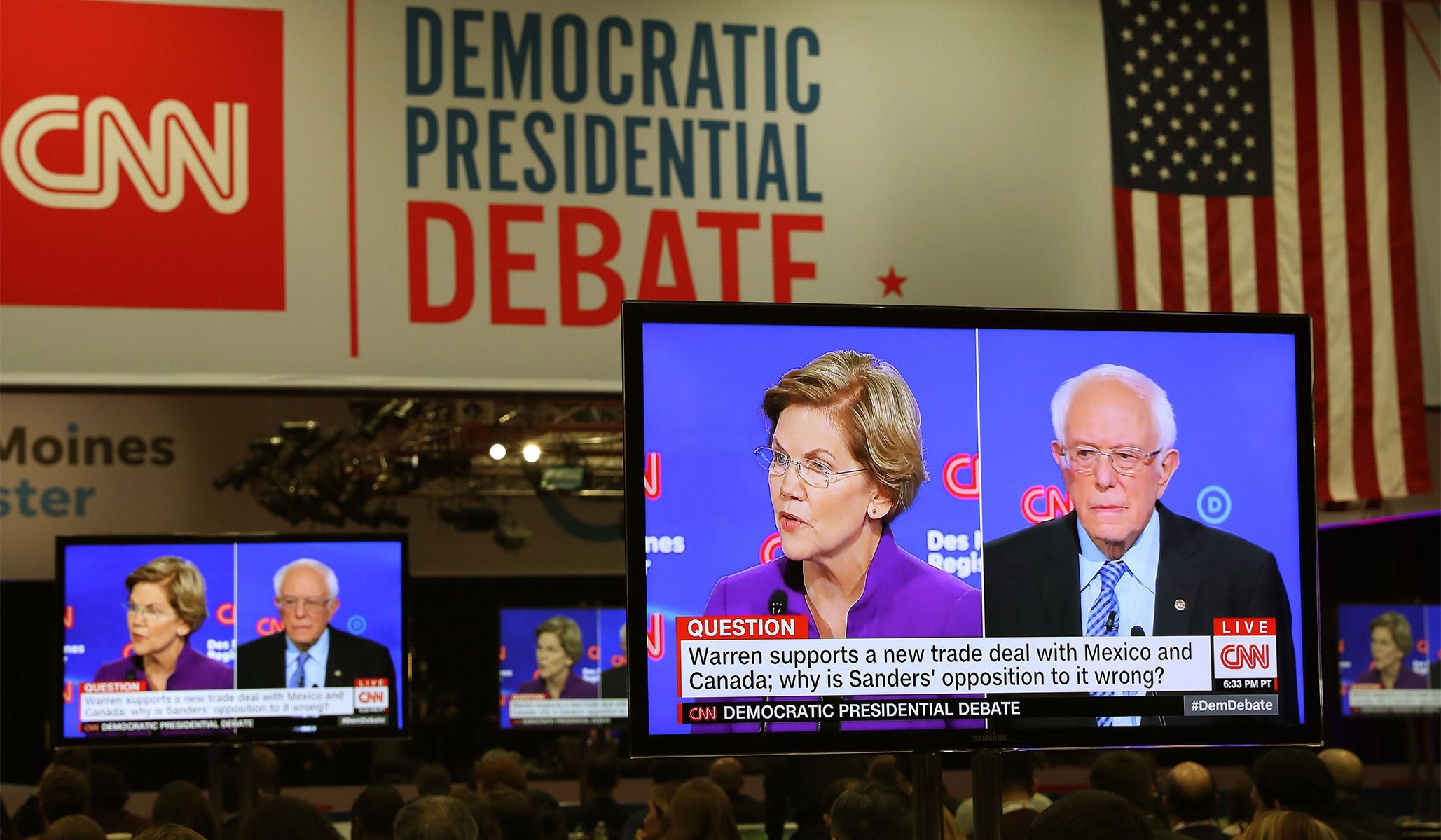
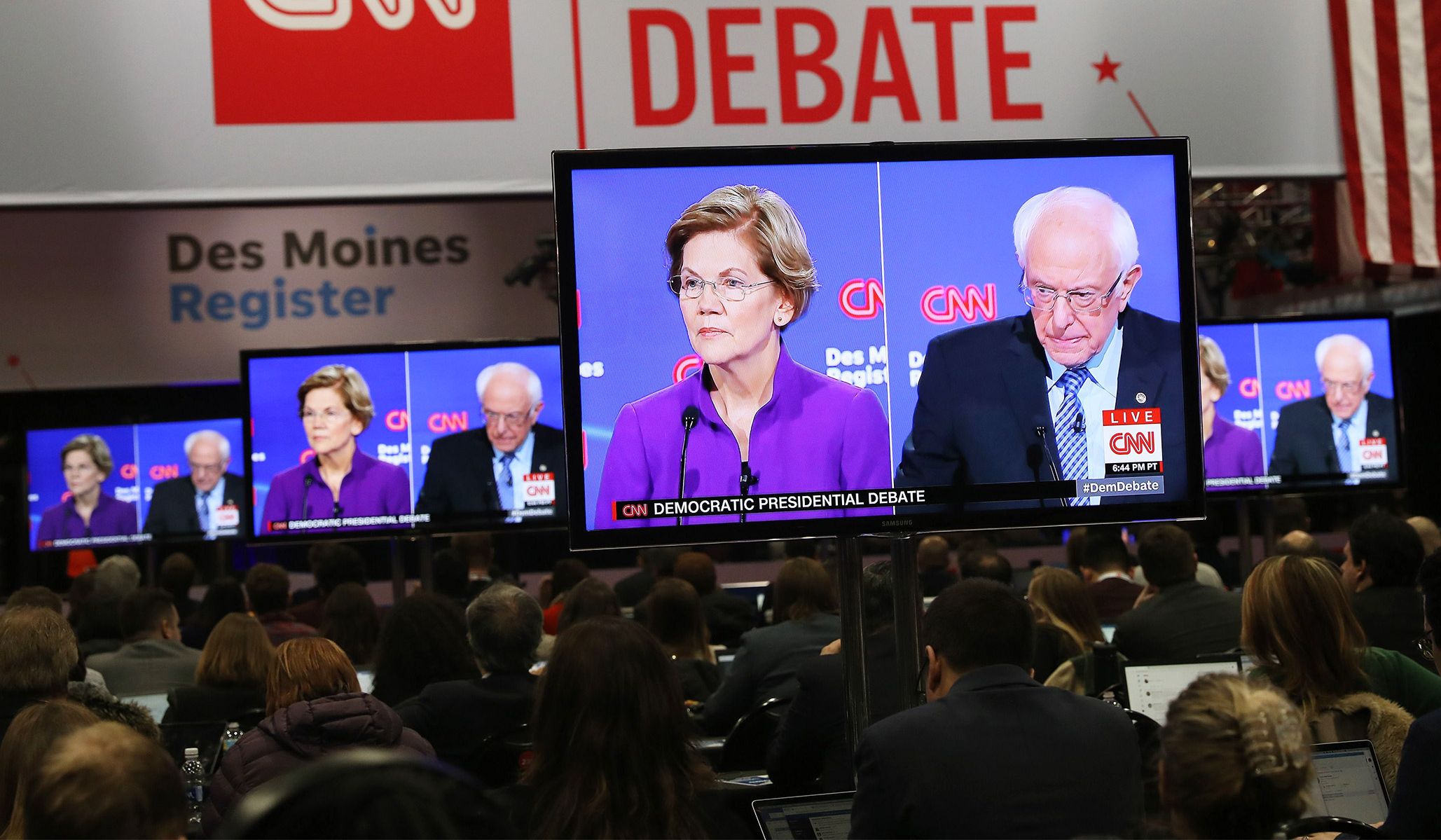
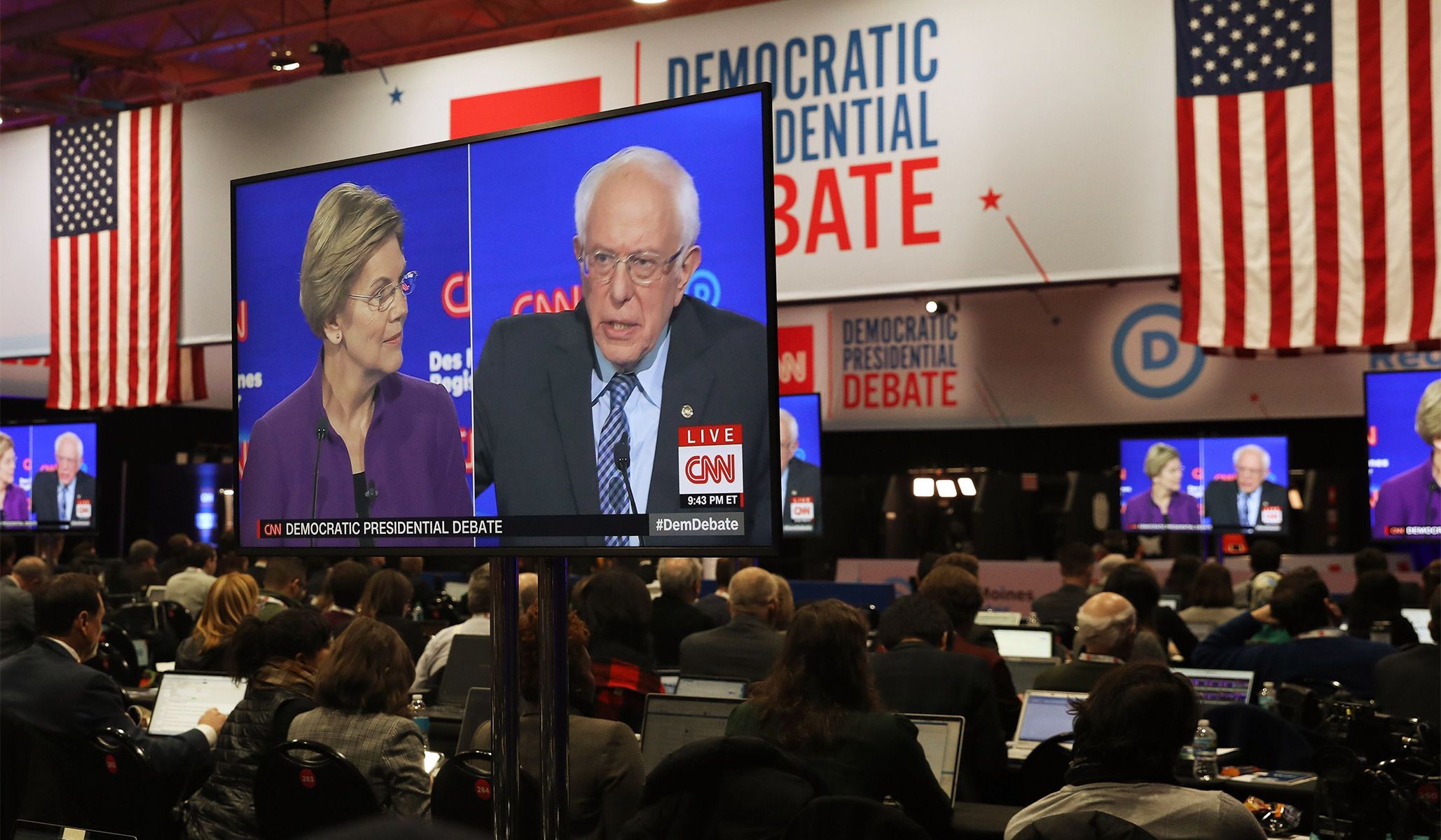
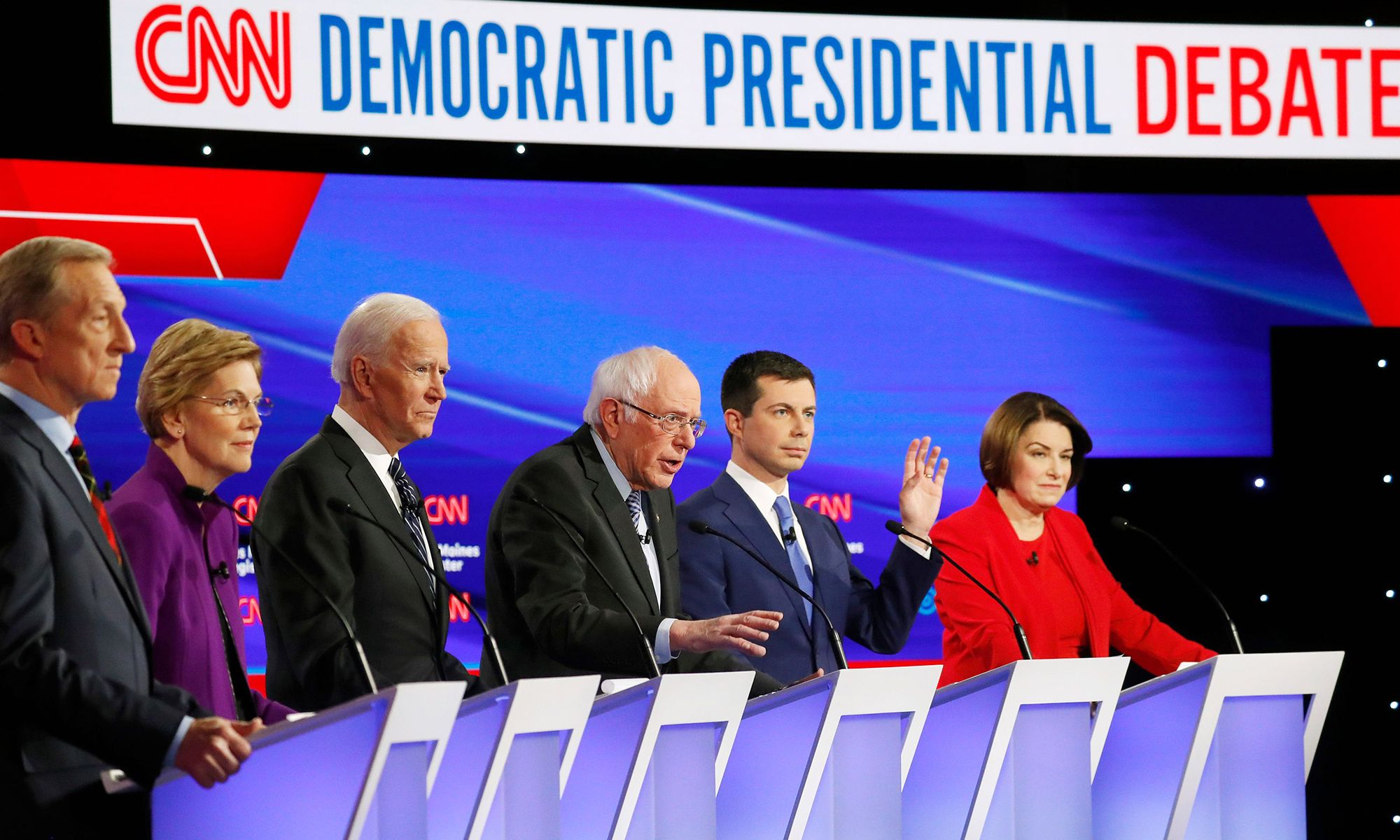
From left: Activist Tom Steyer, Senator Elizabeth Warren, former vice president Joe Biden, Senator Bernie Sanders, South Bend mayor Pete Buttigieg, and Senator Amy Klobuchar on stage for the Democratic primary debate at Drake University in Des Moines, Iowa, January 14, 2020.
Shannon Stapleton/Reuters



Comments