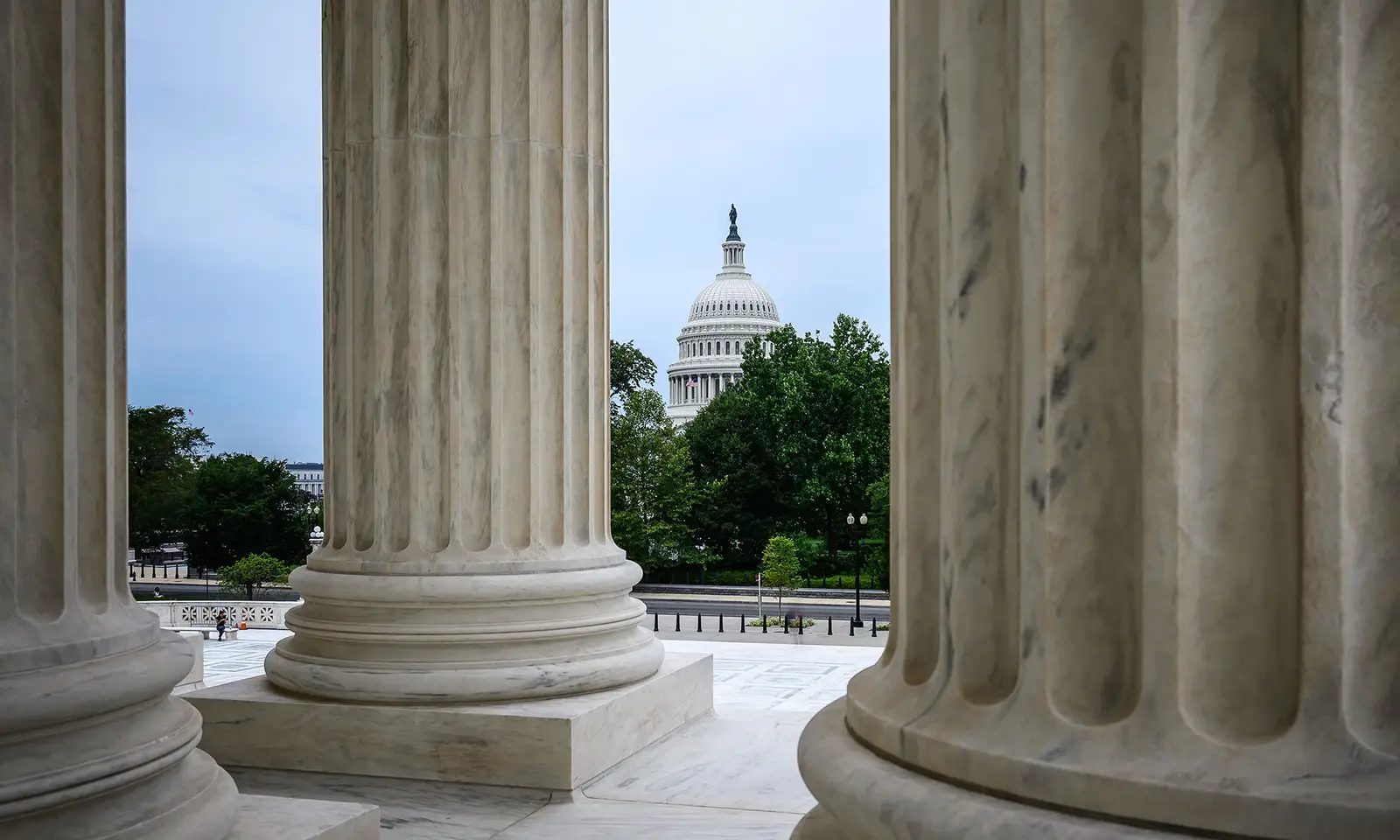
As I explained about the stakes in FS Credit Opportunities Corp. v. Saba Capital Master Fund, Ltd. in yesterday’s preview of the cases left on the Supreme Court’s docket:
Well, the Court held the line, and did so on the familiar 6–3 ideological line, in an opinion by Justice Amy Coney Barrett over separate dissents by Justices Elena Kagan and Ketanji Brown Jackson. As Barrett opened her opinion, “Congress, not the Judiciary, decides who may enforce the law.” The fact that this drew three dissenters is a reminder of the ideological valence of that rule. Indeed, while the Court’s majority has really only been conservative in terms of consistently applying the Constitution in social-issue cases since Barrett arrived in 2020, one of the very first signs of its turn away from the anything-goes judicial activism of the 1960s and 1970s was its series of decisions in the late 1970s putting a stop to the routine recognition of implied rights of action.



Comments
On “Supreme Court Holds the Line Against Judicially Invented Lawsuits and Legislative History as Law”